
Thoughts on Thinking: Brain Chemistry
Brain chemistry sets the level of thinking and of performance in everything else, and it bears on longevity. The dangers come from outside and from inside, and both can be counteracted.
Part of theLongevity Center
Brain chemistry, performance and longevity
Brain chemistry is important for high-performance thinking, and it is just as important for high performance in everything else. It is an essential factor in longevity.
The reach goes well beyond the desk. In a 2009 trial, 16 people who spent 90 minutes on a demanding mental task before a cycling test reached exhaustion about 15 per cent sooner than after 90 minutes of neutral documentaries. Their physiological responses to the exercise were largely unaffected. What changed was how hard the effort felt (Marcora, Staiano and Manning, Journal of Applied Physiology, 2009). The state of the brain set the limit for the body.
Over a lifetime the stakes are years of life. The 2024 Lancet Commission on dementia finds that 14 risk factors that can be changed account for nearly half of dementia cases, 45 per cent. They include physical inactivity, higher alcohol consumption, depression, social isolation and air pollution (Livingston and colleagues, The Lancet, 2024). In 2025, dementia and Alzheimer's disease were the leading cause of death in England and Wales, at 12.7 per cent of all registered deaths (Office for National Statistics).
The dangers come from two directions. From outside come the things that enter the body from the world around it: plastic, PFAS (the so-called forever chemicals), pesticides, metals and polluted air. From inside come the things we do to ourselves: chronic stress, cortisol and overwork, and what we choose to eat and drink. This note sets out both. Then it covers how to counteract the dangers from outside, and then the dangers from inside: what to do, which foods to avoid and which to have, and which supplements to avoid and which to take. It ends with the input no supplement reaches, which is how you manage your own thinking and your own mental state.
This is the next note in the series. In July, Thoughts on Thinking separated what drives thinking from what amplifies it. Frequencies and Thinking set out what damages a mind and what can train it. Thoughts on Thinking in an AI World argued that answers had become cheap and judgment had not. Take an Art Break measured one small restoration, and The Physics and Biology of the Mind went down to the membrane and the rhythms it produces. This note goes one layer further down, to the chemistry those rhythms run on. The series sits together in the Thinking Center.
What a well-run chemistry looks like
The brain is a chemical environment. A computer runs the same instruction the same way on a cold morning and after a bad quarter. The brain does not. Its state on a given afternoon is the sum of what has entered it, what it has been asked to endure and what it has been given to repair itself.
Start with the medium. Measured in living adults, grey matter is about 84 per cent water and white matter about 69 per cent. The organ is about 2 per cent of body weight and takes about 20 per cent of the body's oxygen (Raichle and Gusnard, PNAS, 2002). Most of the energy spent on signalling goes on one job. The sodium-potassium pump moves three sodium ions out of a cell for every two potassium ions in, restoring the gradients every signal spends (Engl and Attwell, The Journal of Physiology, 2015).
Four ions do most of the work. Sodium and potassium carry the electrical signal. Calcium entering a nerve terminal triggers the release of a transmitter in under a millisecond (Südhof, Neuron, 2013). Magnesium sits in the pore of the NMDA receptor at rest and leaves only when the cell is already active. That makes the receptor a coincidence detector, and coincidence detection underlies several forms of synaptic learning (Lüscher and Malenka, Cold Spring Harbor Perspectives in Biology, 2012).
On that base run the transmitters. Glutamate is the main excitatory transmitter (Zhou and Danbolt, Journal of Neural Transmission, 2014) and GABA the main inhibitory one (Sigel and Steinmann, Journal of Biological Chemistry, 2012). Thinking depends on the balance between them.
Dopamine signals the gap between the reward expected and the reward received (Schultz, Dialogues in Clinical Neuroscience, 2016). It is central to motivation (Bromberg-Martin and colleagues, Neuron, 2010), and it tunes working memory on an inverted U, with an optimum in the middle rather than at the top (Cools and D'Esposito, Biological Psychiatry, 2011). Serotonin modulates mood and promotes response inhibition, the brake on an impulse (Cools, Roberts and Robbins, Trends in Cognitive Sciences, 2008). Acetylcholine serves attention and the encoding of new memory. Norepinephrine helps keep the brain awake and alert, and tunes how salient information is processed. Oxytocin is central to social attachment in other mammals, though the human trust result once claimed for it has not replicated well (Nave, Camerer and McCullough, Perspectives on Psychological Science, 2015). Endorphins relieve pain and take part in reward.
Two more things complete the picture. BDNF, brain-derived neurotrophic factor, supports the formation of dendritic spines, maintains synaptic strength and supports the long-term potentiation that memory rests on (Kowiański and colleagues, Cellular and Molecular Neurobiology, 2018). And the membranes themselves are partly built from the diet: DHA, an omega-3 fat, is the main omega-3 in the brain and modulates how fluid the membrane is and how its proteins work (Dyall, Frontiers in Aging Neuroscience, 2015).
When these are in good order the brain can hold attention for long periods, lay down and keep memory, regulate emotion, make the unexpected connection and weigh a decision against its likely outcome. The inverted U matters for anyone running an organisation: the optimum is a balance, not a maximum. More stimulation is not better chemistry.
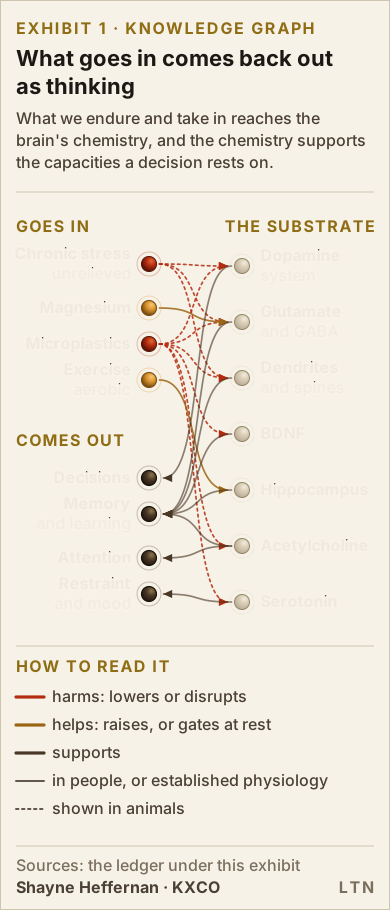
Exhibit 1 maps the chain that links what goes in with what comes out. Every link stands on a source, listed under the exhibit. Nature and breaks, the inputs you escape to, are on Exhibit 3.
How to read Exhibit 1, link by link:
Dendrites and spines: lowered by chronic stress in rats (Radley and colleagues, Neuroscience, 2004; Cerebral Cortex, 2006) and by microplastics in mice (Suman and colleagues, Chemosphere, 2024). They hold the synapses memory is written in.
Dopamine system: the ventral tegmental area's response to reward cues was raised a day after repeated stress in rats and below normal 15 days later (Harris and colleagues, eNeuro, 2025), and nanoplastics altered the dopamine system's responses in mice (Kim and colleagues, Neuroscience, 2024). Dopamine supports decisions that learn from outcomes (Schultz, 2016).
Glutamate and GABA: glutamate transmission changed by stress (Popoli and colleagues, 2012) and GABA reduced in chronically stressed animals (Fogaça and Duman, 2019); GABA lowered by microplastics in fish and mice; magnesium gates the receptor at rest. The balance supports memory.
BDNF: lowered by microplastics in mice; supports memory (Kowiański and colleagues, 2018).
Hippocampus: grown 2 per cent by a year of aerobic exercise in older adults, with better spatial memory (Erickson and colleagues, PNAS, 2011).
Acetylcholine: disrupted by microplastics in fish and mice; supports attention and memory encoding (Hasselmo and Sarter, Neuropsychopharmacology, 2011).
Serotonin: lowered by microplastics in fish and mice; supports mood and restraint (Cools, Roberts and Robbins, 2008).
Solid lines rest on measurements in people or on established physiology, much of it first worked out in animals; dotted lines are animal studies.
The dangers from outside
The blood-brain barrier protects the brain, but it does not seal it. In the last two years the measurements of what gets through have become specific enough to act on.
Microplastics
The central study is by Alexander Nihart, Matthew Campen and colleagues, published in Nature Medicine in February 2025. The team measured plastic in the brains of 91 people after death, from New Mexico and the East Coast, between 1997 and early 2024. Every brain returned a measurable concentration. In normal brains the level was 7 to 30 times that in the liver or kidney, and about 50 per cent higher in the 2024 samples than in those from 2016. Polyethylene made up three quarters of it on average. Under the electron microscope the isolated particles were mostly shards 200 nanometres long or less. Holding up a plastic spoon of about 5 grams, Campen put the total at almost 7 grams per brain, and said the estimate could prove high or low (KUNM, 2025).
The dementia brains carried about five times the 2024 median, with deposits along blood vessel walls and among immune cells in the three cases imaged. The authors state that this does not show the plastic caused the disease: a brain that is losing tissue and clearing less would be expected to hold more.
What the particles do once they are there has so far been measured in animals. In mice, nanoplastics altered the dopamine system's responses, and polystyrene particles cut dendritic spine density and BDNF expression in the prefrontal cortex. In zebrafish, dopamine, serotonin, GABA and acetylcholine all fell (Li and colleagues, Comparative Biochemistry and Physiology C, 2026). In other mouse studies, brain serotonin was depleted, with no matching change in behaviour (Lee and colleagues, Environmental Pollution, 2026) and acetylcholinesterase, the enzyme that clears acetylcholine, rose by 89 per cent (Alansari and colleagues, Molecular Neurobiology, 2026). The direction is not uniform across studies, and none of it has been shown in people. The targets, though, are the ones listed above.
The measurement has been challenged. In November 2025 nine scientists argued in Nature Medicine that the study had limited contamination controls and lacked validation steps, and the concern includes fat in brain tissue reading as polyethylene. The paper's own supplement notes that removing lipids lowered the dementia values. The authors replied in the same issue. Both accounts stand until another laboratory repeats the measurement with a method that separates fat from plastic.
PFAS, pesticides and metals
PFAS are in the brain as well. A 2025 study tested for 43 of them and found 7 in every brain sample. The brain-to-blood ratio rose with the number of carbon atoms in the molecule: the larger the molecule, the more of it the brain held relative to the blood (Suzuki and colleagues, Environmental Science & Technology, 2025). In 65 firefighters, higher PFOS went with slower processing speed (Pan and colleagues, Journal of Exposure Science & Environmental Epidemiology, 2026). In 718 mother and child pairs in China, PFHxS before birth went with persistently low communication and problem-solving development (Li and colleagues, Environmental Science & Technology, 2023).
Chlorpyrifos is an organophosphate insecticide. Children exposed before birth showed thinning of the frontal and parietal cortex years later (Rauh and colleagues, PNAS, 2012), and a 2025 study of 270 young people found altered cortex, reduced white matter and poorer motor scores (Peterson and colleagues, JAMA Neurology, 2025). Long-term exposure near home or work went with a Parkinson's disease risk more than two and a half times higher (Hasan and colleagues, Molecular Neurodegeneration, 2025).
In mice given glyphosate for 13 weeks, its breakdown product AMPA was still raised in the cortex six months after dosing stopped (Bartholomew and colleagues, Journal of Neuroinflammation, 2024). Even the lower dose was above the human reference dose of 1.75 milligrams per kilogram a day. Organophosphate flame retardants were frequently detected in human cerebrospinal fluid (Hou and colleagues, Environmental Science & Technology, 2022). Every one of 14 Swiss children being treated for leukaemia or lymphoma had a neonicotinoid insecticide or its breakdown product in theirs (Laubscher and colleagues, Environmental Health, 2022).
Lead, cadmium, mercury and arsenic were all detected in post-mortem frontal cortex, in Alzheimer's cases and healthy older brains alike (Szabo and colleagues, Toxicological Sciences, 2016). In 42 forensic autopsy brains, cadmium was highest in the thalamus and caudate nucleus, deep structures beneath the cortex (Flieger and colleagues, Scientific Reports, 2026). Aluminium has the longest record and the least agreement. A 2007 risk assessment found the elevation in Alzheimer's brains to be generally a few-fold or less (Krewski and colleagues, Journal of Toxicology and Environmental Health B, 2007). One laboratory's 2020 measurements put it at about three times in familial Alzheimer's (Exley and Clarkson, Scientific Reports, 2020).
Air
Air is the input nobody chooses. In 226 middle-aged adults in Barcelona at raised risk of Alzheimer's, higher traffic-related air pollution at home was associated with rising GFAP and IL-6 in the cerebrospinal fluid of women over three years. Both are markers of glial activation and inflammation in the brain (Vilor-Tejedor and colleagues, Alzheimer's & Dementia, 2026).
The dangers from inside
The second set of dangers is generated inside, and much of it is chosen. Stress that resolves is a working state. In animals, stress that does not resolve becomes structure.
The animal work is specific about what that structure is. The medial prefrontal cortex is the region that holds goals and plans. In rats given 21 days of daily restraint stress, the apical dendrites of its pyramidal neurons were about 20 per cent shorter with 17 per cent fewer branches (Radley and colleagues, Neuroscience, 2004). Their spine density fell 16 per cent, and the authors estimate nearly a third of the synapses on those dendrites were lost (Radley and colleagues, Cerebral Cortex, 2006).
Stress changes glutamate transmission in the prefrontal cortex and hippocampus (Popoli and colleagues, Nature Reviews Neuroscience, 2012). In chronically stressed animals, and in people with depression, GABA is reduced and inhibition falls short (Fogaça and Duman, Frontiers in Cellular Neuroscience, 2019). After repeated social defeat, the response of the ventral tegmental area, a main source of the brain's dopamine, to reward cues was raised a day later and below normal 15 days later (Harris and colleagues, eNeuro, 2025).
In people, the stress hormone does something quieter. Twenty-six healthy adults given 20 milligrams of hydrocortisone remembered better, the next day, the items they themselves had rated as arousing, and the brain networks that predict arousal and those that predict memory overlapped more (Huang and colleagues, Science Advances, 2025). Cortisol tilts what is kept towards what was intense. Over a long career, that would shape the record a person decides from.
Then there is the connected day. In a laboratory test, people interrupted while working finished faster with no loss of quality but reported significantly more stress, frustration, time pressure and effort after only 20 minutes (Mark, Gudith and Klocke, CHI, 2008). An analysis of more than a million social media posts found that posting follows the reward-learning rules that models of dopamine signalling describe (Lindström and colleagues, Nature Communications, 2021). The study measured behaviour, not dopamine. I read it as the mechanism notifications run on.
Overwork joins these up. Among 2,214 British civil servants, working more than 55 hours a week rather than 40 or fewer was associated with lower vocabulary scores. It also predicted a decline in reasoning over about five years (Virtanen and colleagues, American Journal of Epidemiology, 2009).
This is why the work-life balance frame is wrong. It treats rest as a reward for work and stress as a cost to be offset. The evidence treats both as inputs to the organ doing the work. They change the thinking available tomorrow and the thinking available in ten years.
Where the outside meets the inside
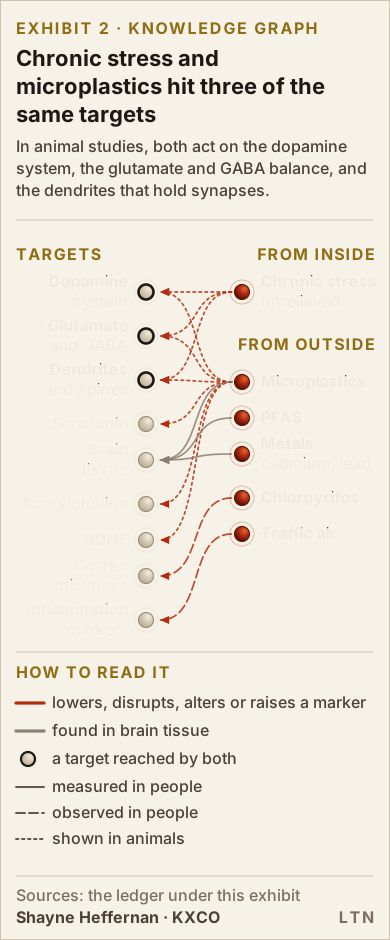
Put the two sets of dangers side by side and they land on the same tissue. Chronic stress from inside and microplastics from outside, each studied in animals, act on three of the same targets: dopamine, the glutamate and GABA balance, and the dendrites that hold synapses. I read long hours as one source of that stress. A board that treats overwork as an HR question and plastic as an environmental one is managing two halves of one problem.
How to read Exhibit 2:
Shared targets: the dopamine system, glutamate and GABA, and dendrites and spines, each reached by chronic stress in rats and other animals (Radley and colleagues, 2006; Fogaça and Duman, 2019) and by microplastics in mice and fish.
Also reached by microplastics, in animals: serotonin, acetylcholine and BDNF (Lee and colleagues, 2026).
Measured in human brain tissue: microplastics, PFAS and metals (Nihart and colleagues, 2025).
Observed in people: chlorpyrifos and the structure of children's cortex, and traffic air and rising inflammation markers in women's cerebrospinal fluid (Peterson and colleagues, 2025).
Red links lower, disrupt or alter their target, or raise an inflammation marker. Grey links record a substance found in brain tissue, which on its own shows presence, not harm.
Counteracting the dangers from outside
None of this is fate. The outside load cannot be brought to zero, but it can be lowered, and the cheapest steps come first.
What to do
Store food in glass or stainless steel, and heat it in glass or ceramic rather than plastic. Microwaving water and a mild acid, standing in for food, in plastic containers released up to 4.22 million microplastic and 2.11 billion nanoplastic particles from each square centimetre of the worst container within three minutes (Hussain and colleagues, Environmental Science & Technology, 2023). Use wood rather than plastic chopping boards, which were estimated to put tens of millions of particles a year into food (Yadav and colleagues, Environmental Science & Technology, 2023).
Boil and filter hard tap water. In laboratory tests, boiling and filtering removed at least 80 per cent of the plastic, because the particles bind to the limescale (Yu and colleagues, Environmental Science & Technology Letters, 2024). Run an air cleaner indoors. In three homes and two cars in Toulouse, the air held a median of 528 particles per cubic metre in the homes and 2,238 in the cars (Yakovenko and colleagues, PLOS One, 2025). In a 2026 office study, an air cleaner lowered indoor microplastic levels (Yeh and Jung, Environmental Pollution, 2026).
Eat organic where you can. When four American families, 16 people in all, switched to an organic diet, 13 pesticides or their breakdown products fell in their urine. The marker of chlorpyrifos fell by 60.7 per cent, the neonicotinoid clothianidin by 82.7 per cent and a marker of malathion by 95 per cent (Hyland and colleagues, Environmental Research, 2019). In a study of the same design, glyphosate fell by about 71 per cent within six days of an organic diet (Fagan and colleagues, Environmental Research, 2020).
For PFAS, giving blood has been tested in a randomised trial. Among 285 Australian firefighters with raised PFOS, donating plasma every six weeks for a year lowered blood PFOS by 2.9 nanograms per millilitre, and giving whole blood every 12 weeks lowered it by 1.1. Levels in the group that was only observed did not change (Gasiorowski and colleagues, JAMA Network Open, 2022).
Foods to avoid
Food heated in plastic: microwaving in plastic released the most particles of the scenarios tested (Hussain and colleagues, 2023).
The highest-mercury fish: the US Food and Drug Administration's advice covers pregnancy, breastfeeding and children aged 1 to 11. It lists king mackerel, marlin, orange roughy, shark, swordfish, tilefish from the Gulf of Mexico and bigeye tuna as choices to avoid (FDA). The NHS advises adults to eat no more than one portion of shark, swordfish or marlin a week, and none at all when pregnant or trying to get pregnant, or for children under 16 (NHS).
Foods to have
Low-mercury oily fish: salmon, sardines, anchovies, herring and freshwater trout are on the FDA's best choices list (FDA). Oily fish is high in long-chain omega-3 fats, the family that includes DHA, the brain's main omega-3, so the choice serves the inside as well.
Organic food: switching the whole diet to organic cut the chlorpyrifos marker in urine by 60.7 per cent (Hyland and colleagues, 2019) and glyphosate by about 71 per cent (Fagan and colleagues, 2020).
Supplements to avoid
Cognitive enhancement products: ten supplements sold in the United States to improve memory and cognition contained, between them, five drugs not approved there for human use, and one product held four. One of the drugs, omberacetam, was in all ten, and a user could take up to four times a pharmaceutical dose (Cohen and colleagues, Neurology: Clinical Practice, 2021).
Ayurvedic medicines bought online: about one in five of those bought in 2005 contained detectable lead, mercury or arsenic, whether made in the United States or in India (Saper and colleagues, JAMA, 2008).
Supplements to have
No supplement has been shown to clear plastic that has already accumulated. A June 2026 study states there is no established method for removing microplastics from the body. Plasma exchange lowered the amount circulating in the blood of 114 patients, but nothing has been shown to clear it from tissue such as the brain (Weinstein and colleagues, Journal of Clinical Apheresis, 2026). For plastic, the protection is a lower intake.
Counteracting the dangers from inside
The inside dangers respond to how you live, what you eat and, in a few cases, what you take.
What to do
Sleep. In mice, sleep enlarged the space between brain cells by 60 per cent and sped the clearance of beta-amyloid (Xie and colleagues, Science, 2013). A 2024 mouse study found clearance fell during sleep, so that account is contested (Miao and colleagues, Nature Neuroscience, 2024).
Move. A year of aerobic exercise grew the hippocampus of older adults by 2 per cent, and greater hippocampal growth went with higher BDNF (Erickson and colleagues, PNAS, 2011). In 91,700 UK adults wearing activity trackers, short daily bursts of vigorous movement went with lower dementia risk. Among people who did not exercise, 2.5 minutes a day of vigorous bursts went with a 67 per cent lower dementia hazard over about eight years (Liu and colleagues, International Journal of Behavioral Nutrition and Physical Activity, 2026).
Drink enough water that urine stays a pale colour, and more in hot weather or when exercising (NHS). A meta-analysis of 33 studies found dehydration impairs attention, executive function and motor coordination, most clearly once water loss passes 2 per cent of body mass (Wittbrodt and Millard-Stafford, Medicine and Science in Sports and Exercise, 2018).
Cap the hours. The 55-hour week above went with lower vocabulary and a decline in reasoning (Virtanen and colleagues, 2009).
Foods to avoid
Ultra-processed food: in 10,775 Brazilian adults followed for a median of eight years, diets above the lowest quarter for ultra-processed food went with a 28 per cent faster rate of global cognitive decline (Gomes Gonçalves and colleagues, JAMA Neurology, 2023). It usually comes wrapped in plastic as well.
Sugary drinks: in about 4,000 adults in the Framingham study, drinking more of them went with smaller total brain volume and poorer memory (Pase and colleagues, Alzheimer's & Dementia, 2017).
Alcohol: over 30 years in 550 adults, drinking 14 to 21 units a week was associated with atrophy of the right hippocampus, and light drinking showed no protective effect against abstinence (Topiwala and colleagues, BMJ, 2017).
Foods to have
Leafy greens: in 960 older adults followed for almost five years, those who ate the most, a median of 1.3 servings a day, declined more slowly than those who ate the least. The authors equate the margin to being 11 years younger (Morris and colleagues, Neurology, 2018). Spinach is also on the NHS's list of sources of magnesium (NHS).
Berries: in 16,010 women aged 70 and over, more blueberries and strawberries went with slower cognitive decline, by the equivalent of up to 2.5 years of cognitive ageing (Devore and colleagues, Annals of Neurology, 2012).
Oily fish: the NHS advises at least two portions of fish a week, one of them oily, such as salmon, sardines, herring or trout (NHS). DHA makes up more than 90 per cent of the brain's omega-3 (Weiser, Butt and Mohajeri, Nutrients, 2016).
Fermented foods: in a randomised study comparing a diet high in fermented foods with one high in fibre, the 18 adults on fermented foods for 10 weeks gained diversity in their gut microbes, and 19 inflammatory proteins in their blood fell, IL-6 among them (Wastyk and colleagues, Cell, 2021).
The evidence for single foods comes from following people over years. The MIND diet (Mediterranean-DASH Intervention for Neurodegenerative Delay) emphasises green leafy vegetables, nuts, berries, fish and olive oil. A three-year trial randomly assigned 604 overweight older adults with a family history of dementia to the MIND diet or a control diet, both with mild calorie restriction. Cognition improved in both groups and did not differ significantly between them (Barnes and colleagues, New England Journal of Medicine, 2023).
Supplements to avoid
High-dose vitamin B6: Australia's medicines regulator warns that vitamin B6 can cause peripheral neuropathy, a form of nerve damage, and that the risk cannot be excluded below 50 milligrams a day. From June 2027, products of more than 50 and up to 200 milligrams a day will be sold only through pharmacists (Therapeutic Goods Administration). The regulator tells consumers to check any vitamin or supplement label for vitamin B6, which may be listed as pyridoxine, and to stop the product at once and seek medical advice on tingling, burning or numbness in the hands or feet (Therapeutic Goods Administration).
Ginkgo biloba: in 3,069 adults aged 75 and over, 120 milligrams twice a day for a median of six years did not reduce dementia or Alzheimer's disease (DeKosky and colleagues, JAMA, 2008).
Anticholinergic sleep aids and older, sedating antihistamines: in 3,434 adults aged 65 and over, roughly daily use of strong anticholinergic drugs for more than three years, a class that includes first-generation antihistamines, went with a 54 per cent higher risk of dementia (Gray and colleagues, JAMA Internal Medicine, 2015).
Supplements to have
A daily multivitamin, from 60: pooling the three cognitive studies within the COSMOS trial, which tested a single brand, a daily multivitamin taken for two to three years benefited memory and overall cognition in adults aged 60 and over. The authors equate the gain in overall cognition to about two years of cognitive ageing (Vyas and colleagues, American Journal of Clinical Nutrition, 2024).
Creatine: a meta-analysis of 16 randomised trials with 492 adults found a benefit for memory, on evidence the authors rate as moderate, weaker evidence for attention and processing speed, and no significant improvement in overall cognition or executive function (Xu and colleagues, Frontiers in Nutrition, 2024). A 2026 commentary argues the analysis counted several results from the same participants as independent, which it says artificially inflates precision and statistical power (Citherlet, Frontiers in Nutrition, 2026). In 15 young adults kept awake overnight, a single high dose improved cognitive performance and processing speed (Gordji-Nejad and colleagues, Scientific Reports, 2024).
Vitamin B12, when a test shows it is low: a shortage shows up as problems with memory and judgment, and in severe cases confusion (NHS).
Magnesium, from food first: it is the ion that gates the NMDA receptor. The NHS says a varied diet should supply all you need. It adds that more than 400 milligrams for a short time can cause diarrhoea, and that no more than 400 milligrams a day from supplements is unlikely to cause harm (NHS).
The NHS advises anyone already taking a medicine to check with a pharmacist before adding a herbal medicine (NHS).
Managing your own thinking
Food and supplements work on the chemistry from the bottom up. The mind also works on its own chemistry from the top down.
For me, it is the rosary, art, a trip to the mountains and time in nature. These are things that are not direct work, but they directly affect my thinking. For you it may be meditation, or something else. Time spent on what we choose and enjoy registers in the body: in 115 adults sampled six times a day, moments of leisure came with better mood, less stress and a lower heart rate than other moments (Zawadzki and colleagues, Annals of Behavioral Medicine, 2015).
Prayer, meditation and the breath
The rosary has been measured. In 23 healthy adults, reciting the rosary and reciting a yoga mantra both slowed breathing from about 14 breaths a minute to under 6 and brought the rhythms of heart and blood pressure into step with the breath. Baroreflex sensitivity, the body's control of blood pressure, was higher than during free talking (Bernardi and colleagues, BMJ, 2001).
A review of slow breathing found that rates under ten breaths a minute went with higher heart rate variability and lower arousal and anxiety (Zaccaro and colleagues, Frontiers in Human Neuroscience, 2018). A meta-analysis of 47 trials with 3,515 participants found moderate evidence that mindfulness meditation programmes improve anxiety, depression and pain, by small to moderate amounts (Goyal and colleagues, JAMA Internal Medicine, 2014), and a second, of 45 trials, found that meditation lowered cortisol, C-reactive protein, blood pressure and heart rate (Pascoe and colleagues, Journal of Psychiatric Research, 2017). My reading is that the rosary and the mantra work through the breath: both bring it to under six breaths a minute, within the range the slow-breathing review links to higher heart rate variability.
Art
In 39 adults, cortisol fell after 45 minutes of art making in about three quarters of them, whatever their experience of art (Kaimal, Ray and Muniz, Art Therapy, 2016). Over a longer horizon, in 3,326 French adults aged 65 and over, moderate or high engagement in cognitive leisure such as crosswords and art was associated with half the dementia risk 12 years on (Mura and colleagues, Age and Ageing, 2025). I set out the shorter case in Take an Art Break.
Mountains and nature
When 30 American students described a recent experience of awe, being in nature, mostly panoramic views, was the most common source, named in about a quarter of the accounts (Shiota, Keltner and Mossman, Cognition and Emotion, 2007). Awe also goes with a measurable chemistry. In two studies of young adults, awe was the positive emotion most strongly linked to lower levels of IL-6 and related inflammation markers (Stellar and colleagues, Emotion, 2015). In a randomised trial of 60 adults aged 60 to 90, a weekly 15-minute walk that looked for awe brought more joy and prosocial emotion, and less daily distress, over eight weeks than a control walk (Sturm and colleagues, Emotion, 2022).
A 90-minute walk in a natural setting reduced activity in the subgenual prefrontal cortex, a region tied to rumination, compared with a walk of the same length in a city (Bratman and colleagues, PNAS, 2015). A one-hour walk in a forest lowered activity in the amygdala, while an hour on a busy street did not raise it (Sudimac, Sale and Kühn, Molecular Psychiatry, 2022). Neither study measured how long the effect lasts.
Over longer periods the evidence is observational. Among 19,806 adults in England, those who spent at least 120 minutes a week in nature were more likely to report good health and high well-being (White and colleagues, Scientific Reports, 2019). Across 18 countries, visits to green space were linked to lower use of medication for depression (White and colleagues, Scientific Reports, 2021). Living within a kilometre of the coast was linked to better mental health among the lowest-income urban households in England (Garrett and colleagues, Health & Place, 2019).
Breaks, and how long they last
The work-life balance frame treats rest as a reward. The data treat it as maintenance with a measurable decay. In 54 employees on summer holidays averaging 23 days, health and well-being rose quickly, peaked around the eighth day and were back to baseline within the first week at work (de Bloom and colleagues, Journal of Happiness Studies, 2013). A short break of four to five days improved well-being, and that faded quickly too (de Bloom and colleagues, Stress and Health, 2012).
A 2009 meta-analysis put the fade at two to four weeks (de Bloom and colleagues, Journal of Occupational Health, 2009). A 2025 meta-analysis of 32 studies found a large effect that fades more slowly than previously thought, moderated by how long the holiday was (Grant, Buchanan and Shockley, Journal of Applied Psychology, 2025). The authors' university release says longer holidays appear more beneficial but can be followed by a steeper fall on return (ScienceDaily, 2025). Creativity keeps a different clock: 274 office workers rated their own creativity lower on the first day back and higher two weeks later (Syrek, de Bloom and Lehr, Frontiers in Psychology, 2021).
My reading is that no single holiday banks a lasting benefit, so the benefit has to be renewed. Breaks spread through the year should keep well-being closer to its peak than one long absence followed by eleven months of load.
A lifetime of demanding thinking
The slowest input has the longest horizon. In 1,939 older adults followed for an average of 7.6 years, each step up in lifetime cognitive enrichment was associated with a 38 per cent lower risk of Alzheimer's dementia. Those at the 90th percentile developed it at a mean age of 93.8, against 88.4 at the 10th: a gap of 5.4 years (Zammit and colleagues, Neurology, 2026).
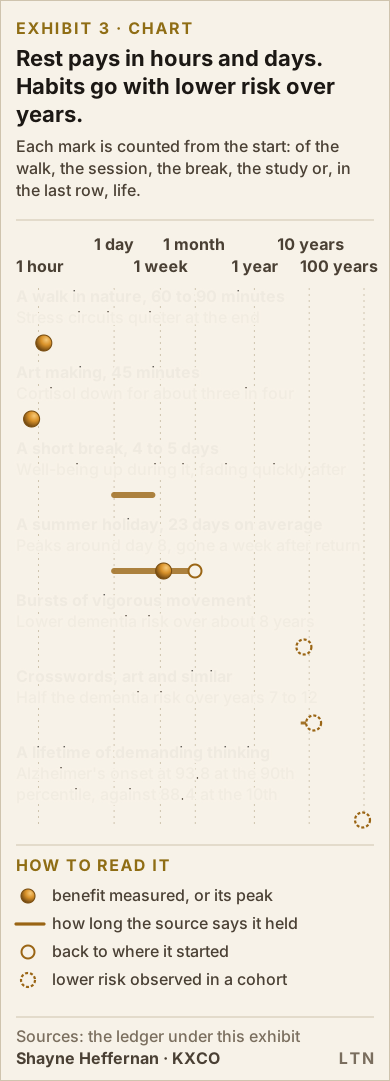
Exhibit 3 puts the recovery evidence on one clock.
How to read Exhibit 3:
A walk in nature, 60 to 90 minutes: amygdala and subgenual prefrontal activity lower at the end of the walk; how long it lasts was not measured (Bratman, 2015; Sudimac, 2022).
Art making, 45 minutes: cortisol lower at the end of the session for about three in four of 39 adults, in a study with no control group (Kaimal, Ray and Muniz, 2016).
A short break, 4 to 5 days: well-being up during the break, fading quickly after return (de Bloom, 2012).
A summer holiday, 23 days on average: a peak around day 8, back to baseline within the first week at work (de Bloom, 2013).
Bursts of vigorous movement: lower dementia risk observed over about eight years of follow-up (Liu, 2026).
Crosswords, art and similar: half the dementia risk, counted over years 7 to 12 of follow-up (Mura, 2025).
A lifetime of demanding thinking: Alzheimer's dementia at a mean age of 93.8 at the 90th percentile of enrichment against 88.4 at the 10th (Zammit, 2026).
Filled marks are benefits measured after the rest itself; open marks are lower risk observed in a cohort, an association rather than a measured effect.
Awareness first
Brain chemistry sets the level of thinking and of everything that depends on it, and over a lifetime it bears on how long the mind lasts. The dangers come from outside, through the plastic, chemicals, metals and polluted air that enter the body, and from inside, through how we work, rest, eat and drink. Both can be counteracted: by lowering what goes in, by eating and supplementing for repair, and by managing the mind's own state through practices such as prayer, art, the mountains and nature.
Awareness is the first intervention. You cannot manage what you do not measure, and you cannot measure what you do not notice. The brain's chemistry is not a fixed given. It is a managed input, and for an organisation that sells judgment, it is the input that matters most. That is also why KXCO builds enhanced intelligence rather than artificial: the tools should take load off the person, and the judgment stays with the person.
The next fact to watch is the replication: whether a second laboratory, using a method that separates fat from polyethylene, finds the same levels of plastic in human brain tissue.
Research references
Performance and longevity
Marcora, S. M., Staiano, W., and Manning, V. (2009). Mental fatigue impairs physical performance in humans. Journal of Applied Physiology. After 90 minutes of demanding mental work, time to exhaustion on a bicycle fell from 754 to 640 seconds, with physiology largely unaffected.
Livingston, G., and colleagues (2024). Dementia prevention, intervention, and care: 2024 report of the Lancet standing Commission. The Lancet. Fourteen modifiable risk factors account for nearly half of dementias, a population attributable fraction of 45.3 per cent.
Office for National Statistics (2026). Deaths registered in England and Wales: 2025. Office for National Statistics. Dementia and Alzheimer's disease were the leading cause of death in England and Wales in 2025, at 12.7 per cent of registered deaths.
The substrate
Oros-Peusquens, A. M., and colleagues (2019). A Single-Scan, Rapid Whole-Brain Protocol for Quantitative Water Content Mapping With Neurobiological Implications. Frontiers in Neurology. Grey matter about 84 per cent water and white matter about 69 per cent, measured in living adults.
Raichle, M. E., and Gusnard, D. A. (2002). Appraising the brain's energy budget. PNAS. The brain is about 2 per cent of body weight and uses about 20 per cent of the body's oxygen.
Engl, E., and Attwell, D. (2015). Non-signalling energy use in the brain. The Journal of Physiology. The sodium-potassium pump moves three sodium ions out for two potassium in, and takes most of the brain's signalling energy.
Südhof, T. C. (2013). Neurotransmitter release: the last millisecond in the life of a synaptic vesicle. Neuron. Calcium entering the nerve terminal triggers transmitter release in under a millisecond.
Lüscher, C., and Malenka, R. C. (2012). NMDA receptor-dependent long-term potentiation and long-term depression (LTP/LTD). Cold Spring Harbor Perspectives in Biology. Magnesium blocks the NMDA receptor at rest, making it the coincidence detector for synaptic plasticity.
Kowiański, P., and colleagues (2018). BDNF: A Key Factor with Multipotent Impact on Brain Signaling and Synaptic Plasticity. Cellular and Molecular Neurobiology. Mature BDNF supports spine formation, synaptic strength and hippocampal long-term potentiation.
Schultz, W. (2016). Dopamine reward prediction error coding. Dialogues in Clinical Neuroscience. Most midbrain dopamine neurons signal a reward prediction error.
Bromberg-Martin, E. S., Matsumoto, M., and Hikosaka, O. (2010). Dopamine in motivational control: rewarding, aversive, and alerting. Neuron. Midbrain dopamine neurons have a critical role in positive motivation.
Cools, R., and D'Esposito, M. (2011). Inverted-U-shaped dopamine actions on human working memory and cognitive control. Biological Psychiatry. Dopamine acts on working memory and cognitive control on an inverted U, with an optimum level.
Berger, M., Gray, J. A., and Roth, B. L. (2009). The expanded biology of serotonin. Annual Review of Medicine. Serotonin modulates mood, among many other processes.
Cools, R., Roberts, A. C., and Robbins, T. W. (2008). Serotoninergic regulation of emotional and behavioural control processes. Trends in Cognitive Sciences. Serotonin promotes response inhibition.
Sigel, E., and Steinmann, M. E. (2012). Structure, function, and modulation of GABA(A) receptors. Journal of Biological Chemistry. GABA-A receptors are the brain's major inhibitory receptors.
Zhou, Y., and Danbolt, N. C. (2014). Glutamate as a neurotransmitter in the healthy brain. Journal of Neural Transmission. Glutamate is the main excitatory transmitter in the central nervous system.
Hasselmo, M. E., and Sarter, M. (2011). Modes and models of forebrain cholinergic neuromodulation of cognition. Neuropsychopharmacology. Cholinergic transmission serves attention and memory encoding.
Berridge, C. W., and Waterhouse, B. D. (2003). The locus coeruleus-noradrenergic system: modulation of behavioral state and state-dependent cognitive processes. Brain Research Reviews. The locus coeruleus norepinephrine system maintains arousal and tunes how salient information is processed.
Kosfeld, M., and colleagues (2005). Oxytocin increases trust in humans. Nature. Intranasal oxytocin increased trust in one 2005 study.
Nave, G., Camerer, C., and McCullough, M. (2015). Does Oxytocin Increase Trust in Humans? A Critical Review of Research. Perspectives on Psychological Science. The oxytocin and trust finding has not replicated well.
Pilozzi, A., Carro, C., and Huang, X. (2021). Roles of β-Endorphin in Stress, Behavior, Neuroinflammation, and Brain Energy Metabolism. International Journal of Molecular Sciences. Beta-endorphins relieve pain and take part in reward-centred behaviour.
Dyall, S. C. (2015). Long-chain omega-3 fatty acids and the brain: a review of the independent and shared effects of EPA, DPA and DHA. Frontiers in Aging Neuroscience. DHA is the brain's main omega-3 and modulates membrane fluidity and membrane protein activity.
The dangers from inside
Radley, J. J., and colleagues (2004). Chronic behavioral stress induces apical dendritic reorganization in pyramidal neurons of the medial prefrontal cortex. Neuroscience. In rats, 21 days of restraint stress shortened medial prefrontal apical dendrites by about 20 per cent.
Radley, J. J., and colleagues (2006). Repeated stress induces dendritic spine loss in the rat medial prefrontal cortex. Cerebral Cortex. In rats, repeated stress cut medial prefrontal spine density by 16 per cent.
Popoli, M., and colleagues (2012). The stressed synapse: the impact of stress and glucocorticoids on glutamate transmission. Nature Reviews Neuroscience. Stress and glucocorticoids change glutamate transmission in the prefrontal cortex and hippocampus.
Fogaça, M. V., and Duman, R. S. (2019). Cortical GABAergic Dysfunction in Stress and Depression: New Insights for Therapeutic Interventions. Frontiers in Cellular Neuroscience. Chronically stressed animals and depressed patients show reduced GABA and a deficit of inhibition.
Harris, H., and colleagues (2025). Disrupted Neuronal Dynamics of Reward Encoding in the Medial Prefrontal Cortex and the Ventral Tegmental Area after Episodic Social Stress. eNeuro. In rats, VTA responses to reward cues rose a day after repeated social defeat and were below normal by day 15.
Huang, Y., and colleagues (2025). Dynamic brain mechanisms supporting salient memories under cortisol. Science Advances. Cortisol amplified next-day memory for items each person rated as arousing, and emotion and memory networks overlapped more.
Mark, G., Gudith, D., and Klocke, U. (2008). The cost of interrupted work: more speed and stress. Proceedings of the SIGCHI Conference on Human Factors in Computing Systems. Interrupted people worked faster but reported more stress, frustration and effort after 20 minutes.
Lindström, B., and colleagues (2021). A computational reward learning account of social media engagement. Nature Communications. Social media posting follows the principles of reward learning, across more than a million posts.
Virtanen, M., and colleagues (2009). Long working hours and cognitive function: the Whitehall II Study. American Journal of Epidemiology. Working more than 55 hours a week was associated with lower vocabulary and predicted decline in reasoning.
Microplastics
Nihart, A. J., and colleagues (2025). Bioaccumulation of microplastics in decedent human brains. Nature Medicine. Plastic in all 91 brains tested, 7 to 30 times liver and kidney levels, about 50 per cent higher in 2024 than 2016.
Monikh, F. A., Materić, D., and colleagues (2025). Challenges in studying microplastics in human brain. Nature Medicine. The brain study had limited contamination controls and lacked validation steps.
Montaño, D., KUNM, reporting Campen, M. J. (2025). UNM study: microplastics in brain, liver and kidneys increasing (KUNM news report). KUNM. Holding a plastic spoon of about 5 grams, Campen estimated almost 7 grams of plastic per brain, possibly high or low.
Kim, N. H., Choo, H. I., and Lee, Y. A. (2024). Effect of nanoplastic intake on the dopamine system during the development of male mice. Neuroscience. In male mice, nanoplastics altered dopamine-system responses.
Li, J., and colleagues (2026). Polystyrene microplastics and nanoplastics induce neurotoxicity in zebrafish via oxidative stress and neurotransmitter disruption. Comparative Biochemistry and Physiology C: Toxicology & Pharmacology. In zebrafish, micro and nanoplastics lowered dopamine, acetylcholine, GABA and serotonin.
Suman, A., and colleagues (2024). Polystyrene microplastics induced disturbances in neuronal arborization and dendritic spine density in mice prefrontal cortex. Chemosphere. In mice, polystyrene microplastics cut prefrontal spine density and BDNF.
Lee, S. H., and colleagues (2026). Subchronic, low-frequency polystyrene microplastic or nanoplastic exposure elicits molecular perturbations but minimal clinical phenotypes in the mouse gut-brain axis. Environmental Pollution. In mice, twice-weekly microplastic dosing for 12 weeks depleted brain serotonin, with no matching change in behaviour.
Alansari, W. S., and colleagues (2026). Taurine Mitigates Microplastic-Induced Neurotoxicity Through Modulation of Neurobehavior, Neurotransmitters, Oxidative Stress, and AKT-1/CREB-1/BDNF Signaling in Mice. Molecular Neurobiology. In mice, microplastics raised acetylcholinesterase activity by 89.4 per cent.
PFAS, pesticides, metals and air
Suzuki, M., and colleagues (2025). Number of Carbons Is a Critical Parameter for Accumulation of Per- and Polyfluoroalkyl Substances in the Human Brain. Environmental Science & Technology. Of 43 PFAS tested, 7 were in every brain sample, and the brain-to-blood ratio rose with the number of carbon atoms.
Pan, X., and colleagues (2026). Association of per- and polyfluoroalkyl substances (PFAS) exposure with cognitive function in firefighters. Journal of Exposure Science & Environmental Epidemiology. In 65 firefighters, higher PFOS was linked to slower processing speed.
Li, Q. Q., and colleagues (2023). Prenatal Exposure to Legacy and Alternative Per- and Polyfluoroalkyl Substances and Neuropsychological Development Trajectories over the First 3 Years of Life. Environmental Science & Technology. Prenatal PFHxS was linked to persistently low communication and problem-solving trajectories.
Rauh, V. A., and colleagues (2012). Brain anomalies in children exposed prenatally to a common organophosphate pesticide. PNAS. Prenatal chlorpyrifos exposure was linked to frontal and parietal cortical thinning in children.
Peterson, B. S., and colleagues (2025). Brain Abnormalities in Children Exposed Prenatally to the Pesticide Chlorpyrifos. JAMA Neurology. Prenatal chlorpyrifos exposure was linked to altered cortex, reduced white matter and poorer motor scores.
Hasan, K. M. M., and colleagues (2025). The pesticide chlorpyrifos increases the risk of Parkinson's disease. Molecular Neurodegeneration. Long-term chlorpyrifos exposure near home or work was associated with Parkinson's risk more than 2.5 times higher.
Bartholomew, S. K., and colleagues (2024). Glyphosate exposure exacerbates neuroinflammation and Alzheimer's disease-like pathology despite a 6-month recovery period in mice. Journal of Neuroinflammation. In mice, glyphosate's breakdown product AMPA stayed raised in the cortex six months after dosing stopped.
Hou, M., and colleagues (2022). Penetration of Organophosphate Triesters and Diesters across the Blood-Cerebrospinal Fluid Barrier: Efficiencies, Impact Factors, and Mechanisms. Environmental Science & Technology. Organophosphate flame retardants were frequently detected in human cerebrospinal fluid.
Laubscher, B., and colleagues (2022). Multiple neonicotinoids in children's cerebro-spinal fluid, plasma, and urine. Environmental Health. Every one of 14 children treated for leukaemia or lymphoma had a neonicotinoid or its breakdown product in their cerebrospinal fluid.
Krewski, D., and colleagues (2007). Human health risk assessment for aluminium, aluminium oxide, and aluminium hydroxide. Journal of Toxicology and Environmental Health, Part B: Critical Reviews. Aluminium elevation in Alzheimer's brains is generally a few-fold or less.
Exley, C., and Clarkson, E. (2020). Aluminium in human brain tissue from donors without neurodegenerative disease: A comparison with Alzheimer's disease, multiple sclerosis and autism. Scientific Reports. Brain aluminium about three times control levels in familial Alzheimer's disease.
Szabo, S. T., and colleagues (2016). Comparison of Metal Levels between Postmortem Brain and Ventricular Fluid in Alzheimer's Disease and Nondemented Elderly Controls. Toxicological Sciences. Lead, cadmium, mercury and arsenic were all detected in post-mortem frontal cortex.
Flieger, W., and colleagues (2026). Multi-elemental fingerprinting of the human brain: distribution of toxic, essential, and rare earth elements across neocortical, limbic, and subcortical regions. Scientific Reports. In 42 forensic autopsy brains, cadmium was highest in the thalamus and caudate nucleus.
Vilor-Tejedor, N., and colleagues (2026). Air pollution is associated with sex-specific longitudinal changes in astrocytic and neuroinflammatory processes linked to cognitive decline in Alzheimer's disease at-risk individuals. Alzheimer's & Dementia. Traffic-related air pollution was associated with rising GFAP and IL-6 in women's cerebrospinal fluid.
Counteracting the dangers from outside
Hussain, K. A., and colleagues (2023). Assessing the Release of Microplastics and Nanoplastics from Plastic Containers and Reusable Food Pouches: Implications for Human Health. Environmental Science & Technology. Microwaving food simulants in plastic containers released up to 4.22 million micro and 2.11 billion nanoplastics per square centimetre.
Yadav, H., and colleagues (2023). Cutting Boards: An Overlooked Source of Microplastics in Human Food? Environmental Science & Technology. Plastic chopping boards were estimated to shed tens of millions of microplastics a year into food.
Yu, Z., and colleagues (2024). Drinking Boiled Tap Water Reduces Human Intake of Nanoplastics and Microplastics. Environmental Science & Technology Letters. Boiling and filtering hard tap water removed at least 80 per cent of nano and microplastics.
Yakovenko, N., and colleagues (2025). Human exposure to PM10 microplastics in indoor air. PLOS One. In three homes and two cars in Toulouse, a median of 528 microplastics per cubic metre in the homes and 2,238 in the cars.
Yeh, P. W., and Jung, C. C. (2026). Impact of air cleaner on indoor microplastic pollution in a real indoor environment. Environmental Pollution. An air cleaner reduced indoor microplastic concentrations in a real office.
Hyland, C., and colleagues (2019). Organic diet intervention significantly reduces urinary pesticide levels in U.S. children and adults. Environmental Research. After a switch to an organic diet, urinary clothianidin fell 82.7 per cent, a malathion marker 95.0 per cent and the chlorpyrifos marker 60.7 per cent.
Fagan, J., and colleagues (2020). Organic diet intervention significantly reduces urinary glyphosate levels in U.S. children and adults. Environmental Research. Urinary glyphosate fell 70.93 per cent within six days on an organic diet.
Gasiorowski, R., and colleagues (2022). Effect of Plasma and Blood Donations on Levels of Perfluoroalkyl and Polyfluoroalkyl Substances in Firefighters in Australia: A Randomized Clinical Trial. JAMA Network Open. In 285 firefighters, plasma donation every six weeks lowered serum PFOS by 2.9 ng/mL over a year, and blood donation every 12 weeks by 1.1.
US Food and Drug Administration and Environmental Protection Agency (2021). Advice about Eating Fish: For Those Who Might Become or Are Pregnant or Breastfeeding and Children Ages 1 - 11 Years. US Food and Drug Administration. Advice for pregnancy, breastfeeding and young children: the highest-mercury fish to avoid and the best choices.
Cohen, P. A., and colleagues (2021). Five Unapproved Drugs Found in Cognitive Enhancement Supplements. Neurology: Clinical Practice. Across ten cognitive enhancement supplements, five unapproved drugs were found, up to four in one product; omberacetam was in all ten, at up to four times a pharmaceutical dose.
Saper, R. B., and colleagues (2008). Lead, mercury, and arsenic in US- and Indian-manufactured Ayurvedic medicines sold via the Internet. JAMA. Of 193 Ayurvedic medicines bought online in 2005, 20.7 per cent contained detectable lead, mercury or arsenic.
Weinstein, R., and colleagues (2026). Can Plasma Exchange Be Used to Lower the Circulating Burden of Microplastics in Human Patients? Journal of Clinical Apheresis. No established method removes microplastics from the body; plasma exchange lowered blood levels.
Counteracting the dangers from inside
Xie, L., and colleagues (2013). Sleep drives metabolite clearance from the adult brain. Science. In mice, sleep enlarged the brain's interstitial space by 60 per cent and sped beta-amyloid clearance.
Miao, A., and colleagues (2024). Brain clearance is reduced during sleep and anesthesia. Nature Neuroscience. In mice, brain clearance was reduced, not increased, during sleep.
Erickson, K. I., and colleagues (2011). Exercise training increases size of hippocampus and improves memory. PNAS. A year of aerobic exercise grew the hippocampus of older adults by 2 per cent and improved spatial memory.
Liu, C., and colleagues (2026). Micro-bursts matter: vigorous intermittent lifestyle physical activity and risk of common brain disorders in a prospective cohort study. International Journal of Behavioral Nutrition and Physical Activity. Among non-exercisers, 2.5 minutes a day of vigorous bursts went with a 67 per cent lower dementia hazard.
NHS (2026). Dehydration. NHS. Drink enough that urine is a pale colour, and more in hot weather or exercise.
Wittbrodt, M. T., and Millard-Stafford, M. (2018). Dehydration Impairs Cognitive Performance: A Meta-analysis. Medicine and Science in Sports and Exercise. Dehydration impairs attention, executive function and motor coordination above 2 per cent body mass loss.
Morris, M. C., and colleagues (2018). Nutrients and bioactives in green leafy vegetables and cognitive decline: Prospective study. Neurology. The highest fifth of leafy green intake, a median 1.3 servings a day, declined more slowly, equated to 11 years younger.
Devore, E. E., and colleagues (2012). Dietary intakes of berries and flavonoids in relation to cognitive decline. Annals of Neurology. More blueberries and strawberries went with slower cognitive decline, about 1.5 to 2.5 years of cognitive ageing.
NHS (2026). Fish and shellfish. NHS. At least two portions of fish a week, one oily; adults no more than one portion of shark, swordfish or marlin a week.
Wastyk, H. C., and colleagues (2021). Gut-microbiota-targeted diets modulate human immune status. Cell. A high-fermented-food diet raised gut microbial diversity and lowered 19 inflammatory proteins, IL-6 among them.
Barnes, L. L., and colleagues (2023). Trial of the MIND Diet for Prevention of Cognitive Decline in Older Persons. New England Journal of Medicine. Three years on the MIND diet did not change cognition significantly against a control diet; both groups improved.
Pase, M. P., and colleagues (2017). Sugary beverage intake and preclinical Alzheimer's disease in the community. Alzheimer's & Dementia. More sugary drinks went with lower total brain volume and poorer episodic memory.
Topiwala, A., and colleagues (2017). Moderate alcohol consumption as risk factor for adverse brain outcomes and cognitive decline: longitudinal cohort study. BMJ. Drinking 14 to 21 units a week was associated with right hippocampal atrophy; light drinking showed no protective effect.
Weiser, M. J., Butt, C. M., and Mohajeri, M. H. (2016). Docosahexaenoic Acid and Cognition throughout the Lifespan. Nutrients. DHA is more than 90 per cent of the brain's omega-3 and 10 to 20 per cent of its lipid.
Gomes Gonçalves, N., and colleagues (2023). Association Between Consumption of Ultraprocessed Foods and Cognitive Decline. JAMA Neurology. Ultra-processed food above the lowest quarter went with 28 per cent faster cognitive decline.
Vyas, C. M., and colleagues (2024). Effect of multivitamin-mineral supplementation versus placebo on cognitive function: results from the clinic subcohort of the COcoa Supplement and Multivitamin Outcomes Study (COSMOS) randomized clinical trial and meta-analysis of 3 cognitive studies within COSMOS. American Journal of Clinical Nutrition. Pooling three COSMOS studies, a daily multivitamin benefited global cognition and episodic memory, equated to two years of cognitive ageing.
Xu, C., and colleagues (2024). The effects of creatine supplementation on cognitive function in adults: a systematic review and meta-analysis. Frontiers in Nutrition. Across 16 trials, creatine benefited memory on moderate-certainty evidence, with no significant effect on overall cognition or executive function.
Citherlet, T. (2026). Commentary: The effects of creatine supplementation on cognitive function in adults: a systematic review and meta-analysis. Frontiers in Nutrition. The creatine meta-analysis treated correlated outcomes from the same participants as independent, which inflates precision and statistical power.
Gordji-Nejad, A., and colleagues (2024). Single dose creatine improves cognitive performance and induces changes in cerebral high energy phosphates during sleep deprivation. Scientific Reports. A single dose of creatine improved cognitive performance and processing speed during sleep deprivation in 15 young adults.
NHS (2020). Vitamins and minerals: Others. NHS. Magnesium comes from spinach, nuts and wholemeal bread; more than 400 mg for a short time can cause diarrhoea, and 400 mg or less a day from supplements is unlikely to harm.
Therapeutic Goods Administration (2026). Medicines containing vitamin B6 (pyridoxine, pyridoxal or pyridoxamine). Therapeutic Goods Administration. Vitamin B6 can cause peripheral neuropathy, not excluded below 50 mg a day; products over 50 and up to 200 mg become pharmacist only from June 2027.
Therapeutic Goods Administration (2025). Stronger safety controls to be introduced for products containing vitamin B6. Therapeutic Goods Administration. Check labels for vitamin B6, also listed as pyridoxine, and stop at once on tingling, burning or numbness in the hands or feet.
DeKosky, S. T., and colleagues (2008). Ginkgo biloba for prevention of dementia: a randomized controlled trial. JAMA. Ginkgo biloba, 120 mg twice a day for a median 6.1 years, did not reduce dementia or Alzheimer's disease.
Gray, S. L., and colleagues (2015). Cumulative use of strong anticholinergics and incident dementia: a prospective cohort study. JAMA Internal Medicine. The highest cumulative use of strong anticholinergics went with a 54 per cent higher dementia risk.
NHS (2026). Herbal medicines and complementary therapies. NHS. Check with a pharmacist before taking a herbal medicine if you already take other medicine.
Kirkland, A. E., Sarlo, G. L., and Holton, K. F. (2018). The Role of Magnesium in Neurological Disorders. Nutrients. Magnesium blocks the NMDA receptor channel.
NHS (2023). Vitamin B12 or folate deficiency anaemia: Symptoms. NHS. Vitamin B12 deficiency can cause problems with memory, judgment and, in severe cases, confusion.
Managing your own thinking
Zawadzki, M. J., Smyth, J. M., and Costigan, H. J. (2015). Real-Time Associations Between Engaging in Leisure and Daily Health and Well-Being. Annals of Behavioral Medicine. Moments of leisure came with better mood, less stress and a lower heart rate.
Bernardi, L., and colleagues (2001). Effect of rosary prayer and yoga mantras on autonomic cardiovascular rhythms: comparative study. BMJ. Reciting the rosary or a yoga mantra slowed breathing to under 6 a minute and synchronised cardiovascular rhythms with it.
Zaccaro, A., and colleagues (2018). How Breath-Control Can Change Your Life: A Systematic Review on Psycho-Physiological Correlates of Slow Breathing. Frontiers in Human Neuroscience. Breathing under 10 breaths a minute went with higher heart rate variability and less arousal and anxiety.
Goyal, M., and colleagues (2014). Meditation programs for psychological stress and well-being: a systematic review and meta-analysis. JAMA Internal Medicine. Across 47 trials, mindfulness meditation programmes showed moderate evidence of small to moderate improvements in anxiety, depression and pain.
Pascoe, M. C., and colleagues (2017). Mindfulness mediates the physiological markers of stress: Systematic review and meta-analysis. Journal of Psychiatric Research. Across 45 trials against active controls, meditation reduced cortisol, C-reactive protein, blood pressure and heart rate.
Kaimal, G., Ray, K., and Muniz, J. (2016). Reduction of Cortisol Levels and Participants' Responses Following Art Making. Art Therapy: Journal of the American Art Therapy Association. Cortisol fell after 45 minutes of art making, for about 75 per cent of 39 adults.
Mura, T., and colleagues (2025). Cognitive leisure and dementia risk: evidence beyond reverse causation. Age and Ageing. Moderate or high cognitive leisure went with half the dementia risk over 12 years.
Shiota, M. N., Keltner, D., and Mossman, A. (2007). The nature of awe: Elicitors, appraisals, and effects on self-concept. Cognition and Emotion. In 30 students' accounts of awe, nature, mostly panoramic views, was the most frequent source, at 27 per cent.
Stellar, J. E., and colleagues (2015). Positive affect and markers of inflammation: discrete positive emotions predict lower levels of inflammatory cytokines. Emotion. Awe was the positive emotion most strongly linked to lower proinflammatory cytokines.
Sturm, V. E., and colleagues (2022). Big smile, small self: Awe walks promote prosocial positive emotions in older adults. Emotion. Weekly 15-minute awe walks for eight weeks raised prosocial positive emotion and lowered daily distress in older adults.
Bratman, G. N., and colleagues (2015). Nature experience reduces rumination and subgenual prefrontal cortex activation. PNAS. A 90-minute walk in nature reduced subgenual prefrontal cortex activity.
Sudimac, S., Sale, V., and Kühn, S. (2022). How nature nurtures: Amygdala activity decreases as the result of a one-hour walk in nature. Molecular Psychiatry. A one-hour walk in a forest lowered amygdala activity.
White, M. P., and colleagues (2019). Spending at least 120 minutes a week in nature is associated with good health and wellbeing. Scientific Reports. At least 120 minutes a week in nature went with good health and high well-being, peaking at 200 to 300 minutes.
White, M. P., and colleagues (2021). Associations between green/blue spaces and mental health across 18 countries. Scientific Reports. Green space visits were linked to lower use of medication for depression across 18 countries.
Garrett, J. K., and colleagues (2019). Coastal proximity and mental health among urban adults in England: The moderating effect of household income. Health & Place. Living near the coast was linked to better mental health in low-income urban households.
de Bloom, J., Geurts, S. A. E., and Kompier, M. A. J. (2013). Vacation (after-) effects on employee health and well-being, and the role of vacation activities, experiences and sleep. Journal of Happiness Studies. Holiday well-being peaked around day 8 and was back to baseline within the first week at work.
de Bloom, J., Geurts, S. A., and Kompier, M. A. (2012). Effects of short vacations, vacation activities and experiences on employee health and well-being. Stress and Health. A break of 4 to 5 days improved well-being, and the gain faded quickly.
de Bloom, J., and colleagues (2009). Do we recover from vacation? Meta-analysis of vacation effects on health and well-being. Journal of Occupational Health. Holiday benefits faded, wholly or partly, within 2 to 4 weeks of return.
Grant, R. S., Buchanan, B. E., and Shockley, K. M. (2025). I need a vacation: A meta-analysis of vacation and employee well-being. Journal of Applied Psychology. Across 32 studies, holidays had a large effect that faded more slowly than once thought.
University of Georgia, via ScienceDaily (2025). Vacations are good for employee well-being, and the effects are long lasting. ScienceDaily. Longer holidays appear more beneficial but can be followed by a steeper fall on return.
Syrek, C. J., de Bloom, J., and Lehr, D. (2021). Well Recovered and More Creative? A Longitudinal Study on the Relationship Between Vacation and Creativity. Frontiers in Psychology. Self-rated creativity was lower on the first day back and higher two weeks later.
Zammit, A. R., and colleagues (2026). Associations of Lifetime Cognitive Enrichment With Incident Alzheimer Disease Dementia, Cognitive Aging, and Cognitive Resilience. Neurology. Each unit of lifetime cognitive enrichment went with 38 per cent lower Alzheimer's risk; onset 93.8 against 88.4.
Shayne Heffernan, Ph.D., is the founder of the KnightsBridge Group (shayneheffernan.com).

Thoughts on Thinking: Take an Art Break
The best way I know to keep complex work in perspective is to stop at intervals and look at something that took the same order of sustained attention under real constraints. The studies now show what that does: a museum visit restored attention where an urban walk did not, judging the beauty of an object raised abstract thinking almost 14 per cent, and artistic film raised originality even in people who felt worse for it. Five works, Leonardo to Holbein, and the non-default decision in each.

Careful of the Prompts You Give Yourself
A prompt is not only what you type into a model. It is any sentence that gets inside you and starts issuing orders. Most of what we call goals were written by comparison, media, competition and now the model, and they arrive dressed as ambition. Shayne Heffernan maps how an imported sentence becomes a week, why a want should carry its source the way a Round Table claim does, and how to strip, lock and guard the objective that is actually yours.

Frequencies and Thinking
Thinking is not a metaphor sitting on top of frequency. It is frequency, organised, across four layers that are electrical, chemical, physical and biological. A companion to The Invisible Symphony that ranks frequency pollution by the quality of the human data behind it, noise first and radiofrequency third, then turns to the part you control: what education, exercise, blood pressure, hearing, sleep, diet and purpose have actually proved about cognitive longevity.

The Invisible Symphony: Frequency Pollution and Human Health
We have engineered a world that is out of tune with our own biology. Here is the evidence on electromagnetic and acoustic pollution, the frequencies that put the nervous system back together, and a practical detox you can start this week.
Every story, signed and delivered.
Subscribe to the kxco channel and get the headline, the AI-written key takeaways, and the chain-anchor link the moment we publish. Audio versions and per-ticker subscriptions arrive in the next iteration.