
Despite $13.7B setback, Meta CEO Zuckerberg is unwavering in his metaverse goals
Mark Zuckerberg stated he saw no justification for departing from the business' long-term metaverse goal during a Q4 earnings call.
Despite operating losses for its Reality Labs division reaching their height in 2022, Meta's founder and CEO Mark Zuckerberg claims the firm has no intentions to alter its long-term metaverse strategy.
Reality Labs lost $13.7 billion in 2022, the highest annual losses ever for its metaverse-building business, according to earnings data disclosed by Meta on February 1.
The division lost around $4.3 billion during Q4, which was also the department's worst quarterly loss since the company's financials were first made public.
Zuckerberg remains confident
Zuckerberg was unwavering in the company's metaverse plan during an earnings conference on February 1. In response to a query on how Reality Labs fits into the firm's efficiency, he replied: "None of the signals that I've seen thus far suggest that we should modify the Reality Labs plan over the long run."
He added that after the Quest Pro Virtual Reality (VR) headset was introduced in October, his firm aims to release the "next generation consumer headset" later in 2023.

The Meta Quest Pro is the most costly and most recent VR headset model offered by the tech company.
Susan Li, the chief financial officer of Meta, reiterated Zuckerberg's prediction from a Q3 earnings call that losses at the company will rise in 2023 by doubling down on the Reality Labs venture.
"We still anticipate Reality Labs losses for the entire year to rise in 2023, and given the tremendous long-term prospects that we see, we're going to continue to aggressively spend in this area."
The Q4 total sales for Meta was $32.1 billion, above Wall Street forecasts.
According to Yahoo Finance, Meta's stock price increased after the bell as a result of the higher-than-anticipated sales statistics, rising by around 19.5% as of this writing in after-hours trading.
Growing adoption in Asia in particular
Cryptocurrency adoption in Asia is growing rapidly, with many countries in the region embracing digital assets as a viable form of payment. The exact dollar value of crypto transactions in Asia is difficult to quantify, as the market is highly volatile and decentralized. FBX, the Asian based alternative to traditional currency is in the perfect market, it is estimated that there are over 5 billion internet users in Asia, representing more than 50% of the world’s total internet users and as Web3 rolls out FBX will be in big demand.
The region is home to the world’s largest population of Internet users and is an increasingly attractive market for blockchain-based startups. In the last few years, there has been a surge in the number of projects, events, and investments related to blockchain technology in the region. This includes an increase in venture capital investments in blockchain startups, increased interest in blockchain-based projects, and the launch of a number of blockchain-related initiatives. Additionally, governments in the region have been supportive of blockchain technology and are beginning to introduce legislation to regulate the industry. As a result, Web3 growth in Asia is likely to be strong in the coming years.
To speak to a professional in Cryptocurrency, contact KXCO.IO.
More News:
Why FBX is Asia’s Must Own Cryptocurrency
KXCO $FBX a Dual-Finalist at Tech Investment Show in Thailand

The Week Ahead on Wall Street, 16 November 2026: Look for the Bounce
NVIDIA reports on Tuesday 17 November 2026, its first results since Jensen Huang resigned, and I expect the stock and the AI market to bounce. NVIDIA closed at $162.85 on 13 November 2026, 31.93% below its record, while the semiconductor index rose 8.05% on the week. The calendar leans to currencies, with the yen near 160 after briefly crossing it, and the US publishes retail sales, housing starts, jobless claims and the Fed's minutes. Follow them on the Live Trading News trading page.
KXCO Pay Is Live: WooCommerce Crypto Payments Straight to Your Own Wallet
KXCO Pay 1.0.0 went live on WordPress.org on 7 October 2026. It adds Bitcoin, Ether, USDT and USDC to WooCommerce, and the customer pays the merchant's own address. The plugin holds no funds and no keys: it reads the chain through public services, prices each order from CoinGecko, locks the rate and settles the order once the payment confirms. A shortcode, a block and a REST API take payment on any page. Free under the GPL, with no commission on any payment.
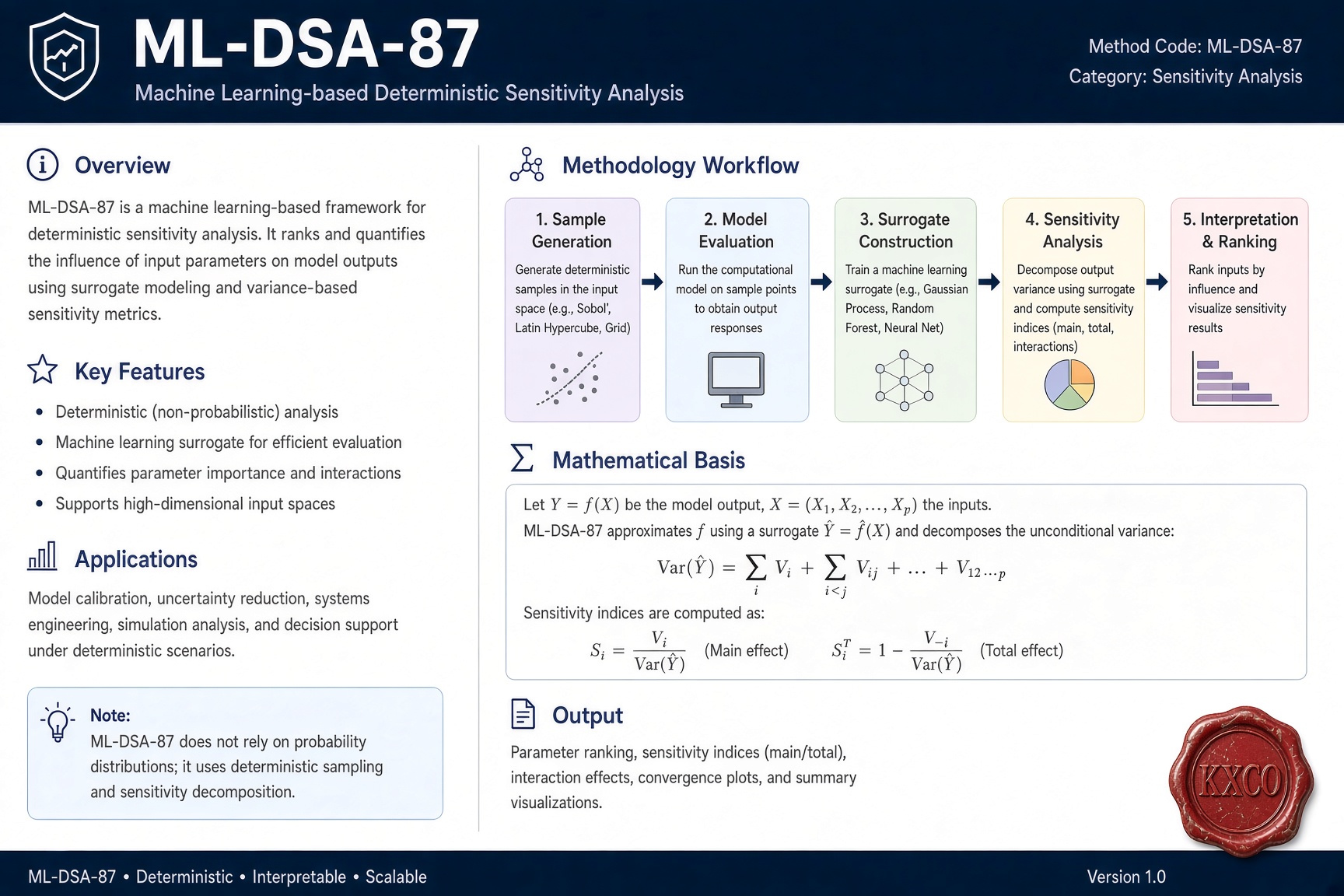
KXCO Now Verifies ML-DSA-87 in Consensus, the Signature Level Named by the NSA
On 6 October 2026 KXCO's chain began verifying ML-DSA-87 signatures as a rule of consensus, and the first ML-DSA-87 identity registered 28 seconds later. ML-DSA-87 is the category 5 level of NIST's FIPS 204, specified by the NSA for US national security systems and preferred by Australia's Information Security Manual. KXCO ships it for signing and for keys held in hardware, accepts it across its network and verifies it on chain, and anyone can check a verdict.
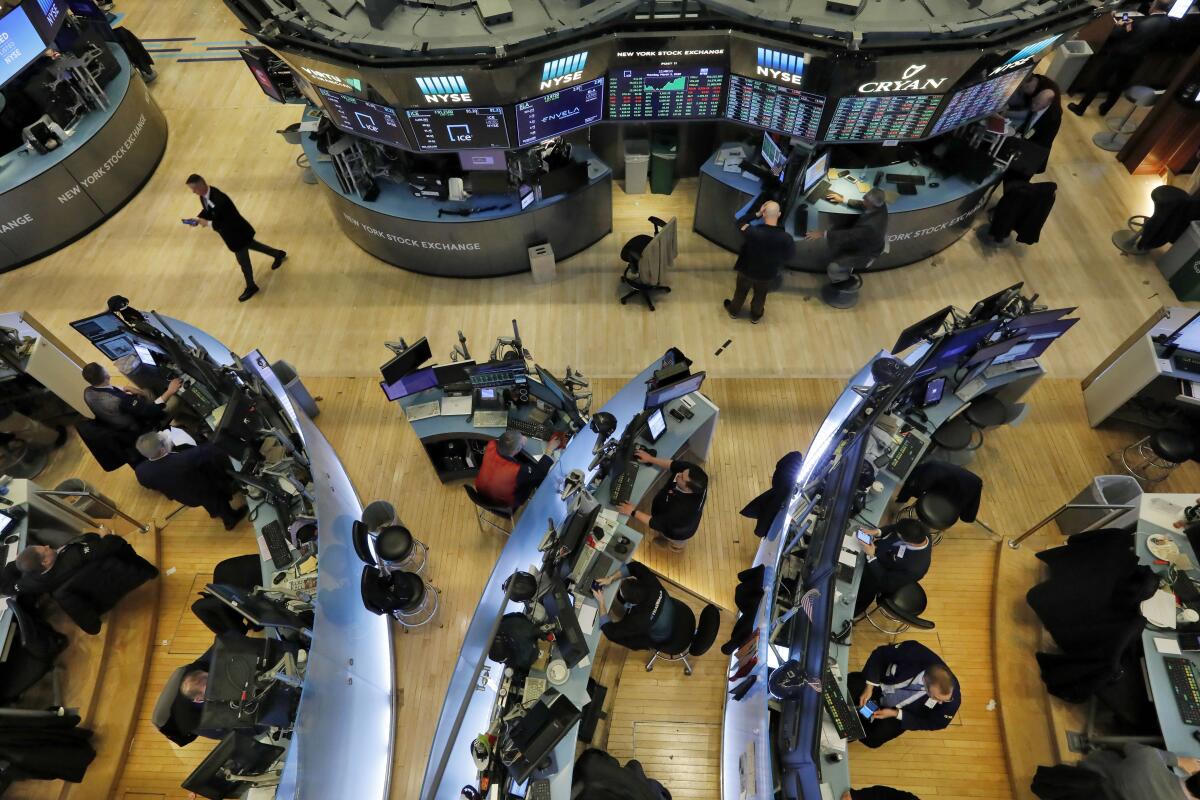
Earnings, the Economic Calendar and Trading Strategies: September 8 to 12, 2026
A four-session week decides more than a print. Oracle reports after the close on Thursday 10 September, PPI lands that morning and CPI on Friday, with the ECB in between and the FOMC eight days out. Oracle is the last hyperscaler of the cycle and the widest value gap on the KXCO Ontology Live Analyst Outlook layer: a $457bn market value under a $638bn contracted backlog. Here is the calendar, the graph behind it, the levels and the book.
Every story, signed and delivered.
Subscribe to the kxco channel and get the headline, the AI-written key takeaways, and the chain-anchor link the moment we publish. Audio versions and per-ticker subscriptions arrive in the next iteration.