
Tesla’s Bitcoin losses to $170M
Tesla’s Bitcoin losses rise to $170M in the first 9 months of 2022. The electric vehicle maker’s actual BTC losses are far lower, with $64 million worth of previously realized profits to offset the decline.

Tesla’s Bitcoin losses rise to $170M
According to Tesla’s latest Q3 earnings report filed with the United States Securities and Exchange Commission. The electric vehicle (EV) manufacturer disclosed that it has invested a total of $1.5 billion into Bitcoin since early 2021. Of this amount, the firm is currently sitting at $170 million of unrealized loss from the change in the fair value of its investment. This is offset by a gain of $64 million from realized profits on Bitcoin at various points in the last two years which leads to a net loss of $106 million by the end of Q3.
Tesla’s losses did not materially affect its core operations, the filing said. Year-over-year, the EV manufacturer’s profits grew 169% from $3.3 billion in the first nine months of 2021. However, Tesla says that it’s only holding roughly $218 million worth of Bitcoin on its balance sheet.
Under accounting rules, digital assets are considered as indefinite-lived intangible assets. As a result, any decrease in their fair values will require Tesla to recognize impairment charges. Whereas the firm does not make upward revisions for any price increases until a sale. In such beneficial tax treatment, losses can be deducted against profits to reduce tax liabilities while capital gains are not taxed until the time of sale.
Tesla’s CEO, Elon Musk, is well-known in the crypto space for his support of digital assets, an affinity for memecoins, such as Dogecoin and his $44-billion ambition to take over social media giant Twitter. Throughout the ongoing acquisition, the billionaire tech celebrity has pledged to “eliminate the spam and scam bots from the platform,” stating, “They make the product much worse. If I had a Dogecoin for every crypto scam I saw, we’d have 100 billion Dogecoin.”
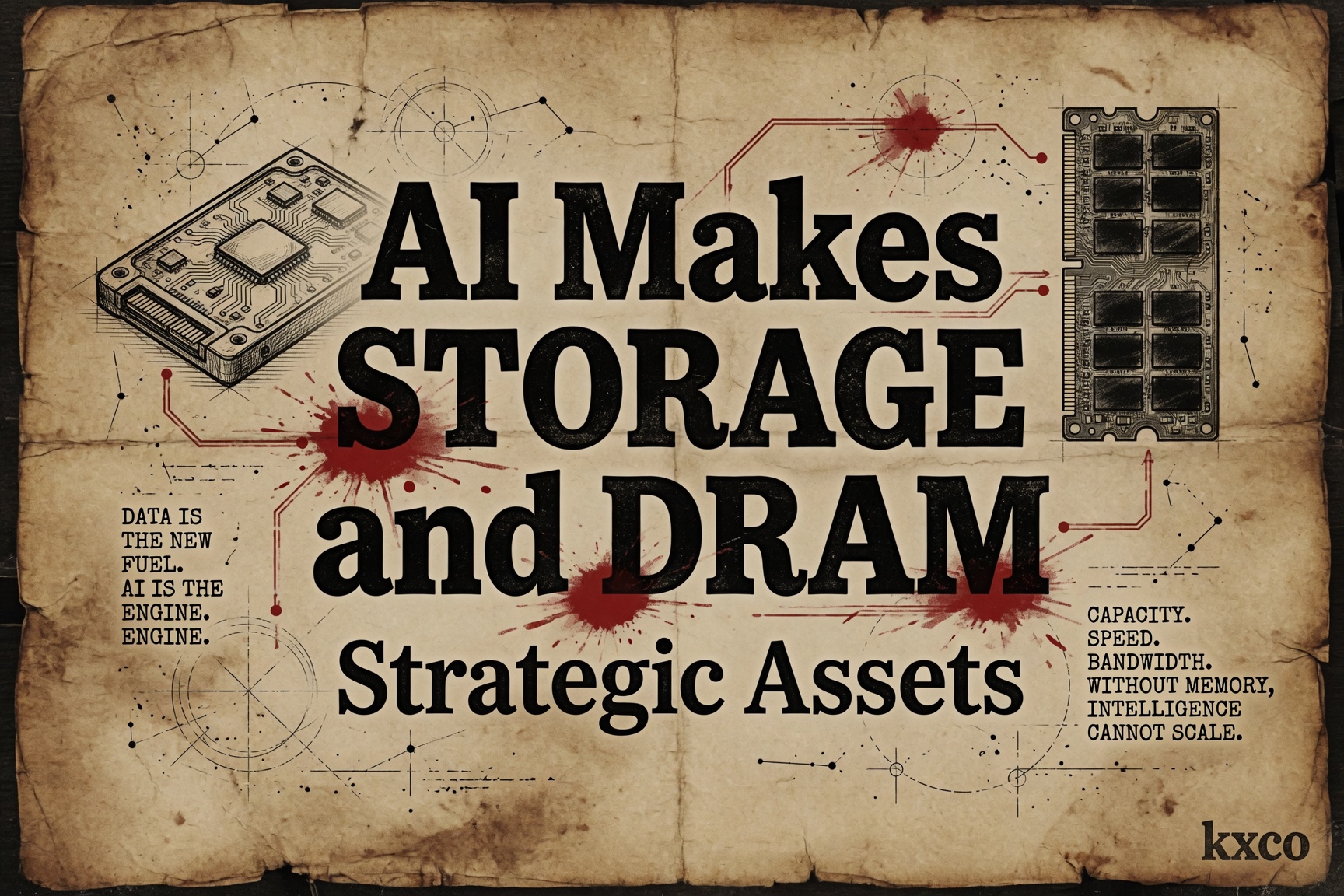
AI Makes Storage and DRAM Strategic Assets
Memory supply is growing about 20% a year while AI demand climbs 200%. Shayne Heffernan on the agentic workload behind the shortage, Micron's real fab timelines, the five listed names carrying the trade, and why quantum computing increases demand for classical memory rather than replacing it.
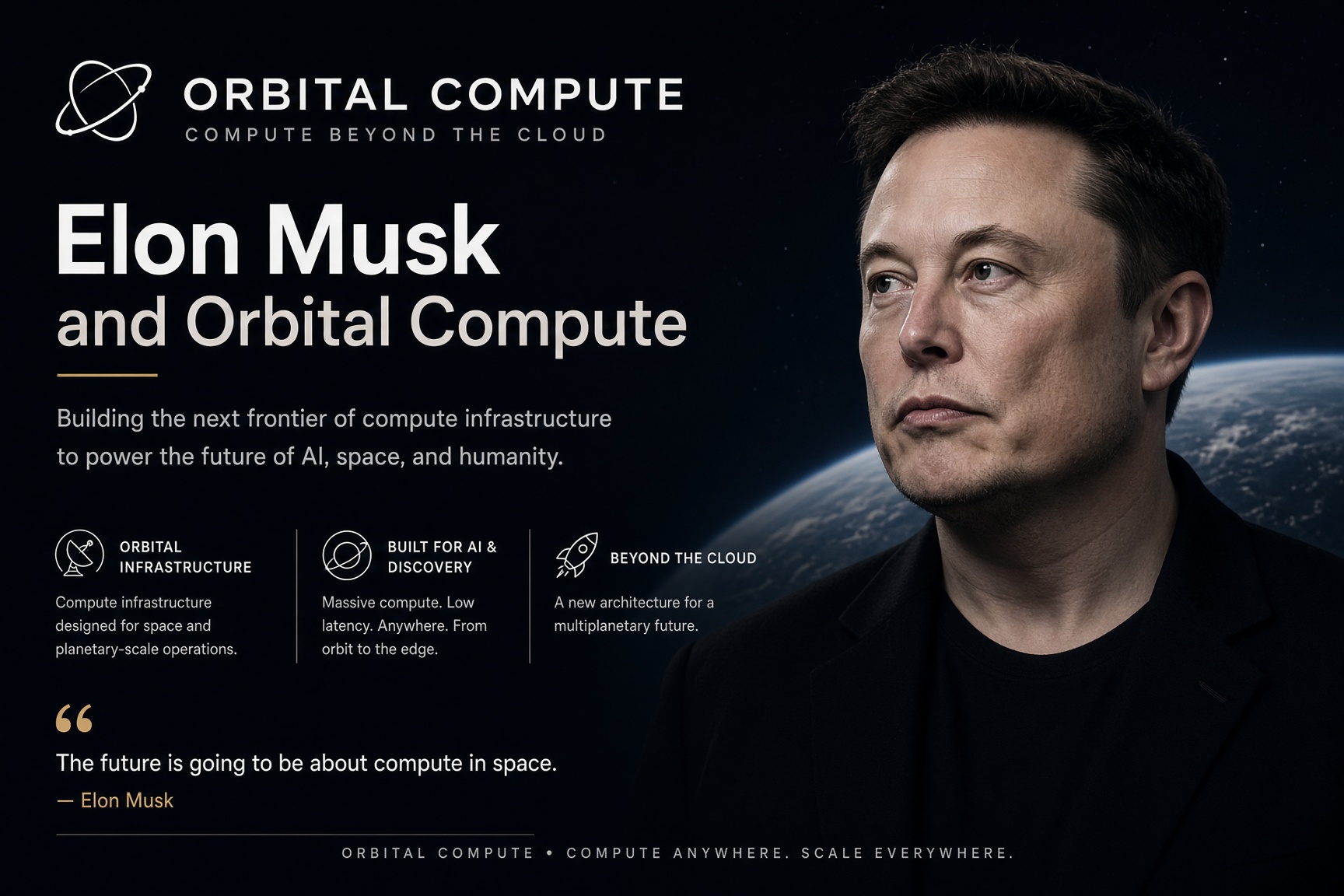
Elon Musk and Orbital Compute
Musk's August 14 statement that orbital compute will be the only way to scale AI by 2029 caps a year in which SpaceX moved space-based data centers from concept to regulatory filings, a named Nvidia partnership and factory construction.
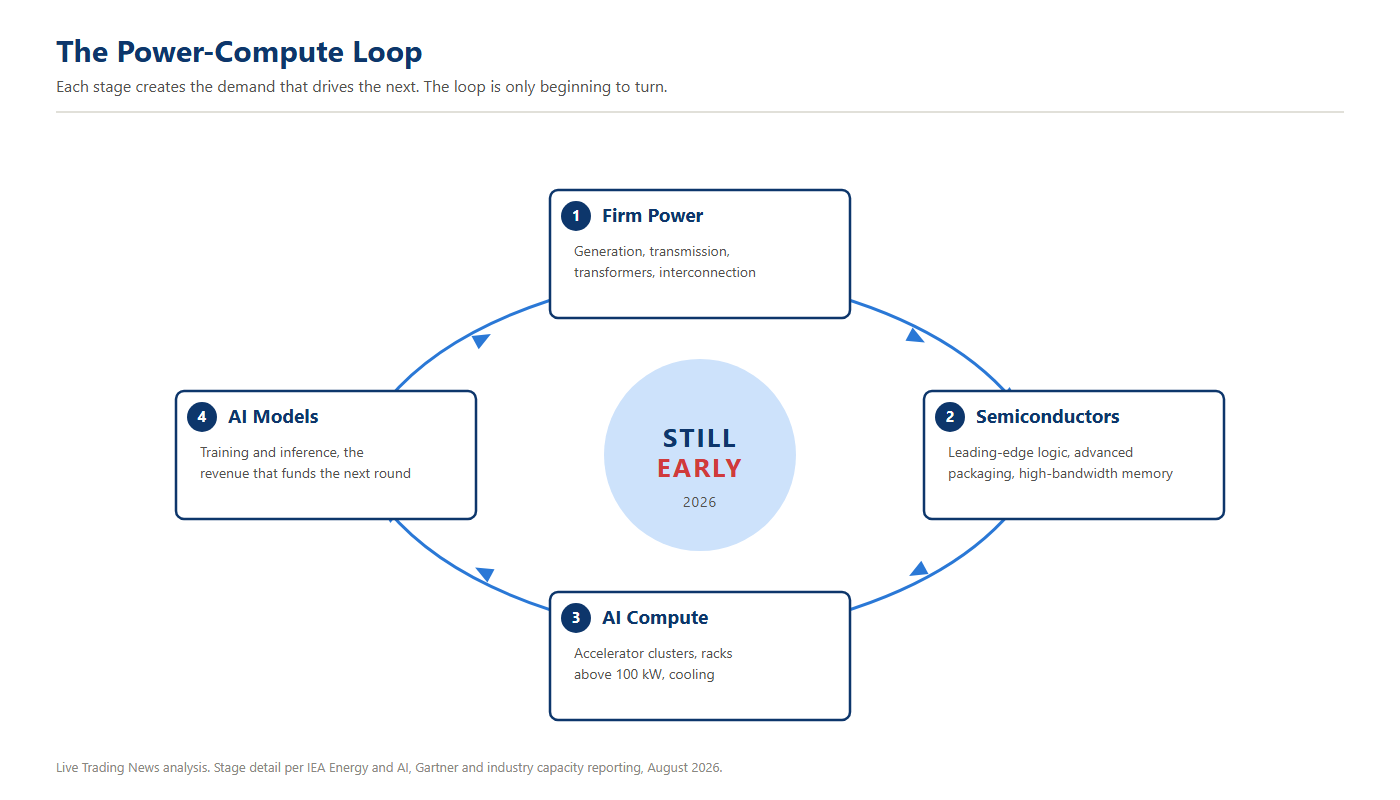
Energy IS the New Currency
Elon Musk said energy would become the de facto currency. He was describing a physical constraint, not a metaphor. Firm power delivered to the rack is now the limiting reagent in the AI build-out, and roughly 158 GW of data-centre capacity still has to be energised by 2030.
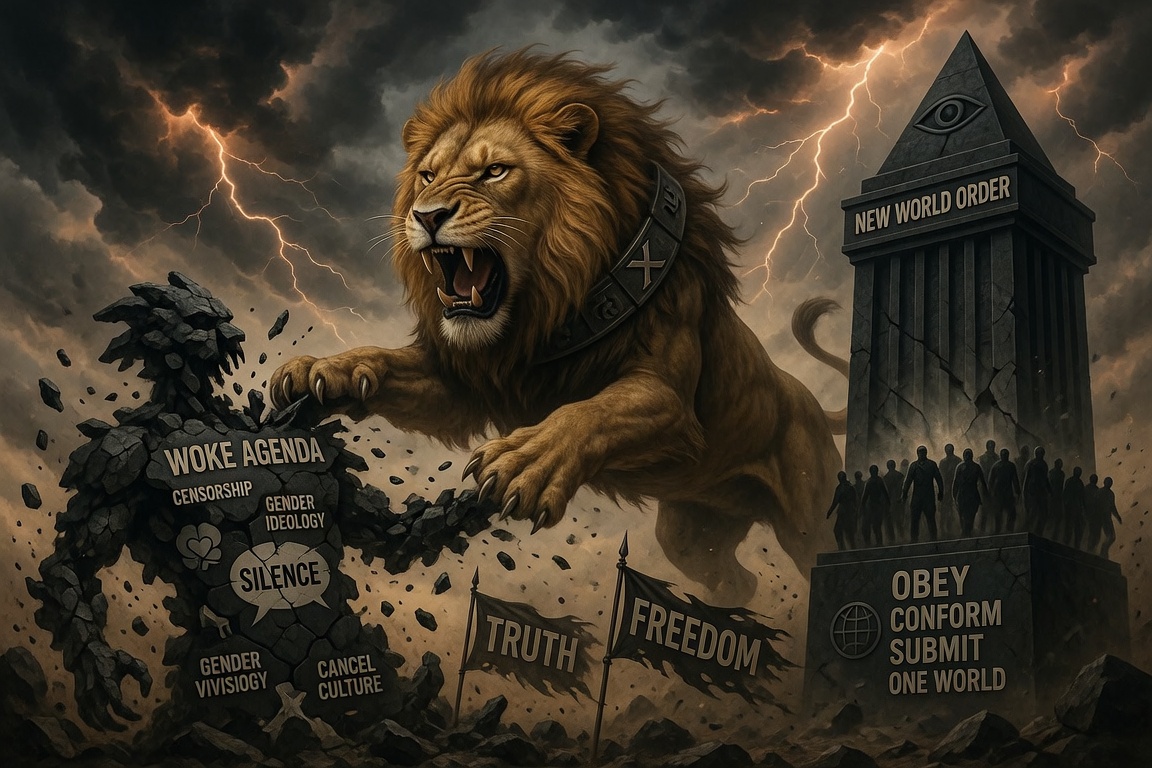
Elon Musk, X, and the End of an Illusion: We Are the Times
When Elon Musk bought Twitter and turned it into X, the establishment called it reckless. Shayne Heffernan argues it was a moral event, the moment the public square reopened and the woke illusion began to end. Saint Augustine explained why sixteen hundred years ago.
Every story, signed and delivered.
Subscribe to the kxco channel and get the headline, the AI-written key takeaways, and the chain-anchor link the moment we publish. Audio versions and per-ticker subscriptions arrive in the next iteration.