
So Who Owns Bitcoin?
Bitcoin, the world's first and largest cryptocurrency, has been around for over a decade and has attracted a diverse range of users. As the popularity of Bitcoin continues to grow, understanding the demographics of its owners is important for businesses, policymakers, and investors alike.
According to a survey conducted by cryptocurrency exchange Coinbase in 2021, the majority of Bitcoin owners are male, with 68% of respondents identifying as men. This gender gap is not unique to Bitcoin, as it is also present in the wider tech industry. However, it is important to note that the survey did not include data from non-binary or gender non-conforming respondents, which may skew the results.
In terms of age, the majority of Bitcoin owners are millennials and Gen Xers, with 75% of respondents aged between 18 and 54. This is likely due to the fact that these age groups are more tech-savvy and have grown up with the internet and digital technology. However, it is important to note that Bitcoin adoption is growing among older generations as well, with a growing number of baby boomers and seniors investing in the cryptocurrency.
Geographically, Bitcoin ownership is spread out across the world, with the United States, China, and India being the top three countries in terms of Bitcoin adoption. This is likely due to a combination of factors, including a large tech-savvy population, access to internet infrastructure, and favorable government policies.
In terms of education and income, Bitcoin owners tend to be highly educated and affluent. According to the Coinbase survey, 71% of respondents have a college degree or higher, and 60% have an annual household income of over $50,000. This suggests that Bitcoin ownership is more common among those who have the financial resources and knowledge to invest in the cryptocurrency.
In terms of ethnicity, data on the demographics of Bitcoin owners is limited, but early studies suggest that Bitcoin ownership is more common among white and Asian Americans. This may be due to a combination of factors, including access to education and financial resources, as well as cultural attitudes towards technology and investing.
Overall, the demographics of Bitcoin owners are diverse but tend to skew towards younger, male, highly educated, and affluent individuals. As Bitcoin and other cryptocurrencies continue to grow in popularity, it will be important to monitor changes in ownership demographics and ensure that the benefits of this emerging technology are accessible to all.

AI is the Neat Handwriting of the Illiterate
A model in the hands of someone who has read the filing and walked the plant is a clerk. The same model, speaking for someone who has done neither, is a disguise. On AI slop, phantom citations and factslop, why finish stopped being evidence of work, and the containment layer KXCO built so a machine cannot speak as the institution until a source is attached.
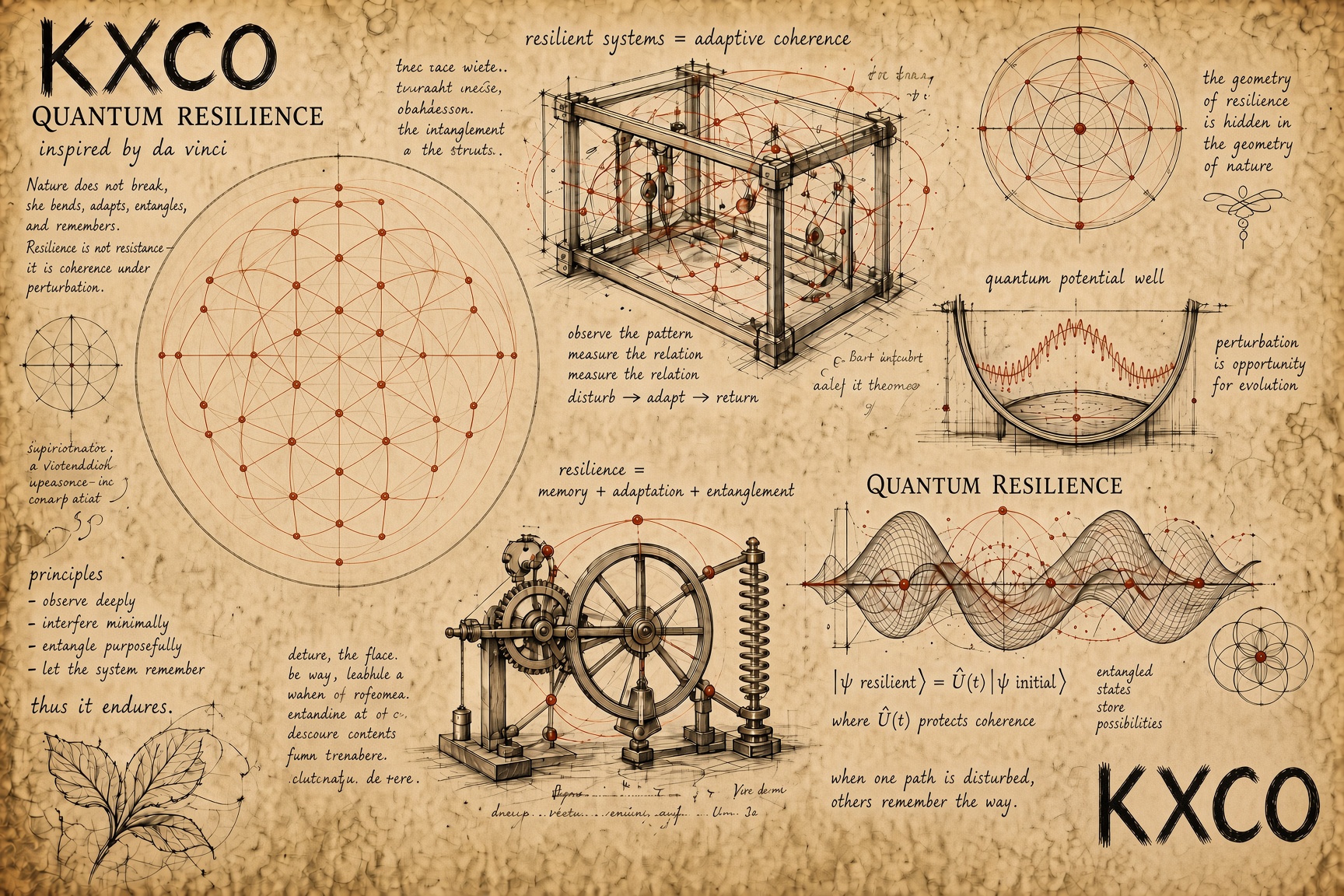
KXCO Put Its Quantum Cryptography in Public, With the Receipts Attached
KXCO has published the cryptography under its entire platform as fourteen open packages, and attached the evidence: NIST conformance, interoperability with three independent implementations, build provenance and reproducible releases. Every claim is checkable by a stranger.

The Truth in All Its Ugliness Must Survive
A majority vote does not determine the truth. Consensus is a mood, gossip is a sport, and a model will write the pretty version for free. Why the ugly number has to survive, why a record beats a dashboard, and what KXCO was built to keep standing when the room changes its mind.
Don't Be the Best, Be the Only: Winning in an AI World
AI is repricing competence downward. What it cannot reproduce is a life. The case for remaining non-fungible, why friction still produces the best ideas, and what it means to build AI systems that keep the human intellect in them.
Every story, signed and delivered.
Subscribe to the kxco channel and get the headline, the AI-written key takeaways, and the chain-anchor link the moment we publish. Audio versions and per-ticker subscriptions arrive in the next iteration.