
Retail Stock Traders are Quickly Moving into Cryptocurrencies
#CEX #DEX #DeFi #crypto #tokens #traders
"The recent retail trading action has shown that trading platforms, brokerages and even exchanges can shut down aspects of the trade process without much notice.”-- Paul Ebeling
Some retail traders realize the recent restrictions on stock buying on some trading platforms like Robinhood, are turning their attention to CEX and DEX (centralized and decentralized cryptocurrency exchanges respectively), helping to drive several of these exchanges’ tokens to new highs.
Last week GameStop (NYSE:GME) and and other stocks involved in a battle between a short-selling hedge fund and a Reddit group captured the imagination of the general public, a battle that drove these stocks’ prices higher and squeezed the short seller.
Now, some of that buying excitement has spilled over to crypto where CEX and DEX trading volumes have risen over the past wk, according to our data.
Activity in DeFi (decentralized finance) is growing quickly. Total January trading volume on DEXs soared to an all-time high above $50-B locked.
The Lucky Club is a Decentralized Finance (DeFi) initiative at the forefront of innovation in the Fintech realm the combines revolutionary blockchain technology with other proprietary protocols to allow investors and players to utilize traditional services such as brokerage, banking and investing but to also participate directly in generating a return on their money or staked assets in a way that was previously only available to Financial Institutions, It is the Ultimate DeFi Program, check it out.
Have a healthy day, Keep the Faith!
Industrialising Intelligence: Demand, Scarcity and the Boundary of Sovereignty
AI agents generate 80% of OpenRouter's tokens, about seven times human use, and Google's monthly tokens rose about 330 times in two years to over 3.2 quadrillion. In my view the limit on AI demand has moved from people to power: the International Energy Agency expects data-centre electricity to reach around 945 terawatt-hours by 2030. Execution is becoming a utility. Selection is not. KXCO builds the boundary that keeps the decision with a named person and lets another party check the record.

The Week Ahead on Wall Street, 16 November 2026: Look for the Bounce
NVIDIA reports on Tuesday 17 November 2026, its first results since Jensen Huang resigned, and I expect the stock and the AI market to bounce. NVIDIA closed at $162.85 on 13 November 2026, 31.93% below its record, while the semiconductor index rose 8.05% on the week. The calendar leans to currencies, with the yen near 160 after briefly crossing it, and the US publishes retail sales, housing starts, jobless claims and the Fed's minutes. Follow them on the Live Trading News trading page.

KXCO Pay Is Live: WooCommerce Crypto Payments Straight to Your Own Wallet
KXCO Pay 1.0.0 went live on WordPress.org on 7 October 2026. It adds Bitcoin, Ether, USDT and USDC to WooCommerce, and the customer pays the merchant's own address. The plugin holds no funds and no keys: it reads the chain through public services, prices each order from CoinGecko, locks the rate and settles the order once the payment confirms. A shortcode, a block and a REST API take payment on any page. Free under the GPL, with no commission on any payment.
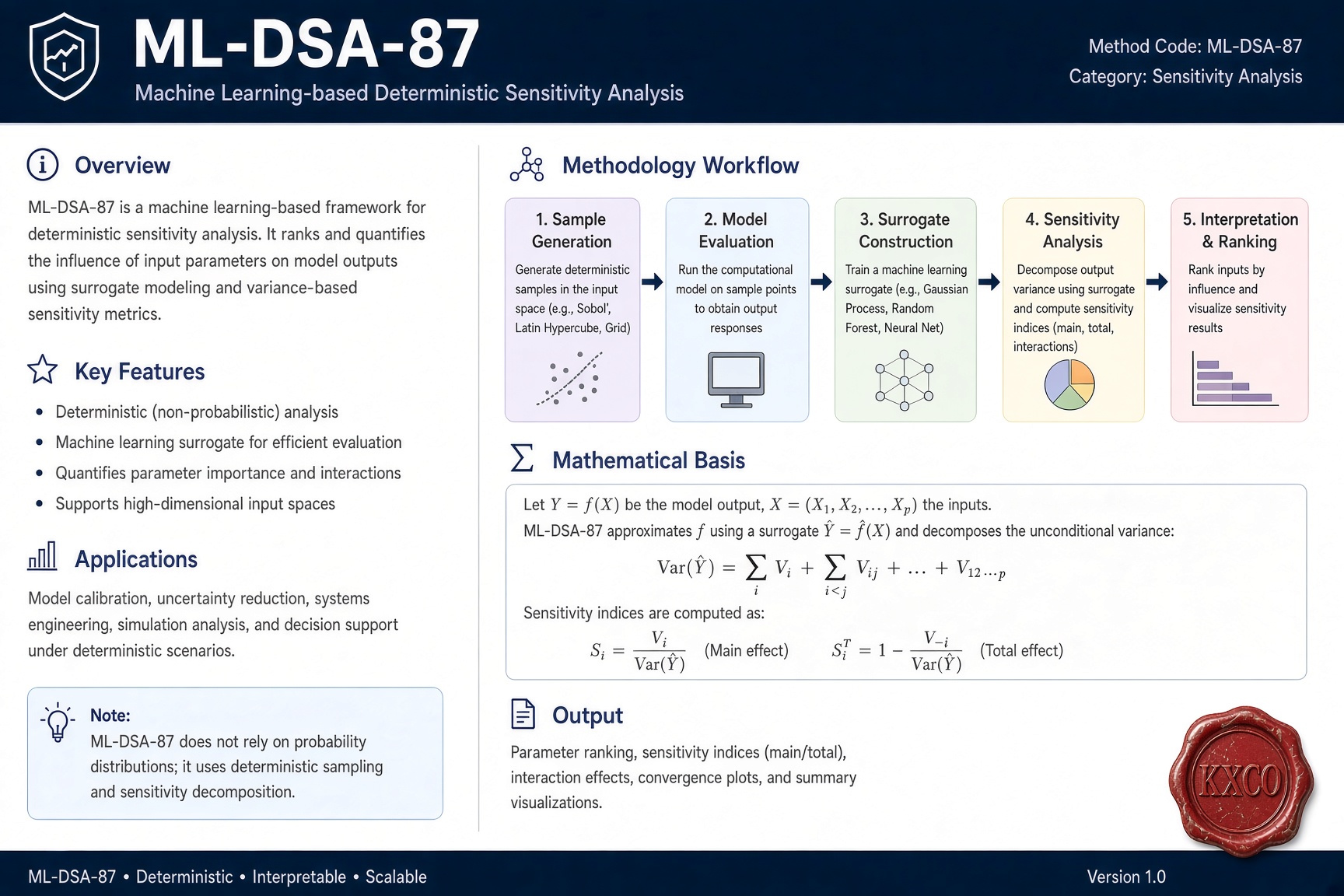
KXCO Now Verifies ML-DSA-87 in Consensus, the Signature Level Named by the NSA
On 6 October 2026 KXCO's chain began verifying ML-DSA-87 signatures as a rule of consensus, and the first ML-DSA-87 identity registered 28 seconds later. ML-DSA-87 is the category 5 level of NIST's FIPS 204, specified by the NSA for US national security systems and preferred by Australia's Information Security Manual. KXCO ships it for signing and for keys held in hardware, accepts it across its network and verifies it on chain, and anyone can check a verdict.
Every story, signed and delivered.
Subscribe to the kxco channel and get the headline, the AI-written key takeaways, and the chain-anchor link the moment we publish. Audio versions and per-ticker subscriptions arrive in the next iteration.