
Quantum Computing 2026: Where We Are, What’s Next
and Why It’s About to Change Everything
Part of theQuantum Computing Center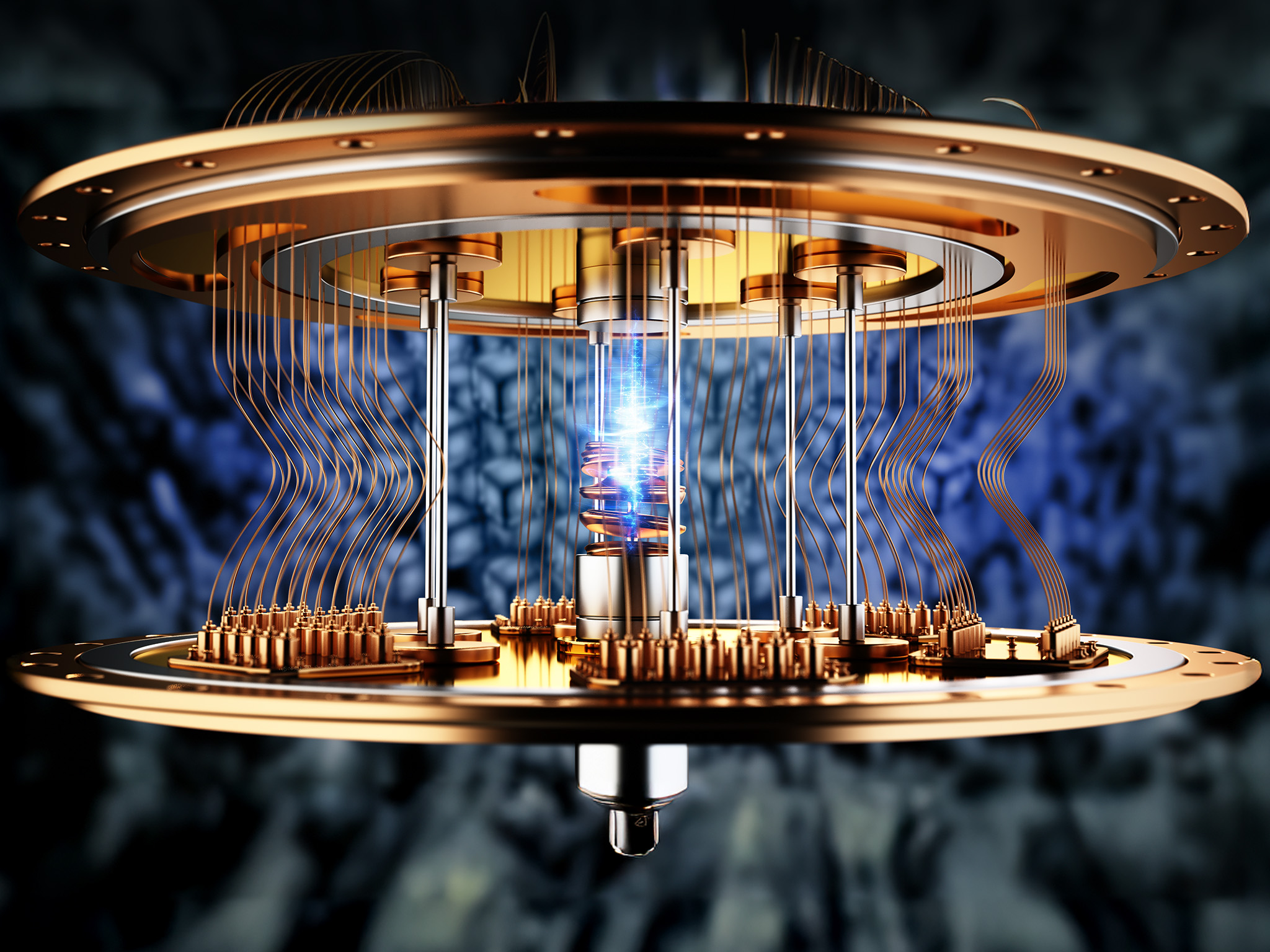
By Shayne Heffernan
We’re no longer in the “someday” phase of quantum computing. As of May 2026, the field has hit an inflection point. We’re still in the noisy intermediate-scale quantum (NISQ) era — machines are error-prone and not yet fault-tolerant — but the gap between hype and reality has narrowed dramatically. Error correction is no longer theoretical. Modular scaling is real. And the first credible examples of quantum advantage (where a quantum system beats classical computers on practical problems) are expected before the end of this year.
Here’s the no-BS breakdown.
Where We Are Right Now (Mid-2026)
Quantum hardware has crossed from lab curiosities to cloud-accessible systems with hundreds of physical qubits. The big leap isn’t just raw qubit count anymore — it’s error mitigation, gate fidelity, and connectivity.
Major players have moved from “look at our big number” to “here’s how we make it useful.” IBM, Google, IonQ, Rigetti, and Quantinuum are all shipping systems via cloud platforms (IBM Quantum, AWS Braket, Azure Quantum). Governments and enterprises are quietly running hybrid quantum-classical pilots in drug discovery, materials science, finance, and logistics.
The biggest milestone: scalable error correction is working in the lab (Google’s Willow chip proved error rates can be suppressed exponentially). Fault-tolerant machines are still 3–5 years out, but the engineering race is on.
Table: Latest Quantum Computers (as of May 2026)
Company | System | Qubits (Physical) | Type | Key Performance Metric | Status / Notes |
IBM | Nighthawk | 120 | Superconducting | Square lattice (4-neighbor connectivity), ~25K CLOPS | Deploying 2026; targets quantum advantage |
Rigetti | Cepheus-1-108Q | 108 | Superconducting | 99.54% 1Q / 98.97% 2Q gate fidelity | GA April 2026; modular chiplet design |
Willow | 105 | Superconducting | Below-threshold error correction; 99.9%+ fidelity | Demonstrated verifiable advantage | |
IonQ | Forte / Tempo | ~100+ | Trapped-Ion | Record 99.99% 2-qubit fidelity | First 256-qubit systems shipping 2026 |
Quantinuum | H2 / Helios | 56–98 | Trapped-Ion | Quantum Volume 2²³+ (8M+) | Highest-fidelity commercial systems |
Sources: Company roadmaps, Quantum Computing Report, Wikipedia processor list (updated 2026). “Speed” in quantum is measured by gate fidelity, circuit depth, and CLOPS (Circuit Layer Operations Per Second) — not GHz clocks.
D-Wave’s annealing systems (thousands of qubits optimized for specific problems like optimization) remain the only ones with proven commercial revenue today, but gate-based systems are catching up fast for general-purpose work.
What’s Next (2026–2030)
2026–2027: First domain-specific quantum advantage in hybrid workflows (optimization, simulation of small molecules, machine learning kernels). IBM explicitly targets this with Nighthawk + HPC integration.
2028–2029: Fault-tolerant prototypes. IBM’s Starling (200 logical qubits from ~10,000 physical) is the milestone everyone is watching.
2030: “Q-Day” — the point where quantum computers can break RSA-2048 encryption. Post-quantum cryptography migration is no longer optional; it’s urgent.
Error correction will improve exponentially. Modular architectures (chiplets + networking) will let systems scale to thousands of logical qubits. Neutral-atom and photonic platforms will join the race for room-temperature or easier-to-scale systems.
How Quantum Changes the World
This isn’t just faster computers. It’s fundamentally new computational power for problems that are impossible today:
Pharma & Materials: Simulate molecules at full quantum accuracy → new drugs, batteries, catalysts in months instead of decades. Moderna already used IBM systems for mRNA modeling.
Finance: Portfolio optimization, risk modeling, and derivative pricing at scales classical computers can’t touch.
Logistics & Supply Chain: Solve intractable routing and scheduling problems in real time.
AI & Machine Learning: Quantum kernels accelerate training on massive datasets.
Cryptography: Game over for current public-key encryption. Every bank, government, and tech company is racing to go post-quantum.
Energy & Climate: Better fusion simulation, carbon capture materials, and grid optimization.
Economic impact forecasts (fact-checked from BCG, The Quantum Insider, IDTechEx): $450–850 billion in annual value creation by 2040, with some estimates hitting $1 trillion by 2035. That’s not hype — it’s conservative.
What the Future Looks Like (2030–2040+)By the early 2030s, quantum-centric supercomputers will sit alongside classical HPC in every major data center. Hybrid quantum-classical stacks will become standard enterprise infrastructure.
Long-term: Distributed quantum networks, quantum internet, and sensors that make today’s tech look like the 1990s internet. Problems we call “intractable” today (full protein folding, climate modeling at planetary scale, true AGI training) become routine.
The winners won’t just be the companies with the most qubits — they’ll be the ones who integrate quantum into real workflows first.
Quantum Stocks to Watch (2026)Pure-play exposure (high risk, high reward):
Ticker | Company | Focus | Why It Matters |
IonQ | Trapped-Ion | Highest fidelity + strong revenue growth | |
Rigetti Computing | Superconducting (modular) | On-prem systems + vertical integration | |
D-Wave Quantum | Annealing + gate-model | Actual commercial revenue today | |
Quantum Computing Inc. | Photonics / hybrid | Smaller but aggressive |
Big Tech with serious skin in the game: $IBM, $GOOGL (Google Quantum AI), $MSFT, $AMZN (Braket + AWS), and $NVDA (quantum-classical infrastructure plays).Bottom line: Quantum computing is no longer science fiction. It’s an engineering problem with a visible timeline. The next 3–5 years will separate the real players from the hype machines. Serious investors and operators are already positioning themselves — the rest will be catching up.
Stay sharp. The quantum age isn’t coming. It’s already here.— Shayne Heffernan
All data fact-checked against company roadmaps, Quantum Computing Report, IBM/ Google announcements, and peer-reviewed milestones as of May 2026.
The China Chip Shock
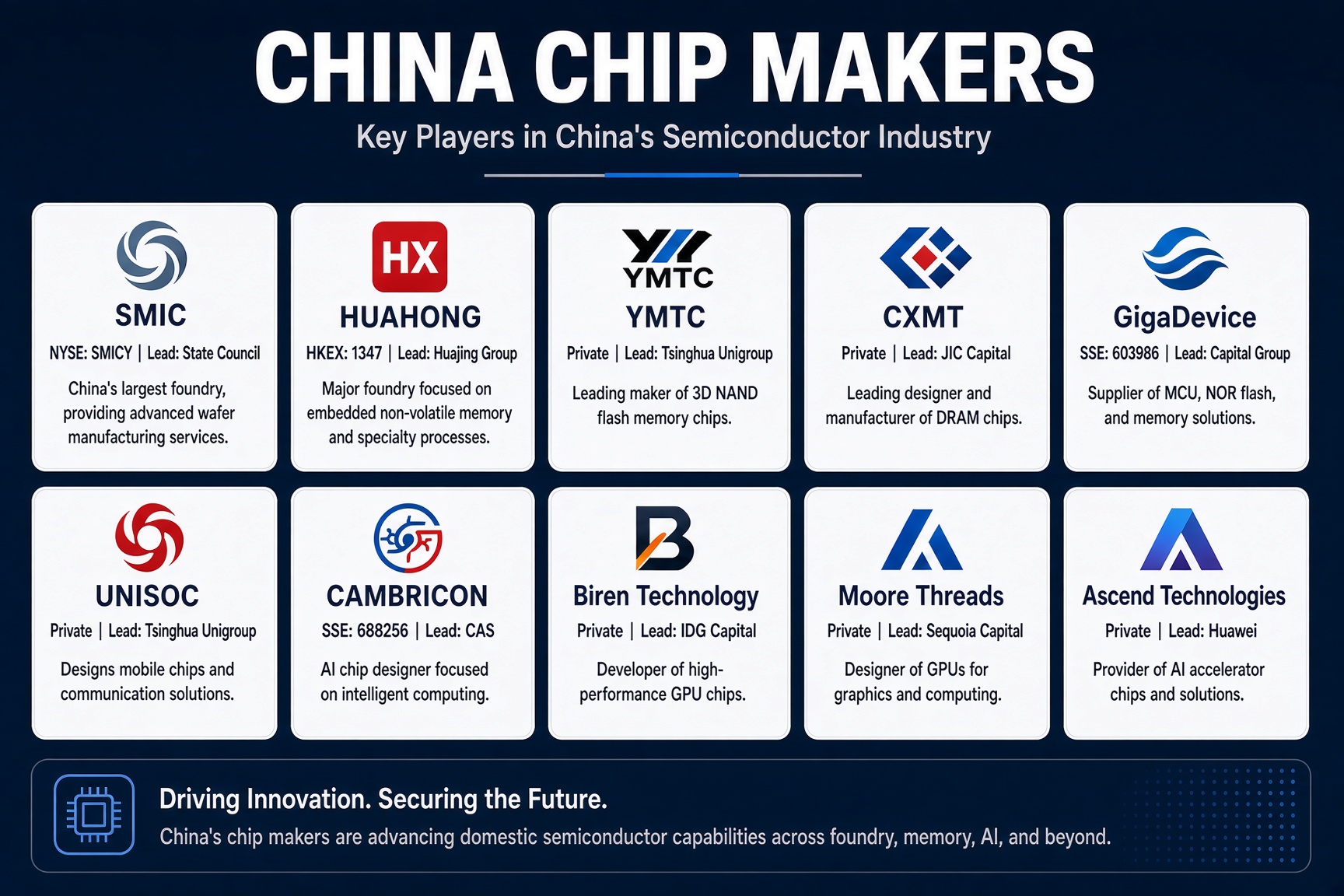
On 10 October CXMT said it will ship DDR5 server modules on a 4F2 cell by year-end. Micron, SK Hynix, Samsung and Sandisk sold off for two sessions and Elon Musk said China scales faster than the rest of the world combined. This piece sets out China's memory makers, foundries, AI chip designers and toolmakers, with two knowledge graphs drawn from the KXCO AI Sector Ontology, and says what the sell-off prices and what it does not.

China's Coordinated Push in AI, Quantum Computing and Blockchain
On 9 October 2026 Beijing called for a nationally integrated computing-power network and a national blockchain network. DeepSeek is scaling on Huawei Ascend chips, China's intelligent computing reached 2,185 EFLOPS by June, per the industry ministry, and quantum communications remain a strength. This analysis explains the strategy and sets out the Hong Kong and US listed companies with exposure, from Tencent and Alibaba to China Mobile, HashKey and Nvidia.

Week Ahead on Wall Street: CPI, Banks and Oil
September CPI lands on Wednesday after a Fed hike and a 10-year yield at its highest since 2002. JPMorgan, Goldman and Citi open bank earnings on Tuesday, ASML and TSMC report midweek, and Saudi pipeline attacks kept Brent at $104.72 on 9 October 2026, per CNBC. The KXCO AI Sector Ontology still shows contracted demand. This week ahead sets out the calendar, the three facts that would change the call, and why dips in the AI leaders remain buying opportunities.
AI Is Being Powered by Tech That Looks Almost Alien
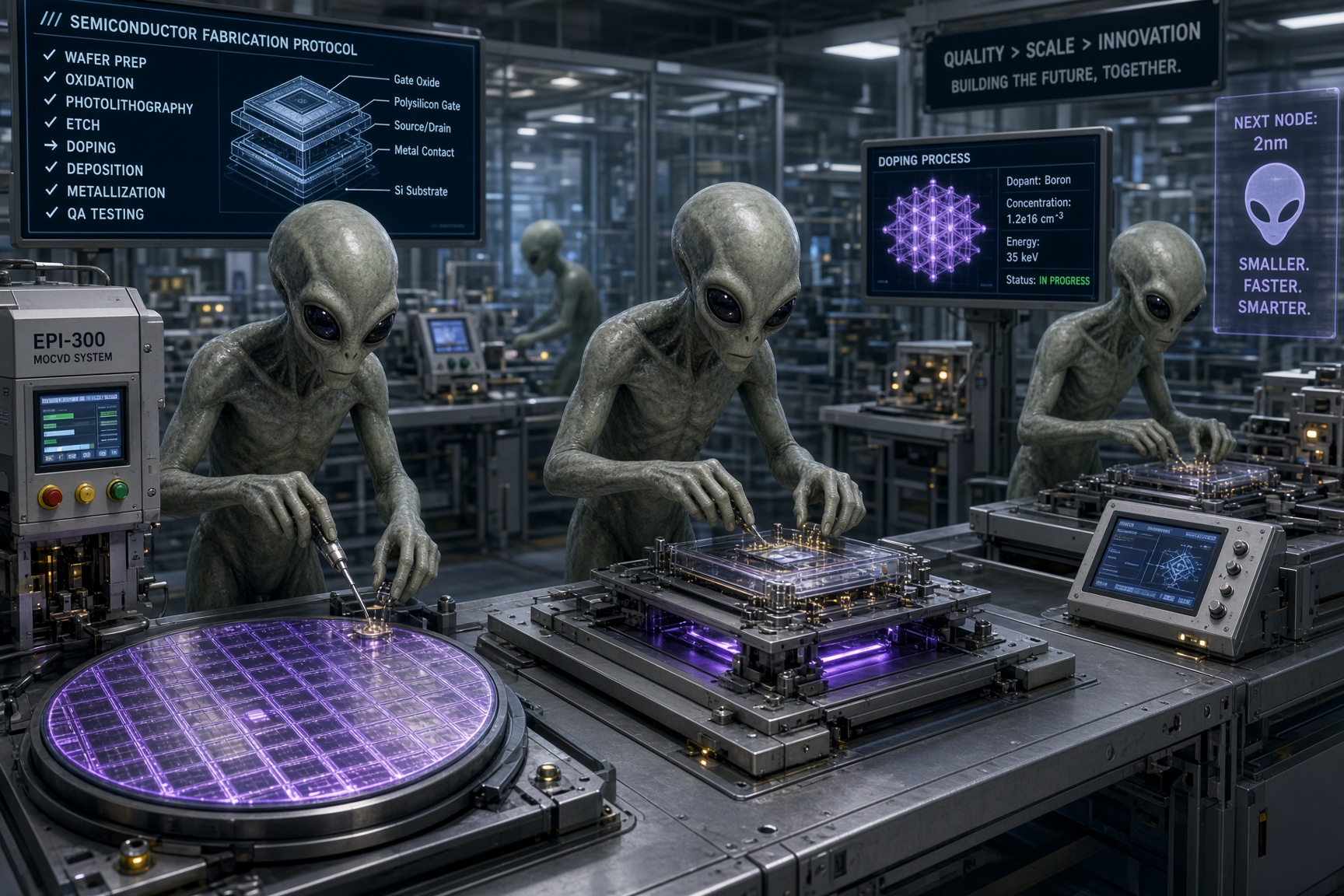
Every frontier AI model runs on chips printed by one Dutch machine. ASML's extreme-ultraviolet scanner fires a laser at up to 50,000 droplets of molten tin a second, per ASML, and bounces the light off mirrors whose deviations are tens of picometres. Veritasium called it the closest thing we have to alien technology. This piece takes the film as the brief and checks it: the machine, High-NA, and the wafer-scale chips and liquid-cooled racks downstream of it.
Every story, signed and delivered.
Subscribe to the kxco channel and get the headline, the AI-written key takeaways, and the chain-anchor link the moment we publish. Audio versions and per-ticker subscriptions arrive in the next iteration.