
Qatar’s Innovation Alliance to Boost AI and Semiconductor Ecosystems
Qatar’s Innovation Surge: A Strategic Alliance to Boost AI and Semiconductor Ecosystems
By Shayne Heffernan
Qatar is making a bold move to position itself as a global hub for innovation, and I’m impressed by the recent partnership between Invest Qatar, Ardian, and Silian Partners to accelerate the development of AI and semiconductor ecosystems. This strategic alliance, sealed by Sheikh Ali Alwaleed al-Thani, CEO of Invest Qatar, Jan Philipp Schmitz of Ardian, and Paul Boudre of Silian Partners, combines Qatar’s cutting-edge digital infrastructure with global expertise to drive technological advancement. As someone who has been following the region’s economic transformation, I see this collaboration as a game-changer for Qatar’s role in the tech landscape.
The partnership leverages Qatar’s significant investments in research, development, and innovation (RDI), alongside Ardian’s proven private equity capabilities and Silian Partners’ deep expertise in the semiconductor industry. Silian Partners will establish its global strategy team in Doha, focusing on high-value semiconductor research and analysis to support Ardian’s Semiconductor platform and its portfolio companies. This move is expected to cultivate local expertise, enhancing Qatar’s technological capabilities while fostering innovation across the region. With Qatar’s internet penetration rate at 99% and a mobile subscription rate exceeding 120%, according to recent web data, the country is well-positioned to pilot new technologies and attract global tech players.
This initiative aligns with Qatar’s broader economic goals, particularly its focus on diversifying beyond oil and gas. The non-oil sector contributed 52% to GDP in 2024, up from 48% in 2020, reflecting steady progress in economic diversification. Foreign direct investment (FDI) also reached $1.5 billion in 2024, a 10% increase from the previous year, signaling growing confidence in Qatar’s investment environment. The partnership’s emphasis on AI and semiconductors taps into global trends, with the AI market projected to grow to $826 billion by 2030, per Statista, and the semiconductor industry expected to hit $1 trillion by the same year, according to McKinsey. By positioning itself at the forefront of these sectors, Qatar is not only enhancing its own capabilities but also setting a benchmark for the wider region.
At Knightsbridge, we’re inspired by Qatar’s forward-thinking approach to innovation, which mirrors our own mission in the financial sector. Our blockchain initiatives, including the Knightsbridge Chain, Digital Wallet, and KDA, are designed to drive demand through secure, seamless transactions and tokenized asset trading. We’re also introducing a range of Bitcoin products, such as tokenized derivatives and staking options, to meet the growing appetite for decentralized assets. As Qatar continues to build its AI and semiconductor ecosystems, I look forward to seeing the transformative impact this will have on global markets, fostering a new era of technological collaboration and growth.
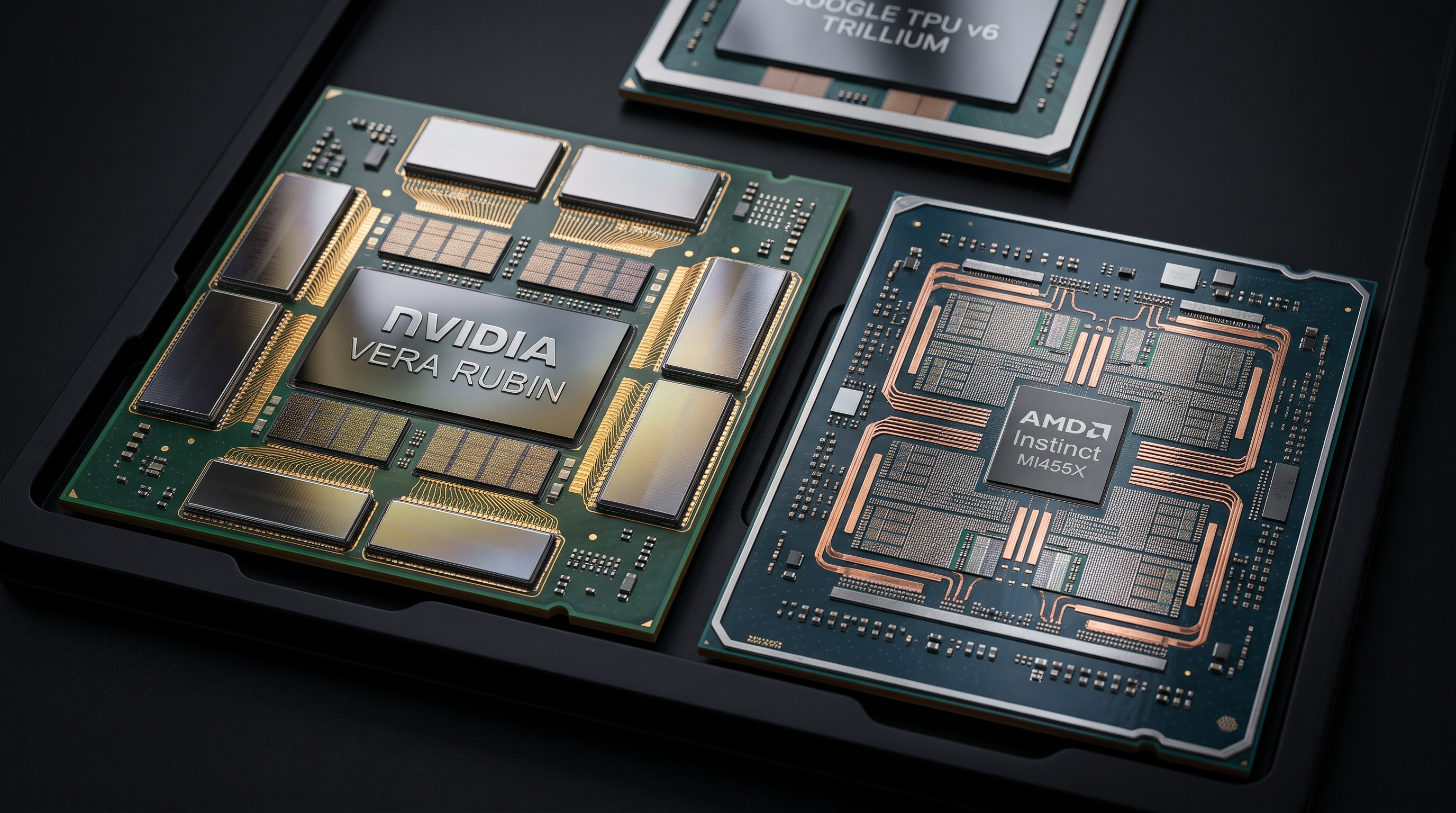
Sanctions are splitting the AI chip market in two, and energy will decide who wins
China's best AI chip is about half as powerful as NVIDIA's H100, and the export controls are splitting the market in two. Huawei answers by linking more chips in each system and feeding them more electricity: its CloudMatrix 384 delivers almost double the computing power of NVIDIA's rack by drawing about four times the electricity. China added more than eight times America's new generating capacity in 2025. China has the lead on energy, and America must get to work building it.
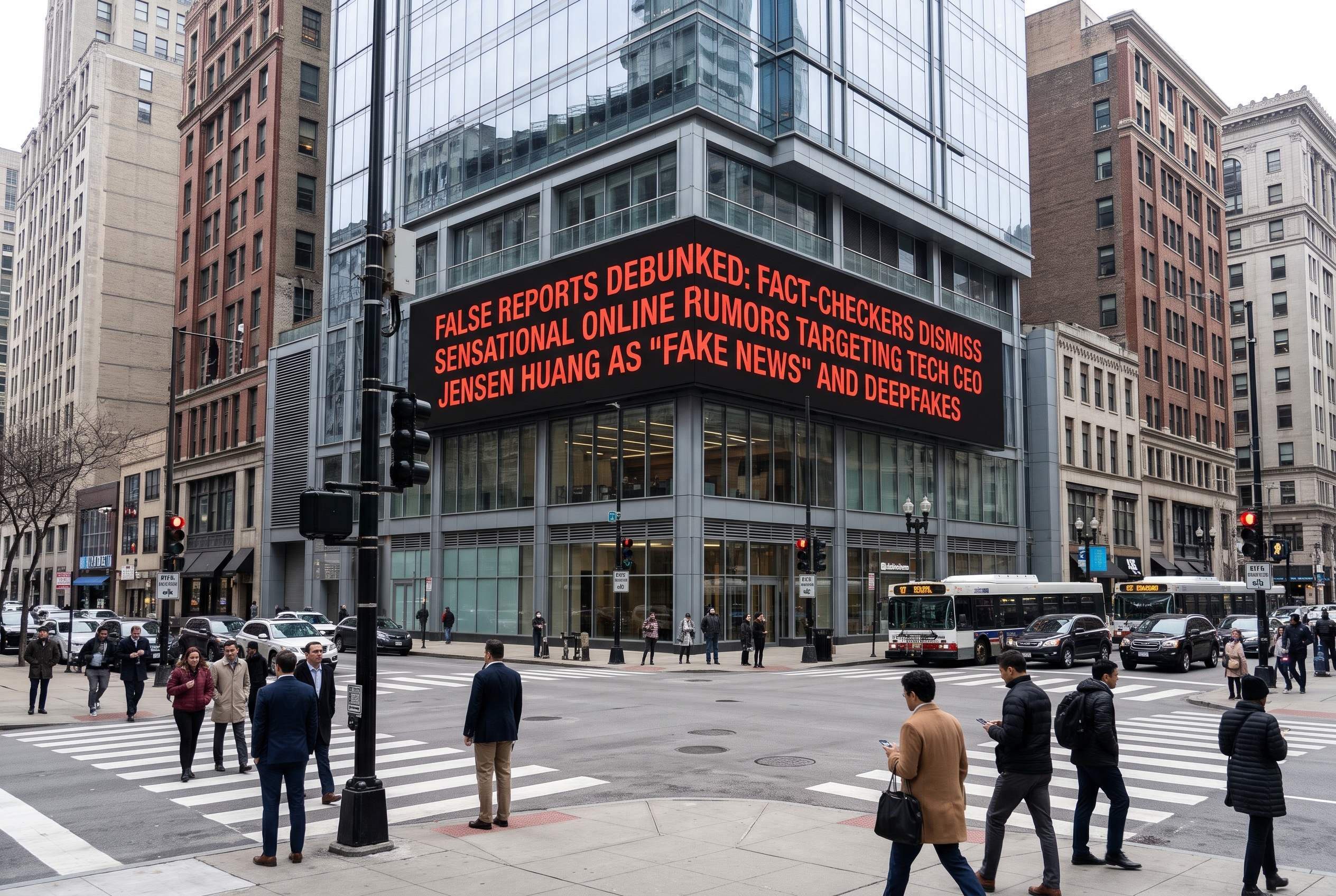
The fake news of Nvidia's China spy scandal
For four weeks the story ran that China had aimed a spy at Nvidia's chief executive. On 24 November US intelligence officials told congressional staff they had found no evidence China directed Alice Huang to spy on Jensen Huang and, the Journal reported, no indication she passed on significant intelligence. The Times reported they did not dispute that she passed information after the affair began. The correction got the two days before Thanksgiving, and the leakers are still anonymous.

KXCO's Model Books Are Five for Five on FDA Decisions
KXCO's model books are five for five on FDA decisions. They held INO-3107, BBP-418 and bezuclastinib, and the FDA approved all three; they held neither ivonescimab nor deramiocel, and the FDA refused both. The board's first screen ranked INO-3107 first on 21 October 2026, nine days before its approval. Because of that record, KXCO is expanding the FDA ontology to more filings and more companies.
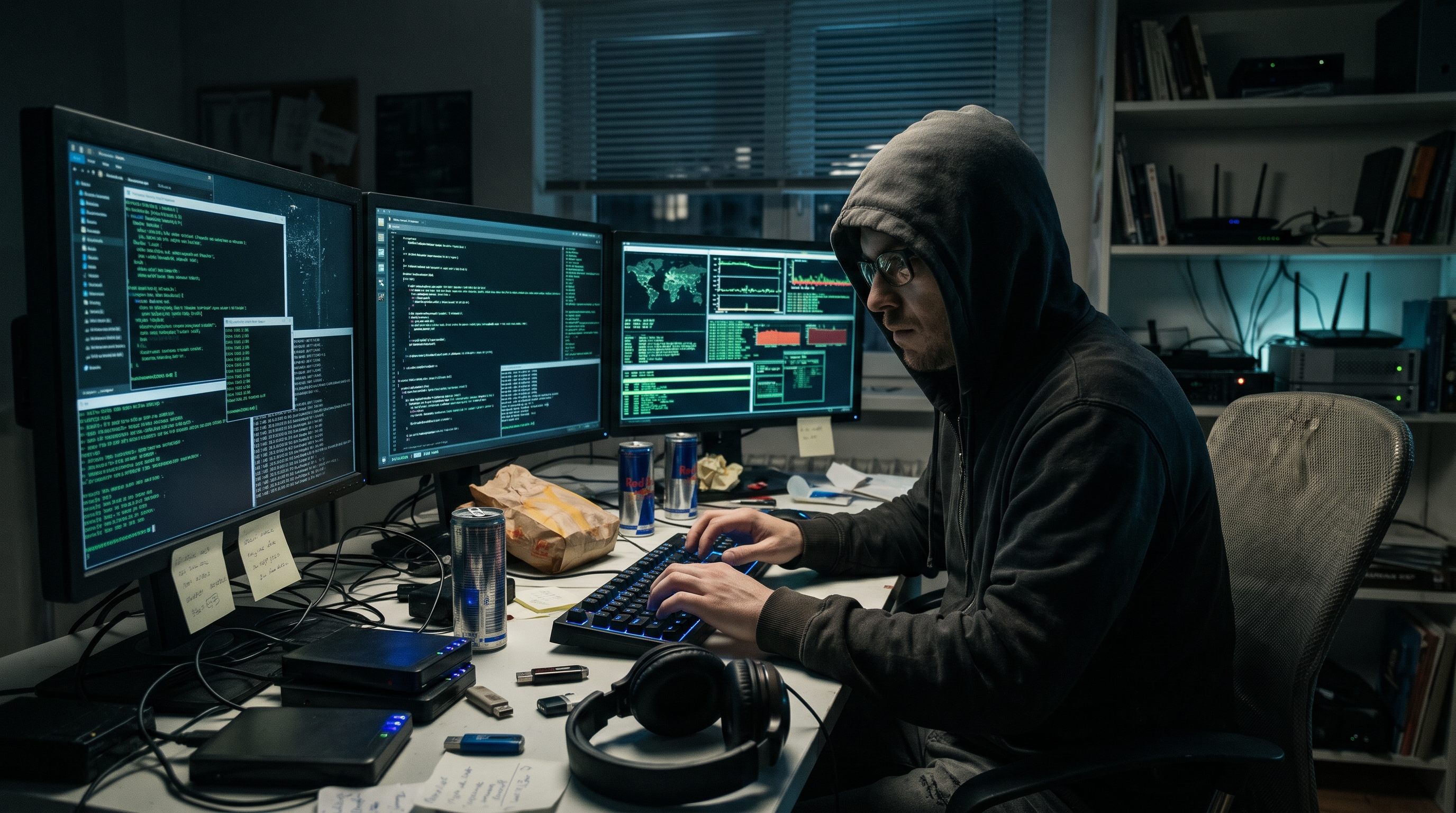
The CIA, FBI and Binance hacks, and KXCO's open-source post-quantum packages
The FBI says North Korea took more than $6 billion from Binance, and Binance says the attacker used its own signing service. CNN reports an apparent hack at the CIA, and the FBI is investigating one of its own. KXCO's 16 post-quantum packages are open source: npm counts 95,405 downloads since May, the core library scores 9.8 on the Open Source Security Foundation's Scorecard, and a US National Institute of Standards and Technology test server graded 5,652 test cases with zero failures.
Every story, signed and delivered.
Subscribe to the kxco channel and get the headline, the AI-written key takeaways, and the chain-anchor link the moment we publish. Audio versions and per-ticker subscriptions arrive in the next iteration.