
Knightsbridge Group Accelerates Pre-IPO Regulatory Drive
In a strategic move aimed at bolstering its pre-IPO regulatory framework, the Knightsbridge Group has embarked on an ambitious acquisition spree. Having already secured an agreement for a significant stake in the Hong Kong Licensed China Digital Fund, the group is now actively acquiring or establishing licensed entities across multiple sectors and geographic regions.
The expansion efforts encompass key markets including the UK, Europe, China, Thailand, and beyond. Each entity will operate under regulatory compliance tailored to its respective jurisdiction, ensuring adherence to local laws and regulations.
An important step in this regulatory drive has been the opening of a new headquarters in Bangkok, Thailand. The nerve core for managing and supervising the varied array of licensed businesses housed under the Knightsbridge brand will be this central hub.
This strong regulatory campaign has a complex strategic justification. Knightsbridge hopes to reduce regulatory risks and boost investor trust in advance of its planned initial public offering (IPO) by proactively addressing regulatory requirements and getting essential licenses. Furthermore, creating a strong regulatory framework sets the organization poised for long-term growth and market expansion.
The procurement of licenced businesses in a range of industries demonstrates Knightsbridge's dedication to resilience and diversification. The organization aims to reduce sector-specific risks and maximize returns by operating in a variety of industries and geographical areas.
Knightsbridge's pre-IPO regulatory push signifies a strategic pivot towards ensuring compliance, transparency, and resilience in anticipation of its public listing. Through the acquisition and establishment of licensed entities across key markets and sectors, coupled with the inauguration of a new headquarters in Bangkok, the group is positioning itself for sustainable growth and value creation in the dynamic global landscape.
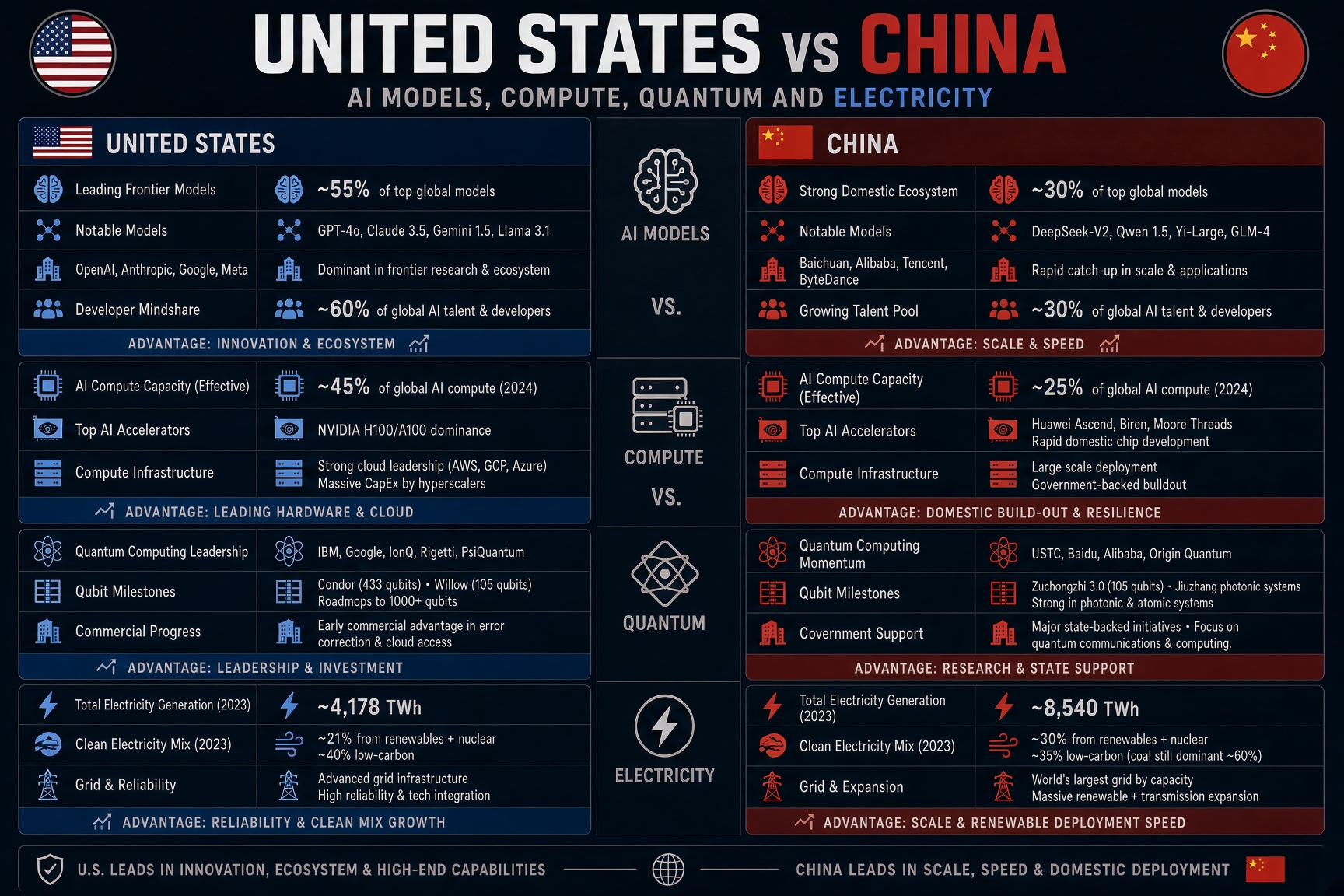
United States vs China: AI Models, Compute, Quantum and Electricity
The United States still leads in frontier model capability, total AI compute and quantum error correction, while China has narrowed the gaps in model performance, open-weight adoption and domestic chip volumes, and holds a structural advantage in power for data centres. Shayne Heffernan sets out the developments from July to October 2026 across models, compute, quantum and electricity, and how fast China is catching up.
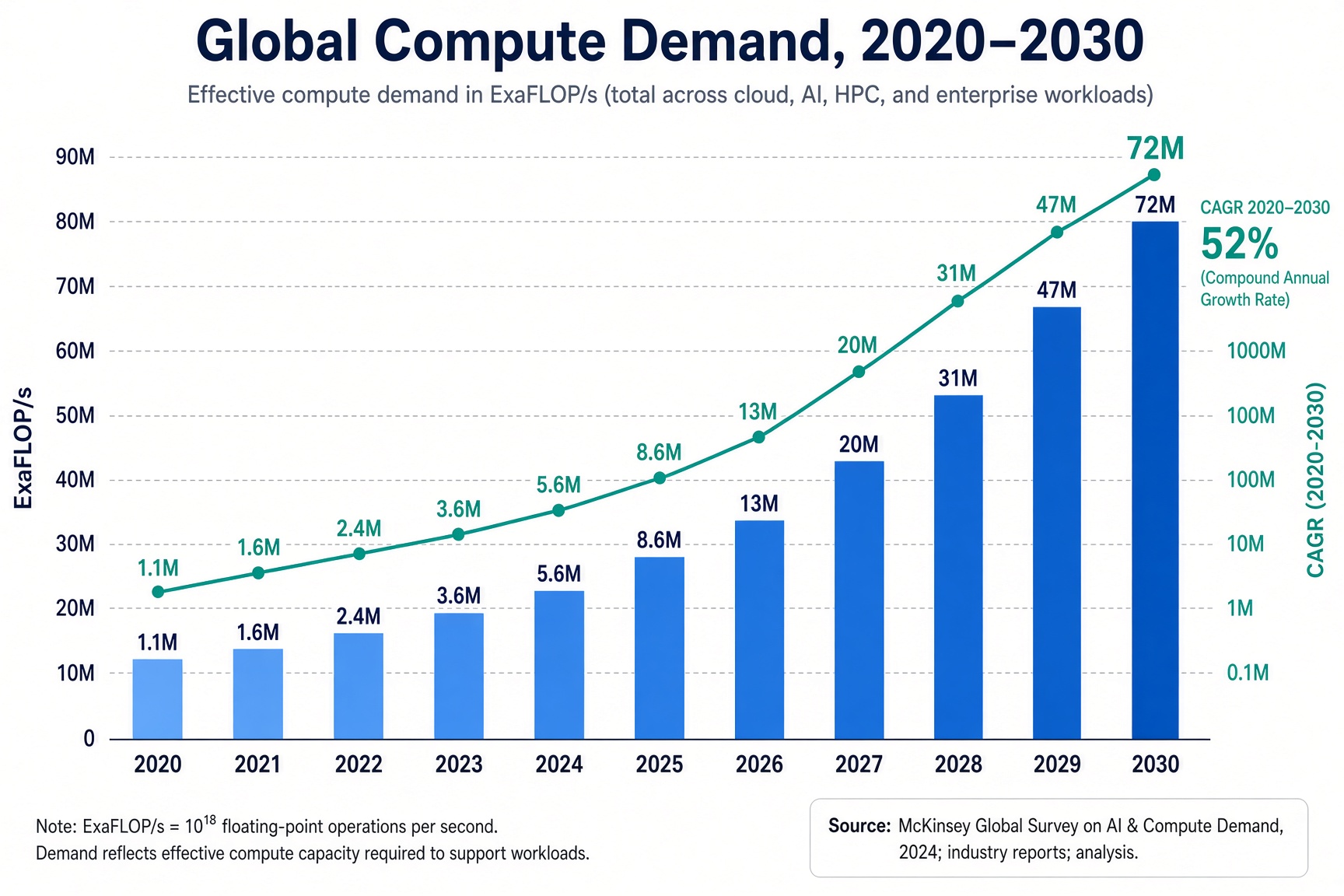
The 2030 Compute Landscape: GPUs, Power and the Architecture of Intelligence
The constraint on AI is no longer ideas or data but compute and the power to run it. Frontier training compute has grown about five times a year since 2020, and the leading AI supercomputer of June 2030 is on course for about 2 million chips and 9 gigawatts. Shayne Heffernan sets out the 2030 arithmetic, the power problem, who has already contracted the gigawatts, and how GPUs, custom ASICs, wafer-scale engines and quantum machines divide the work.
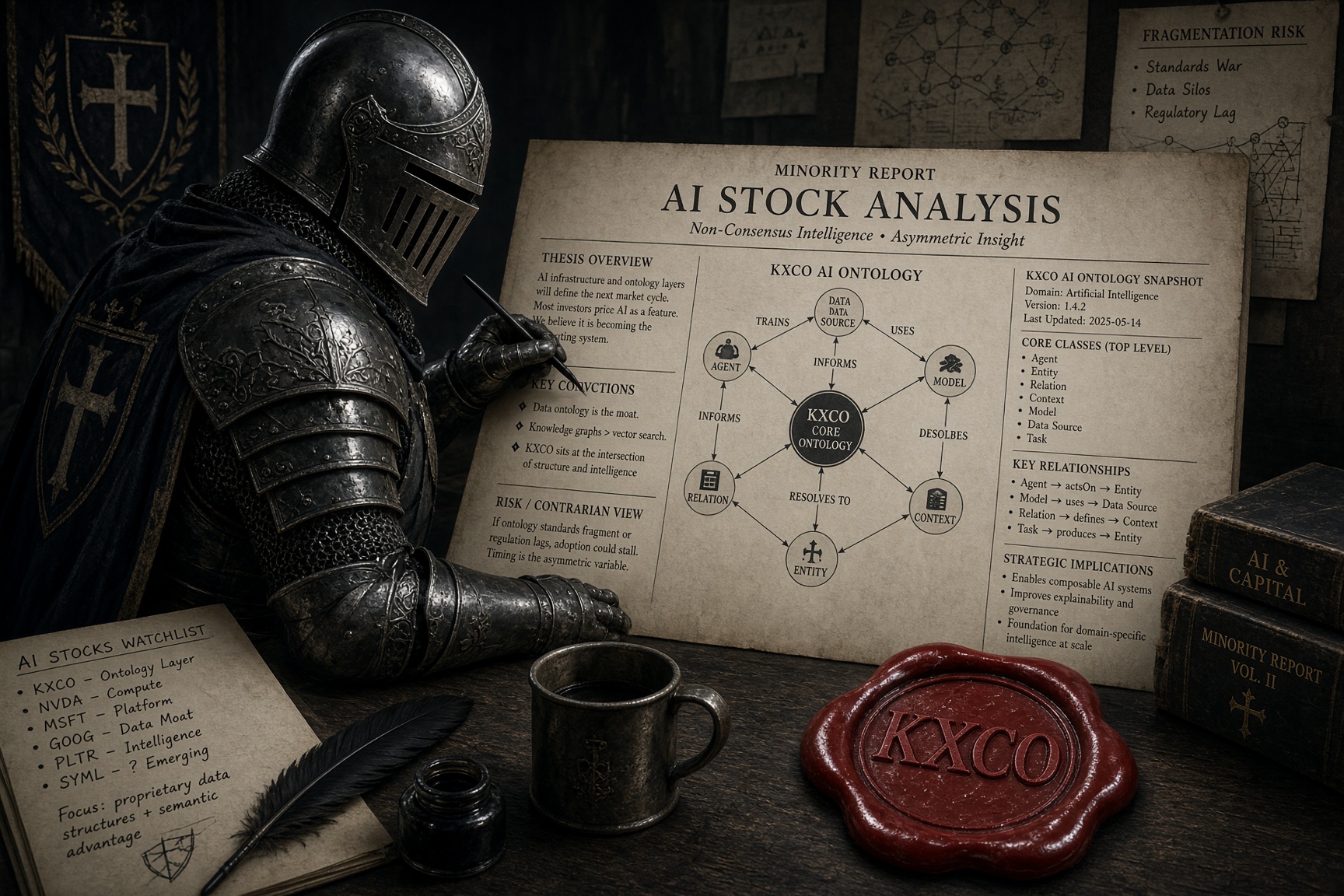
KXCO AI Ontology at 3 Months: What It Called and What Comes Next
On 19 July 2026 the Round Table's AI room published its first Analyst Outlook. To the 16 October 2026 close its 13 names rose 2.6% on an equal weight against 2.1% for QQQ, per StockAnalysis closes, and the six it opened with 35% or more of upside rose 8.6%. This piece lists the six names up more than 5%, the ten names I rate as opportunities now, the month's results in AI and quantum computing, and the official data showing that four in five firms have not yet started using AI.

SpaceX: The Road to 10 Gigawatts
SpaceX did not add an AI business. A company whose processes run on compute built its own computing plant, then built the power to run it. The 10-Q reports 1.4 gigawatts of nameplate compute at 30 June 2026, four leases worth about $41 billion a year and $100 billion of cash. The target is closer to 10 gigawatts than 5 by the end of 2027. This piece sets out the build sequence, the four layers of power in Memphis, and why Terafab is the act after 2027, not the road to it.
Every story, signed and delivered.
Subscribe to the kxco channel and get the headline, the AI-written key takeaways, and the chain-anchor link the moment we publish. Audio versions and per-ticker subscriptions arrive in the next iteration.