
Dead Internet Theory
Dead Internet Theory, also known as the Post-Internet, posits that the internet as we know it – decentralized, open, and accessible – is fading, potentially giving way to a more controlled, corporate-owned, and surveilled online space. While a complex and debatable topic, exploring its potential ramifications requires a nuanced approach, avoiding simple scare tactics and promoting constructive dialogue.
Potential Ramifications:
Reduced accessibility: Increased control by corporations and governments could lead to restricted access for specific groups or regions, creating digital divides and limiting freedom of expression.
Loss of net neutrality: Open internet principles could be eroded, allowing powerful entities to prioritize certain content and services, impacting information consumption and online competition.
Heightened surveillance: Increased control could translate to greater monitoring and data collection, raising concerns about privacy and online anonymity.
Innovation stifled: A rigid, controlled online environment may hinder creativity and experimentation, potentially stagnating technological development and user experience.
Erosion of digital rights: Free and open access to information and communication are fundamental rights. Their potential curtailment could have far-reaching consequences for online activism, discourse, and democratic processes.
However, it's crucial to consider different perspectives:
Increased accountability: Proponents argue that control could lead to better content moderation, tackling issues like hate speech and disinformation.
Improved efficiency: Streamlined infrastructure and regulations could potentially enhance online security and reliability.
Evolution, not extinction: The internet is constantly evolving. This theory may not represent a complete shutdown, but rather a shift in its structure and governance.
Moving Forward:
Dead Internet Theory presents a call for vigilance and informed engagement. We must:
Demand transparency and accountability: Hold corporations and governments responsible for their actions online.
Support net neutrality and open internet principles: Ensure equal access to information and free flow of data.
Prioritize privacy and data protection: Advocate for strong legislation and user-centric practices.
Foster digital literacy and critical thinking: Equip individuals to navigate the online world safely and responsibly.
Remember, Dead Internet Theory is a complex theory, not a definitive prediction. By engaging in nuanced discussions, fostering informed opinions, and advocating for responsible online practices, we can shape the future of the internet for the better.
The Truth in All Its Ugliness Must Survive
A majority vote does not determine the truth. Consensus is a mood, gossip is a sport, and a model will write the pretty version for free. Why the ugly number has to survive, why a record beats a dashboard, and what KXCO was built to keep standing when the room changes its mind.
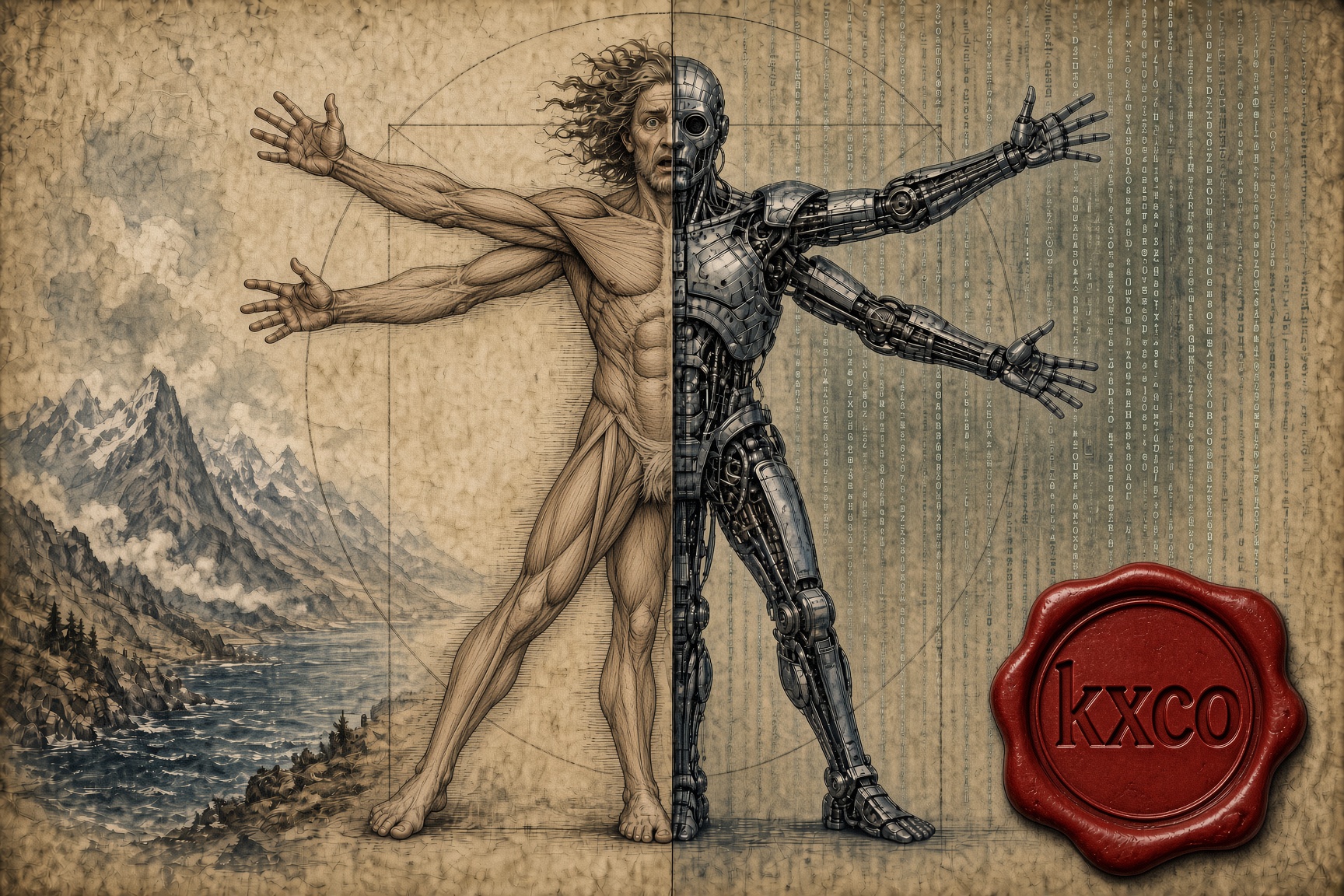
Don't Be the Best, Be the Only: Winning in an AI World
AI is repricing competence downward. What it cannot reproduce is a life. The case for remaining non-fungible, why friction still produces the best ideas, and what it means to build AI systems that keep the human intellect in them.
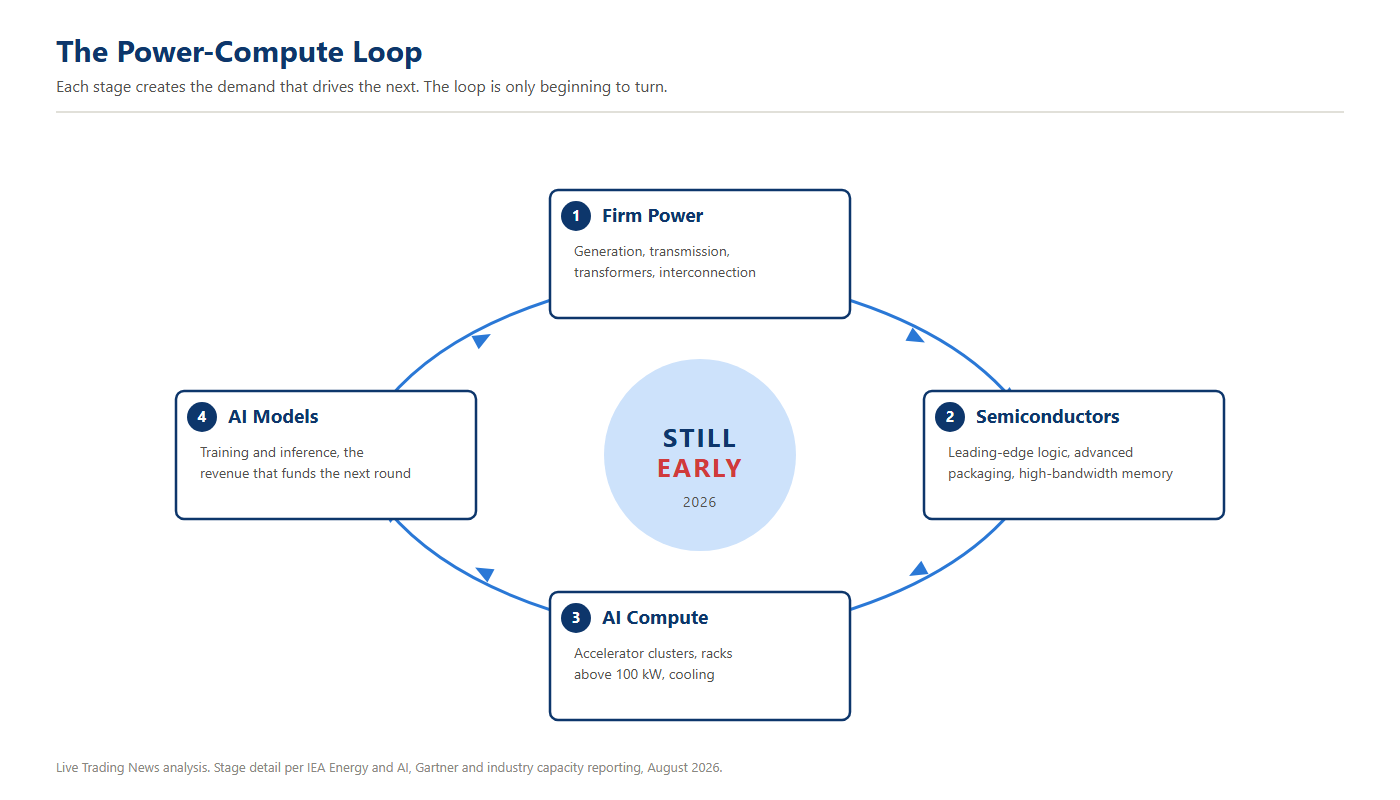
Energy IS the New Currency
Elon Musk said energy would become the de facto currency. He was describing a physical constraint, not a metaphor. Firm power delivered to the rack is now the limiting reagent in the AI build-out, and roughly 158 GW of data-centre capacity still has to be energised by 2030.

Compute and Electricity: The Defining Challenge of Our Times
Compute is no longer limited by silicon. It is limited by firm power. Shayne Heffernan on the AI electricity shock, the nuclear resurgence, the top ten electricity producing countries today and in 2036, who is building for the future, and the equity map of winners across nuclear, gas, fuel and grid.
Every story, signed and delivered.
Subscribe to the kxco channel and get the headline, the AI-written key takeaways, and the chain-anchor link the moment we publish. Audio versions and per-ticker subscriptions arrive in the next iteration.