
Crypto: The Crypto Economy Requires Decentralized Exchanges
#crypto #DeFi #DEX #DAO #TradFi #exchanges #economy #knightsbridge
Unlike centralized exchanges in crypto and traditional finance, or TradFi that use order books, a system that has worked well for 200 yrs + DEXs use 2 innovations to provide services to their users: liquidity pools and automated market maker services.
DEXs provide liquidity that traders can use to swap one token for another. Liquidity pools are smart contracts that traders utilize to move in and out of certain tokens based upon their goals. Automated market maker services are complex smart contracts within the liquidity pool smart contracts that control the price of certain crypto trading pairs in liquidity pools and increase or decrease price based on supply and demand in the market.
The smart contract that governs liquidity pools relies on a specific formula for determining the price of each token. The formula is X * Y = k. X and Y are represented by tokens, and k represents the constant. This formula essentially governs the liquidity pool.
Not only do liquidity pools offer traders access to decentralized liquidity, they also offer investment opportunities to those wishing to stake assets in the liquidity pool. When a user swaps assets through a liquidity pool, a very small fee is paid to the individuals who are providing the liquidity. To put this in common TradFi terms, those who contribute capital to the liquidity pools essentially earn a fee similar to that of a market maker. Liquidity pools, especially new ones, offer very high yields to investors. This concept is called yield farming, and provides income opportunities for those who understand the concept.
In Q-4 of Y 2021, for instance, Uniswap processed $238.4-B worth of trades, an increase of 61% from Q-3. A total of $681.1-B was traded through Uniswap liquidity pools in Y 2021.
DEXs provide all the same services as centralized exchanges, yet they do it in an anonymous and trustless manner. Technology now allows for this to exist outside of any regulated industry and increases access to these financial services for everyone. Knightsbridge's DAO is on top of this wave.
Prior to the creation of Ethereum, traders were forced to use a centralized system to exchange and trade any asset. Smart contracts have opened the doors to a trustless and completely open financial system that, if used correctly, will bring economic benefits to all participants.
Have a healthy, happy, prosperous weekend, Keep the Faith!
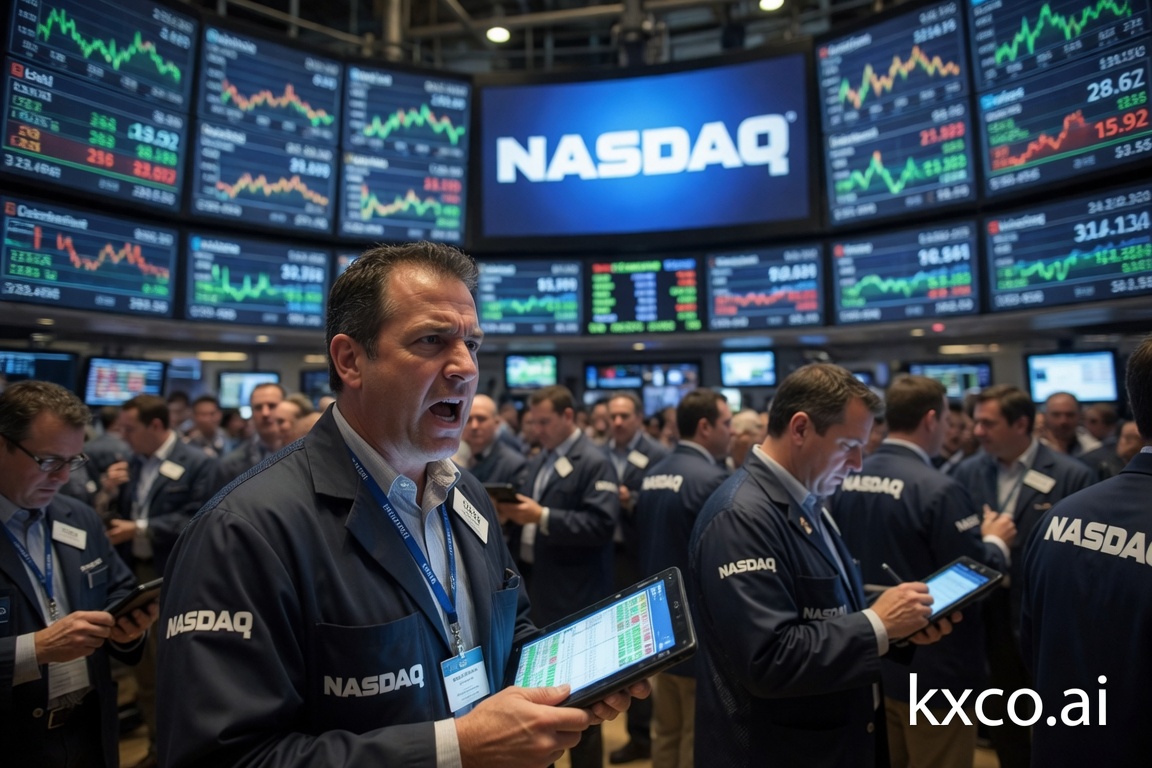
Economic Calendar and Trading Strategies for the Week Ahead: July 20–24, 2026
A pivotal week for markets: Iran's closure of the Strait of Hormuz sends crude above $86 and gasoline over $5, while Alphabet, Tesla and Intel earnings test the AI trade. Full economic calendar plus trading strategies across oil, gold, Bitcoin, FX and AI chip stocks.
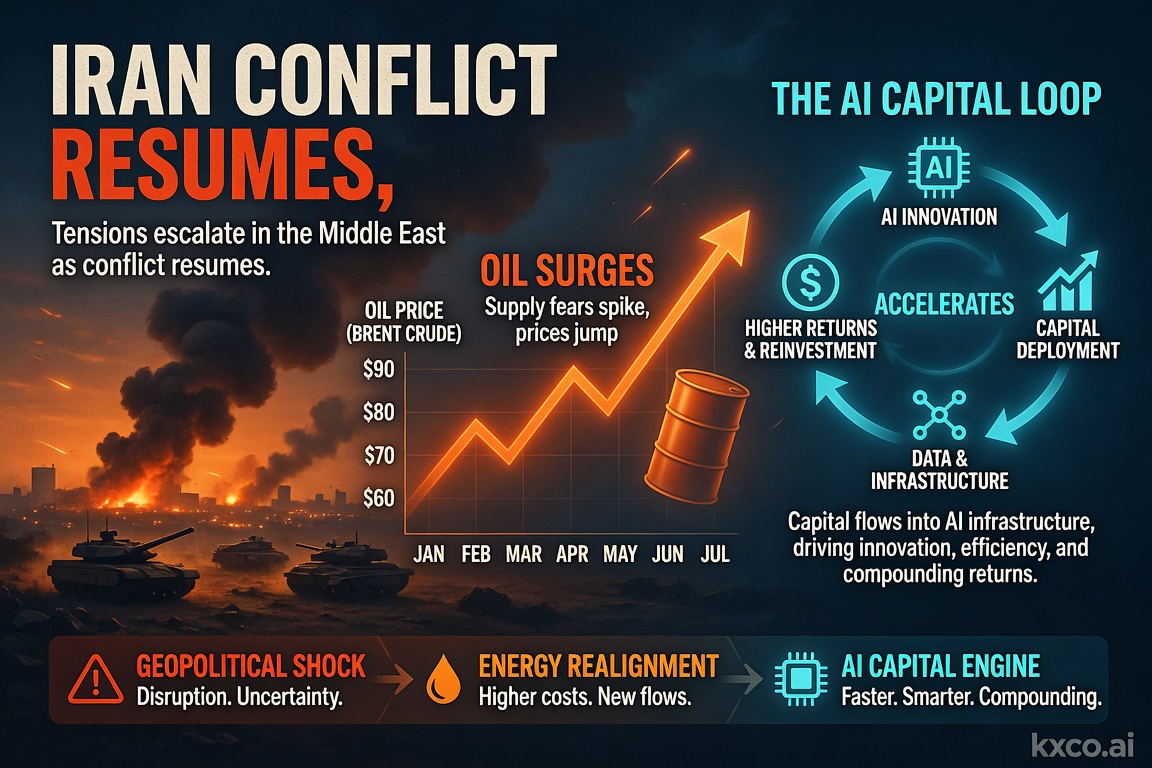
Economic Calendar and Trading Strategies for the Week Ahead: July 14–18, 2026
A pivotal week for markets: US strikes on Iran reignite the oil risk premium, June CPI and retail sales test the Fed's rate-cut path, and the $1 trillion AI capital loop keeps driving the tech trade. Full economic calendar plus trading strategies across oil, gold, Bitcoin, FX and AI stocks.
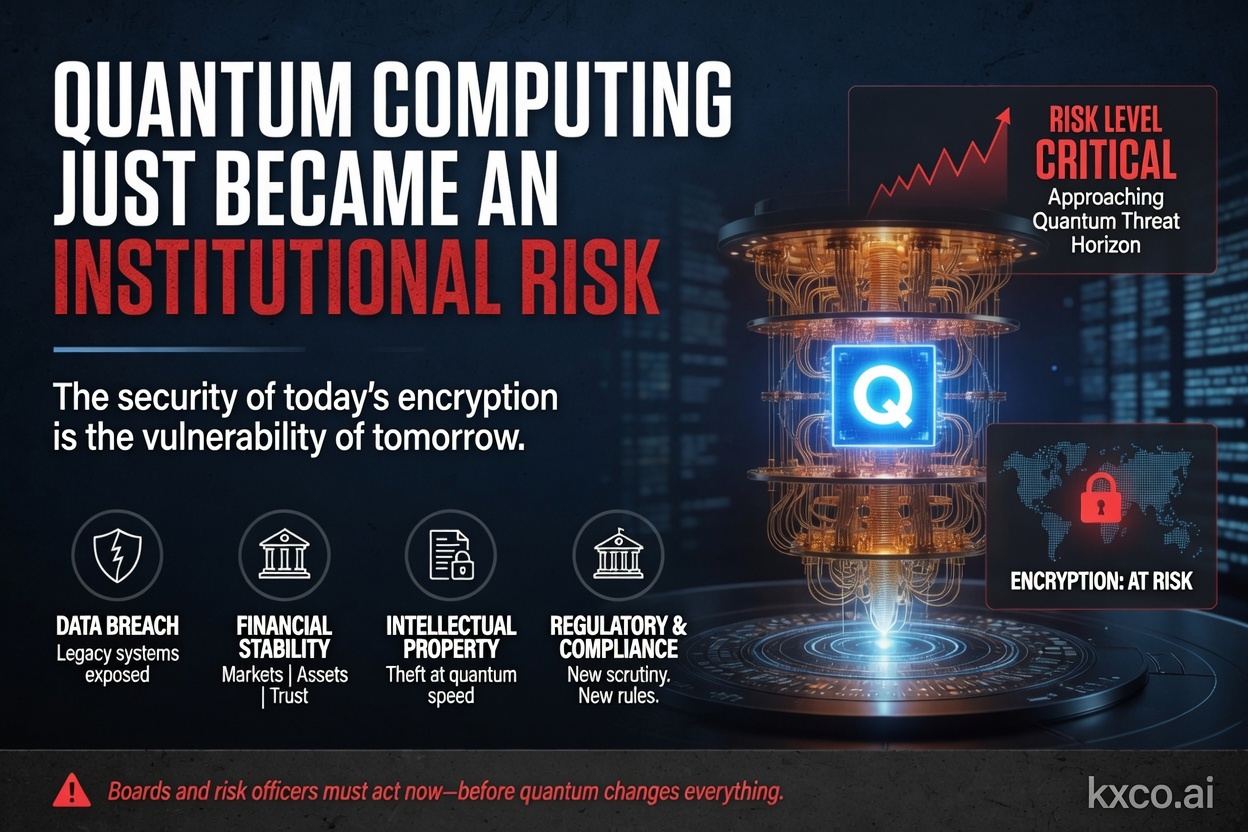
Quantum Computing Just Became an Institutional Risk
Shayne Heffernan on BlackRock's quantum-computing warning for Bitcoin and Ethereum, Google's cryptanalysis research, the two on-chain risk vectors, and how KXCO's Armature L1 — post-quantum from genesis, coordinated by its ontology — answers a threat that just went institutional.
Quantum, AI and the Trust Problem Markets Aren't Pricing
Quantum computing and AI agents are usually traded as separate stories. They are one story, and it is about trust. Shayne Heffernan on why the financial system needs verifiable infrastructure before the volume of machine transactions makes retrofitting impossible.
Every story, signed and delivered.
Subscribe to the kxco channel and get the headline, the AI-written key takeaways, and the chain-anchor link the moment we publish. Audio versions and per-ticker subscriptions arrive in the next iteration.