
Crypto: Blockchain Tech Has Created a Secure Banking Method
#crypto #blockchain #banking
"Blockchain is revolutionizing traditional banking by leveraging a decentralized system that enhances storage capabilities, enhances payments transactions and elevates other banking sector elements" -- Paul Ebeling
From tokenizing various securities to using distributed ledgers, blockchain technology is disrupting traditional banking and forcing traditional institutions and large enterprises to take notice.
Blockchain technology, coupled with the increased advent of digital banking, is a viable banking method for traditional banks and large enterprises coping with their disruptive presence in the banking industry.
Blockchain technology is harder to hack considering that financial information is consistently stored on different computers, making it difficult to compromise the network, preventing falsified balances and fraudulent transactions.
A single blockchain server is tough to compromise, even for the savviest of cybercriminals, as hackers would have to breach every node in the technology at the same time to hack it. The decentralized technology that buffers the blockchain also establishes secure networks for various types of assets.
Because blockchain technology and digital banking are becoming more commonplace, traditional financial institutions and exchanges are gradually seeing the benefits of adopting blockchain technology to securely record and store data regarding stocks, bonds and other financial products.
Because of how strong blockchain security is coupled with cost-effectiveness, as statistics show that it can reduce up to 30% of banking infrastructure costs. Thus it is becoming a widely accepted technology across the financial industry.
A Key reason blockchain technology is becoming a more trusted resource in the banking industry is that it adds extra layers of security to payments. With blockchain technology, more secure and cheaper ways of sending payments are provided, eliminating the need for third-party verification. By using blockchain technology, it’s easier to cut down traditional bank transfer processing times and eliminate the added fees that come with them.
Because conventional banks see high profit-making capabilities by facilitating payments, there is little to no incentive for lowering fees. With more white-label neobanks in operation and the increased adoption of blockchain technology, transactions take less time to settle, lasting minutes rather than hours or days.
By using encrypted distributed ledger technology to verify transactions in real-time, blockchain technology creates quicker payment solutions because there is no reliance on intermediaries to approve payments. And because there is no single point of failure when using blockchain technology, banks and large enterprises have more continuity when leveraging this kind of technology.
There is much much more but in the main Blockchain technology is the undisputed future of banking. While there are still strides to make before blockchain technology becomes fully embraced and adopted, it adds much-needed security boosts to the banking industry, with global finance blockchain infrastructure solutions widely available today.
Have a prosperous day, Keep the Faith!
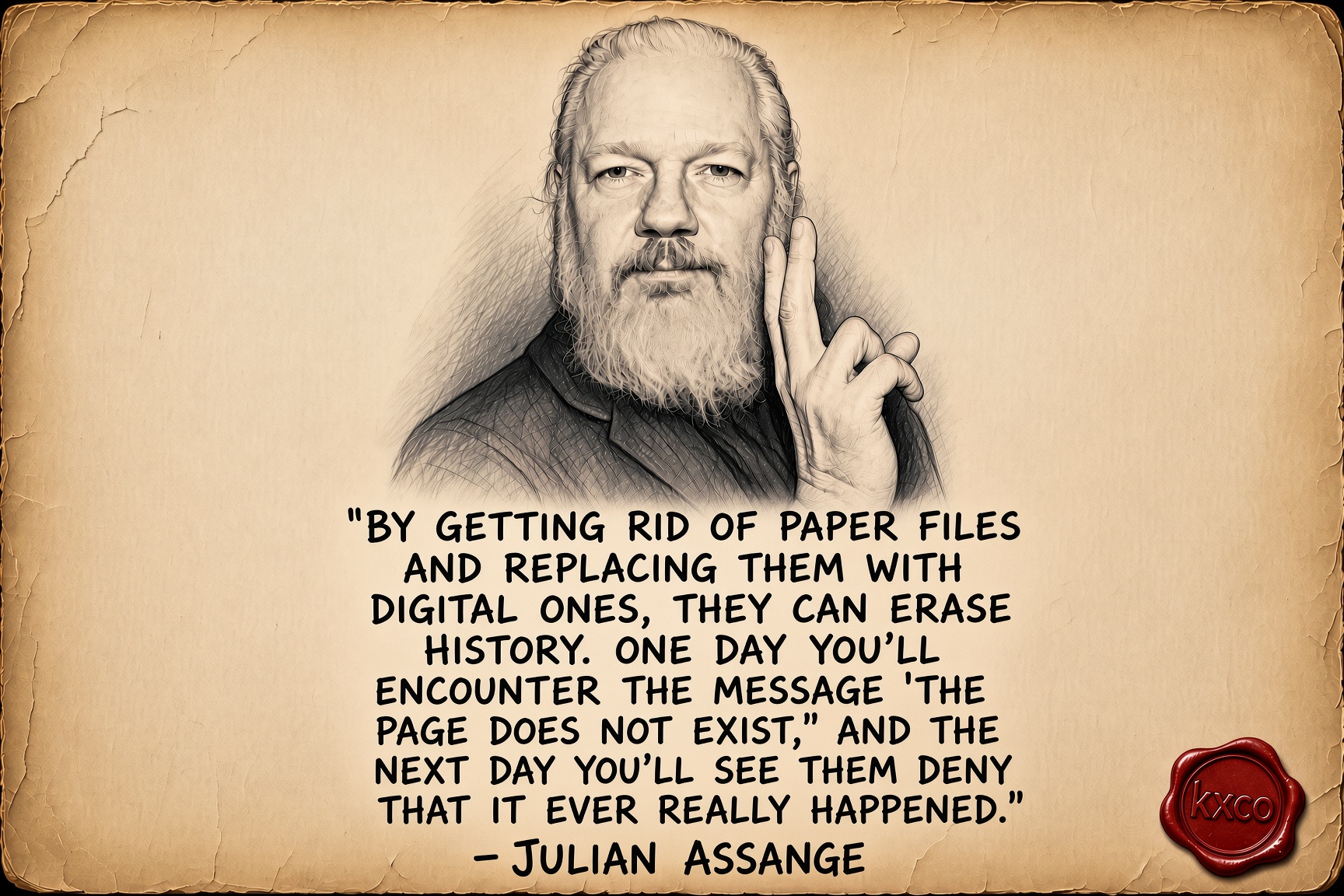
Digital Erasure, and Why KXCO Matters
Pew found 38 percent of 2013's web pages gone a decade later, and quantum computing will eventually let attackers forge the signatures that prove records authentic. Why durable history now depends on post-quantum cryptography, on-chain anchoring and verification that needs nobody's permission.
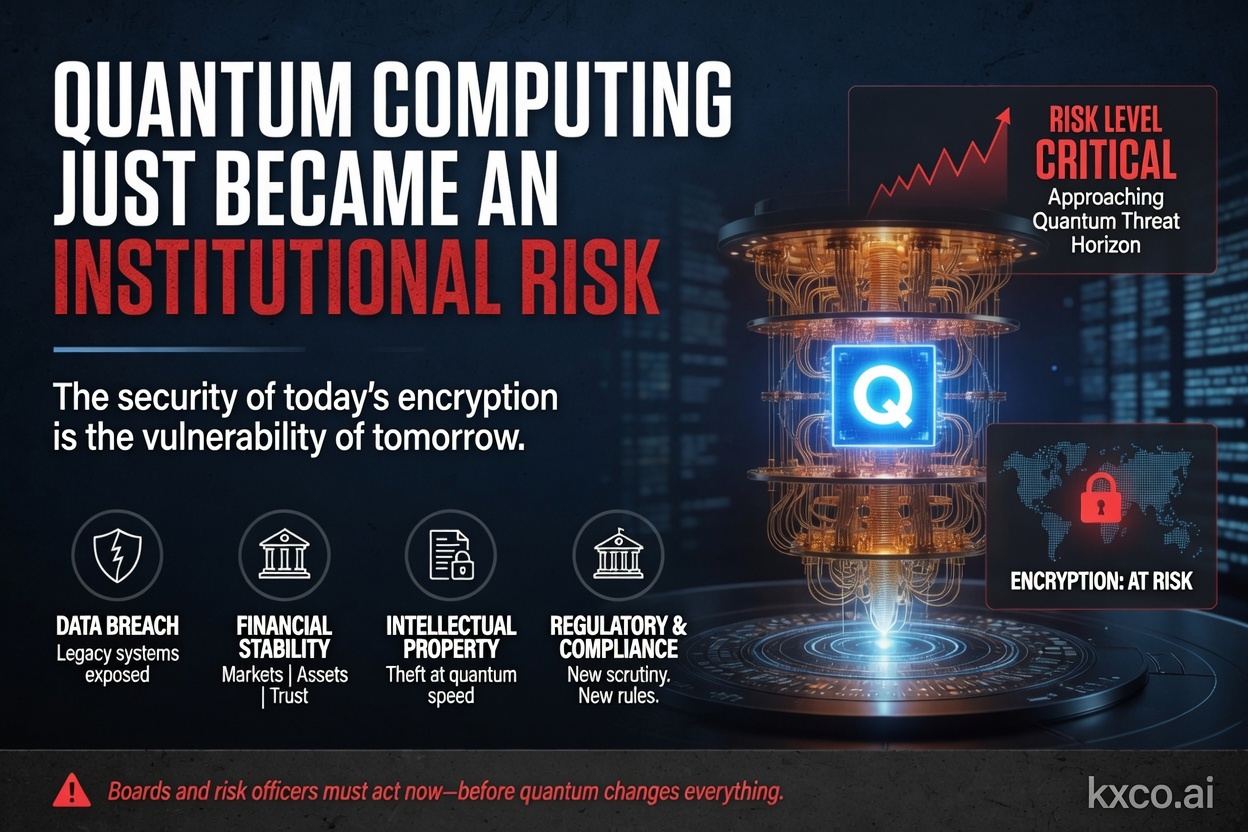
Quantum Computing Just Became an Institutional Risk
Shayne Heffernan on BlackRock's quantum-computing warning for Bitcoin and Ethereum, Google's cryptanalysis research, the two on-chain risk vectors, and how KXCO's Armature L1 — post-quantum from genesis, coordinated by its ontology — answers a threat that just went institutional.

Quantum, AI and the Trust Problem Markets Aren't Pricing
Quantum computing and AI agents are usually traded as separate stories. They are one story, and it is about trust. Shayne Heffernan on why the financial system needs verifiable infrastructure before the volume of machine transactions makes retrofitting impossible.
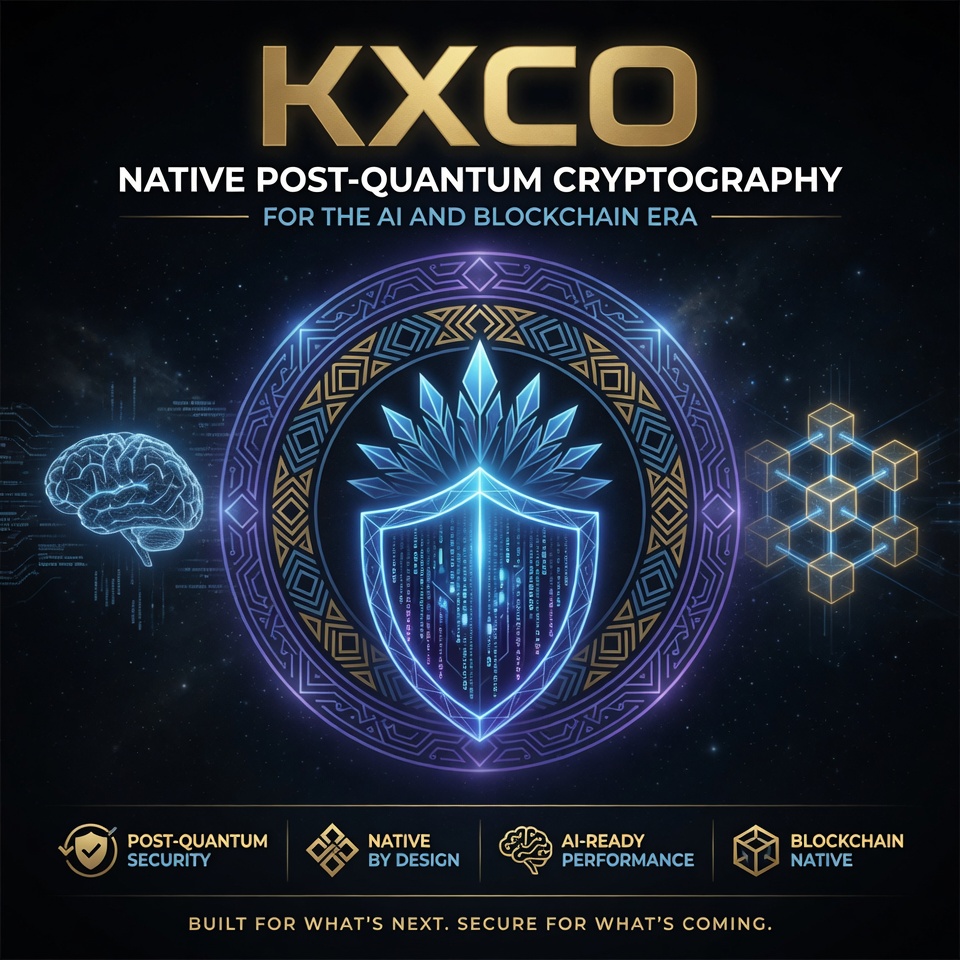
KXCO: Native Post-Quantum Cryptography for the AI and Blockchain Era
KXCO builds NIST FIPS 204 post-quantum cryptography natively into hosting, document signing and identity — including verifiable identity for AI agents.
Every story, signed and delivered.
Subscribe to the kxco channel and get the headline, the AI-written key takeaways, and the chain-anchor link the moment we publish. Audio versions and per-ticker subscriptions arrive in the next iteration.