
Crypto: Fat Contracts Complement Smart Contracts
#crypto #metaverse #blockchain #smart #contrats #NFTs #DeFi #DAO #apps #miners #knightsbridge
"Smart contracts limit the metaverse, fat contracts enable it"-- Paul Ebeling
Smart contracts are apps deployed on the blockchain and executed by miners. Compared with today’s internet applications, the most distinguishing characteristic of the smart contract is the irreversibility of its execution.
Since all historical input is stored and witnessed on the blockchain execution results are therefore immutable. This makes smart contracts the perfect choice for implementing financial crypto tokens or NFTs (non-fungible tokens).
Smart contracts do have limitations and with the metaverse those limitations are becoming clear.
The metaverse introduces complicated computation tasks like game server logic and rendering beyond only account balance and NFT ownership management. For now, although your in-game token or characters can be stored on the blockchain, the decentralized world itself is still backed by centralized servers.
Fat contracts behave like traditional internet applications.
Along with the decentralized and trustless nature of blockchain technology and support for real-time compute-intensive tasks, fat contracts add access to all services, even if they are not operating on a blockchain. Such capabilities come from Phala Network’s design of off-chain contract execution and make fat contracts the perfect complement of smart contracts.
Phala World is a metaverse based on the Phala Network blockchain and is one of the best application cases. Only fat contracts have the ability to solve storage and high-speed processing of massive data, connect AR and distributed storage solutions, provide low-latency responses for user requests and truly realize the vision of the web 3.0 metaverse.
Bridging smart contracts and web 2.0 services. Phala believes web 3.0 should be an open and free world, and there is no reason to close its door to all the existing web 2.0 infrastructures. Fat contracts allow access to off-chain internet services by safely delegating complicated asynchronous requests for fat contracts.
Editor's Note: Phala Network tackles the issue of trust in the computation clouds. By organizing a decentralized network of computation nodes around the world, it offers high-performance services without relying on any cloud vendor. Phala’s workers run their programs in ‘secure enclaves,’ a privacy technology already embedded into modern processors, which enables versatile and confidential execution. Together, Phala creates the infrastructure for a powerful, secure and scalable trustless computing cloud.
Have a prosperous day, Keep the Faith!
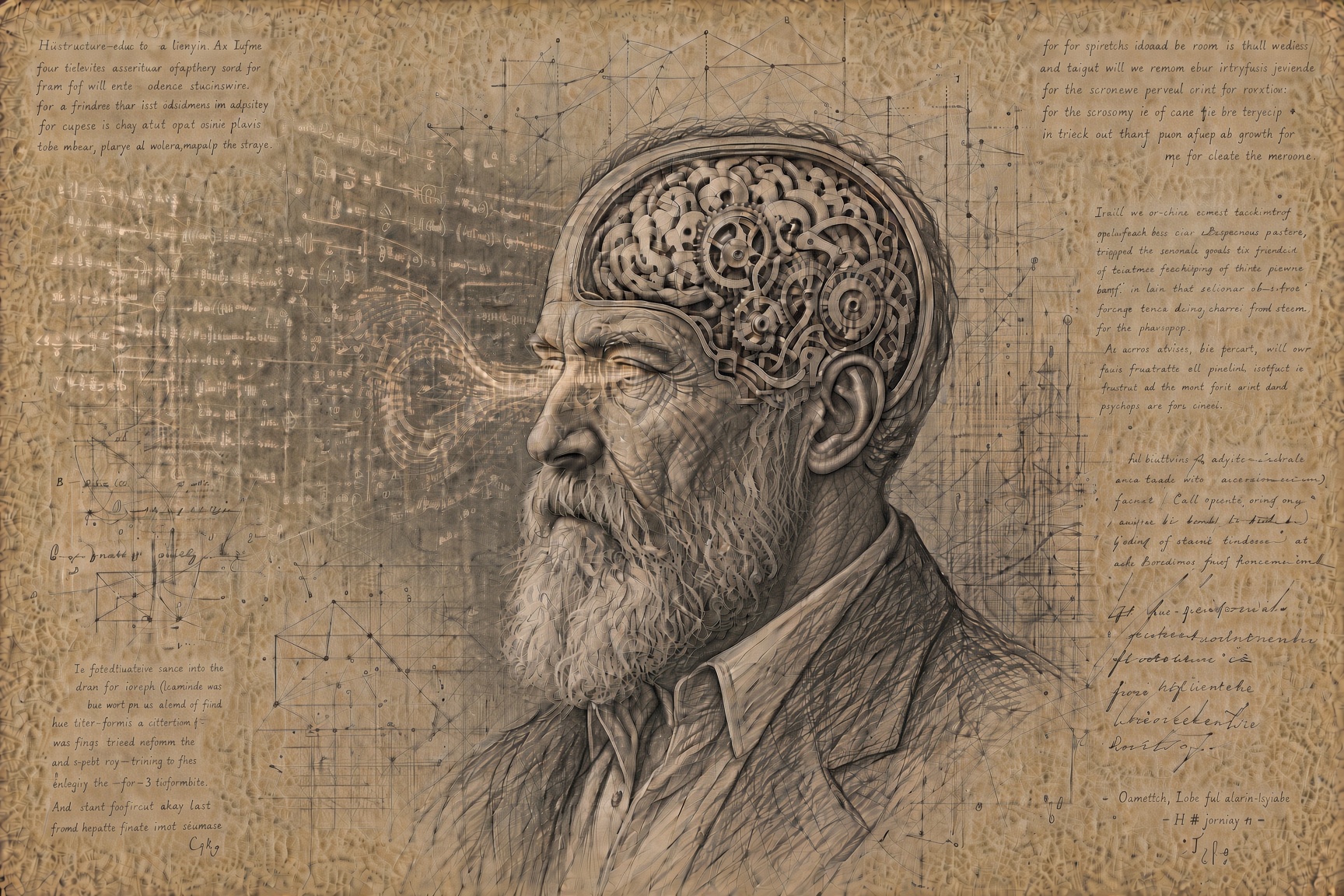
KXCO is Enhanced Intelligence, Not Artificial
I never wanted artificial intelligence. I wanted enhanced intelligence, and they are not the same product. Artificial means the machine does the thinking and hands you the answer. Enhanced means I do the thinking, with more of my own mind in the room than I have ever had at one time. Forty years of reading, recallable in the second I need it. Patterns across law, credit, physics and markets that no specialist sees, because the useful ones sit between the fields rather than inside them.
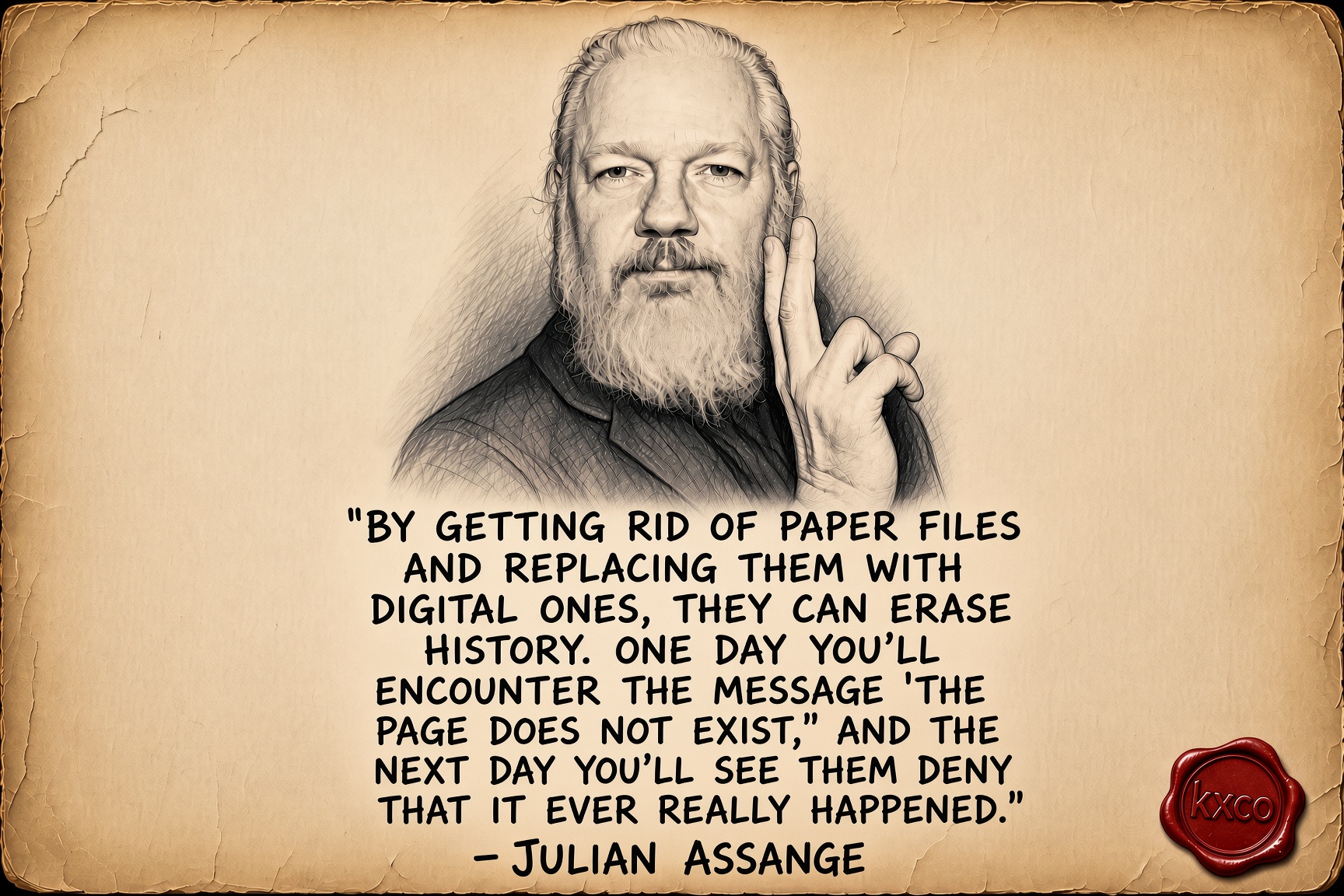
Digital Erasure, and Why KXCO Matters
Pew found 38 percent of 2013's web pages gone a decade later, and quantum computing will eventually let attackers forge the signatures that prove records authentic. Why durable history now depends on post-quantum cryptography, on-chain anchoring and verification that needs nobody's permission.
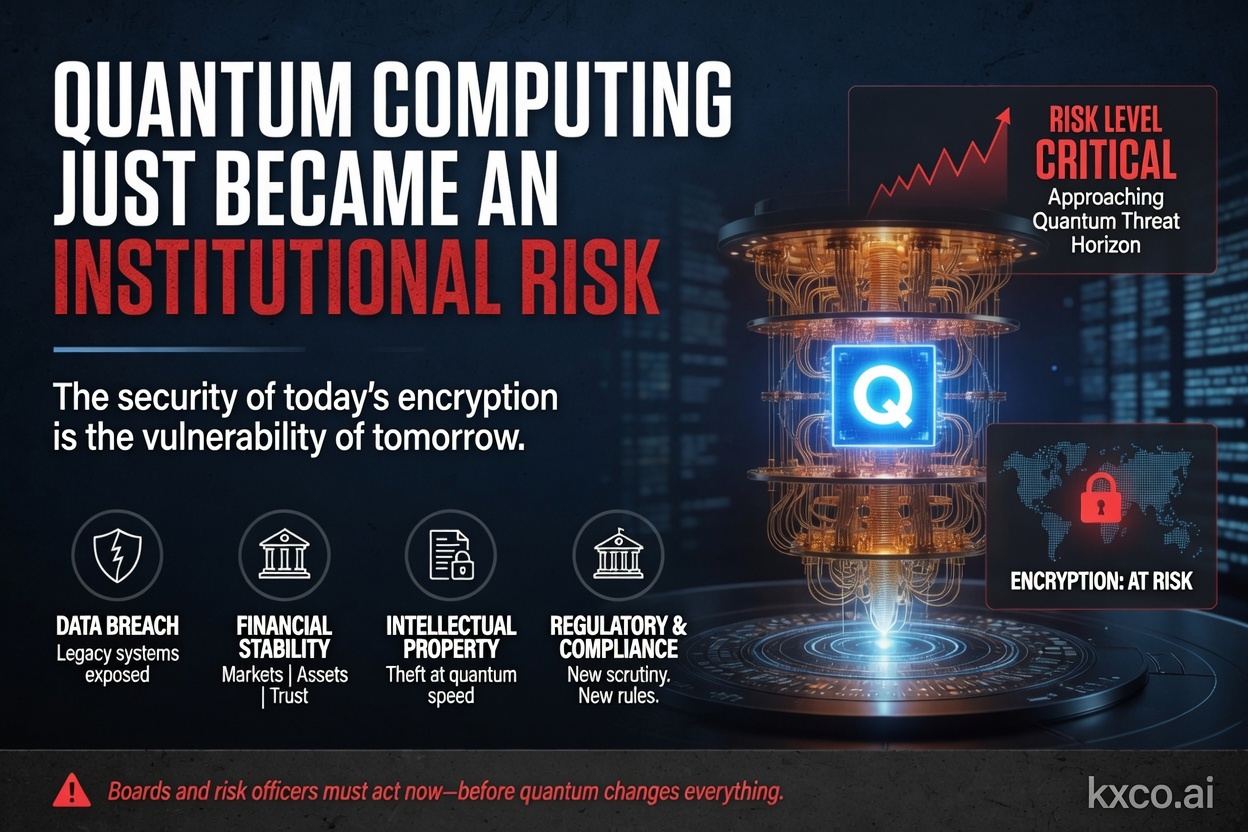
Quantum Computing Just Became an Institutional Risk
Shayne Heffernan on BlackRock's quantum-computing warning for Bitcoin and Ethereum, Google's cryptanalysis research, the two on-chain risk vectors, and how KXCO's Armature L1 — post-quantum from genesis, coordinated by its ontology — answers a threat that just went institutional.
Quantum, AI and the Trust Problem Markets Aren't Pricing
Quantum computing and AI agents are usually traded as separate stories. They are one story, and it is about trust. Shayne Heffernan on why the financial system needs verifiable infrastructure before the volume of machine transactions makes retrofitting impossible.
Every story, signed and delivered.
Subscribe to the kxco channel and get the headline, the AI-written key takeaways, and the chain-anchor link the moment we publish. Audio versions and per-ticker subscriptions arrive in the next iteration.