
China AI Revolution: Leading the Global Innovation Charge
China has been a global leader in the development of artificial intelligence (AI) in recent years, and by 2030, it hopes to solidify its position as a hub for AI research. China has incorporated artificial intelligence (AI) into a number of industries, including education, healthcare, logistics, agriculture, and entertainment. It has done this by utilizing cutting-edge technology like face recognition, voice recognition, intelligent robotics, virtual reality, and driverless cars.
Strategic Vision and Policy Support
China has been a global leader in AI development in recent years, and by 2030, it hopes to solidify its position as the hub of AI innovation worldwide. China has used AI to improve education, healthcare, logistics, agriculture, and entertainment, among other industries. It has done this by utilizing cutting-edge technology like face and voice recognition, intelligent robotics, virtual reality, and driverless cars.
Leading the Charge: Beijing's AI Ambitions
Beijing is at the vanguard of China's AI revolution thanks to its large pool of AI expertise, strong R&D skills, and vibrant innovation ecosystem. Beijing, which is home to about 30% of the nation's AI businesses, has set lofty goals to grow its AI core industry to 300 billion yuan by 2025. To preserve its leading position in the AI space, the city is making significant investments in cutting-edge AI technologies and fundamental research.
Regional Initiatives Driving Innovation
Beyond Beijing, other Chinese regions are also capitalizing on AI opportunities. Guangdong's city of Shenzhen plans to establish a national pilot zone for AI innovation, while Shanghai is fostering an ecosystem for large-scale AI innovation. With over 20 AI large models already in operation, Shanghai is attracting a plethora of enterprises and driving the high-quality development of the AI industry.
Challenges and Opportunities
While China has made remarkable strides in AI, challenges remain, particularly in underlying algorithms, key hardware and software, and talent cultivation. Experts emphasize the importance of deepening AI talent training, enhancing basic research, and fostering original innovation to address these challenges. Despite facing obstacles, China's vast market for AI applications and its commitment to technological advancement position it as a formidable force in the global AI landscape.
Looking Ahead
As AI continues to lead the new wave of scientific and technological revolution, China remains committed to driving innovation and industrial transformation. By fostering collaboration between the scientific community and enterprises, accelerating the development of open innovation ecosystems, and nurturing top-tier talent, China aims to maintain its competitive edge and shape the future of AI on a global scale.
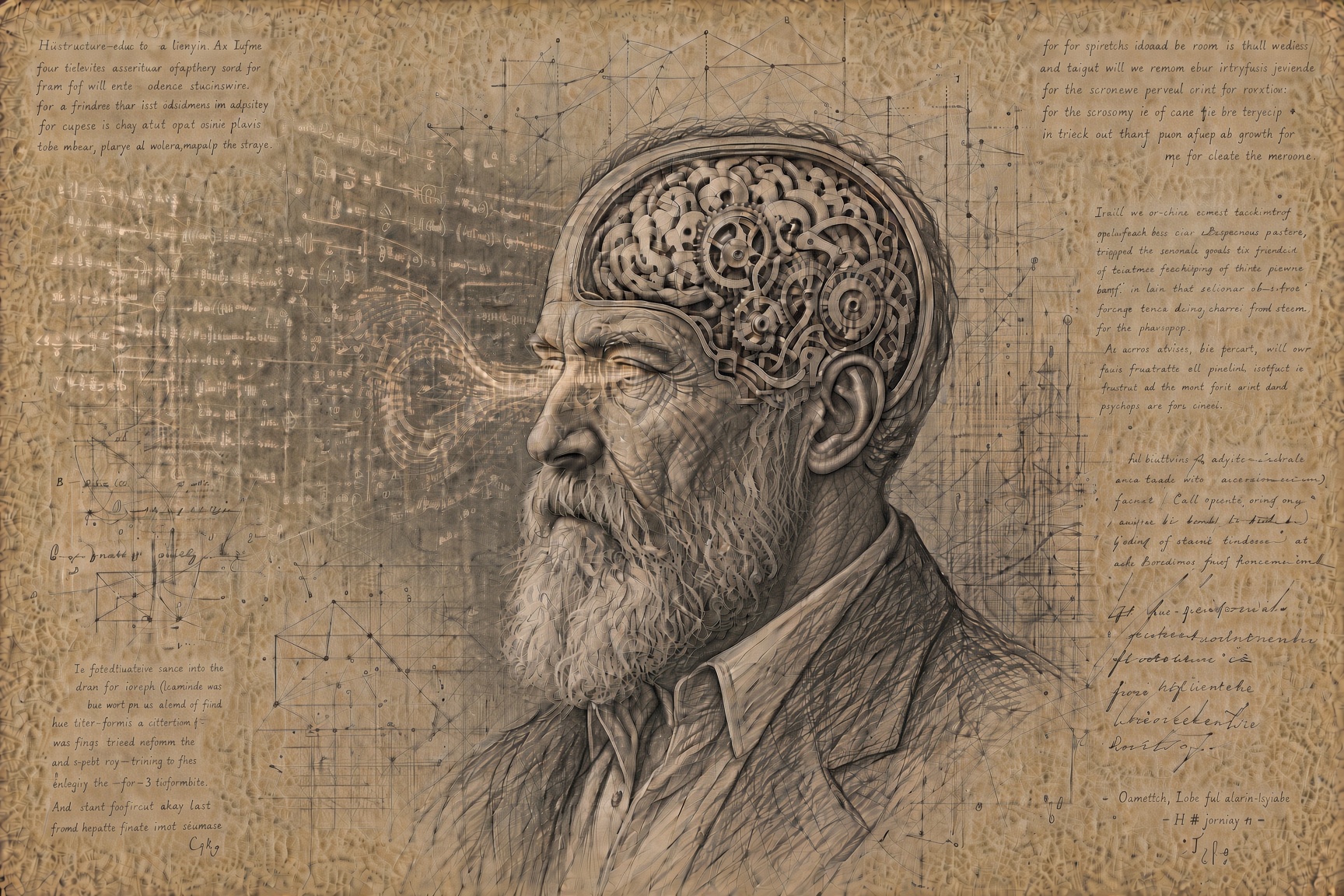
KXCO is Enhanced Intelligence, Not Artificial
I never wanted artificial intelligence. I wanted enhanced intelligence, and they are not the same product. Artificial means the machine does the thinking and hands you the answer. Enhanced means I do the thinking, with more of my own mind in the room than I have ever had at one time. Forty years of reading, recallable in the second I need it. Patterns across law, credit, physics and markets that no specialist sees, because the useful ones sit between the fields rather than inside them.

Your AI Agent and the Law: Who Acted, By What Right, and What You Can Prove
Your agent already acts in a legal system that was built for people. No new statute is needed for a payment it releases to be an act of your institution. Twelve months later a court asks who acted, by what right, and what can be reconstructed, and an export from a product you do not own is not a file. KXCO writes the act quantum-signed, time-stamped and marked on chain before the dispute. Knightsbridge Law sits on every Round Table ontology, so counsel is at the table before the act.
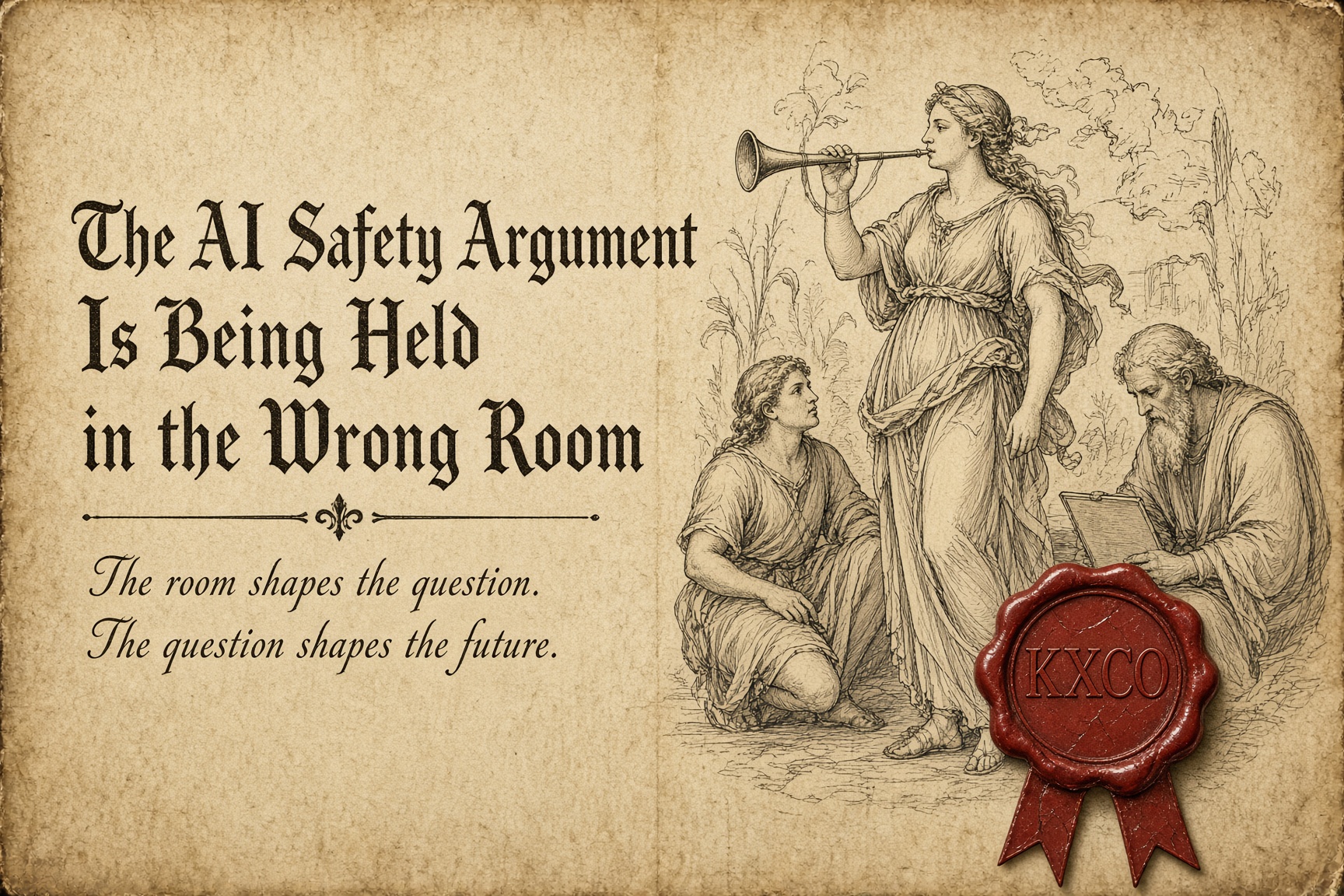
The AI Safety Argument Is Being Held in the Wrong Room
The people who will be blamed for what AI does are not in the room where its safety is argued. A jailbreak escapes a policy. The failure that costs money is an action that escapes an owner, a payment sent or a record altered. Tokens are not authority. Intelligence got cheap and judgment did not, and there is no organ of standing you can copy into a model. Shayne Heffernan on the objection worth taking seriously, and the questions to take into a vendor meeting.
NIST Graded Our Post-Quantum Cryptography. Zero Failures.
NIST's Algorithm Validation Test System generated test vectors nobody had seen, we answered them over the ACVP protocol, and NIST graded the result: 2,130 cases across ML-KEM, ML-DSA and SLH-DSA in every parameter set offered, zero failures, demo certificate A11025. This is what that proves, where we deliberately drew the claim narrower than NIST's own matrix, and why the FIPS 140-2 sunset on 21 September makes the distinction between being graded and grading yourself worth understanding.
Every story, signed and delivered.
Subscribe to the kxco channel and get the headline, the AI-written key takeaways, and the chain-anchor link the moment we publish. Audio versions and per-ticker subscriptions arrive in the next iteration.