
Binance Faces $2 Billion Outflows amid Mounting Regulatory Challenges
Binance, one of the world's largest cryptocurrency exchanges, has been facing mounting troubles in recent months. According to the Wall Street Journal, the company has seen a massive $2 billion outflow from its platform. This outflow has come amid growing concerns about the regulatory challenges facing Binance.
CFTC Lawsuit Adds to Regulatory Challenges
The US Commodity Futures Trading Commission (CFTC) recently filed a lawsuit against the exchange, alleging that it had illegally allowed US residents to trade on its platform. The Financial Times reports that Binance has faced warnings and investigations from regulators in multiple countries, including the UK, Japan, and Germany.
Binance has denied any wrongdoing and maintains its commitment to complying with all relevant regulations. However, the $2 billion outflow represents a significant loss of assets for the exchange, and it is unclear how Binance will weather the storm. The outflow is also a worrying sign for the wider cryptocurrency market, which has been volatile in recent months. Binance has been a major player in the market, and its struggles could have ripple effects on other cryptocurrencies and exchanges.
Ripple Effects on the Wider Cryptocurrency Market
Despite these challenges, Binance has attempted to reassure its users in the wake of the outflows, stating that it has ample reserves to cover any withdrawals. The company has also taken steps to address some of the concerns raised by regulators, including implementing KYC procedures and launching educational initiatives to help users understand the risks and benefits of trading cryptocurrencies.
Binance's regulatory troubles come at a time when governments around the world are taking a closer look at cryptocurrencies and the companies that facilitate their trade. The concerns stem from the fact that cryptocurrencies are largely unregulated and can be used for illicit activities such as money laundering and financing terrorism. As a result, regulators are increasingly focusing on ensuring that companies like Binance comply with the rules and regulations in each jurisdiction where they operate.
Uncertainty Ahead as Challenges Continue to Mount
As the cryptocurrency industry continues to evolve, companies like Binance will need to navigate a complex and ever-changing regulatory landscape. However, Binance's recent troubles serve as a reminder that compliance with these regulations is essential for long-term success in the industry. Only by working with regulators and addressing concerns about security and stability can companies like Binance hope to build a strong and sustainable business that benefits all stakeholders in the cryptocurrency ecosystem.
To speak to a professional, contact KXCO.IO
More from Live Trading News:
Thailand’s Tax Break for Investment Tokens: Impact on Real Estate Finance
Stock Exchange of Thailand Digital Roadshow Q4 2022
Thailand’s Tourism Industry Surges in 2023 with Tax Breaks and Songkran Festival

Democrats' AI Spending Curtailment: The Dumbest Idea in Washington
After the midterm sweep, Democrats want to slow America's AI build-out. The Sanders and Ocasio-Cortez bill would freeze building and upgrading of AI data centres nationwide, and a superintelligence ban Rep. Yassamin Ansari wants atop the agenda would pause every model trained with 10^25 operations or more. Governors-elect in Texas and Georgia back pauses, and Goldman Sachs puts 45% of planned capacity in Democrat-run states backing moratoriums. Shayne Heffernan: AI computing follows the power.
KXCO Pay Is Live: WooCommerce Crypto Payments Straight to Your Own Wallet
KXCO Pay 1.0.0 went live on WordPress.org on 7 October 2026. It adds Bitcoin, Ether, USDT and USDC to WooCommerce, and the customer pays the merchant's own address. The plugin holds no funds and no keys: it reads the chain through public services, prices each order from CoinGecko, locks the rate and settles the order once the payment confirms. A shortcode, a block and a REST API take payment on any page. Free under the GPL, with no commission on any payment.
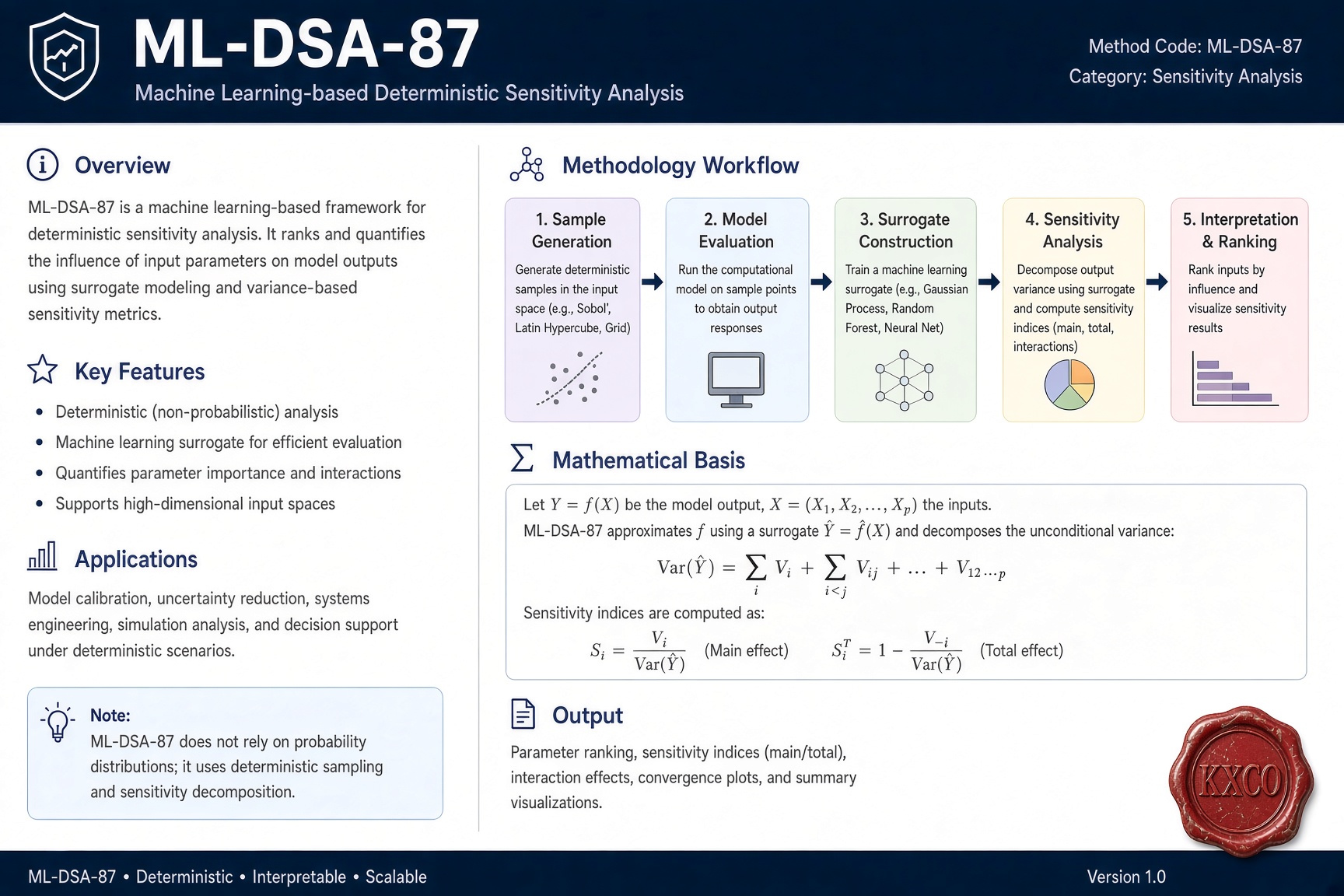
KXCO Now Verifies ML-DSA-87 in Consensus, the Signature Level Named by the NSA
On 6 October 2026 KXCO's chain began verifying ML-DSA-87 signatures as a rule of consensus, and the first ML-DSA-87 identity registered 28 seconds later. ML-DSA-87 is the category 5 level of NIST's FIPS 204, specified by the NSA for US national security systems and preferred by Australia's Information Security Manual. KXCO ships it for signing and for keys held in hardware, accepts it across its network and verifies it on chain, and anyone can check a verdict.

Digital Erasure, and Why KXCO Matters
Pew found 38 percent of 2013's web pages gone a decade later, and quantum computing will eventually let attackers forge the signatures that prove records authentic. Why durable history now depends on post-quantum cryptography, on-chain anchoring and verification that needs nobody's permission.
Every story, signed and delivered.
Subscribe to the kxco channel and get the headline, the AI-written key takeaways, and the chain-anchor link the moment we publish. Audio versions and per-ticker subscriptions arrive in the next iteration.