
Kampot White Pepper: The Health Benefits
Piperine drives nutrient absorption, digestive enzyme output, antioxidant and antibacterial activity. Here is what the research actually shows, and why a protected origin zone in Cambodia keeps this pepper above $100 a kilogram.
Part of theLife Center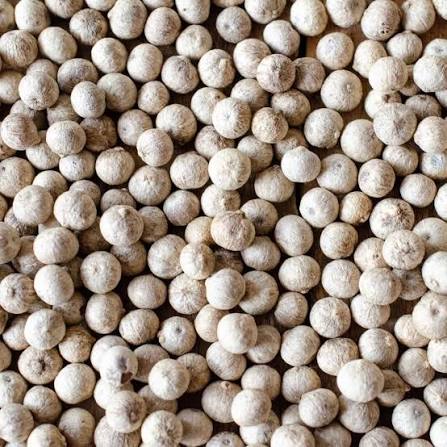
Kampot white pepper is the most expensive white pepper in the world, and it is also one of the few luxury spices where the health argument is more than marketing. The active compound is piperine, the alkaloid that gives all true pepper its pungency, and it has a research record going back decades covering nutrient absorption, digestion, antioxidant and anti-inflammatory activity, antibacterial action and lipid metabolism.
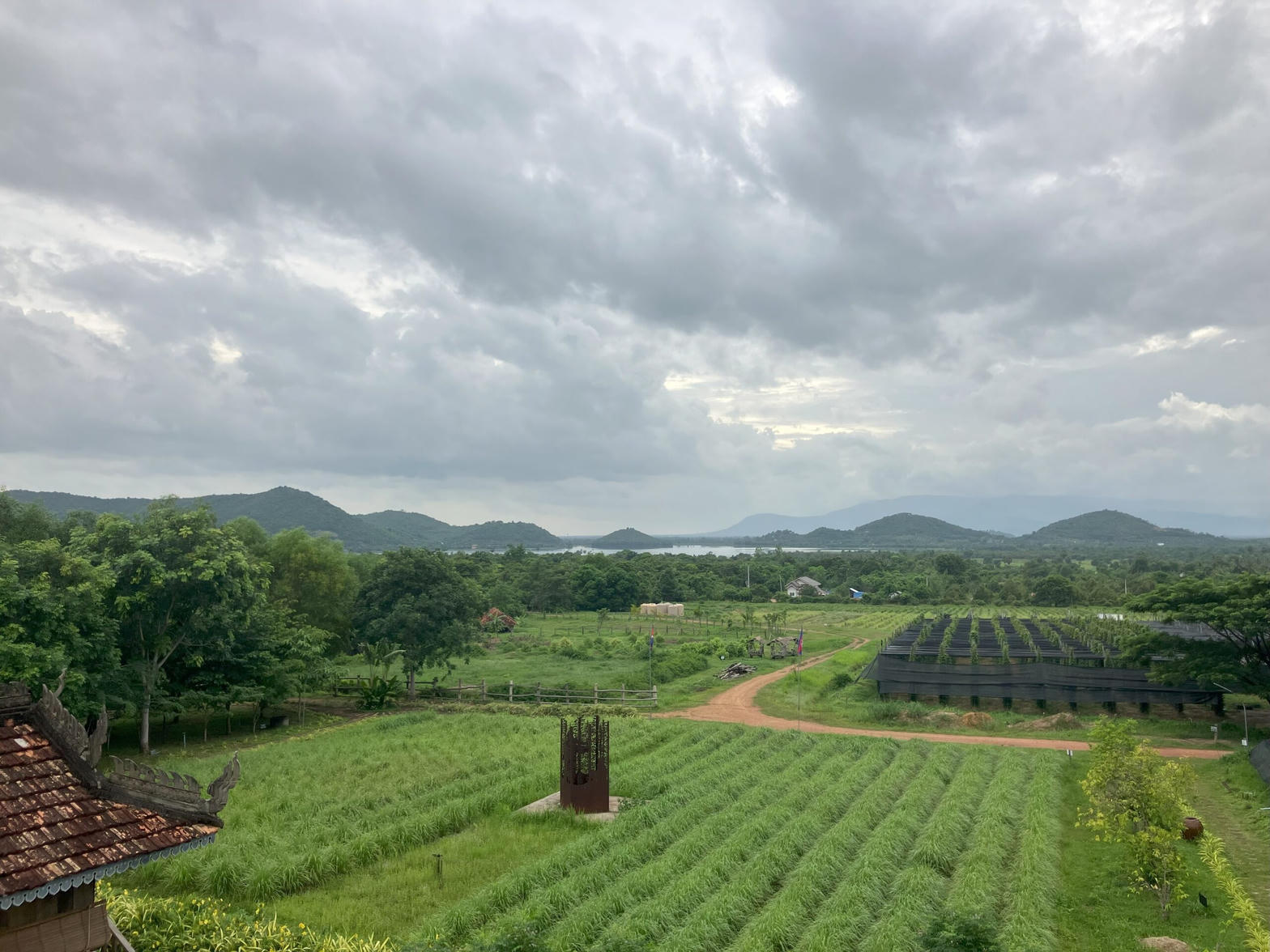
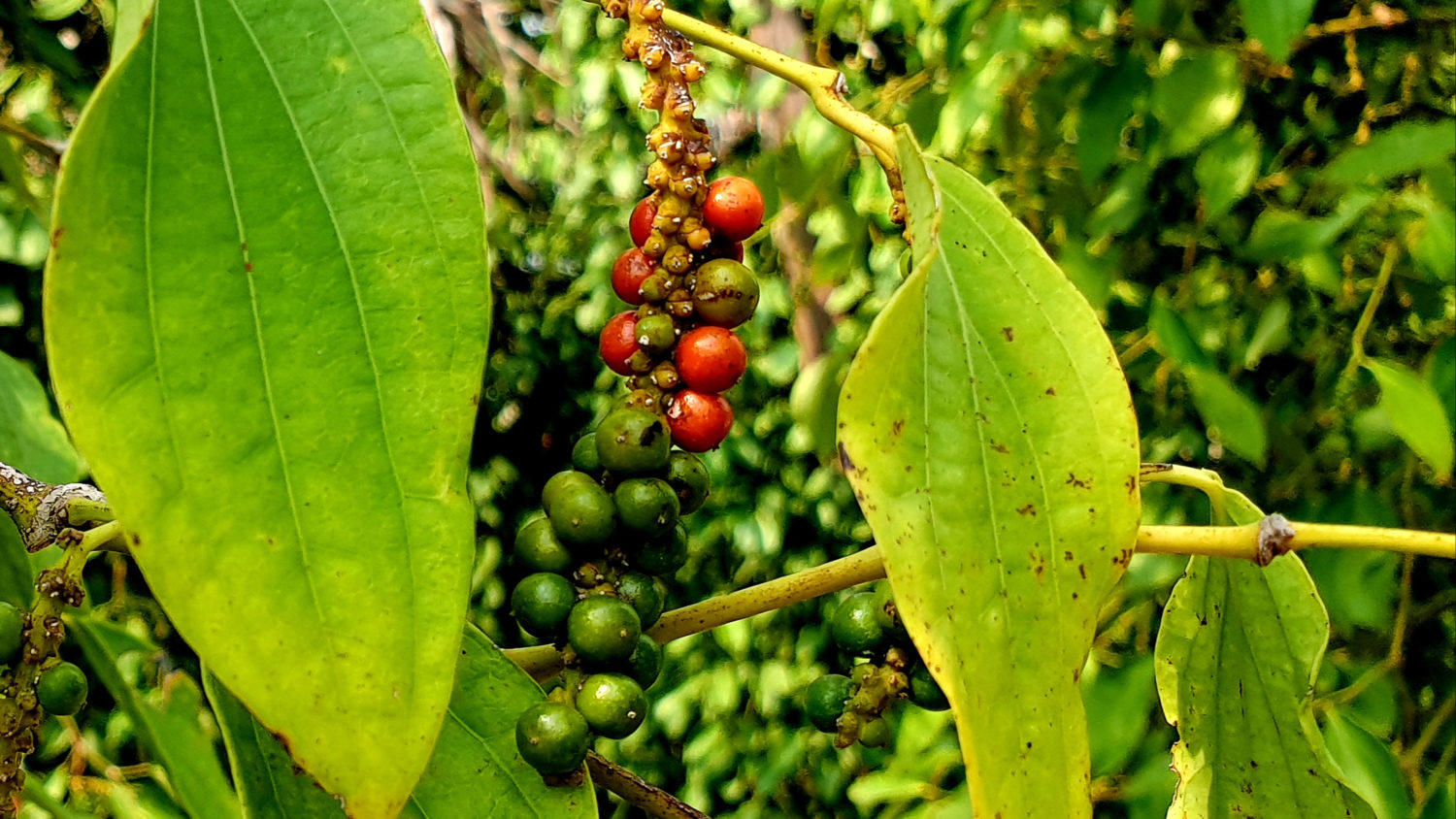
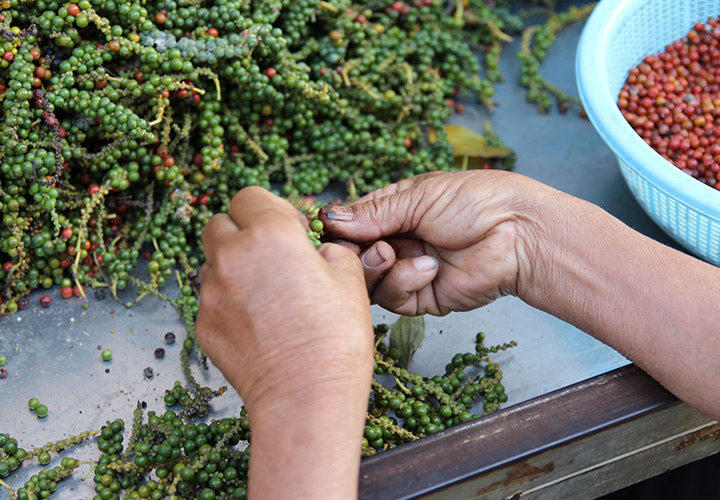
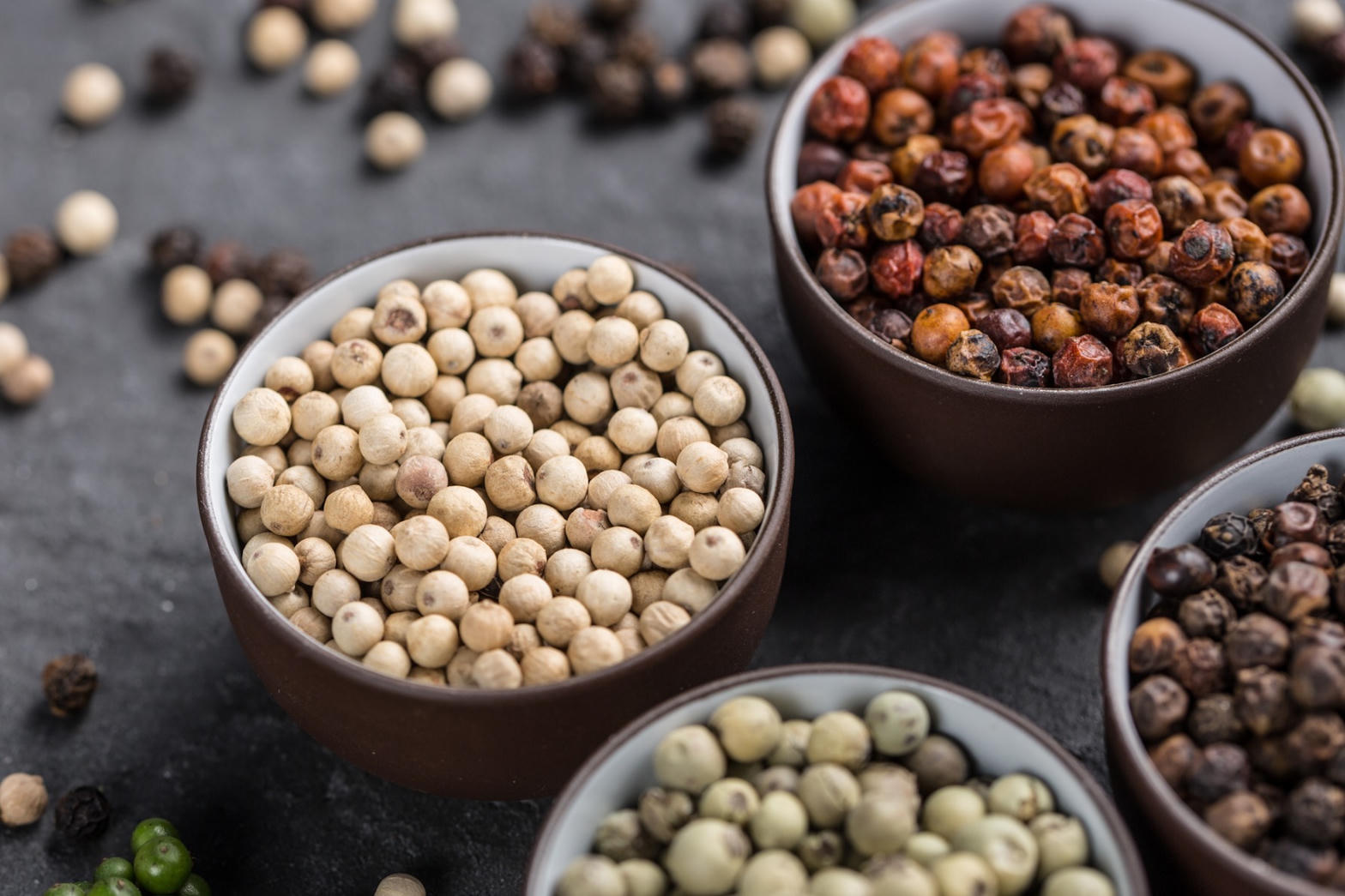
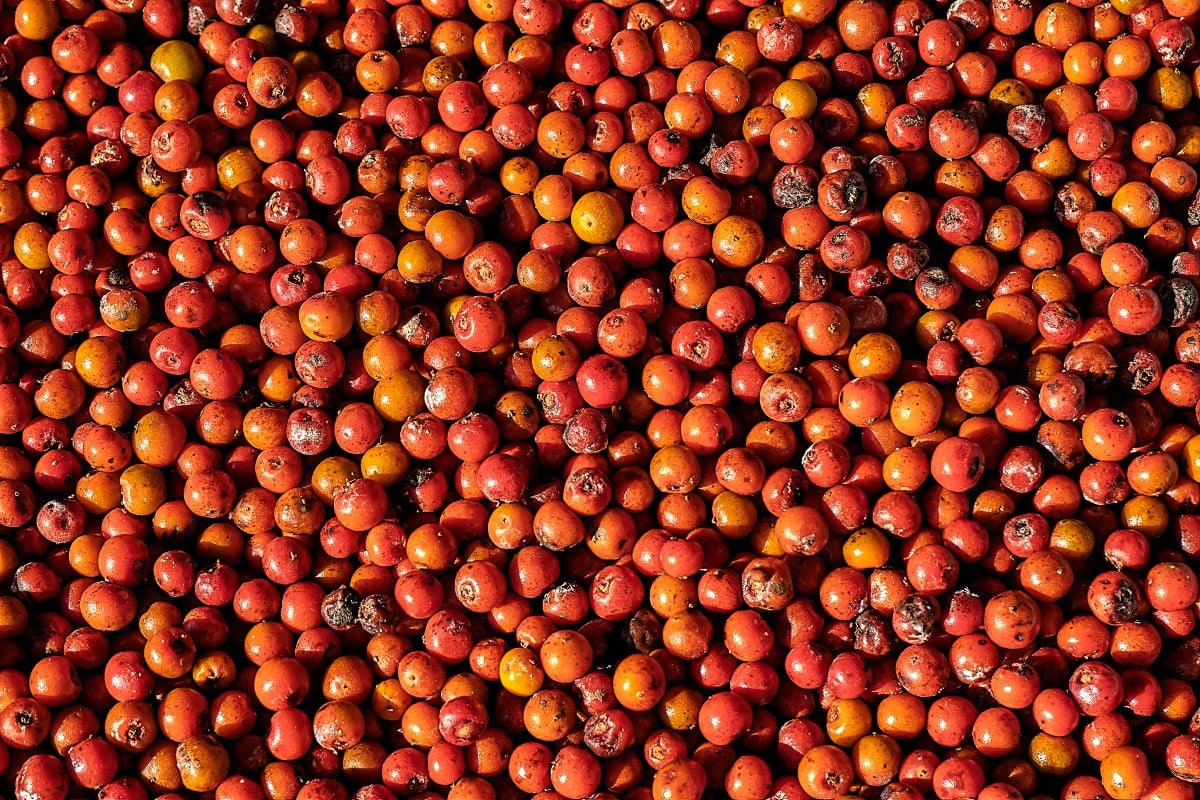
Grown only inside a small protected zone across Kampot and Kep provinces in southern Cambodia, it is sold in Europe at figures that would be absurd for ordinary pepper, and it keeps finding buyers. Ordinary white pepper is usually made from unripe green berries using industrial methods, and the result often carries musty or fermented notes. Authentic Kampot white pepper is made from fully ripe red berries, picked in a narrow window and stripped by hand. What comes out is a clean spice with citrus, floral, eucalyptus and grassy notes, and a smooth heat that lingers instead of biting.
Health benefits: what the research on piperine actually shows
Kampot white pepper is Piper nigrum, the same species as black pepper, so the pharmacology is the pepper pharmacology. The relevant question for white specifically is what the processing does to the chemistry, because white pepper has its outer fruit layer removed.
The answer is favourable for piperine and unfavourable for polyphenols. A 2020 study in LWT Food Science and Technology measured black pepper before and after the skin was taken off and found total phenol content 23.9 percent lower and total flavonoid content 24.0 percent lower in the white product, with DPPH and ABTS radical scavenging activity down 66.2 percent and 54.3 percent. Piperine content, however, was 8.2 percent higher after the skin was removed (Lee, Kim, Shin and Kim, *LWT*, 2020).
That is the honest picture. White pepper is the weaker antioxidant of the two, and it is the more concentrated source of the compound that does most of the documented pharmacological work. Organic cultivation under the PGI rules adds a further practical benefit, which is a product free of pesticide residues.
The broadest single overview of the field remains K. Srinivasan's review in Critical Reviews in Food Science and Nutrition, which covers the digestive stimulant action, the bioavailability effect, antioxidant and anti-inflammatory activity and thermogenic effects across the animal and human literature (Srinivasan, 2007).
Enhanced nutrient absorption
This is the most practical and best evidenced benefit of eating quality pepper, and it is the reason piperine appears in supplement formulations worldwide.
The landmark study is Shoba and colleagues in Planta Medica in 1998. Curcumin, the active compound in turmeric, is poorly absorbed on its own. Given with 20 mg of piperine alongside a 2 g dose of curcumin, bioavailability in healthy human volunteers rose by 2,000 percent. In rats the increase was 154 percent (Shoba et al., *Planta Medica*, 1998, PMID 9619120).
The mechanism is inhibition of the enzymes and transporters that clear foreign compounds from the gut and liver before they reach circulation. Piperine inhibits both P-glycoprotein, the efflux pump that pushes compounds back out of intestinal cells, and CYP3A4, the single most important drug metabolising enzyme in the human body (Bhardwaj et al., *Journal of Pharmacology and Experimental Therapeutics*, 2002, PMID 12130727).
Two caveats worth stating plainly. The 2,000 percent figure comes from one small trial in healthy volunteers using an isolated dose, not from sprinkling pepper on food. And the same mechanism that boosts absorption of nutrients boosts absorption of medicines, which is covered below.
Digestive support
Pepper has been used as a digestive aid in Cambodia and across Asia for centuries, and the mechanism is measurable. Platel and Srinivasan fed piperine and other spice principles to rats over eight weeks and found significant stimulation of pancreatic lipase, amylase, trypsin and chymotrypsin, the core enzymes of fat, starch and protein digestion (Platel and Srinivasan, *Nahrung*, 2000, PMID 10702999).
Pepper also stimulates gastric juice and bile acid secretion, which is the basis of the traditional claim that it eases heaviness and bloating after a rich meal. White pepper's cleaner profile, without the fermented notes that cheaper industrial white pepper can carry, makes it the easier of the two to use regularly in delicate dishes.
Antioxidant and anti-inflammatory effects
Piperine and the related compound piperic acid show direct free radical scavenging activity in vitro, alongside the antibacterial results discussed below (Zarai et al., *LWT Food Science and Technology*, 2013).
On the inflammatory side the strongest work is Bang and colleagues, who tested piperine on human fibroblast-like synoviocytes taken from rheumatoid arthritis patients and stimulated with interleukin 1 beta, then in rat arthritis models. Piperine reduced inflammatory mediators in the cell work and produced anti-arthritic and pain reducing effects in the animal models (Bang et al., *Arthritis Research and Therapy*, 2009, PMID 19327174).
Remember the composition point above. Because the pericarp carries most of the polyphenols, white pepper is the lesser antioxidant source of the two. Culinary quantities of any pepper contribute modest antioxidant support as part of a varied diet, and nothing more than that.
Antibacterial and immune related properties
Pepper extracts and isolated piperine have demonstrated antibacterial activity in laboratory testing. In the Zarai work, synthesised piperic acid showed the strongest antioxidant power of the compounds tested and inhibited every bacterial strain in the panel at a minimum inhibitory concentration below 325 micrograms per millilitre (Zarai et al., 2013).
Traditional Cambodian use highlights the same anti-bacterial and anti-inflammatory qualities, along with a breath freshening effect. In vitro antibacterial activity is not the same thing as a clinical effect in a person, and it should not be read as one.
Metabolic effects
This is the most preliminary area, and it should be labelled as such. Piperine inhibits adipocyte differentiation in cell models by antagonising PPAR gamma, one of the master regulators of fat cell formation, and genome wide analysis in the same study showed piperine regulating a range of lipid metabolism genes (Park et al., *Journal of Agricultural and Food Chemistry*, 2012, PMID 22463744).
Srinivasan's review also covers thermogenic effects reported in animal work. All of this sits at the cell and animal level. Culinary amounts of pepper are modest, and none of this should be read as a weight management intervention. White pepper is additionally valued in several traditions for supporting circulation and general vitality, which is a traditional use claim rather than a clinical finding.
Important notes and cautions
These effects come from piperine and the other natural compounds in Piper nigrum. Organic single origin pepper such as Kampot white gives you those compounds in a pure form without contaminants, and that is the real advantage of paying for quality here.
Pepper is a food spice, not a therapeutic dose of an isolated compound. A 2022 review in the Beni-Suef University Journal of Basic and Applied Sciences pulled together the clinical trial evidence for piperine and concluded that the molecule is promising across a wide range of applications while the human trial base remains thin relative to the preclinical work (Tripathi, Ray and Mishra, 2022, PMID 35127957).
The interaction risk is the one to take seriously. Because piperine inhibits CYP3A4 and P-glycoprotein, it can raise blood levels of drugs cleared by those pathways, which covers a very large share of prescription medicines. Anyone on medication, anyone with a specific medical condition, and anyone with gastrointestinal sensitivity should use it moderately and speak to a professional. Benefits are realised as part of an overall healthy diet rather than through high dose supplementation.
A protected origin, and a near death experience
Pepper has been grown around Kampot since at least the 13th century, when the Chinese diplomat Zhou Daguan noted it during the Angkor period. The industry expanded under French colonial rule in the late 19th and early 20th centuries, when annual production ran into the thousands of tonnes and the pepper earned a reputation in European kitchens.
That ended with the Khmer Rouge era and the civil conflict that followed. Plantations were abandoned or converted to other uses, and by the late 1990s annual output had fallen to a few tonnes. The revival began in the 2000s. Cambodia granted Geographical Indication status in 2010, and the European Union added Protected Geographical Indication recognition on 18 February 2016, making Kampot pepper the first Cambodian product to carry the label.
The PGI is the commercial engine here. Only pepper grown inside the defined Kampot and Kep zone, by registered producers following the scheme rules and certified for authenticity, can legally be sold as Kampot pepper. The numbers show what that protection did. According to the FAO's case study on the scheme, membership of the Kampot Pepper Promotion Association rose from 118 producers in 2010 to 410 in 2021, designated cultivation area went from 1 hectare to 264 hectares, and production climbed from roughly 20 tonnes in 2013 to around 100 tonnes from 2019 onward. Exports rose by more than 250 percent in 2017 against the 2013 to 2016 average (FAO, One Country One Priority Product).
Supply is still capped by geography and by rules. Demand from restaurants and specialty retailers keeps rising. Price does the rest.
Terroir, and why the process costs so much
The character comes from the ground and the climate. The soils in the foothills of the Elephant Mountains are mineral rich and contain quartz. The Gulf of Thailand sits close enough to give a humid tropical coastal climate. Vines are trained on wooden poles under shade structures, the traditional way. Under PGI rules the plants are grown without chemical fertilisers or synthetic pesticides, so farmers work with compost, bat guano and other natural inputs.
Making white pepper the Kampot way is where the cost sits:
Berries are hand harvested only when fully ripe and red, which is a narrow window.
They are soaked in water, sometimes briefly boiled and then soaked in cool water, up to a maximum of about 48 hours under the standards, to loosen the outer skin and pulp.
The pericarp is removed by hand, leaving the pale inner seed.
The cores are washed, sun dried, and hand sorted for quality and size.
Compare that with black pepper, which is dried ripe or near ripe berries, or with industrial white pepper, and the labour gap is obvious. Yields per vine are modest, and white is only a portion of any harvest. Many producers hold organic certification on top of the PGI, which raises cost again and buys traceability.
What the market pays
The FAO figures show Kampot black peppercorns moving from $4.50 a kilogram in 2010 to $14.50 in 2020, and red peppercorns from $10 to $25 over the same period, with GI registered pepper commanding a premium of more than two thirds over non-GI pepper. White sits in the same premium tier as red at wholesale, commonly reported near $28 a kilogram, and retail routinely runs above $100 a kilogram, with European specialty pricing sometimes quoted between 150 and 177 euros. Ordinary Cambodian or Vietnamese pepper sells for a fraction of that.
Six factors sit behind the premium:
Authentic supply is capped by the PGI zone and cannot scale with demand.
Production is fully hand worked and starts from ripe fruit only.
White carries a structural premium over black at wholesale.
Demand comes from high end restaurants, specialty retail and serious home cooks.
Organic and sustainable practice raises cost and improves positioning.
Certification and traceability defend the brand against cheaper imitations.
That last point matters more than it sounds. A geographical indication is worth nothing if the market is full of fakes, and the enforcement side of the scheme is what allows the price to hold.
In the kitchen
Kampot white delivers citrus notes of lime or grapefruit, fresh grass and herbs, eucalyptus and a floral edge, with a mild to moderate heat that builds and then holds without taking over the dish. It is smoother and more refined than black Kampot pepper.
It works best where appearance and delicacy matter. Cream sauces, bechamel, mashed potato and white soups, because it does not discolour them. Fish, shellfish, scallops and oysters. Poultry, pork, rabbit and other light meats. Salads, vegetables, fresh cheeses, and some fruit and dessert pairings. Chefs generally use it as a finishing pepper, ground fresh at the table rather than cooked for long periods, because the volatile aromatics are the whole point. That habit also protects the chemistry, since the compounds discussed above do not benefit from long exposure to heat.
Buying it without getting burned
Look for the Kampot PGI marking, producer or association traceability, and organic certification. Some producers issue farm codes, which is the strongest signal you can get short of buying direct. Choose whole peppercorns over pre ground, because the aroma is the product and it does not survive grinding and storage. Keep it in an airtight container away from light, heat and moisture, and grind only what you are about to use. Start with small amounts.
Bottom line
Kampot white pepper is a case study in protected origin economics sitting on top of a genuinely interesting bit of pharmacology. A defined zone, a registered producer base, a rule set that blocks scale, and a process that resists mechanisation, all under rising global demand. On the health side the piperine evidence for nutrient absorption and digestive stimulation is solid, the antioxidant, anti-inflammatory and antibacterial work is real but largely preclinical, and the metabolic claims are early. Buy it for the flavour and the purity, treat the piperine effect as a bonus, and take the drug interaction caution seriously.
References
Lee JG, Kim DW, Shin Y, Kim YJ. Comparative study of the bioactive compounds, flavours and minerals present in black pepper before and after removing the outer skin. LWT Food Science and Technology, 2020;125:109356. doi:10.1016/j.lwt.2020.109356
Shoba G, Joy D, Joseph T, Majeed M, Rajendran R, Srinivas PS. Influence of piperine on the pharmacokinetics of curcumin in animals and human volunteers. Planta Medica, 1998;64(4):353-356. PMID 9619120
Bhardwaj RK, Glaeser H, Becquemont L, Klotz U, Gupta SK, Fromm MF. Piperine, a major constituent of black pepper, inhibits human P-glycoprotein and CYP3A4. Journal of Pharmacology and Experimental Therapeutics, 2002;302(2):645-650. PMID 12130727
Platel K, Srinivasan K. Influence of dietary spices and their active principles on pancreatic digestive enzymes in albino rats. Nahrung, 2000;44(1):42-46. PMID 10702999
Srinivasan K. Black pepper and its pungent principle-piperine: a review of diverse physiological effects. Critical Reviews in Food Science and Nutrition, 2007;47(8):735-748. doi:10.1080/10408390601062054
Bang JS, Oh DH, Choi HM, et al. Anti-inflammatory and antiarthritic effects of piperine in human interleukin 1 beta-stimulated fibroblast-like synoviocytes and in rat arthritis models. Arthritis Research and Therapy, 2009;11(2):R49. PMID 19327174
Zarai Z, Boujelbene E, Ben Salem N, Gargouri Y, Sayari A. Antioxidant and antimicrobial activities of various solvent extracts, piperine and piperic acid from Piper nigrum. LWT Food Science and Technology, 2013;50(2):634-641. ScienceDirect
Park UH, Jeong HS, Jo EY, et al. Piperine, a component of black pepper, inhibits adipogenesis by antagonizing PPAR gamma activity in 3T3-L1 cells. Journal of Agricultural and Food Chemistry, 2012;60(15):3853-3860. PMID 22463744
Tripathi AK, Ray AK, Mishra SK. Molecular and pharmacological aspects of piperine as a potential molecule for disease prevention and management: evidence from clinical trials. Beni-Suef University Journal of Basic and Applied Sciences, 2022;11:16. PMID 35127957
Food and Agriculture Organization of the United Nations. Cambodia: Geographical indication registration of Kampot pepper builds brand recognition, raising producers' income and spurring local development. FAO One Country One Priority Product
Kampot Pepper Promotion Association standards and EU Protected Geographical Indication specifications for Kampot pepper.
This article is general information about a food ingredient and is not medical advice. Piperine can affect the metabolism of prescription medicines. Speak to a qualified professional before making changes if you are on medication or managing a health condition.

The Heirloom Foods
Heirloom foods are the working memory of agriculture. Open-pollinated plants and landrace animals that families, villages and seed savers kept because they tasted better, survived drought or frost, or simply refused to disappear. This is a map of that pantry: the ancient and heritage wheats, the sourdough cultures older than commercial yeast, the vegetables that refused to modernize, and the oldest surviving livestock breeds, with an honest account of what is known and not known about health.

ASEAN: The Next Great AI Superpower
AI is not software; it is infrastructure — power, land, water, fibre and chips. Shayne Heffernan on why Southeast Asia is emerging as the third pole of global AI, where the hyperscalers are building, and how to invest.
ASEAN: Destination for Investment- Knightsbridge
KDA Corporate Digital Currency Increases by Over 50% Since Listing on XT.com
Every story, signed and delivered.
Subscribe to the kxco channel and get the headline, the AI-written key takeaways, and the chain-anchor link the moment we publish. Audio versions and per-ticker subscriptions arrive in the next iteration.