
Bangkok’s Mandarin Oriental named the best hotel in the world
Thailand continues to develop as a major global tourist destination, with over 39 million visitors annually. The Thai economy has seen impressive expansion and investment in key industries.
As Bangkok rises as a luxury destination of choice for discerning travelers, it’s no surprise that the city is home to some of the world's finest hotels.
Recently, the iconic Mandarin Oriental Hotel in Bangkok was awarded the number one spot as the Best Hotel in the World in this year's The Telegraph Hotel Awards, presented by The Telegraph, a leading British media outlet.

The ranking was based on insights from the publication's hotel and destination experts who have compiled more than 10,000 hotel reviews to uncover the most extraordinary places to stay globally.
Praising the overall winner, Lee Cobaj, the head Asia judge, said, “There is simply nowhere else like it. The Mandarin Oriental, Bangkok, is the most wonderful hotel in the world, and to paraphrase Noël Coward, I am fonder of it than ever.”
Following the Mandarin Oriental, the other top five hotels included Bally Ballyfin in Ireland (Best in Europe), Ellerman House in South Africa (Best in Africa), the Peninsula in Hong Kong, and Les Prés d’Eugénie in France.
Another standout Thai property, Six Senses Yao Noi, achieved an impressive 21st place in The Telegraph Hotel Awards, further solidifying Thailand’s status as a hub for luxury hospitality.
Thailand has firmly established itself as a premier destination for luxury travel, renowned for its high-quality 5-star hotels that cater to the most discerning guests. Whether nestled in the bustling heart of Bangkok or set along the pristine beaches of Phuket and Koh Samui, Thailand’s luxury hotels consistently deliver world-class hospitality, blending traditional Thai warmth with contemporary elegance.
What sets Thailand's 5-star hotels apart is their exceptional attention to detail. From exquisitely designed rooms featuring modern amenities to serene spa experiences rooted in ancient Thai wellness practices, every aspect of a guest's stay is crafted with care. The country is home to a growing number of award-winning properties, including the iconic Mandarin Oriental, Bangkok, often ranked as one of the best hotels in the world. The hotel industry in Thailand prides itself on offering unique cultural touches, such as culinary offerings that showcase the rich flavors of Thai cuisine alongside international favorites, ensuring an unforgettable dining experience.
Luxury hotels in Thailand also excel in providing personalized service. Whether it’s arranging private island excursions, curating bespoke cultural experiences, or offering tailored wellness programs, these hotels go above and beyond to anticipate their guests’ needs. From the capital's vibrant skyline to the tranquil retreats of the islands, Thailand’s 5-star accommodations continue to set new standards of excellence in the global luxury travel industry.
As a result, Thailand has become a top choice for travelers seeking both opulence and authenticity, further boosting the country's tourism and hospitality sectors.
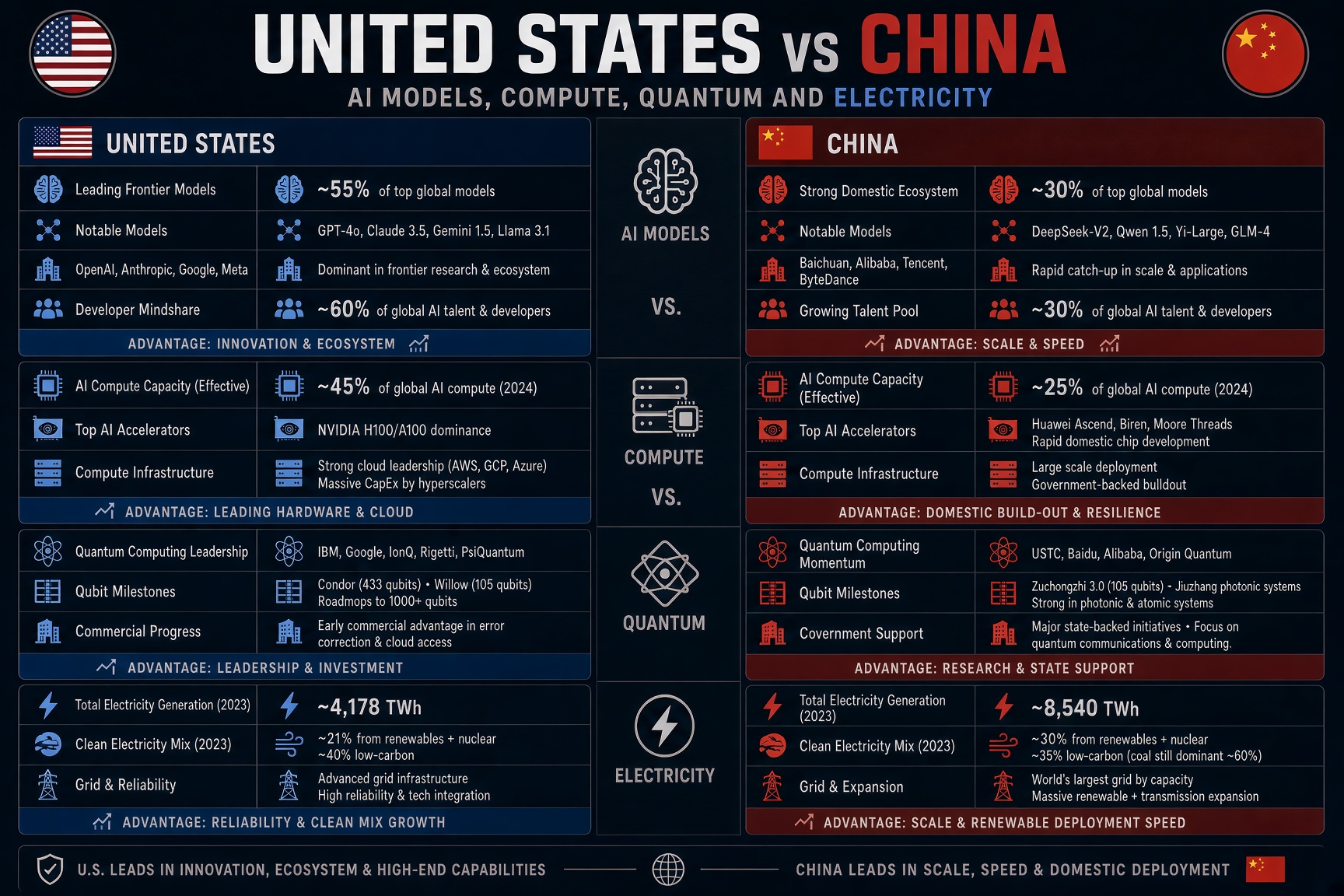
United States vs China: AI Models, Compute, Quantum and Electricity
The United States still leads in frontier model capability, total AI compute and quantum error correction, while China has narrowed the gaps in model performance, open-weight adoption and domestic chip volumes, and holds a structural advantage in power for data centres. Shayne Heffernan sets out the developments from July to October 2026 across models, compute, quantum and electricity, and how fast China is catching up.
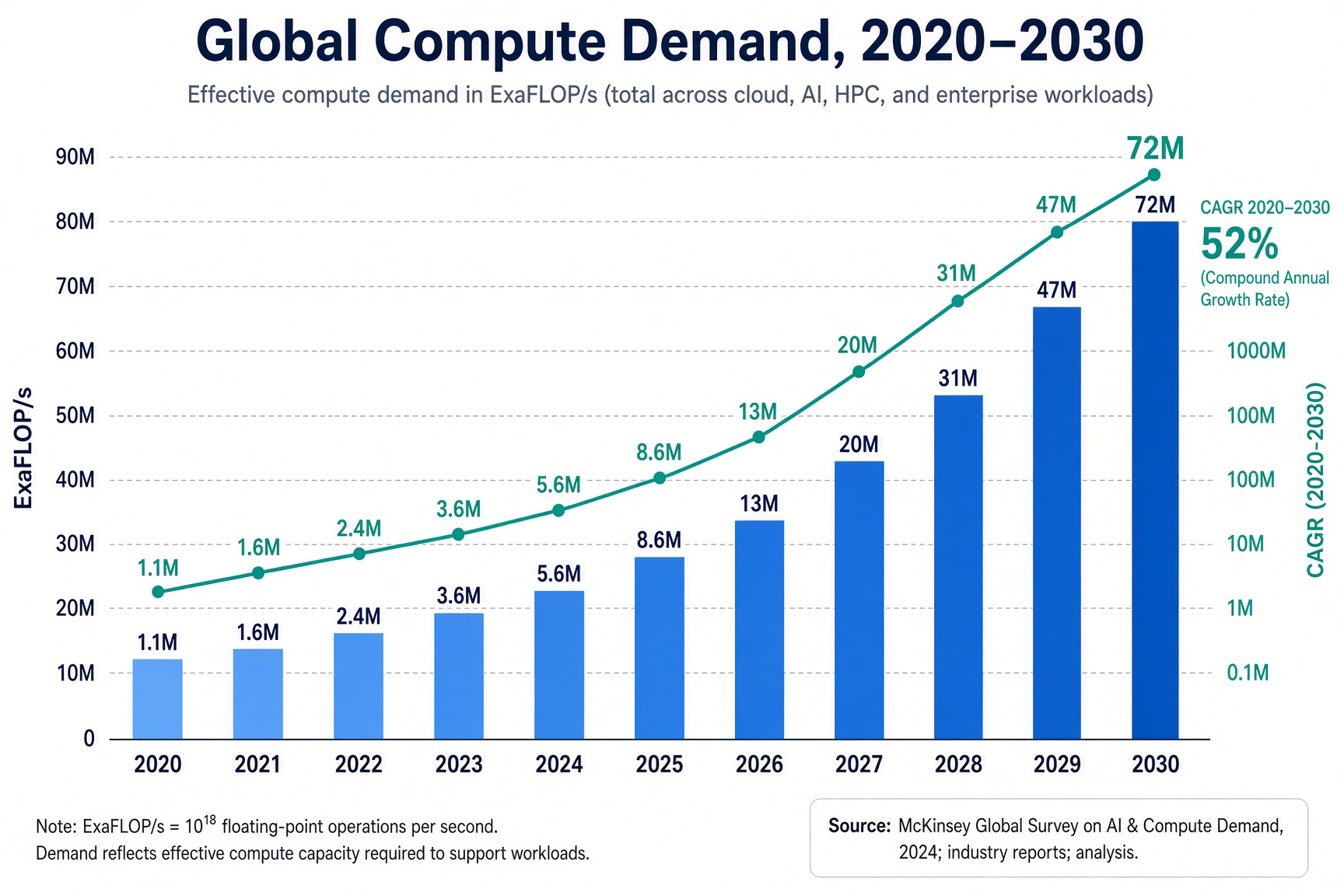
The 2030 Compute Landscape: GPUs, Power and the Architecture of Intelligence
The constraint on AI is no longer ideas or data but compute and the power to run it. Frontier training compute has grown about five times a year since 2020, and the leading AI supercomputer of June 2030 is on course for about 2 million chips and 9 gigawatts. Shayne Heffernan sets out the 2030 arithmetic, the power problem, who has already contracted the gigawatts, and how GPUs, custom ASICs, wafer-scale engines and quantum machines divide the work.
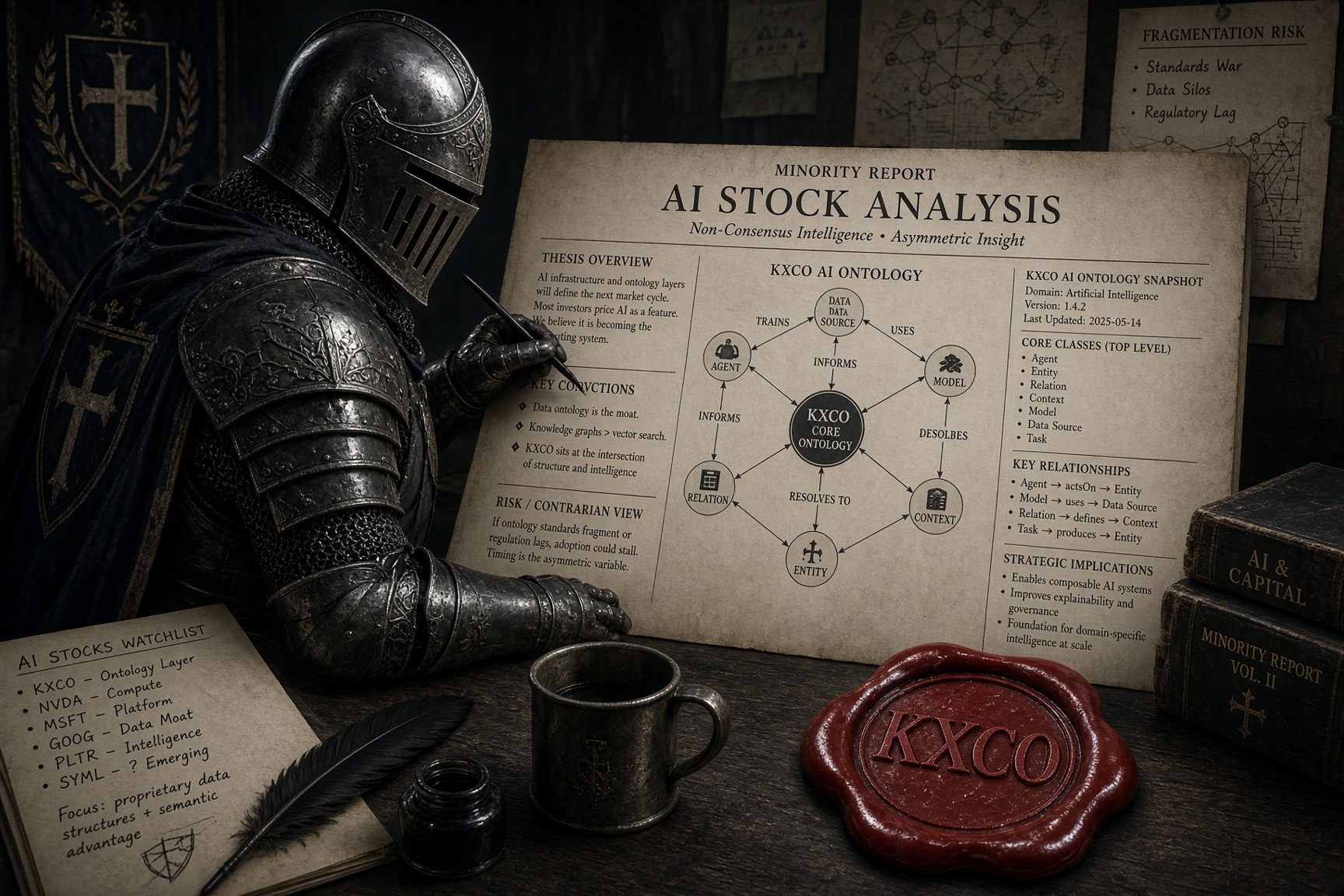
KXCO AI Ontology at 3 Months: What It Called and What Comes Next
On 19 July 2026 the Round Table's AI room published its first Analyst Outlook. To the 16 October 2026 close its 13 names rose 2.6% on an equal weight against 2.1% for QQQ, per StockAnalysis closes, and the six it opened with 35% or more of upside rose 8.6%. This piece lists the six names up more than 5%, the ten names I rate as opportunities now, the month's results in AI and quantum computing, and the official data showing that four in five firms have not yet started using AI.

SpaceX: The Road to 10 Gigawatts
SpaceX did not add an AI business. A company whose processes run on compute built its own computing plant, then built the power to run it. The 10-Q reports 1.4 gigawatts of nameplate compute at 30 June 2026, four leases worth about $41 billion a year and $100 billion of cash. The target is closer to 10 gigawatts than 5 by the end of 2027. This piece sets out the build sequence, the four layers of power in Memphis, and why Terafab is the act after 2027, not the road to it.
Every story, signed and delivered.
Subscribe to the kxco channel and get the headline, the AI-written key takeaways, and the chain-anchor link the moment we publish. Audio versions and per-ticker subscriptions arrive in the next iteration.