
Youth Internet Literacy in the Digital Age – Lessons from Tencent
Edward Cheng, Vice President of Tencent (Tencent Holdings Ltd, 0700.HK) and Chief Executive Officer of China Literature Limited and Tencent Pictures, spoke on April 24th at the International Conference on Childhood Studies organized by the International Council for Philosophy and Human Sciences. He delivered a speech titled "Youth Internet Literacy in the Digital Age – Lessons from Tencent", sharing Tencent's practices and philosophy on youth internet literacy.
A number of renowned Chinese and international experts came together at the conference to discuss "Children, Learning and Technology", aiming to contribute to pedagogical knowledge and education reform, and improve the well-being of children across the globe.
In recent years, digital literacy has become an increasingly crucial issue. According to a study published by the Chinese Academy of Social Sciences, in China alone, internet penetration has reached 99.2% among minors, with children first coming into contact with the internet between the ages of 6 and 10. Research shows that these technologies are impacting the daily lives, identities and values of these digital natives. Furthermore, the ubiquity of digitalization means that digital resources are now necessary tools in improving literacy in other areas, including the humanities.
"Literacy in the humanities is necessary for children and can have a lasting impact on their lives," said Cheng. "While digital technologies help children explore the world, they can also help cultivate their literary and artistic literacy, so that they can broaden their horizons and achieve more well-rounded, healthier development."
As an innovative company with its finger on the pulse of modern social issues, Tencent has been aware of the relationship between children and the digital world for several years. In 2018, Tencent launched the "DN.A Program", the Digital Natives Action program, hoping to rally professional organizations to give children equal opportunity for internet access as they grow up.
Studies have pointed out that failure to promote digital education may solidify the gap between rich and poor, exacerbating technological disparity and digital poverty. Cheng said Tencent has already begun working with a number of schools across China to improve youth internet literacy, both directly and by further educating their teachers.
Tencent also established the "Children's Internet Literacy Research Center" in association with Central China Normal University's Key Laboratory of Adolescent Cyberpsychology and Behavior to develop Internet literacy courses for children at different stages of development and introduce them to curricula. At present, these courses have been implemented in schools across Hubei, Guangdong, Fujian and other provinces across China.
"Contemporary global integration, from digital technologies to the pandemic disasters, challenge human beings to become human persons, and this is an education need," said Luiz Oosterbeek, President of CIPSH and Professor at the Polytechnic Institute of Tomar,
Meanwhile, Zongkui Zhou, Director of the Key Laboratory of Adolescent Cyberpsychology and Behavior at Central China Normal University, introduced the university's online literacy course, which leverages the latest pedagogical methodologies to educate children about internet use. "The goal is to improve internet literacy of children, bolster their concept of internet safety and foster healthy digital development in the online environment," explained Zhou.
Digital tools and literacy afford youth the power to educate themselves for life. Access to digital tools, including hardware, software, and the internet, has a direct connection to closing economic and social gaps due to educational disparities across developmentally diverse regions.
Cheng reflected that a few years ago, it was brought to Tencent's attention that art education in rural areas of China was lacking due to limited digital resources. In response, Tencent joined forces with the Hefeng Art Foundation, a Chinese social welfare organization, to launch the "Art Action" project, bringing together art institutions and university professors to provide pro bono art lessons for rural Chinese children through online courses. Some of the names on the roster of instructors include famed Chinese pianist Lang Lang and music educator Bao Yuankai.
"Tencent firmly believes that focusing on and supporting the improvement of youth internet literacy in the digital age will help cultivate the next generation of creatives and a new generation of global citizens who can leverage their talents to better the world and more effectively participate in public life," Cheng said. "We look forward to working with families, schools, and more professional organizations to continue to promote the healthy development of children in the digital age and explore new ways to improve youth literacy together. By doing so, we believe that we can help children explore an amazing new world full of possibilities."
As digitalization continues to make itself omnipresent in our daily lives, Tencent remains committed to ensuring that young people have access to the tools they need to cultivate digital literacy, strengthening educational foundations in the humanities and setting the stage for lifelong learning journeys.
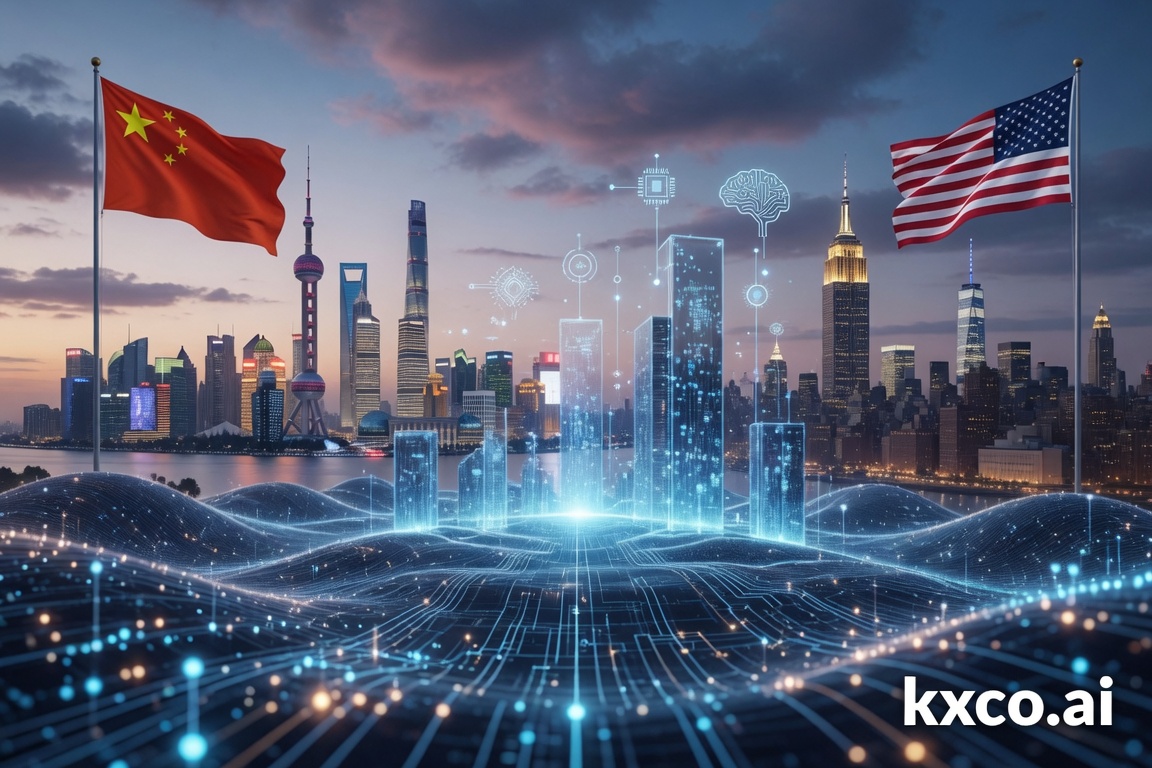
Understanding the US China AI and Quantum Landscape
AI and quantum are usually reported as a US–China race. The more useful story is two different systems — frontier capital versus open-source scale — entangled through shared chokepoints. Shayne Heffernan maps the landscape with the KXCO AI Sector Ontology, with comparison graphics and the investable names.
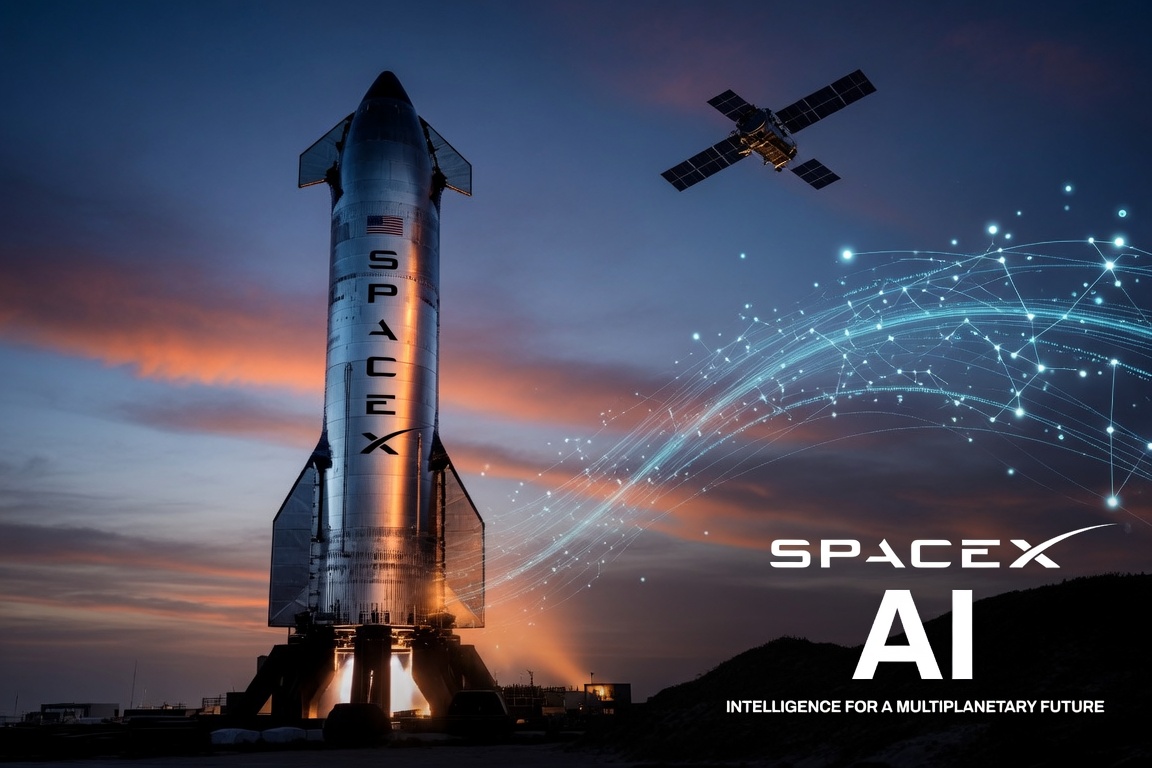
SpaceX: The AI Company You Might Be Missing
The market watches Falcon 9 and Starlink; it is missing the AI company SpaceX has quietly built — xAI, Colossus, the $55bn Terafab chip fab and orbital data centres. Shayne Heffernan maps SpaceX's position against the KXCO AI Sector Ontology ahead of its IPO.

KXCO Quantum Security 13 Packages, Published for Anyone to Inspect
Most tech companies ask you to trust them; KXCO did the opposite and published its post-quantum security code in the open. Shayne Heffernan on why third-party-verifiable software is the real signal — and what KXCO deliberately kept private.
The AI–Quantum Convergence Is One Problem, Not Two — and It Needs One Environment
AI and quantum are arriving together, and the BIS says the cost falls on defenders. Shayne Heffernan on treating them as one trust problem — and the fact-based, post-quantum environment built to answer it.
Every story, signed and delivered.
Subscribe to the kxco channel and get the headline, the AI-written key takeaways, and the chain-anchor link the moment we publish. Audio versions and per-ticker subscriptions arrive in the next iteration.