
We'll Spend More Preparing for Natural Disasters Because of COVID-19
Americans will spend more preparing for natural disasters in 2021 than they did in 2020, and the reason is simple: COVID-19 showed just how scary life can be when you don't have enough supplies and planning.
It's obvious that COVID-19 took such a terrible and sudden toll, no one wants to be unprepared again – for anything.

A new Debt.com survey shows the pandemic has raised security concerns – and not just from health scares. About a third of Americans will spend more to prepare for natural disasters this year over last year, and they cite COVID-19 as the reason. Debt.com’s Natural Disaster Survey not only revealed that Americans will be spending more money, they’ll also be paying more attention. More than 35% said the pandemic has convinced them to “take government warnings more seriously.”
When Debt.com polled more than 1,200 Americans, just over 3 in 10 said they were "spending a little more than usual" getting ready for hurricanes, tornadoes, flooding, blizzards, and earthquakes. Nearly 1 in 10 said they were "spending at least double." They all said COVID-19's aftermath was directly responsible for their extra allocations.
"Even during the pandemic, we saw how Americans were changing their spending and saving habits, often for the better," says Debt.com chairman Howard Dvorkin, CPA. "Now we're seeing how long that will last. At least in this one area, for this one year, it's obvious: COVID-19 took such a terrible and sudden toll, no one wants to be caught unprepared again – for anything."
Debt.com's Natural Disaster Survey not only revealed that Americans will be spending more money, they'll be paying more attention. Just over 35 percent said they'll "take government warnings more seriously and will prepare much better than I have in the past." Only 14 percent said, "The pandemic actually made me more doubtful of government warnings and suggestions for preparing for natural disasters."
For Dvorkin, a financial counselor for nearly three decades, two survey results intrigued him the most. First, for those who have been through a natural disaster before, less than 28 percent needed to use their credit card to pay for their recovery efforts. Yet those who did need their credit card for recovery efforts spent a significant amount: More than 4 in 10 charged over $500.
"On the one hand, I'm encouraged that many people could get their lives back to normal without charging extra on their credit cards -- because it's a very expensive form of debt," Dvorkin said. "On the other hand, I worry about those who charged $500 or more. I suspect some of them are still paying that off, since their interest rate could easily top 20 percent."
ABOUT: Debt.com is the consumer website where people can find help with credit card debt, student loan debt, tax debt, credit repair, bankruptcy, and more. Debt.com works with vetted and certified providers that give the best advice and solutions for consumers 'when life happens.'
Biohacking: The Science of Optimizing Longevity
An evidence-led, optimistic tour of biohacking: what it is, why the science is sound, and how the movement is converging with clinical longevity medicine of the kind practised at Bangkok's Target150.

NK Cells: Powerful Cancer Fighters
Natural killer (NK) cells are the immune system’s first line of defense against cancer. This 2026 guide covers NK cell biology, how they destroy tumors, the latest CAR-NK and memory-like breakthroughs from Dana-Farber, MIT, Yale and McGill, and how to support your own NK cell function.

Larry Fink Called It. CME Just Made It Real. The Compute Futures Market Has Arrived
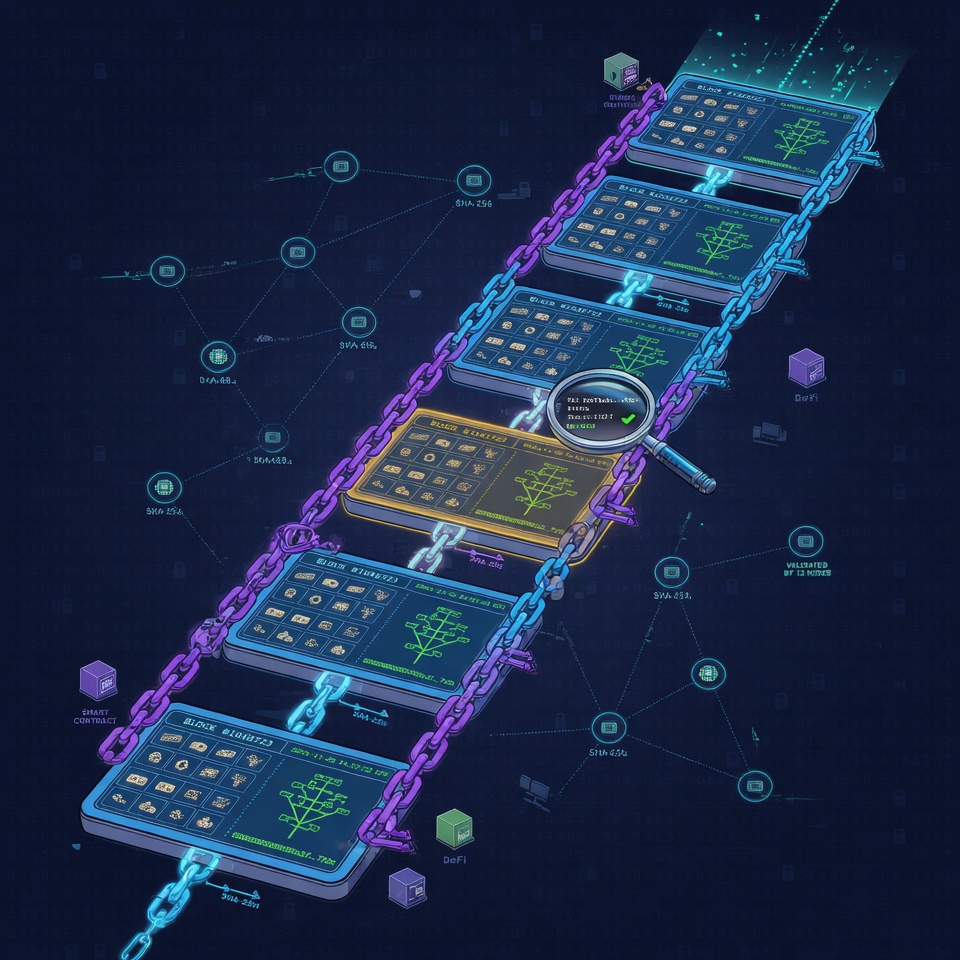
The Quantum-AI Convergence Is Real. The Quantum Stocks Aren't the Trade.
Every story, signed and delivered.
Subscribe to the kxco channel and get the headline, the AI-written key takeaways, and the chain-anchor link the moment we publish. Audio versions and per-ticker subscriptions arrive in the next iteration.