
NK Cells: Powerful Cancer Fighters
How innate immune cells — and the CAR-NK therapies engineered from them — are reshaping cancer treatment in 2026.
Part of theLongevity Center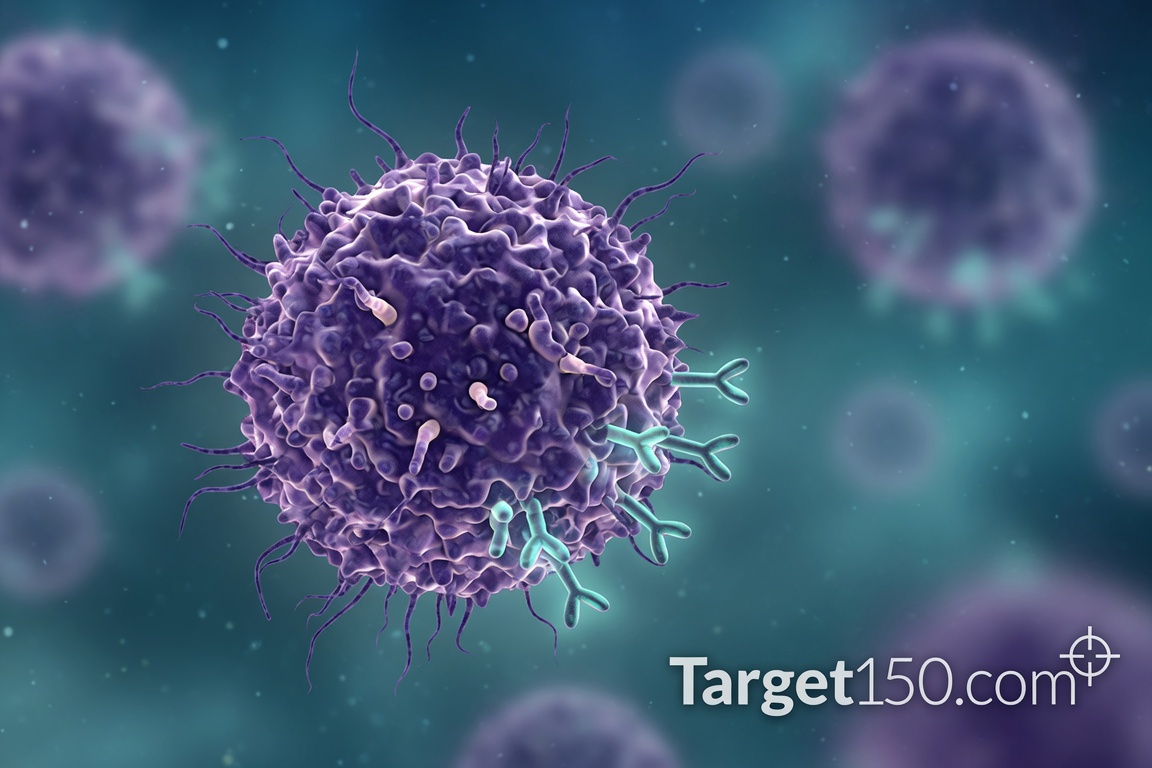
Natural killer (NK) cells, also known simply as NK cells, represent one of the most exciting and promising areas in modern cancer immunotherapy. These remarkable white blood cells serve as the body's first line of innate defense, rapidly identifying and destroying cancer cells, virus-infected cells, and other threats without requiring prior sensitization or specific antigen recognition.
In 2026, NK cells and NK cell therapy are at the forefront of revolutionary advances in oncology. From cutting-edge CAR-NK engineering to memory-like NK cells in clinical trials, researchers are unlocking new ways to harness these cells for safer, more effective, and more accessible cancer treatments.
This comprehensive guide explores everything you need to know about NK cells — their biology, role in fighting cancer, the latest 2024–2026 research breakthroughs, clinical applications, advantages over other immunotherapies, and practical ways to support your own NK cell function. Whether you are a patient, caregiver, or simply interested in the future of cancer care, understanding NK cells offers genuine hope for better outcomes.
What Are NK Cells? A Complete Overview
NK cells (Natural Killer cells) are a specialized subset of lymphocytes that belong to the innate immune system. Discovered in the 1970s, they were named for their natural ability to kill target cells on contact. Unlike T cells and B cells, which are part of the adaptive immune system and require time to "learn" specific threats, NK cells provide immediate protection.
They make up approximately 5–15% of circulating lymphocytes in healthy adults. NK cells are produced in the bone marrow and mature in various tissues, including the spleen, lymph nodes, and liver. They constantly patrol the bloodstream and tissues, acting as vigilant sentinels.
NK cells are particularly effective against cancer because many tumor cells downregulate MHC class I molecules (a "missing self" signal) or upregulate stress ligands that NK cells recognize. This makes NK cells uniquely suited for cancer surveillance and elimination.
Specialized clinics and wellness centers now offer advanced NK cell therapy options. For example, Target150 provides highly active NK cell therapy programs where a patient's own cells are extracted, expanded in a laboratory under strict international standards, and reinfused to optimize immune function. These therapies are designed to support the body's natural defenses against cancer and chronic conditions.
How Do NK Cells Work? Detailed Mechanism of Action
NK cells use multiple sophisticated strategies to detect and destroy threats:
Missing-Self Recognition. Healthy cells display MHC class I molecules that inhibit NK cells. Cancer cells and virus-infected cells often lose or reduce these molecules, triggering NK cell attack.
Stress-Induced Ligand Recognition. Upregulation of ligands such as MICA, MICB, and ULBPs on stressed or malignant cells activates activating receptors on NK cells (NKG2D, DNAM-1, etc.).
Antibody-Dependent Cellular Cytotoxicity (ADCC). NK cells express CD16 (FcγRIIIa), allowing them to bind antibodies coating target cells and release cytotoxic granules.
Cytotoxic Granule Release. Upon activation, NK cells release perforin (which forms pores in the target cell membrane) and granzymes (which trigger apoptosis).
Cytokine Production. NK cells secrete interferon-gamma (IFN-γ), tumor necrosis factor-alpha (TNF-α), and other cytokines that recruit and activate other immune cells, amplifying the anti-tumor response.
Recent research shows that NK cells also exhibit "memory-like" properties. Cytokine-induced memory-like (CIML) NK cells demonstrate enhanced proliferation, persistence, and effector function after brief priming with IL-12, IL-15, and IL-18.
These mechanisms explain why NK cells are so powerful in the fight against cancer and why NK cell therapy is generating so much excitement in 2026.
The Critical Role of NK Cells in Cancer Prevention and Treatment
NK cells play a vital role in cancer immunosurveillance — the constant monitoring and elimination of nascent tumor cells. Individuals with higher NK cell activity generally have better outcomes and lower cancer risk.
Low NK cell function has been linked to increased susceptibility to various cancers, including leukemia, lymphoma, breast cancer, lung cancer, and colorectal cancer. Factors that impair NK cell activity include aging (immunosenescence), chronic stress, poor nutrition, lack of sleep, smoking, excessive alcohol, and certain infections.
Conversely, strong NK cell function correlates with improved prognosis in many malignancies. This has driven intense interest in therapeutic strategies that boost or engineer NK cells.
NK cell therapy aims to restore or enhance this natural defense. Approaches include:
Ex vivo expansion and reinfusion of autologous or allogeneic NK cells
Genetic engineering (CAR-NK cells)
Combination with cytokines or checkpoint inhibitors
Target150's highly active NK cell therapy is one example of a clinical approach focused on expanding and optimizing a patient's own NK cells to strengthen immune surveillance and support cancer prevention and adjunctive treatment.
Advantages of NK Cell Therapy Compared to Other Immunotherapies
NK cell-based therapies offer several distinct advantages:
Off-the-shelf availability: Many NK cell products can be manufactured from healthy donors or iPSCs, eliminating the need for patient-specific customization required in most CAR-T therapies.
Superior safety profile: Lower incidence of severe cytokine release syndrome (CRS) and neurotoxicity.
No graft-versus-host disease (GvHD) risk with properly selected allogeneic NK cells.
Rapid action: Innate response without the delay of adaptive immunity priming.
Broad tumor targeting: Effective against both hematologic and solid tumors.
Scalability and cost-effectiveness: Potential for mass production and wider accessibility.
Combination potential: Excellent synergy with existing treatments (chemotherapy, radiation, antibodies, checkpoint inhibitors).
These benefits position NK cells as a highly attractive platform for next-generation cancer immunotherapy in 2026 and beyond.
Latest Research and Breakthroughs on NK Cells (2024–2026)
The field of NK cells and NK cell therapy has seen remarkable progress in recent years.
Memory-Like NK Cells in Ovarian Cancer (Dana-Farber, 2024–2025)
In November 2024, Dana-Farber Cancer Institute launched one of the first U.S. clinical trials of cytokine-induced memory-like (CIML) NK cells for patients with recurrent, platinum-resistant ovarian cancer. These specially primed NK cells show enhanced proliferation and persistence. Related work on mesothelin-targeted CAR memory-like NK cells has demonstrated strong preclinical activity against ovarian cancer cells, including in patient-derived ascites models.
MIT Engineering Breakthrough for "Off-the-Shelf" CAR-NK Cells (October 2025)
MIT and Harvard researchers developed a one-step genetic engineering method that simultaneously introduces a CD19-targeting CAR, silences HLA class I to prevent rejection, and adds protective molecules (PD-L1 or single-chain HLA-E). In humanized mouse models of lymphoma, these engineered NK cells persisted longer, evaded immune attack, and nearly eliminated tumors — a major step toward truly universal, off-the-shelf NK cell therapy.
Yale's OR7A10 Gene Addition for Solid Tumors (February 2026)
Yale scientists made a groundbreaking discovery by adding the OR7A10 gene to CAR-NK cells. This modification dramatically improved the cells' ability to infiltrate and eradicate solid tumors. In mouse models of breast, colon, and ovarian cancers, treated animals showed superior tumor control, with complete tumor elimination in 100% of mice in one breast cancer model. The enhanced NK cells resisted immunosuppression and produced stronger anti-tumor responses. Human trials are anticipated in the coming years.
McGill University Supercharges NK Cells (May 2026)
Researchers at McGill found that inhibiting PTPN1 and PTPN2 proteins enhances NK cell function by boosting IL-2 signaling and countering TGF-β1-mediated suppression — a key challenge in the tumor microenvironment. This approach holds promise for improving NK cell therapy efficacy against solid tumors.
Global Pipeline and Clinical Progress
As of 2026, the NK cell therapy pipeline includes over 140 companies and more than 160 investigational products. Significant activity is underway in hematologic malignancies and increasingly in solid tumors. iPSC-derived NK cells and improved expansion protocols are addressing previous limitations in persistence and scalability. Combination strategies with IL-15 superagonists (such as Anktiva) are showing strong results in bladder cancer and other indications.
Review Articles Highlighting Advances
Multiple high-impact reviews published in 2025 (including in Cellular & Molecular Immunology and Expert Opinion on Biological Therapy) emphasize the rapid evolution of NK cell receptor engineering, CAR-NK design, and strategies to overcome the immunosuppressive tumor microenvironment.
These developments underscore the accelerating momentum behind NK cells as a transformative force in cancer treatment.
CAR-NK Cell Therapy: Engineering the Next Generation
Chimeric antigen receptor (CAR) technology, originally developed for T cells, has been successfully adapted to NK cells. CAR-NK cells are engineered to express synthetic receptors that specifically recognize tumor antigens (e.g., CD19, HER2, mesothelin).
Key advantages of CAR-NK over CAR-T include:
Reduced risk of severe toxicities
Potential for allogeneic, off-the-shelf use
Shorter manufacturing timelines in many cases
Recent engineering innovations — such as the MIT one-step method and Yale's OR7A10 addition — are solving historical challenges of persistence and solid tumor penetration. Multiple Phase 1/2 trials are ongoing worldwide, with encouraging early safety and efficacy signals in lymphoma, leukemia, and select solid tumors.
Challenges in NK Cell Therapy and How They Are Being Solved
While NK cell therapy offers tremendous promise, challenges remain:
Limited in vivo persistence — being addressed by memory-like priming, IL-15 engineering, and gene modifications.
Tumor microenvironment immunosuppression — overcome by checkpoint blockade combinations, metabolic reprogramming, and new gene edits.
Manufacturing and scalability — improved by iPSC platforms and standardized expansion protocols.
Solid tumor infiltration — enhanced by chemokine receptor engineering and CAR designs.
Researchers are making rapid progress on all fronts, as evidenced by the 2024–2026 studies highlighted above.
Future Outlook for NK Cells in Cancer Care
By 2030 and beyond, experts anticipate:
Multiple approved NK cell and CAR-NK products
Widespread use of off-the-shelf allogeneic therapies
Personalized NK cell profiling to guide treatment
Integration with AI for optimal cell engineering
Preventive NK cell boosting strategies for high-risk individuals
NK cells are poised to become a mainstream pillar of cancer immunotherapy, offering hope for improved survival and quality of life across many cancer types.
How to Naturally Support and Optimize Your NK Cell Function
While clinical NK cell therapy provides targeted intervention, lifestyle factors significantly influence baseline NK cell activity:
Regular moderate exercise
Adequate sleep (7–9 hours)
Stress reduction (meditation, yoga)
Nutrient-rich diet (especially vitamins D, C, E, zinc, and selenium)
Maintaining healthy weight
Avoiding smoking and excessive alcohol
Some individuals with low NK cell activity explore supportive therapies at specialized centers such as Target150, where highly active NK cell expansion protocols are offered under medical supervision.
Conclusion: A New Era of Hope with NK Cells
NK cells are no longer just a fascinating component of the immune system — they are becoming powerful, engineered weapons in the global fight against cancer. The latest research from leading institutions in 2024–2026 demonstrates remarkable progress in safety, efficacy, and accessibility of NK cell therapy.
From memory-like NK cells in ovarian cancer trials to gene-edited CAR-NK cells capable of eliminating solid tumors, the future is bright. NK cells combine the precision of modern biotechnology with the body's own natural intelligence, offering treatments that are often safer and more scalable than previous generations of immunotherapy.
As science continues to advance, NK cells stand as a symbol of hope — proof that by understanding and enhancing our own biology, we can achieve better outcomes in the battle against cancer.
Whether through cutting-edge clinical therapies or supportive lifestyle approaches, the era of NK cell-powered medicine has arrived.
References
Target150. NK Cells Therapy. https://www.target150.com/pages/nk_cells_therapy.html
Shen Z, et al. (2025). Adjusting the scope of natural killer cells in cancer therapy. Cellular & Molecular Immunology.
Dana-Farber Cancer Institute (2024). First clinical trial of "memory like" natural killer cells in ovarian cancer.
MIT News (2025). Engineered "natural killer" cells could help fight cancer.
Yale News (2026). Cracking a 'holy grail' challenge in cancer cell therapy.
McGill University / ScienceDaily (2026). Scientists supercharge natural killer cells to fight cancer.
DelveInsight (2026). NK Cell Therapies Pipeline Insight Report.
Balkhi S, et al. (2025). CAR-NK cell therapy: promise and challenges in solid tumors. Frontiers in Immunology.
Aljabali AAA, et al. (2025). Natural killer cell therapies in cancer. Expert Opinion on Biological Therapy.
Biohacking: The Science of Optimizing Longevity
An evidence-led, optimistic tour of biohacking: what it is, why the science is sound, and how the movement is converging with clinical longevity medicine of the kind practised at Bangkok's Target150.
Revolutionizing Longevity and Quality of Life
Being Christened Had an Unexpected Impact on Me
The Economics of Happiness at a National Level
Every story, signed and delivered.
Subscribe to the kxco channel and get the headline, the AI-written key takeaways, and the chain-anchor link the moment we publish. Audio versions and per-ticker subscriptions arrive in the next iteration.