
Being Christened Had an Unexpected Impact on Me
Being Christened Had an Unexpected Impact on Me
By Shayne Heffernan
Published: Tuesday, March 11, 2025
I’ve always thought of myself as a practicing Catholic, long before I was officially christened. But when I finally took that step in 2020—later in life than most—I had no idea how profoundly it would reshape my world. What followed was a series of surprises that deepened my faith, shifted my perspectives, and brought unexpected joy into my life. Here’s my story, and why I believe taking that leap might just transform yours too.
I was already in my mind a Catholic, living the faith as best I could, but the christening itself opened doors I didn’t see coming. Within a year, I found myself drawn to the rosary, a practice I hadn’t fully embraced before. That simple act of prayer—meditating on the mysteries, bead by bead—became a gateway to deep reflection. I’d call it a series of epiphanies, moments of clarity that felt like they came from a heavenly realm. The rosary isn’t just a ritual; it’s a space for your soul to connect with something greater, to ponder life’s mysteries in a way that brings peace and insight. It started to change how I saw the world, and I believe that’s part of its purpose.

Then there was my godfather, Father John. I always thought of him as a decent enough person—a good priest, someone I respected. But after he became my godfather during the christening, something shifted. Within a year, I developed a deep love for him, the kind of bond you’d feel for a real father. There was no conscious effort on my part; it just happened naturally. Now, every time I see him, I’m filled with happiness and a sense of serenity that’s hard to describe. He’s become a guiding light in my life, a source of comfort and wisdom I never expected to find.
The Catholic faith began to grow stronger within me, and with it came changes I didn’t anticipate. Some of my opinions shifted—on how I approach relationships, challenges, even my own flaws. My approach to daily life evolved too; I started handling things with more patience, more compassion. I’m far from perfect, and I don’t claim to be. But I can say with certainty that I’m better than I was—more grounded, more connected to what matters. The christening, the rosary, or perhaps the combination of both—I can’t pinpoint exactly what sparked this transformation. But I can tell you this: it’s real, and it’s made a difference.
I’m not here to preach perfection or claim I’ve got it all figured out. Life’s messy, and faith doesn’t erase that. But what I’ve experienced since my christening has improved my life in ways I never imagined. It’s not just about me, either—it’s touched the lives of those around me. The peace I’ve found, the love I’ve grown for Father John, the clarity from the rosary—it all ripples outward, bringing a bit more light to my relationships and interactions.
So here’s my advice: try it. If you’re on the fence about being christened or deepening your faith through practices like the rosary, take the step. It might surprise you, as it did me. It’s not about becoming perfect; it’s about becoming better—for yourself and for those around you. Faith has a way of working quietly, unexpectedly, and profoundly. What do you have to lose?
SpaceX: The Road to 10 Gigawatts
SpaceX did not add an AI business. A company whose processes run on compute built its own computing plant, then built the power to run it. The 10-Q reports 1.4 gigawatts of nameplate compute at 30 June 2026, four leases worth about $41 billion a year and $100 billion of cash. The target is closer to 10 gigawatts than 5 by the end of 2027. This piece sets out the build sequence, the four layers of power in Memphis, and why Terafab is the act after 2027, not the road to it.
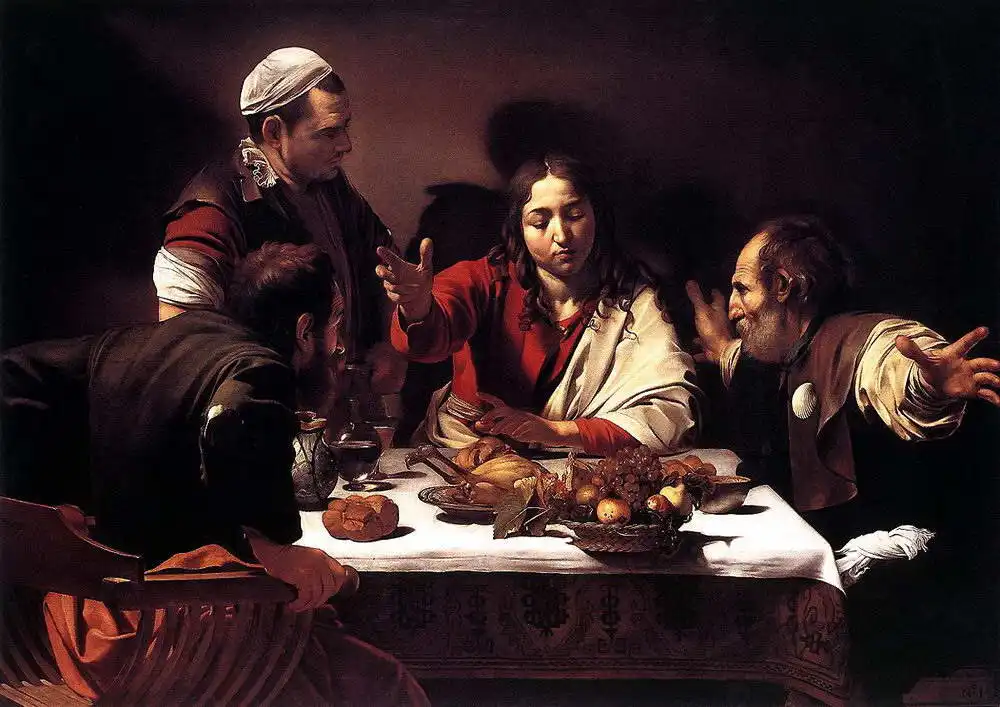
Thoughts on Thinking: Take an Art Break
The best way I know to keep complex work in perspective is to stop at intervals and look at something that took the same order of sustained attention under real constraints. The studies now show what that does: a museum visit restored attention where an urban walk did not, judging the beauty of an object raised abstract thinking almost 14 per cent, and artistic film raised originality even in people who felt worse for it. Five works, Leonardo to Holbein, and the non-default decision in each.
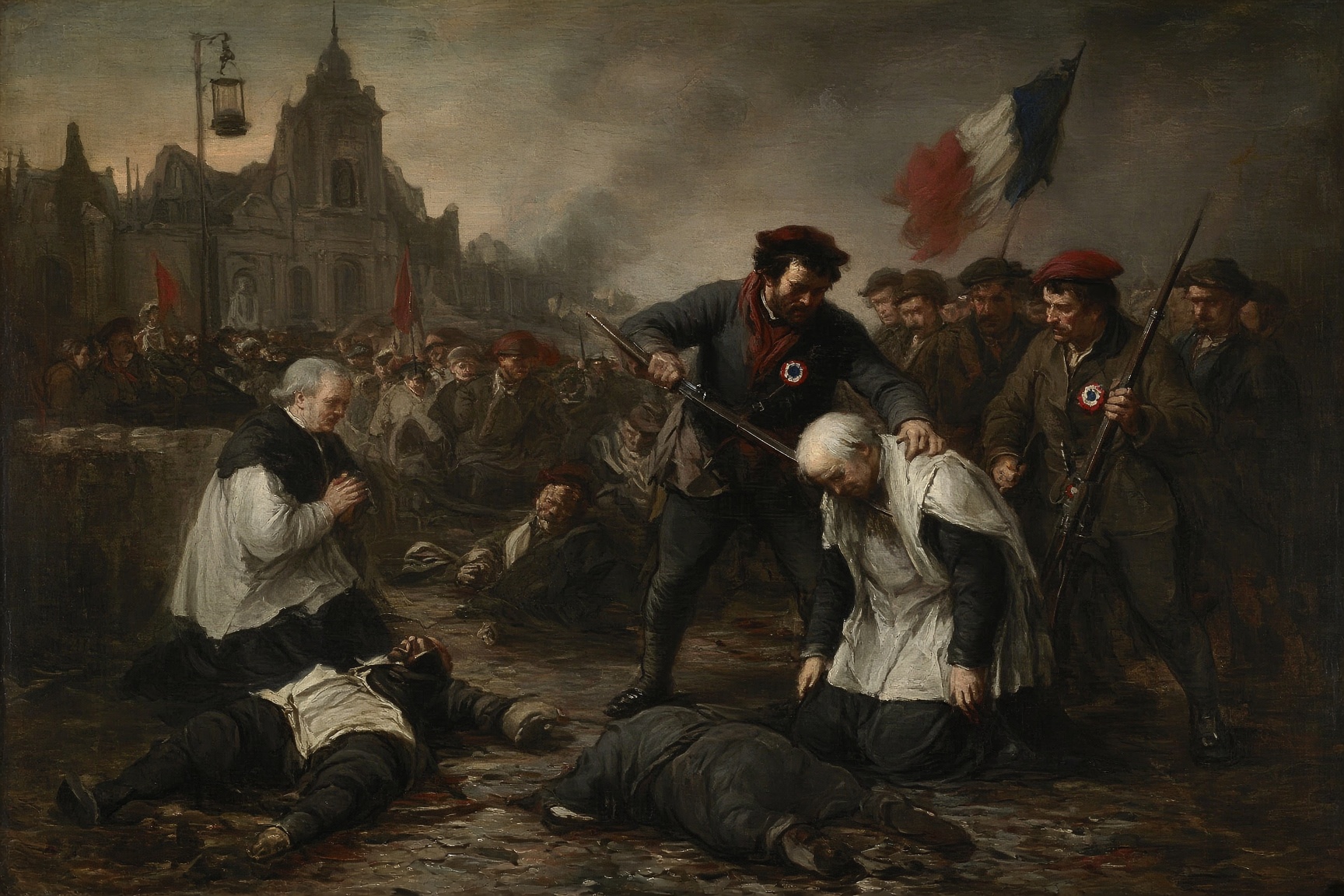
The Evil Legacy of the French Revolution
The French Revolution is still sold as the birthday of the modern world. The ledger does not match the posters. It seized the Church's land and floated its paper money on the seizure, hunted the priests who would not swear, defined the nobility as a moral enemy, and put in their place a political class accountable chiefly to itself. Four knowledge-graph exhibits trace who put the king and queen on the scaffold, and how the template left France.
Careful of the Prompts You Give Yourself
A prompt is not only what you type into a model. It is any sentence that gets inside you and starts issuing orders. Most of what we call goals were written by comparison, media, competition and now the model, and they arrive dressed as ambition. Shayne Heffernan maps how an imported sentence becomes a week, why a want should carry its source the way a Round Table claim does, and how to strip, lock and guard the objective that is actually yours.
Every story, signed and delivered.
Subscribe to the kxco channel and get the headline, the AI-written key takeaways, and the chain-anchor link the moment we publish. Audio versions and per-ticker subscriptions arrive in the next iteration.