
Biohacking: The Science of Optimizing Longevity
How evidence-based self-experimentation — from fasting and sleep to regenerative medicine — is putting measurable control of health and lifespan within reach
Part of theLongevity Center
Biohacking has graduated from a fringe curiosity into one of the most exciting frontiers in modern health. What began as a loose movement of self-experimenters tracking their own data has matured into a serious, science-led discipline that blends nutrition, exercise physiology, sleep science, behavioural psychology, wearable technology and, increasingly, regenerative medicine. At its heart, biohacking is a profoundly optimistic idea: that with the right information, the right tools and a methodical approach, ordinary people can take meaningful, measurable control of their own biology — and that the human body is far more adaptable, resilient and improvable than we once believed.
This piece is an evidence-led tour of the biohacking landscape: what it is, why the underlying science is sound, which interventions are backed by strong research, and how the field is converging with clinical longevity medicine of the kind practised at advanced centres such as Target150 in Bangkok. Biohacking, done responsibly, is one of the most hopeful stories in health today — a democratisation of knowledge that was once locked inside research laboratories and elite sports science departments.
What biohacking actually means
The word "biohacking" sounds futuristic, but the core practice is ancient. Humans have always experimented with diet, movement, heat, cold, fasting and herbs to feel and perform better. What is genuinely new is the convergence of three forces: cheap, continuous biological measurement (wearables and at-home lab testing), an explosion of peer-reviewed research into the mechanisms of health and ageing, and a culture of structured self-experimentation that treats the individual as a sample size worth studying.
It helps to think of biohacking as a spectrum rather than a single activity:
Lifestyle and nutrition biohacking. The largest and most accessible tier — optimising sleep, diet, movement, light exposure, stress and recovery. This is where the strongest evidence and the biggest returns live.
The quantified self. Using wearables, continuous glucose monitors, blood panels and DNA insights to turn vague feelings into objective data, then iterating against that data.
Nutrigenomics and personalisation. Tailoring nutrition and supplementation to an individual's genetics, microbiome and biomarkers rather than relying on population averages.
Clinical and regenerative biohacking. Physician-supervised interventions — advanced diagnostics, hormone optimisation, peptide therapy, IV micronutrients, and cellular therapies such as stem cell and immune-cell treatments — that sit at the boundary of preventive medicine and longevity science.
The common thread is agency. A biohacker does not passively accept that decline is inevitable; they ask what is measurable, what is modifiable, and what the evidence says about how to nudge the system toward health.
A short history: from quantified self to clinical longevity
Modern biohacking grew out of several streams that have since merged. In the late 2000s, technology writers Gary Wolf and Kevin Kelly coined the term "Quantified Self" to describe a growing community of people using early wearables, spreadsheets and home testing to track aspects of their own lives — steps, sleep, mood, glucose, productivity. The movement was built on a simple, powerful idea: self-knowledge through numbers. As fitness trackers and smartphones put sensors in every pocket, what had been a niche hobby became a mass phenomenon.
In parallel, an entrepreneurial wing popularised the language of "upgrading" the body — optimising energy, focus and performance through diet, supplements and routine. While some of this commercial enthusiasm ran ahead of the evidence, it succeeded in bringing concepts like fasting, sleep hygiene and metabolic health to a vast audience and normalising the notion that individuals could and should take an active role in their own physiology.
A third stream came from the laboratory. As longevity science matured — with the hallmarks-of-ageing framework, advances in cellular biology, and a wave of serious investment into the biology of ageing — the gap between grassroots self-experimentation and clinical research began to close. Today the most credible expression of biohacking is the convergence of all three: the measurement discipline of the quantified self, the proactive mindset of the optimisation movement, and the rigour of medical longevity science delivered in clinical settings. This is precisely the territory that dedicated longevity centres now occupy — taking the biohacker's instinct to measure and improve, and grounding it in physician oversight, validated diagnostics and regulated therapies.
Why the science underneath biohacking is sound
Sceptics sometimes dismiss biohacking as wishful thinking. But the foundations rest on some of the most robust findings in modern biology — chief among them the recognition that ageing and chronic disease are not random misfortunes but driven by identifiable, increasingly tractable mechanisms.
In their landmark work, biologists Carlos López-Otín and colleagues defined the "hallmarks of ageing," a framework updated in 2023 to twelve interconnected processes — including genomic instability, telomere attrition, epigenetic alterations, loss of protein quality control, impaired autophagy, deregulated nutrient sensing, mitochondrial dysfunction, cellular senescence, stem-cell exhaustion, altered intercellular communication, chronic inflammation and microbiome disruption (López-Otín et al., *Cell*, 2023). The reason this framework matters for biohacking is simple: each hallmark is, to varying degrees, modifiable. Diet influences nutrient sensing and inflammation. Exercise improves mitochondrial function. Fasting upregulates autophagy. Sleep supports genomic maintenance and clears metabolic waste. The hallmarks turn the abstract goal of "living healthier for longer" into a concrete list of biological levers.
That is the deep optimism at the centre of the field. The body is not a sealed black box. It is a dynamic, self-repairing system that responds — often rapidly and measurably — to the inputs we give it.
Metabolic and nutritional biohacking
If there is a single domain where biohacking has produced the most durable, evidence-backed wins, it is metabolism and nutrition.
Fasting and the metabolic switch
Intermittent fasting is one of the most studied and most accessible interventions in the entire field. The premise is elegant: by extending the time between meals, the body exhausts its readily available glucose and flips to burning fat and producing ketones — a transition researchers call "metabolic switching." In an influential review in the New England Journal of Medicine, Rafael de Cabo and Mark Mattson of the U.S. National Institute on Aging described how this switch triggers evolutionarily conserved cellular responses that improve glucose regulation, increase resistance to stress and suppress inflammation (de Cabo & Mattson, *NEJM*, 2019).
Fasting also engages autophagy — the cellular "self-eating" process by which cells recycle damaged components and clear out molecular debris. The importance of autophagy was cemented when Japanese scientist Yoshinori Ohsumi won the 2016 Nobel Prize in Physiology or Medicine for unravelling its mechanisms, work that illuminated how cells manage starvation, defend against infection and maintain themselves over time (The Nobel Prize, 2016). For the biohacker, this is the satisfying convergence of theory and practice: a simple, free behaviour — eating within a defined window — taps directly into one of the most fundamental housekeeping systems in the cell.
Eating patterns that protect the heart and brain
Beyond when we eat, what we eat remains foundational. The Mediterranean dietary pattern — rich in olive oil, nuts, vegetables, legumes, fish and whole grains — has some of the strongest clinical evidence behind it. The landmark PREDIMED trial, republished in the New England Journal of Medicine in 2018 after a rigorous re-analysis, found that people at high cardiovascular risk who followed a Mediterranean diet supplemented with extra-virgin olive oil or nuts experienced a substantial reduction in major cardiovascular events compared with a control diet (Estruch et al., *NEJM*, 2018). This is biohacking in its most evidence-based form: a sustainable, enjoyable pattern of eating with randomised-trial support for hard outcomes.
Seeing your metabolism in real time
What makes nutrition genuinely "hackable" today is measurement. Continuous glucose monitors — once reserved for people with diabetes — have become a popular tool for healthy individuals who want to see exactly how their body responds to specific foods, meal timing, exercise and stress. The insight that two people can have very different glucose responses to the identical meal has reshaped how many biohackers approach diet, pushing the field away from one-size-fits-all rules and toward genuine personalisation. Paired with periodic blood work — markers such as fasting insulin, HbA1c, lipid particles, inflammatory markers and micronutrient levels — the modern biohacker can build a precise, individual picture of metabolic health and track improvement over time. Specialist clinics formalise this with structured panels; Target150, for example, offers dedicated micronutrient testing and vitamin-status assessments that turn guesswork into data.
Movement as medicine
If fasting and diet are the most fashionable corners of biohacking, exercise is the most powerful — and the most reliably proven. The dose-response relationship between physical activity and health is one of the clearest in all of medicine.
The World Health Organization's 2020 guidelines recommend that adults accumulate at least 150–300 minutes of moderate-intensity aerobic activity (or 75–150 minutes of vigorous activity) each week, plus muscle-strengthening work on two or more days. Crucially, the WHO graded the evidence linking higher activity to lower all-cause mortality, lower cardiovascular and cancer mortality, and reduced incidence of hypertension and type-2 diabetes as high certainty — with no increased risk of harm (Bull et al., *British Journal of Sports Medicine*, 2020).
Sophisticated biohackers tend to structure their training around three complementary goals:
Aerobic base ("Zone 2"). Sustained, conversational-pace cardio that builds mitochondrial density and metabolic flexibility — the engine of long-term endurance and metabolic health.
Peak capacity (VO2 max). Short, hard intervals that push maximal oxygen uptake, one of the strongest single predictors of longevity in observational research.
Strength and muscle mass. Resistance training to preserve muscle and bone, defend against age-related sarcopenia, and maintain the metabolic and protective benefits of lean tissue into later decades.
A particularly hopeful shift in recent years has been the re-framing of muscle as an "organ of longevity" rather than a cosmetic concern. Skeletal muscle is metabolically active tissue: it acts as a glucose sink that improves insulin sensitivity, secretes beneficial signalling molecules during contraction, and serves as a reserve of strength and metabolic capacity that protects against frailty, falls and loss of independence in later life. Preserving and building muscle through resistance training is therefore not about aesthetics — it is one of the most effective investments a person can make in their future function and metabolic resilience. The same applies to balance and mobility work, which keep the body capable and confident across the decades.
The encouraging message — and it is genuinely encouraging — is that the largest health gains come from moving from doing nothing to doing something. The first steps, quite literally, deliver the biggest returns, and it is never too late to begin: studies consistently show that people who become active later in life still capture substantial reductions in mortality risk. The body rewards movement at every age.
Sleep: the foundation everything else rests on
For all the attention paid to exotic interventions, the most influential biohack remains the most ordinary: sleep. No supplement, cold plunge or fasting protocol can compensate for chronic sleep deprivation, because sleep is when the body performs its most essential maintenance — consolidating memory, regulating hormones, clearing metabolic by-products from the brain and repairing tissue.
The American Academy of Sleep Medicine and the Sleep Research Society reached a clear consensus: adults should sleep seven or more hours per night on a regular basis to support optimal health, and routinely sleeping less is associated with weight gain, diabetes, hypertension, heart disease, impaired immunity and increased mortality (Watson et al., *Journal of Clinical Sleep Medicine*, 2015). The AASM has gone further, framing sleep as one of the three pillars of health alongside nutrition and exercise (AASM position statement, 2021).
This is where wearables earn their keep. Rings, watches and bedside sensors now estimate sleep stages, heart-rate variability, resting heart rate and overnight temperature, giving biohackers a feedback loop on the single highest-leverage behaviour they can change. The interventions are refreshingly low-tech: consistent sleep and wake times, morning daylight exposure, a cool and dark bedroom, limiting late caffeine and alcohol, and protecting the last hour before bed from bright screens. The data simply makes the invisible visible — and what gets measured tends to get improved.
Light and the body clock
Closely related to sleep, and one of the most rewarding areas of biohacking, is the management of light. Nearly every cell in the body runs on a roughly 24-hour circadian rhythm, and the master clock in the brain is set primarily by light hitting the eyes. For most of human history that signal was simple — bright sun by day, darkness and firelight by night. Modern indoor life inverts it: dim, blue-tinted days under artificial light and bright, screen-lit evenings. The result is a body clock that loses its bearings, with knock-on effects for sleep, mood, metabolism and hormone release.
The biohacking response is to deliberately recreate the natural light signal. Getting bright, natural light into the eyes within an hour of waking helps anchor the circadian rhythm, improving alertness during the day and sleep pressure at night. Conversely, dimming lights and minimising blue-rich screen exposure in the evening allows the natural rise of melatonin to proceed undisturbed. These are zero-cost interventions with outsized effects, and they exemplify a recurring theme: many of the most powerful biohacks are not about adding something exotic, but about restoring an ancestral input that modern life has stripped away. Aligning behaviour with the body's own clock — eating, moving, working and sleeping in rhythm with daylight — is one of the cleanest examples of working with human biology rather than against it.
Hormesis: the science of beneficial stress
One of the most fascinating principles in biohacking is hormesis — the idea that brief, controlled doses of certain stressors make the body stronger. Exercise itself is the classic example: a workout is a stress that triggers adaptation. The same principle underlies two of the most popular biohacking practices, heat and cold exposure.
The evidence for heat is particularly striking. A long-running Finnish cohort study published in JAMA Internal Medicine followed more than 2,000 middle-aged men for two decades and found that frequent sauna use was associated with substantially lower risk of sudden cardiac death and all-cause mortality — with men who used a sauna four to seven times a week faring markedly better than those who went once a week (Laukkanen et al., *JAMA Internal Medicine*, 2015). While association is not proof of causation, the dose-response pattern and biological plausibility — improved vascular function, heat-shock protein activation and cardiovascular conditioning — have made sauna bathing one of the most enthusiastically adopted recovery practices in the field.
Cold exposure, from cold showers to ice baths, is a younger area of research where enthusiasm currently outpaces the size of the clinical evidence base. The reported benefits — improved mood, alertness, resilience to stress and faster perceived recovery — are promising and biologically plausible, and the practice is a good example of the honest, exploratory spirit of biohacking: try it, measure how you respond, and keep what works for you while the science matures.
The quantified self: turning the body into a dashboard
Underpinning all of this is measurement. The phrase "the quantified self" captures one of biohacking's defining contributions: the conviction that you cannot reliably improve what you do not track.
The modern toolkit is remarkable. Wearables continuously log heart rate, heart-rate variability, sleep architecture, activity, respiratory rate and skin temperature. Continuous glucose monitors reveal metabolic responses meal by meal. At-home and clinic-based blood panels quantify everything from inflammatory and metabolic markers to hormones and nutrient status. Genetic testing offers probabilistic insights into how an individual may metabolise caffeine, process certain fats, or respond to specific nutrients.
The point of all this data is not numbers for their own sake — it is the feedback loop. A biohacker forms a hypothesis ("a later last meal worsens my sleep," "this training block raises my resting heart rate"), changes one variable, and watches the metrics respond. Over months, this turns vague intentions into a personalised, evidence-led protocol. Advanced longevity clinics extend this philosophy into the clinical realm with comprehensive baseline panels; Target150's bio-longevity screening, hormone testing and immunity profiling are designed to establish exactly this kind of objective baseline, so that interventions can be targeted and progress can be measured rather than assumed.
Supplementation: evidence first, hype last
No discussion of biohacking is complete without supplements — an area that rewards a clear-eyed, evidence-first approach. The most defensible strategy is to use supplements to correct genuine deficiencies and support well-established needs, rather than chasing every new compound that trends online.
A handful of supplements enjoy strong, broad support:
Vitamin D and omega-3 fatty acids are among the most studied. Deficiency in vitamin D is common, particularly in those with limited sun exposure, and the U.S. National Institutes of Health Office of Dietary Supplements maintains rigorous, regularly updated reviews of the evidence for both (NIH ODS: Vitamin D; NIH ODS: Omega-3s). Testing first — then supplementing to correct a measured shortfall — is the biohacker's disciplined ideal.
Creatine monohydrate, long associated only with athletes, has emerged as one of the most interesting general-health supplements. A recent narrative review highlighted growing evidence that creatine supports not just muscle health — helping to counter age-related muscle loss — but also brain energy metabolism, with potential benefits for cognition and mood, and particular value for women, vegetarians and older adults who tend to have lower baseline stores (Smith-Ryan et al., *Nutrients*, 2025).
Magnesium, protein adequacy and fibre round out the unglamorous but high-impact basics that most people fall short on.
Beyond these well-established options lies the frontier of longevity-focused compounds — NAD+ precursors such as NMN and NR, senolytics that aim to clear worn-out "zombie" cells, and repurposed drugs like metformin and rapamycin being studied for their effects on the ageing process. Much of this research is genuinely exciting, and it is advancing quickly; the National Institute on Aging even runs a formal programme to test compounds for their effects on lifespan. The responsible framing is honest optimism: these are promising, actively researched areas where the human evidence is still maturing, best explored under medical supervision rather than treated as settled fact. That honesty is itself a hallmark of good biohacking — distinguishing what is proven, what is promising, and what is merely popular.
The gut microbiome: your inner ecosystem
One of the most transformative scientific stories of the past two decades is the discovery of just how influential the gut microbiome — the trillions of bacteria and other microbes living in the digestive tract — is to overall health. Far from being passive passengers, these microbes help digest food, synthesise vitamins, train the immune system, regulate inflammation and even produce compounds that communicate with the brain. A diverse, well-fed microbiome is increasingly recognised as a marker of resilience, while a depleted one is linked to metabolic and inflammatory problems.
For the biohacker, the microbiome is wonderfully responsive to everyday choices. The single most reliable lever is dietary fibre and plant diversity: the wider the range of vegetables, legumes, whole grains, nuts and fermented foods in the diet, the more varied and robust the microbial community tends to be. Fermented foods such as yoghurt, kefir, kimchi and sauerkraut introduce beneficial microbes directly, while fibre-rich "prebiotic" foods feed the ones already present, prompting them to produce short-chain fatty acids that nourish the gut lining and calm inflammation.
This is biohacking at its most approachable and most hopeful — no gadget required, just a richer and more varied plate. It also reinforces a central lesson of the field: the body is an interconnected system. Improving the gut tends to improve immunity, mood, metabolism and energy simultaneously, because these systems are in constant conversation. Tending the inner ecosystem is one of the highest-yield, lowest-risk practices available, and it dovetails neatly with the immune and inflammatory markers that comprehensive longevity screening can track over time.
The clinical frontier: where biohacking meets regenerative medicine
The most advanced edge of biohacking is no longer something done alone with a wearable and a supplement stack — it is physician-supervised, laboratory-grade longevity medicine. This is where the self-optimisation ethos of biohacking converges with the regenerative therapies being pioneered at clinics like Target150, whose mission is to extend mental and physical longevity for as long as possible — helping people stay sharp, strong and well across every decade of life.
Regenerative medicine works directly on several of the hallmarks of ageing — particularly stem-cell exhaustion and altered intercellular communication. Among the modalities now offered in clinical longevity settings:
Stem cell therapy. Mesenchymal and induced pluripotent stem cells are being studied for their potential to support tissue repair and modulate inflammation. Target150 describes research applications spanning areas such as joint and tissue restoration through its clinical applications and restorative therapy programmes.
Stem cell banking. Preserving one's own younger, healthier cells for potential future use is a forward-looking idea that fits the biohacking mindset perfectly — investing today in optionality for tomorrow (stem cell banking).
Immune-cell therapy. Natural killer (NK) cells are a frontline component of the immune system, and NK cell therapy is being explored as a way to support immune surveillance — directly relevant to the "altered intercellular communication" and immune-decline aspects of ageing.
Advanced cellular and peptide protocols. Approaches such as AFS cell therapy and physician-guided peptide and hormone optimisation extend the personalisation ethic into clinically supervised territory.
What unites these therapies with grassroots biohacking is the same underlying belief: that ageing is a process with mechanisms, and that mechanisms can be addressed. The difference is one of degree and setting — clinical longevity medicine brings laboratory infrastructure, medical oversight and regulated protocols to interventions that individuals cannot safely attempt alone. Centres that operate their own laboratories and maintain active research programmes represent the maturation of biohacking from a hobby into a medical discipline.
It is worth stressing the responsible caveat here without dampening the optimism: many cellular therapies remain areas of active research, outcomes vary, and they should only ever be pursued through qualified medical providers operating in properly regulated, transparent settings. The promise is real and the trajectory is genuinely hopeful — but the right way to engage with it is through informed conversation with clinicians, grounded in personal diagnostics.
Mindset, stress and the social dimension of health
Biohacking is sometimes caricatured as cold, gadget-obsessed and individualistic. In reality, the most sophisticated practitioners recognise that the mind and social connection are central to health — and entirely "hackable" in their own right.
Chronic psychological stress drives inflammation, disrupts sleep, raises cortisol and accelerates several hallmarks of ageing. Practices that build stress resilience — meditation, breath work, time in nature, gratitude routines and purposeful disconnection from screens — are increasingly validated by research on heart-rate variability and inflammatory markers. Many biohackers track HRV precisely because it offers a window into the nervous system's balance between stress and recovery, making the benefits of these practices visible and trackable.
The social dimension may be the most underrated biohack of all. Studies of the world's longest-lived populations — the so-called "Blue Zones" of Okinawa, Sardinia, Ikaria, Nicoya and Loma Linda — consistently highlight strong social bonds, a sense of purpose, natural daily movement and plant-forward diets as defining features of communities where reaching one hundred is unremarkable (Blue Zones research). These findings are a powerful corrective to any narrow, purely technological view of optimisation: the evidence suggests that relationships, meaning and community are not soft extras but core determinants of how long and how well we live. The best biohacking integrates the cutting edge with this timeless wisdom.
Clearing up the myths
Because biohacking moves fast and attracts attention, it has accumulated a few misconceptions worth dispelling — and dispelling them only makes the genuine promise clearer.
The first myth is that biohacking is expensive and exclusive. In truth, the interventions with the strongest evidence — sleep, movement, sunlight, whole foods, fasting, social connection, stress management — are almost entirely free. Expensive gadgets and clinics can accelerate and personalise the journey, but the foundation is available to anyone, anywhere. Biohacking is fundamentally democratising: it puts knowledge and agency into individual hands.
The second myth is that it is reckless or anti-medicine. The responsible mainstream of the field is the opposite — it is deeply data-driven and increasingly integrated with clinical practice. The best biohackers test before they intervene, respect the evidence hierarchy, and bring clinicians into anything that touches hormones, pharmaceuticals or cellular therapy. Rather than rejecting medicine, modern biohacking extends it in a preventive direction, asking not merely "how do we treat disease?" but "how do we build robust health before disease appears?"
The third myth is that ageing is fixed and optimisation is vanity. The science of the past decade has steadily dismantled this view. Ageing is now understood as a set of biological processes that can be measured and, to a meaningful degree, influenced. Optimising health is not vanity; it is the pursuit of healthspan — the number of years lived in good function and vitality, not merely the number of years lived. Compressing illness into a short window at the very end of a long, active life is one of the most worthwhile goals in all of medicine, and it is exactly what thoughtful biohacking aims at.
The fourth myth is that it is all-or-nothing. In reality the returns are incremental and forgiving. A person does not need a perfect protocol; they need a few consistent, evidence-based habits that compound over years. The story of biohacking is ultimately a story of small, sustainable advantages stacked patiently over time.
Biohacking responsibly: the principles that separate signal from noise
Because biohacking sits at the intersection of established science and rapid experimentation, doing it well requires judgment. A few principles keep the practice both safe and genuinely effective:
Master the fundamentals first. Sleep, nutrition, movement, sunlight and stress management deliver the overwhelming majority of the available benefit. No advanced intervention can substitute for these foundations, and they are free.
Measure, don't guess. Establish baselines, change one variable at a time, and let objective data — not marketing — guide decisions. Personal response varies; your own measurements are the most relevant evidence you will ever have.
Respect the evidence hierarchy. Randomised trials and large cohort studies outweigh anecdotes and influencer testimonials. Be honest about what is proven, what is promising and what is speculative — and adjust confidence accordingly.
Partner with professionals for anything clinical. Hormone optimisation, peptide therapy, IV protocols and cellular therapies belong firmly in the hands of qualified clinicians working in regulated settings. The smartest biohackers build a team, not a habit of self-prescription.
Play the long game. The goal is not a quick fix but a sustainable system — a way of living that compounds small, evidence-based advantages over decades. Health is the ultimate long-term investment.
Followed this way, biohacking is neither reckless nor fringe. It is a disciplined, hopeful and increasingly mainstream approach to taking responsibility for one's own vitality.
The future is participatory
Perhaps the most exciting thing about biohacking is its trajectory. The tools are getting cheaper and more accurate. The research is accelerating, with ageing itself now treated by serious scientists as a modifiable process rather than an immovable destiny. Artificial intelligence is beginning to synthesise an individual's data into genuinely personalised guidance. And clinical longevity medicine — the kind that combines advanced diagnostics, regenerative therapies and continuous monitoring under medical supervision — is becoming more accessible at dedicated centres around the world.
There is also a powerful equalising trend at work. Capabilities that a decade ago were confined to elite athletes, research hospitals and the very wealthy — continuous physiological monitoring, advanced blood biomarkers, genetic insight, regenerative therapies — are steadily becoming more affordable, more accurate and more widely available. As that diffusion continues, the gap between knowing how to be healthy and being able to act on that knowledge narrows. The promise of biohacking is not a privilege reserved for a few; it is a rising tide of practical, science-based self-care that more and more people can participate in, wherever they live and whatever their starting point.
What ties the entire movement together is a refusal to be passive. Biohacking, at its best, is the conviction that health is something we can understand, measure and actively cultivate — that the future of human wellbeing is participatory. From the simple, profound act of getting seven hours of sleep, to the frontier of cellular therapy at clinics like Target150, the through-line is the same: the human body is remarkably responsive, and with knowledge, measurement and care, we can help it thrive for longer than ever before.
That is a future worth being optimistic about — and one that, more and more, is open to anyone willing to learn. To explore what a structured, medically supervised approach to longevity looks like in practice, the team at Target150 can be reached through their contact page.
About the author
Shayne Heffernan writes on markets, technology and the science of human performance and longevity. This article is for educational purposes and is not medical advice; readers should consult qualified healthcare professionals before beginning any new health, supplement or therapeutic protocol.
Selected sources
López-Otín C, et al. "Hallmarks of Aging: An Expanding Universe." Cell, 2023. PubMed
de Cabo R, Mattson MP. "Effects of Intermittent Fasting on Health, Aging, and Disease." New England Journal of Medicine, 2019. NEJM
The Nobel Prize in Physiology or Medicine 2016 (Yoshinori Ohsumi, autophagy). NobelPrize.org
Estruch R, et al. "Primary Prevention of Cardiovascular Disease with a Mediterranean Diet" (PREDIMED, 2018 republication). NEJM. NEJM
Bull FC, et al. "World Health Organization 2020 guidelines on physical activity and sedentary behaviour." British Journal of Sports Medicine. PubMed
Laukkanen T, et al. "Association Between Sauna Bathing and Fatal Cardiovascular and All-Cause Mortality Events." JAMA Internal Medicine, 2015. JAMA Network
Watson NF, et al. "Recommended Amount of Sleep for a Healthy Adult" (AASM/SRS consensus), 2015. AASM
"Sleep is essential to health: an AASM position statement," 2021. PMC
Creatine supplementation beyond athletics — narrative review. Nutrients, 2025. PMC
NIH Office of Dietary Supplements: Vitamin D · Omega-3 Fatty Acids
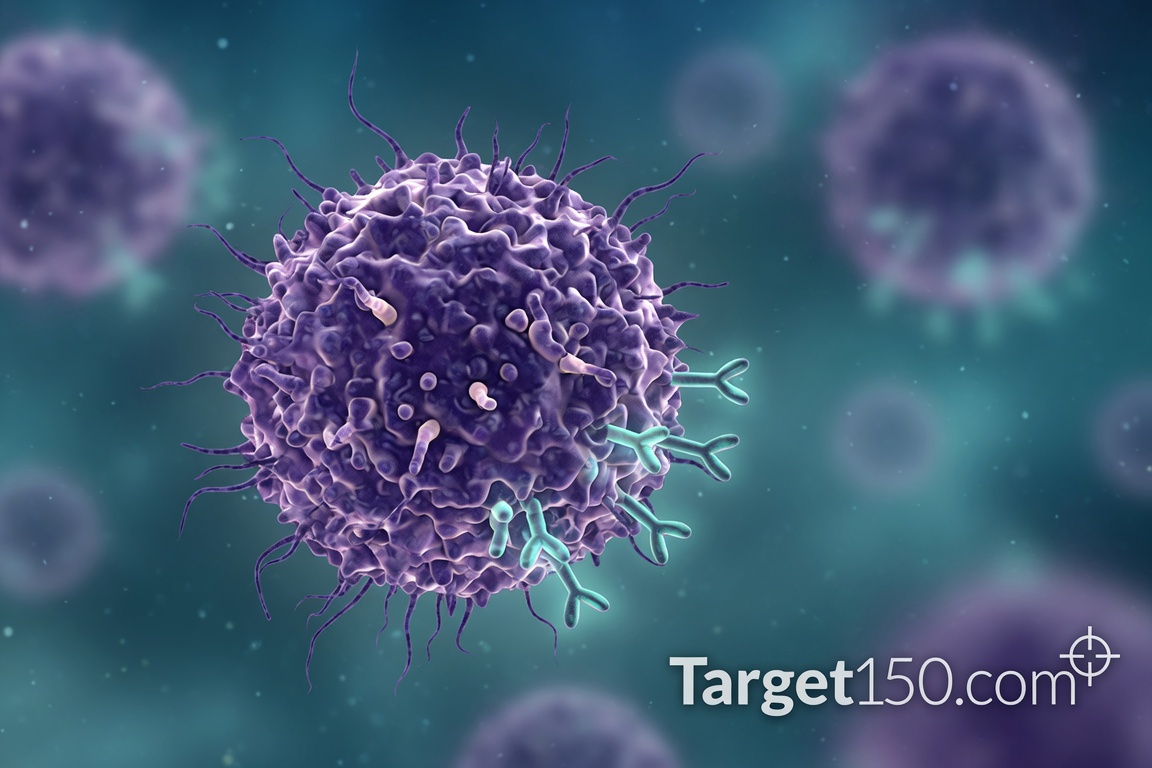
NK Cells: Powerful Cancer Fighters
Natural killer (NK) cells are the immune system’s first line of defense against cancer. This 2026 guide covers NK cell biology, how they destroy tumors, the latest CAR-NK and memory-like breakthroughs from Dana-Farber, MIT, Yale and McGill, and how to support your own NK cell function.
Revolutionizing Longevity and Quality of Life
Being Christened Had an Unexpected Impact on Me
The Economics of Happiness at a National Level
Every story, signed and delivered.
Subscribe to the kxco channel and get the headline, the AI-written key takeaways, and the chain-anchor link the moment we publish. Audio versions and per-ticker subscriptions arrive in the next iteration.