
Wall St Rally Continues
Wall Street saw no reason to stop rallying as the US economy pulls out of its downturn, lifting the Dow and S & P 500 to their second consecutive record on Friday.
At the close of US trading, the benchmark Dow Jones Industrial Average had gained 0.5 percent to end at 34,201.13. The broad-based S & P 500 rose 0.4 percent to hit 4,185.53.
The tech-rich Nasdaq Composite Index saw slightly less ebullient trading, gaining 0.1 percent to close at 14,052.34, about 125 points below its all-time high.
Both the S & P 500 and Dow also posted their fourth consecutive weekly gains, ending a week that saw the government release data indicating weekly jobless claims hit their lowest point of the pandemic, and retail sales boomed in March thanks in part to government stimulus.
Chris Low of FHN Financial said that data, combined with easy monetary policy from the Federal Reserve that its leadership indicated it wasn't looking to end, put traders in an optimistic mood.
"We had tremendous data all week this week," he said. "In addition to strong data, we get reassurances from Fed officials all week, including the chair, that they're very comfortable with the economic and inflation environment... so that's good news for equities, as well."
Adding to the upbeat sentiment were data released before markets opened showing homebuilding had rebounded sharply last month after winter weather snarled construction in February.
The data offered hope that the inventory squeeze that is pushing home prices up could end this year.
Homebuilder Toll Brothers closed 2.9 percent higher, while KB Home gained 3.3 percent, both all-time highs.
Morgan Stanley fell 2.8 percent after disclosing a $911 million loss from the meltdown of Archegos Capital Management despite reporting blockbuster first-quarter profits.
AI is the Neat Handwriting of the Illiterate
A model in the hands of someone who has read the filing and walked the plant is a clerk. The same model, speaking for someone who has done neither, is a disguise. On AI slop, phantom citations and factslop, why finish stopped being evidence of work, and the containment layer KXCO built so a machine cannot speak as the institution until a source is attached.
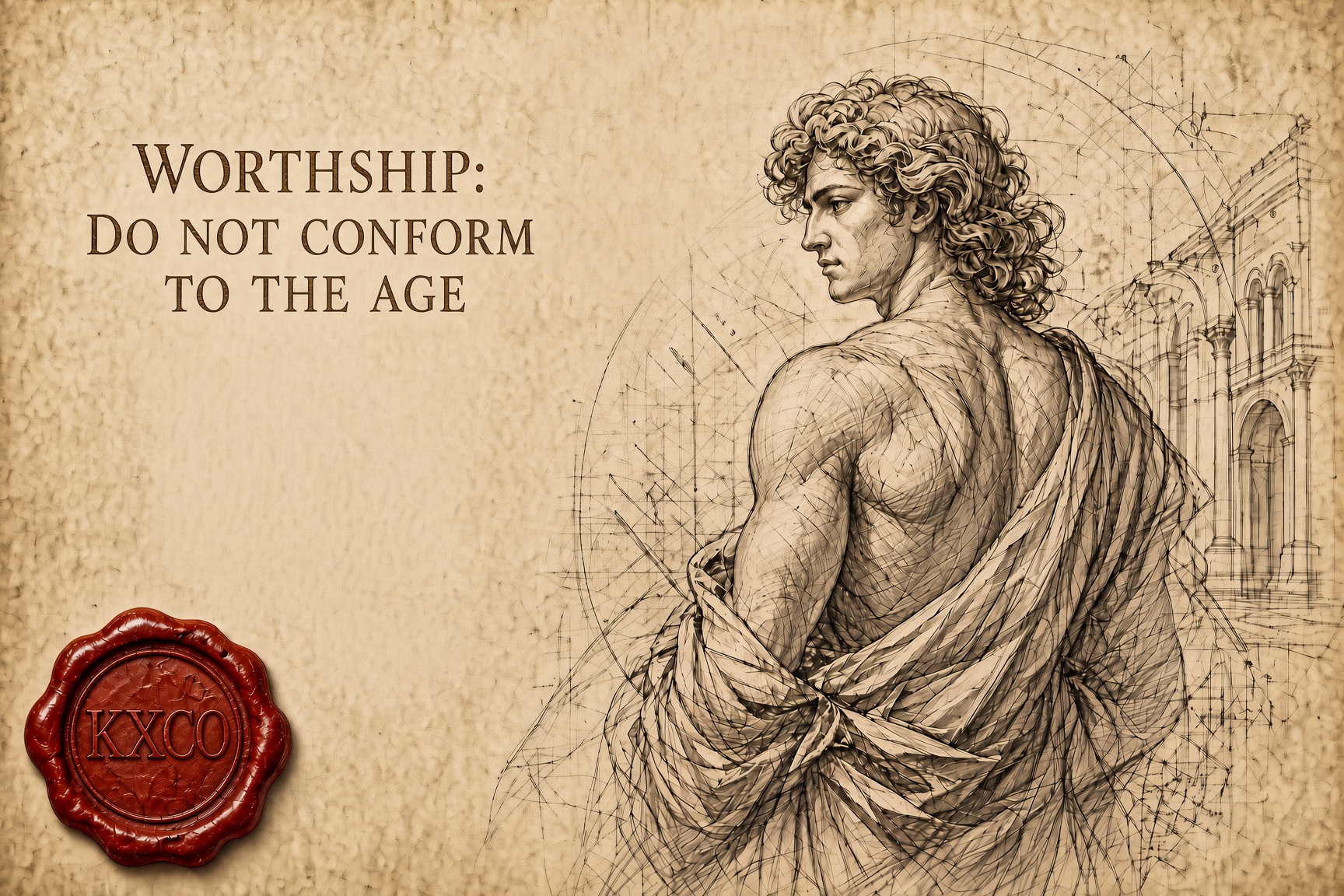
Worthship: Do Not Conform to the Age
Worthship is the older English word for worship, and it means to ascribe worth. Bishop Robert Barron preached Romans 12 on 30 August. This essay follows the text into the prison letters, and puts two questions to a graph: do the four readings of that Sunday agree, and was Paul free or in chains when he wrote about despair?
The Truth in All Its Ugliness Must Survive
A majority vote does not determine the truth. Consensus is a mood, gossip is a sport, and a model will write the pretty version for free. Why the ugly number has to survive, why a record beats a dashboard, and what KXCO was built to keep standing when the room changes its mind.
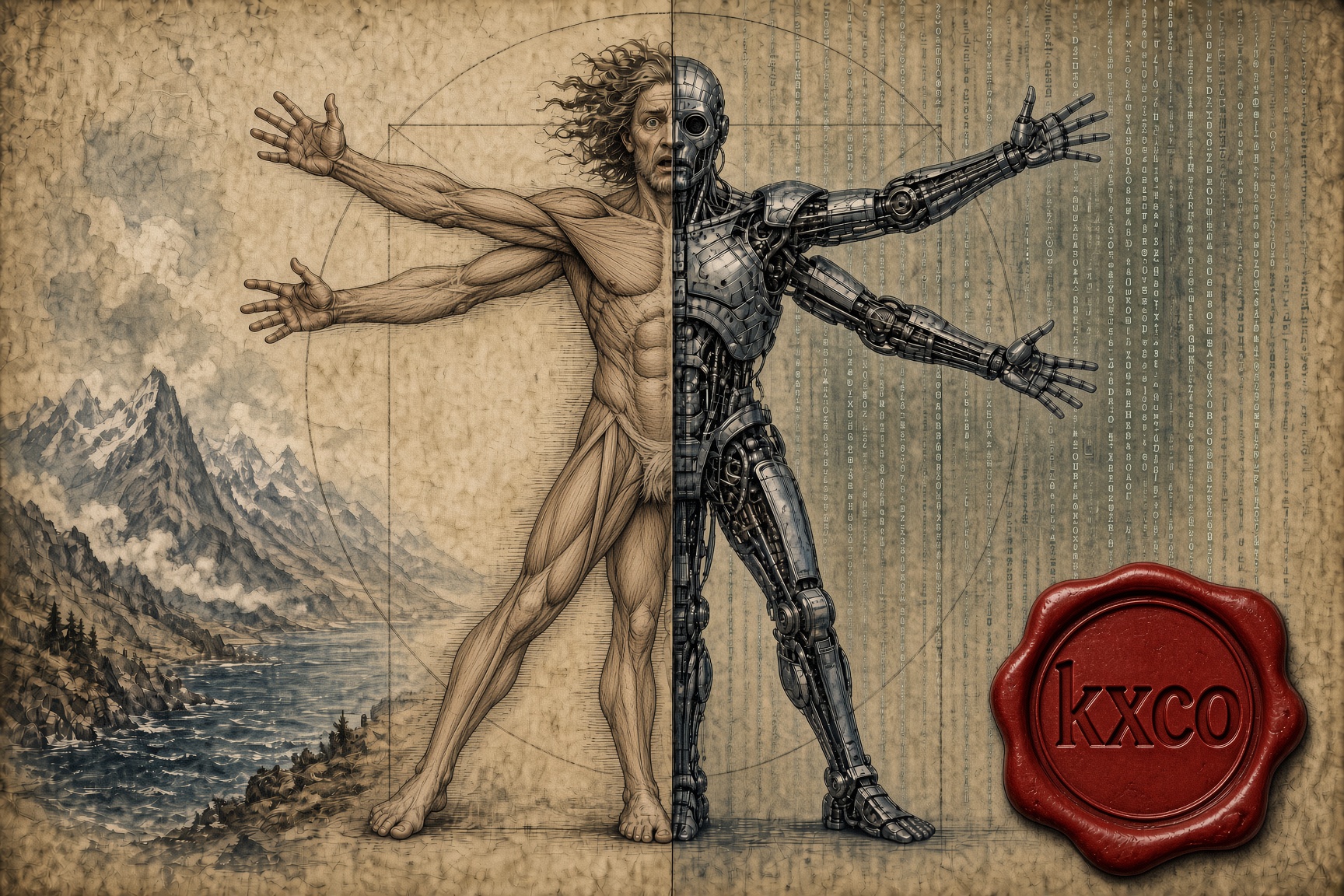
Don't Be the Best, Be the Only: Winning in an AI World
AI is repricing competence downward. What it cannot reproduce is a life. The case for remaining non-fungible, why friction still produces the best ideas, and what it means to build AI systems that keep the human intellect in them.
Every story, signed and delivered.
Subscribe to the kxco channel and get the headline, the AI-written key takeaways, and the chain-anchor link the moment we publish. Audio versions and per-ticker subscriptions arrive in the next iteration.