
The Political and Economic Importance of Qatar – $QAT $SPY $FXI
The Political and Economic Importance of Qatar – Shayne Heffernan $QAT $SPY $FXI
By Shayne Heffernan, April 10, 2025
Qatar’s influence stretches far beyond its size, and I think it’s worth breaking down how its strategic moves in energy, diplomacy, and investment make it a key player for markets like $QAT, $SPY, and $FXI. Let’s look at what makes Qatar so important and why investors should keep an eye on this powerhouse.
Qatar’s Economic Power: A Gas Giant with Global Reach
I’ve always been impressed by Qatar’s economic clout, especially its role in the energy sector. Qatar is one of the world’s largest exporters of liquefied natural gas (LNG), sitting on the third-largest proven gas reserves globally, with about 1,760 trillion cubic feet as of my last check. I’ve seen how this gives Qatar a massive edge—LNG exports make up a huge chunk of its economy, bringing in billions every year. For example, in 2023, Qatar’s LNG exports were valued at over $55 billion, and I think that number has only grown with Europe’s push to replace Russian gas after the Ukraine conflict.
What really stands out to me is how Qatar has used its gas wealth to diversify. The Qatar Investment Authority (QIA), their sovereign wealth fund, manages over $450 billion in assets, investing in everything from real estate to tech. I’ve followed QIA’s moves—like their stakes in Volkswagen, Barclays, and even London’s Canary Wharf—and I think it shows how Qatar is building a global financial footprint. This diversification makes Qatar a stable player, which I believe supports the $QAT ETF, tracking Qatari stocks, and even influences broader markets like $SPY through its investments in US companies.
Political Influence: A Diplomatic Heavyweight
I think Qatar’s political importance comes from its knack for playing the middleman in global conflicts. Despite its small size—about 2.8 million people—Qatar punches way above its weight in diplomacy. I’ve watched how Doha has become a hub for mediation, hosting talks between groups like the Taliban and the US, or Hamas and Israel. Just last year, Qatar brokered a temporary ceasefire in Gaza, and I think that kind of influence gives it a unique role in the Middle East.
What I find interesting is how Qatar balances its relationships. It hosts the largest US military base in the Middle East, Al Udeid, which I think cements its alliance with the West. But it also maintains ties with Iran, sharing the massive South Pars/North Dome gas field, and supports groups like the Muslim Brotherhood, which has caused friction with neighbors like Saudi Arabia. I’ve seen how this balancing act led to the 2017-2021 Gulf crisis, where Saudi Arabia and others blockaded Qatar, but Qatar came out stronger, boosting its self-reliance with new trade routes and partnerships. I believe this resilience makes Qatar a key player in regional stability, which indirectly supports markets like $FXI by reducing risks in the broader Asian region.
Qatar’s Global Impact: From FIFA to Airlines
I can’t talk about Qatar without mentioning its soft power. Hosting the 2022 FIFA World Cup was a big moment—I think it put Qatar on the map for a lot of people. I remember watching the matches and seeing how Qatar used the event to showcase its culture and infrastructure, like the $200 billion they spent on stadiums, metro systems, and hotels. I believe this boosted Qatar’s global brand, making it a hub for tourism and business.
I’ve also been impressed by Qatar Airways, one of the world’s top airlines. I’ve flown with them a few times, and their service is top-notch—they’ve won “World’s Best Airline” awards multiple times. I think the airline’s global reach, with flights to over 170 destinations, makes Qatar a key connector in international travel, which supports its economic influence. This kind of connectivity helps drive trade and investment, which I see as a positive for $SPY, given the US’s exposure to global markets.
Why Investors Should Care
I think Qatar’s political and economic importance makes it a critical player for investors. Its LNG exports keep energy markets stable, which I believe supports global economic growth and, by extension, $SPY. Its diplomatic role reduces risks in the Middle East, which I see as a plus for $FXI, since China relies on stable oil and gas supplies. And the $QAT ETF, tracking Qatari stocks, benefits directly from Qatar’s economic diversification and growth.
I’ve been through enough market cycles to know that countries like Qatar can offer unique opportunities. I think investors should watch Qatar’s next moves—whether it’s expanding LNG production, brokering more peace deals, or growing its global investments. I’d love to hear your thoughts on how Qatar fits into your investment strategy!
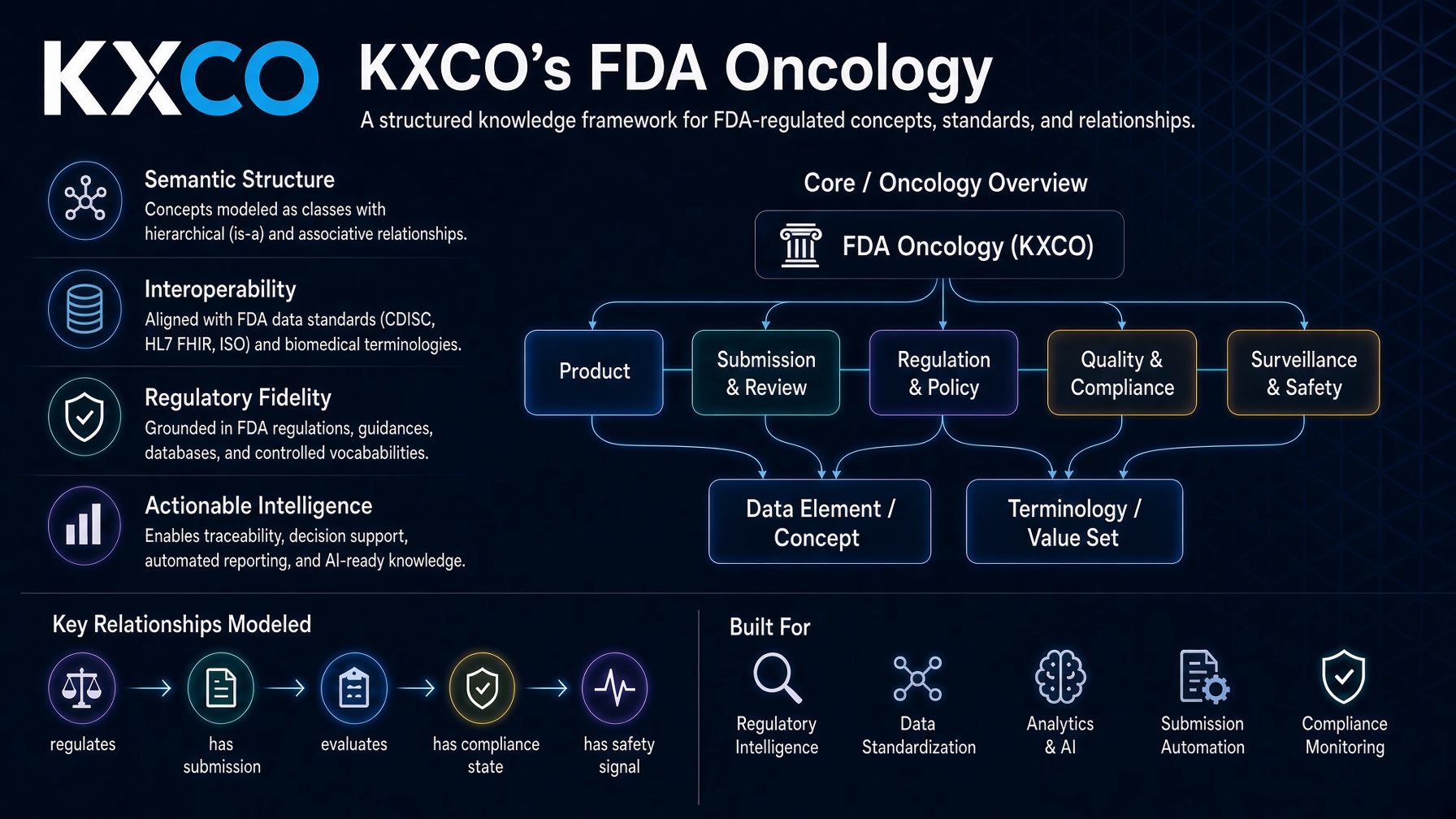
KXCO's FDA Ontology Is Two for Two on FDA Decisions
The FDA has decided two filings on KXCO's FDA board since the board began ranking them, and on my scorecard the board got both right. It ranked Inovio's INO-3107 first and the FDA approved it on 30 October; Inovio moved +149.1% net of the sector. It gave Summit's ivonescimab no call, and Summit announced the FDA's refusal on 15 November; Summit fell 16.5%. KXCO's record held the FDA's survival warning before the refusal was announced.

Quantum Computing in November 2026: The Cost of Breaking Your Keys Keeps Falling
No quantum computer can break today's public keys yet, but three new estimates and a peer-reviewed Google paper put a break at between 19,397 and 500,000 physical qubits. Quantinuum's Helios has 98 qubits and IBM's Nighthawk r2 has 120. NIST will deprecate RSA and elliptic-curve cryptography after 2030, and only about 15% of the origin servers behind Cloudflare use post-quantum key exchange. KXCO's core library, kxco-post-quantum, scores 9.8 on the OpenSSF Scorecard.
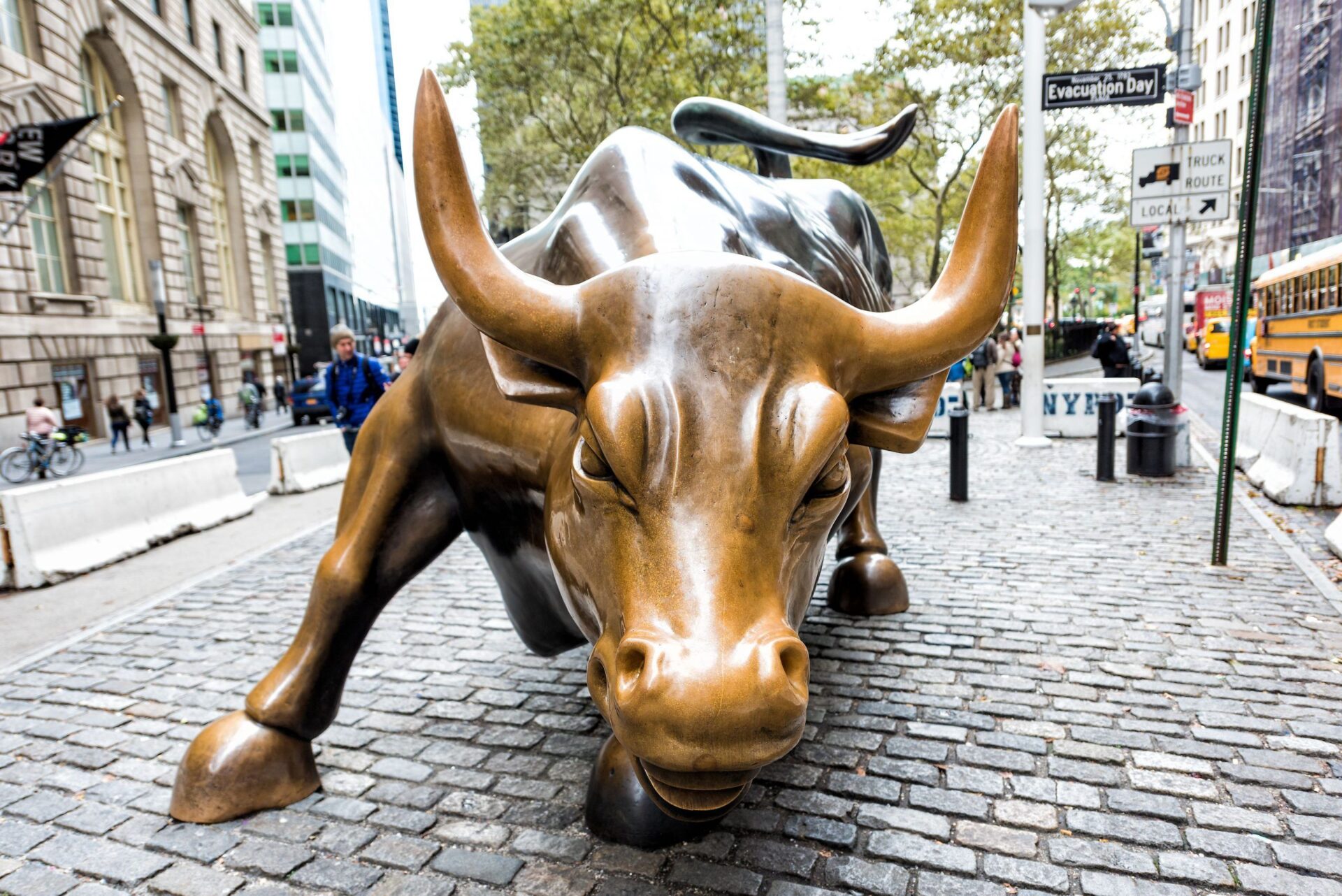
The Week Ahead on Wall Street, 16 November 2026: Look for the Bounce
NVIDIA reports on Tuesday 17 November 2026, its first results since Jensen Huang resigned, and I expect the stock and the AI market to bounce. NVIDIA closed at $162.85 on 13 November 2026, 31.93% below its record, while the semiconductor index rose 8.05% on the week. The calendar leans to currencies, with the yen near 160 after briefly crossing it, and the US publishes retail sales, housing starts, jobless claims and the Fed's minutes. Follow them on the Live Trading News trading page.
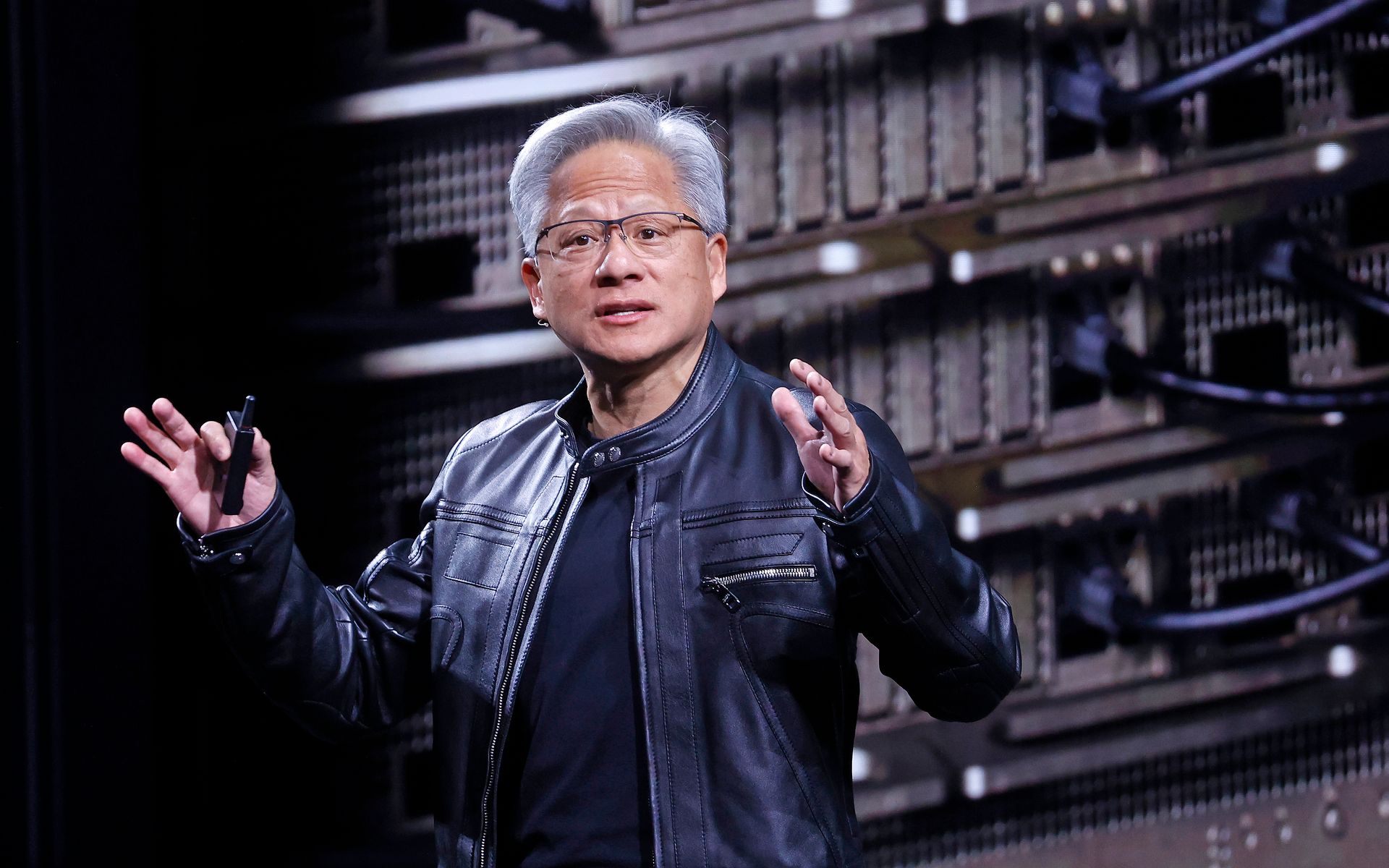
AI Is Still a Buy: The Noise Will Not Stop the Build-Out
In my view AI is still a buy. NVIDIA announced on 12 November 2026 that Jensen Huang had resigned as chief executive, and the push against data centres widened, yet four of the largest cloud sellers carry about $2.48 trillion of signed backlog and the build kept moving. NVIDIA closed at $162.85 on 13 November 2026 with an average analyst target 71.71% above the price. KXCO's AI ontology shows the same US companies have announced capacity in the UAE, Saudi Arabia, Japan, Malaysia and India.
Every story, signed and delivered.
Subscribe to the kxco channel and get the headline, the AI-written key takeaways, and the chain-anchor link the moment we publish. Audio versions and per-ticker subscriptions arrive in the next iteration.