
The Growth of the AI Sector in China
Artificial intelligence (AI) is one of the most important technologies of the 21st century, and China is one of the leading countries in its development. The Chinese government has made AI a national priority, and has invested heavily in research and development. As a result, China has become a global leader in AI, and is now home to some of the world's most innovative AI companies.
There are a number of factors that have contributed to the growth of the AI sector in China. One factor is the large pool of talent available in China. China has a large population of highly educated people, and many of them are interested in working in AI. Another factor is the government's support for AI. The Chinese government has provided financial support for AI research and development, and has also created a favorable regulatory environment for AI companies.
The growth of the AI sector in China has had a number of positive impacts on the economy. AI has created new jobs, and has also helped to improve productivity in a number of industries. AI is also being used to develop new products and services, which is helping to drive economic growth.
The growth of the AI sector in China is also having a number of implications for society. AI is being used to develop new technologies that are changing the way we live and work. For example, AI is being used to develop self-driving cars, which could revolutionize transportation. AI is also being used to develop new medical treatments, which could improve the quality of life for millions of people.
The growth of the AI sector in China is a major development that is having a significant impact on the world. China is poised to become a global leader in AI, and its success could have a major impact on the future of the world economy and society.
Here are some of the key factors that are driving the growth of the AI sector in China:
Government support: The Chinese government has made AI a national priority and has invested heavily in research and development.
Large pool of talent: China has a large pool of highly educated people, many of whom are interested in working in AI.
Favorable regulatory environment: The Chinese government has created a favorable regulatory environment for AI companies.
The growth of the AI sector in China is having a number of positive impacts on the economy, including:
Job creation: AI is creating new jobs in a number of industries, including technology, healthcare, and manufacturing.
Productivity improvement: AI is helping to improve productivity in a number of industries, which is leading to economic growth.
Innovation: AI is being used to develop new products and services, which is driving economic growth.
The growth of the AI sector in China is also having a number of implications for society, including:
Transportation: AI is being used to develop self-driving cars, which could revolutionize transportation.
Healthcare: AI is being used to develop new medical treatments, which could improve the quality of life for millions of people.
Security: AI is being used to develop new security technologies, which could help to protect people and property.
The growth of the AI sector in China is a major development that is having a significant impact on the world. China is poised to become a global leader in AI, and its success could have a major impact on the future of the world economy and society.
AI Expo in China
What are the cutting-edge technologies for artificial intelligence (AI)? How can they benefit our daily life?
These questions might be enlightened at a recent meeting for international collaboration and advancement in AI technology.
7th World Intelligence Congress (WIC), an international event that focused on AI and related technologies, was held this month in Tianjin. The event aimed to promote global cooperation and exchange in the field of AI, smart manufacturing, smart vehicles, 5G-plus internet, etc. The congress provides a platform for AI researchers, industry leaders, policymakers, and experts from various disciplines to share knowledge, discuss innovations, and explore the impact of AI and related technologies on society.
In this video featuring the display of technologies at WIC, China Matters' vloggers Evy and Jack head to Tianjin to explore new cutting-edge technologies and dive into the coolest exhibits. They challenge each other to see who can find the most interesting tech.
Evy enjoys handcrafted coffee from a robot barista who specializes in making pour-over brews. Jack gets the ultimate Grammy-style photo shoot from a high-speed robotic cameraman. He also shows off his new "power suit" by using it to lift up Evy as if she were as light as a feather. Aimed at more hi-tech exhibits, Evy challenges Jack to a head-to-head battle on a "5G racetrack." So how is this event revealing the latest advancements and trends in AI?
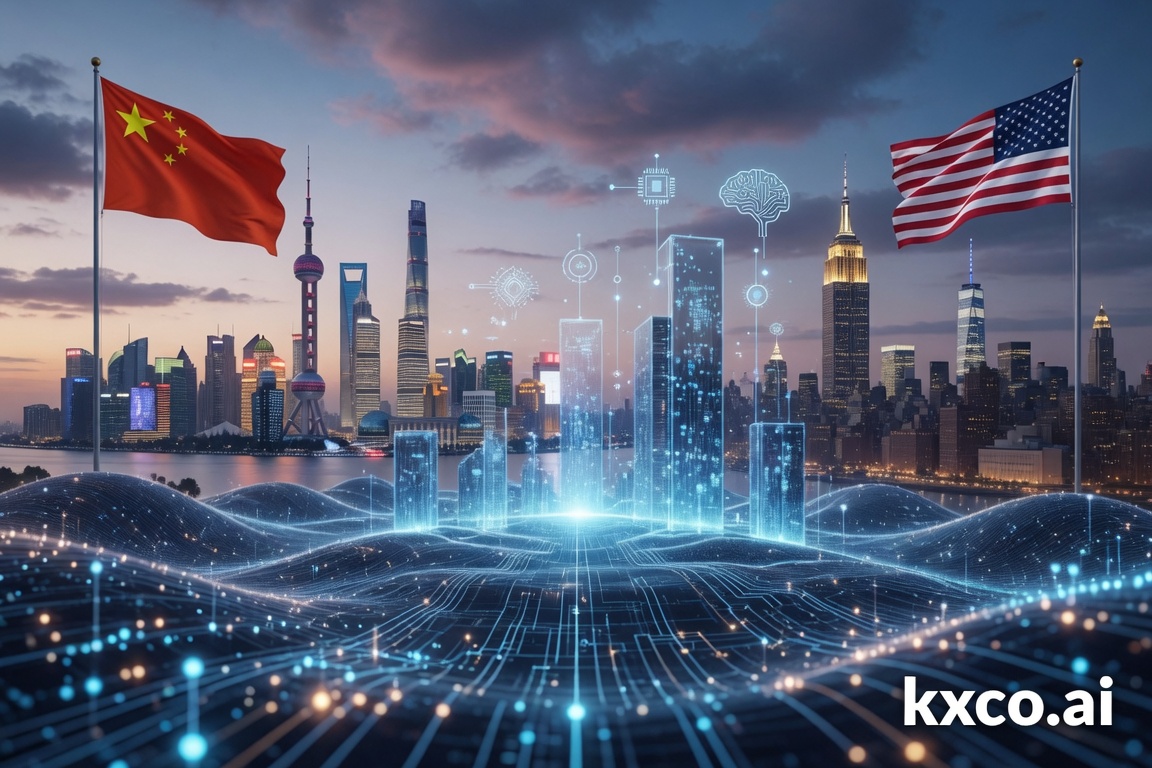
Understanding the US China AI and Quantum Landscape
AI and quantum are usually reported as a US–China race. The more useful story is two different systems — frontier capital versus open-source scale — entangled through shared chokepoints. Shayne Heffernan maps the landscape with the KXCO AI Sector Ontology, with comparison graphics and the investable names.
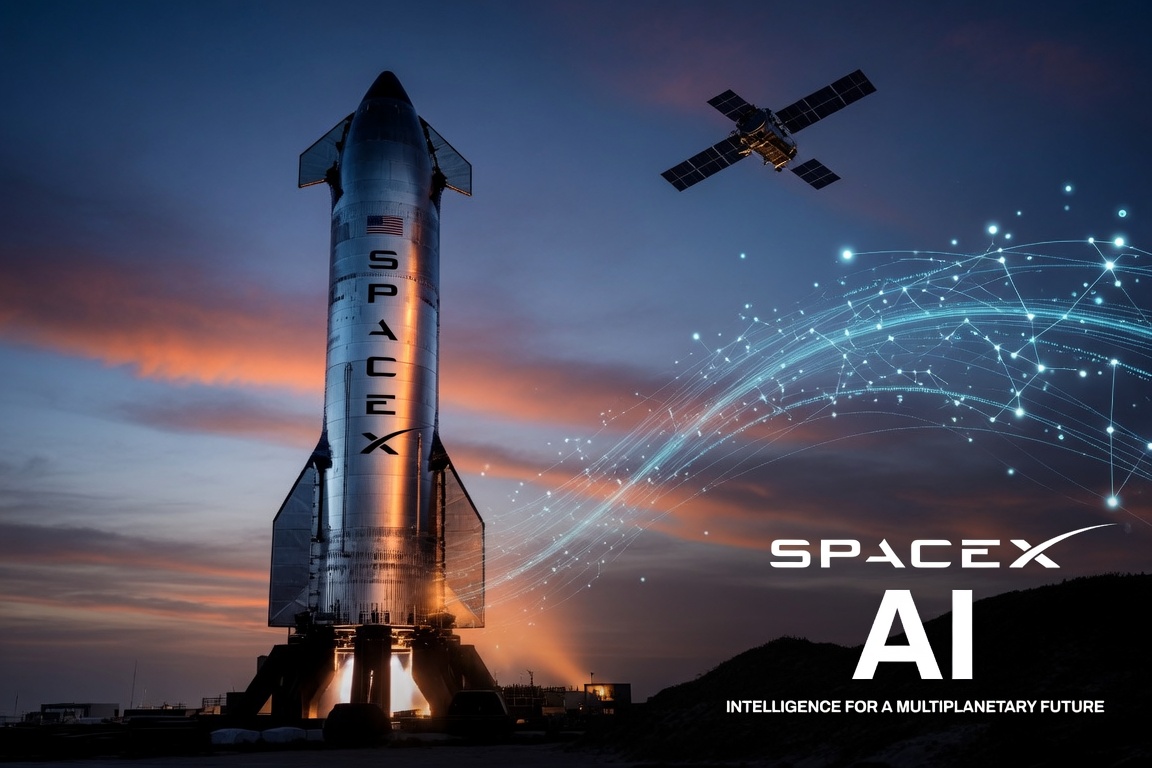
SpaceX: The AI Company You Might Be Missing
The market watches Falcon 9 and Starlink; it is missing the AI company SpaceX has quietly built — xAI, Colossus, the $55bn Terafab chip fab and orbital data centres. Shayne Heffernan maps SpaceX's position against the KXCO AI Sector Ontology ahead of its IPO.
KXCO Quantum Security 13 Packages, Published for Anyone to Inspect
Most tech companies ask you to trust them; KXCO did the opposite and published its post-quantum security code in the open. Shayne Heffernan on why third-party-verifiable software is the real signal — and what KXCO deliberately kept private.
The AI–Quantum Convergence Is One Problem, Not Two — and It Needs One Environment
AI and quantum are arriving together, and the BIS says the cost falls on defenders. Shayne Heffernan on treating them as one trust problem — and the fact-based, post-quantum environment built to answer it.
Every story, signed and delivered.
Subscribe to the kxco channel and get the headline, the AI-written key takeaways, and the chain-anchor link the moment we publish. Audio versions and per-ticker subscriptions arrive in the next iteration.