
The Global Weariness: Reevaluating America's Military Interventions in the Middle East
In recent decades, the international community has observed with growing concern as the United States has engaged in numerous military actions across the Middle East. While these interventions have been justified on various grounds—ranging from counterterrorism efforts to regional stability—the outcomes have often been characterized by prolonged conflicts, significant civilian casualties, and widespread destabilization. As the world reflects on the enduring consequences of these military endeavors, a palpable sense of weariness and skepticism has emerged, questioning the efficacy and morality of America's approach to foreign policy in the region.
A Legacy of Chaos and Instability
The aftermath of America's military interventions in the Middle East reveals a sobering reality: despite considerable human and financial costs, the outcomes have frequently resulted in protracted conflicts, societal upheaval, and the loss of countless lives. From Iraq and Afghanistan to Syria and Yemen, the region has become a theater of unending turmoil, with millions bearing the brunt of displacement, trauma, and despair.
Civilian Casualties and Humanitarian Concerns
One of the most distressing aspects of America's military actions has been the staggering number of civilian casualties. Despite advances in precision-guided weaponry and intelligence capabilities, unintended deaths and injuries have been tragically commonplace. Moreover, the destruction of infrastructure, healthcare facilities, and essential services has exacerbated humanitarian crises, leaving vulnerable populations in dire straits and dependent on international aid.
Global Skepticism and Diplomatic Repercussions
The international community's patience with America's military interventions is wearing thin, as evidenced by evolving diplomatic dynamics and shifting alliances. Traditional allies have expressed reservations about the efficacy and long-term viability of continued military engagement, advocating for diplomatic solutions and multilateral initiatives. Moreover, emerging powers and regional actors have seized upon America's perceived overreach as a rallying cry for alternative geopolitical alignments, further complicating global stability and cooperation.
Reevaluating America's Foreign Policy Paradigm
As the world grapples with the enduring consequences of America's military interventions in the Middle East, a critical reevaluation of foreign policy objectives, strategies, and ethical considerations is imperative. The principles of sovereignty, self-determination, and human rights must guide future engagements, prioritizing diplomatic dialogue, conflict resolution, and sustainable development over militarized solutions.
Toward a Collaborative and Constructive Future
To address the complex challenges facing the Middle East and restore global confidence in America's leadership, a multifaceted approach encompassing diplomatic engagement, regional cooperation, and international solidarity is essential. By prioritizing inclusive dialogue, respecting sovereign boundaries, and fostering equitable development, the United States can begin to repair fractured relationships, mitigate humanitarian crises, and contribute positively to regional stability and prosperity.
Conclusion
The global weariness surrounding America's constant military actions in the Middle East underscores a pressing need for introspection, accountability, and transformative change. By acknowledging past failures, reassessing strategic priorities, and embracing collaborative solutions, the United States can chart a more ethical, effective, and sustainable course in its foreign policy endeavors. Only through concerted efforts to address root causes, prioritize human dignity, and uphold international law can the cycle of chaos and instability be decisively broken, paving the way for a more peaceful and prosperous future for all.
AI is the Neat Handwriting of the Illiterate
A model in the hands of someone who has read the filing and walked the plant is a clerk. The same model, speaking for someone who has done neither, is a disguise. On AI slop, phantom citations and factslop, why finish stopped being evidence of work, and the containment layer KXCO built so a machine cannot speak as the institution until a source is attached.
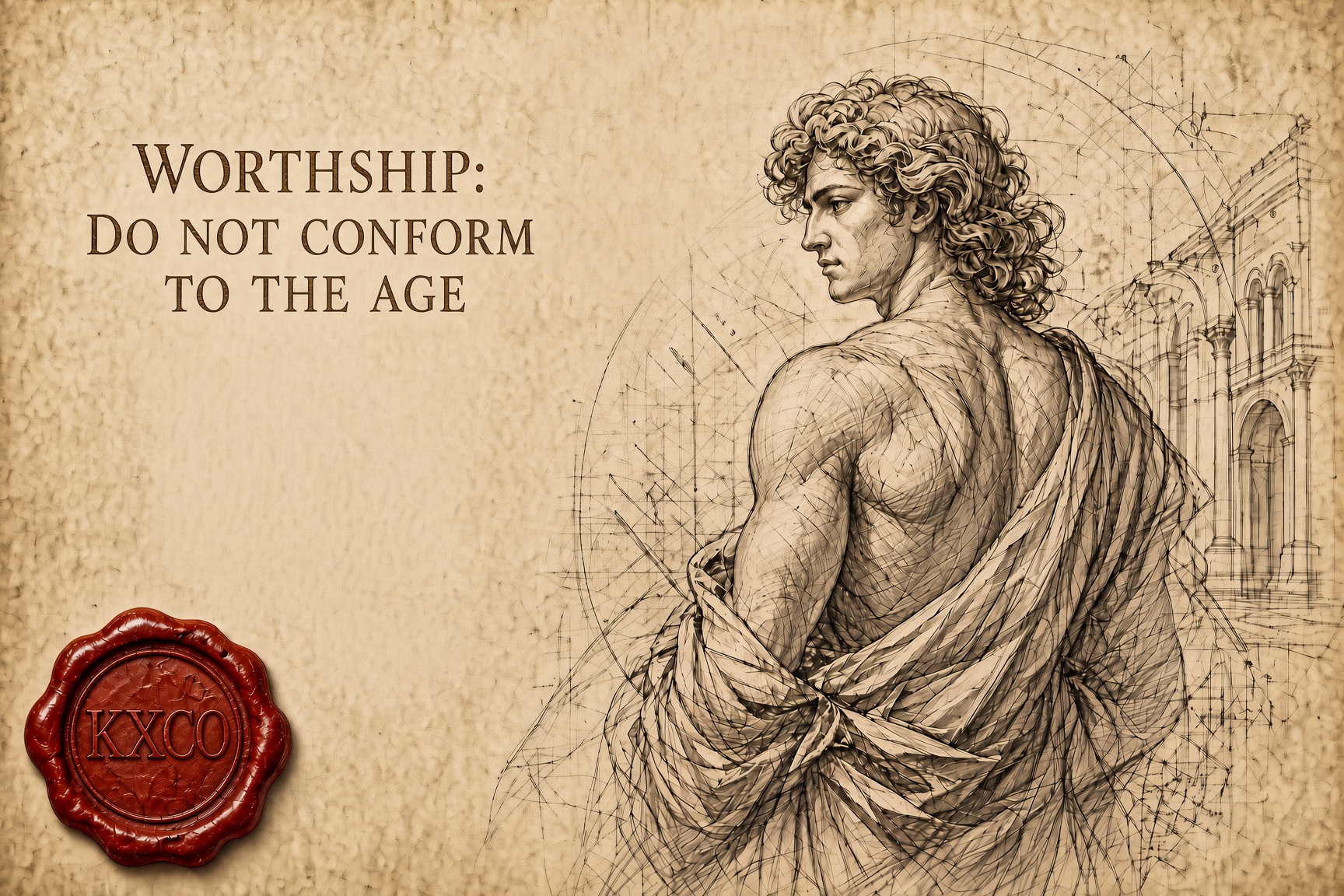
Worthship: Do Not Conform to the Age
Worthship is the older English word for worship, and it means to ascribe worth. Bishop Robert Barron preached Romans 12 on 30 August. This essay follows the text into the prison letters, and puts two questions to a graph: do the four readings of that Sunday agree, and was Paul free or in chains when he wrote about despair?
The Truth in All Its Ugliness Must Survive
A majority vote does not determine the truth. Consensus is a mood, gossip is a sport, and a model will write the pretty version for free. Why the ugly number has to survive, why a record beats a dashboard, and what KXCO was built to keep standing when the room changes its mind.

Don't Be the Best, Be the Only: Winning in an AI World
AI is repricing competence downward. What it cannot reproduce is a life. The case for remaining non-fungible, why friction still produces the best ideas, and what it means to build AI systems that keep the human intellect in them.
Every story, signed and delivered.
Subscribe to the kxco channel and get the headline, the AI-written key takeaways, and the chain-anchor link the moment we publish. Audio versions and per-ticker subscriptions arrive in the next iteration.