
The Difference Between a CBDC and Bitcoin
#CBDC #bitcoin #cryptocurrencies #blockchain
Bitcoin and CBDCs captured the attention of mainstream participants as the cryptocurrency industry evolves. Yet, despite their similar status as ‘digital assets’, there are some major differences in the way they are issued and controlled.
A Central Bank Digital Currency (CBDC) refers to the virtual or digital asset form of a fiat (paper) currency such as USD, EUR or GBP.
They are issued and regulated by a nation’s monetary authority or central bank and are currently being explored by a number of countries worldwide in a bid to ‘digitalise’ the current monetary ecosystem.
Bitcoin is a decentralised digital asset that can be transferred and sent worldwide on a peer-to-peer basis without the need for an intermediary or central authority.
The asset is distributed, traded and stored using a decentralised ledger system known as a blockchain.
Bitcoin is the 1st iteration of a cryptocurrency and remains the largest crypto asset by market capitalization today.
The Key difference between the two is that Bitcoin is a cryptocurrency and a CBDC is not.
Cryptocurrencies like Bitcoin are stored on a decentralised blockchain network whilst a CBDC asset will be issued and stored using a more centralised method.
This means that Bitcoin remains decentralised in nature and cannot be controlled by a single authority. Contrastingly, a CBDC asset can be regulated and controlled by the issuing authority such as a bank or the Fed, ECB, BoE, BoJ, PBoC or others.
This raises the issue of anonymity and privacy when using each asset.
When using Bitcoin, you use a wallet address that has no personal information or identifiers attached to it, meaning you can send Bitcoin to others in an anonymously.
CBDCs are expected to be a replacement for cash and centrally distributed, meaning your details will be ‘attached’ to your CBDC asset and be subject to oversight and regulation from the issuer.
The value of the assets and the circulating supply are also different.
CBDCs are expected to be ‘pegged’ to the value of the underlying asset, much like stablecoins such as Tether (USDT) and USD Coin (USDC), and have a supply based on demand and use cases for the asset.
In contrast, Bitcoin has a fixed supply of only 21-M, hence why the value of the asset remains much greater than the $1 valuation of a stablecoin.
In the future, it is expected that CBDCs may utilize blockchain technologies to help distribute and manage their assets.
But, the underlying issues of decentralization and anonymity attached to the asset will remain, leading many investors to choose a more private, decentralized asset such as Bitcoin as a ‘store of value’.
Have a prosperous, happy holiday week, Keep the Faith!

The Week Ahead on Wall Street, 16 November 2026: Look for the Bounce
NVIDIA reports on Tuesday 17 November 2026, its first results since Jensen Huang resigned, and I expect the stock and the AI market to bounce. NVIDIA closed at $162.85 on 13 November 2026, 31.93% below its record, while the semiconductor index rose 8.05% on the week. The calendar leans to currencies, with the yen near 160 after briefly crossing it, and the US publishes retail sales, housing starts, jobless claims and the Fed's minutes. Follow them on the Live Trading News trading page.
KXCO Pay Is Live: WooCommerce Crypto Payments Straight to Your Own Wallet
KXCO Pay 1.0.0 went live on WordPress.org on 7 October 2026. It adds Bitcoin, Ether, USDT and USDC to WooCommerce, and the customer pays the merchant's own address. The plugin holds no funds and no keys: it reads the chain through public services, prices each order from CoinGecko, locks the rate and settles the order once the payment confirms. A shortcode, a block and a REST API take payment on any page. Free under the GPL, with no commission on any payment.
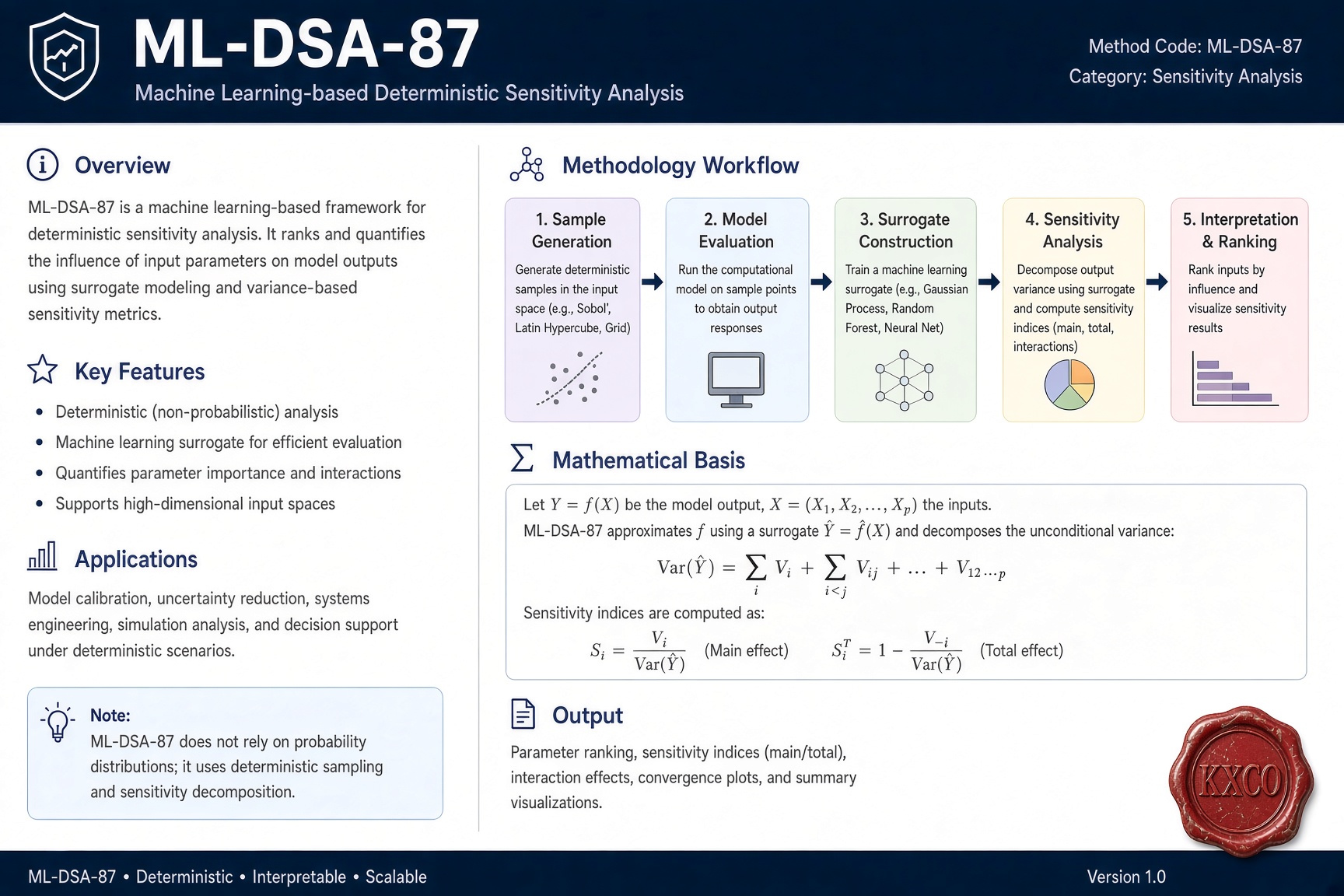
KXCO Now Verifies ML-DSA-87 in Consensus, the Signature Level Named by the NSA
On 6 October 2026 KXCO's chain began verifying ML-DSA-87 signatures as a rule of consensus, and the first ML-DSA-87 identity registered 28 seconds later. ML-DSA-87 is the category 5 level of NIST's FIPS 204, specified by the NSA for US national security systems and preferred by Australia's Information Security Manual. KXCO ships it for signing and for keys held in hardware, accepts it across its network and verifies it on chain, and anyone can check a verdict.

KXCO is Enhanced Intelligence, Not Artificial
I never wanted artificial intelligence. I wanted enhanced intelligence, and they are not the same product. Artificial means the machine does the thinking and hands you the answer. Enhanced means I do the thinking, with more of my own mind in the room than I have ever had at one time. Forty years of reading, recallable in the second I need it. Patterns across law, credit, physics and markets that no specialist sees, because the useful ones sit between the fields rather than inside them.
Every story, signed and delivered.
Subscribe to the kxco channel and get the headline, the AI-written key takeaways, and the chain-anchor link the moment we publish. Audio versions and per-ticker subscriptions arrive in the next iteration.