
Stem Cell News, Parkinson's and Cancer
Latest clinical advances in stem cell research show promising results for Parkinson’s and cancer treatment
Part of theLongevity Center
Latest Advances in Stem Cell Research
Brought to you by Target150
Target150 is a premium longevity and regenerative service in Thailand that combines advanced stem cell therapy with luxury wellness retreats to help clients “Live Better”.
Located in serene curated Thai settings, it offers cutting-edge stem cell treatments, while providing a full concierge wellness experience that includes luxurious accommodations, healthy cuisine, holistic spa therapies, and a dedicated Personal Health Liaison to guide every step of the medical journey.
Blending world-class regenerative medicine with Thailand’s renowned medical-tourism standards, Target150 positions itself as a complete destination for those seeking not just treatment, but transformative, science-backed longevity and vitality.
A 2026 Snapshot of Developments Globally
Stem cell science continues to accelerate in 2026, moving from laboratory promise into early clinical reality. Induced pluripotent stem cells (iPSCs), organoids, and CRISPR-engineered stem cell therapies are at the forefront of regenerative medicine, offering potential treatments for Parkinson’s disease, epilepsy, cancer, frailty, and genetic disorders. While challenges around safety, scalability, and ethics remain, recent trials and technological breakthroughs signal a transformative year for the field.
Parkinson’s Disease: From Lab to Patients
One of the most watched areas is the use of stem cells to replace lost dopamine-producing neurons in Parkinson’s. In 2025–2026, two landmark early-stage clinical trials reported encouraging results. A Japanese team transplanted neural progenitors derived from donor iPS cells into seven patients, while a North American group used embryonic stem cell-derived cells in 12 patients. Both approaches proved safe, with participants showing measurable improvements in motor symptoms such as tremor and rigidity.
These trials build on years of foundational work and are part of a broader wave of iPSC-based neural therapies. In June 2025, the FDA cleared IND applications for three iPSC-derived neural progenitor programs targeting Parkinson’s, spinal cord injury, and ALS.
Organoids and Long-Term iPSC Models MatureHuman iPSC-derived organoids—miniature, three-dimensional tissue models—are becoming increasingly sophisticated. In late 2025, researchers at the Broad Institute maintained human brain organoids in culture for a record five years, during which the neurons exhibited molecular and epigenetic markers of aging that closely matched those seen in actual human brains.
This “aging in a dish” capability is a major step forward for modeling age-related diseases like Alzheimer’s and for drug screening. Researchers are also shifting toward Matrigel-free, scaffold-free organoid systems that allow better control over structure and vascularization, paving the way for more complex multi-organ models and personalized medicine applications.
Cancer Immunotherapy: Mass-Produced NK Cells
In February 2026, Chinese scientists announced a breakthrough in natural killer (NK) cell production: a single engineered stem cell from cord blood can generate up to 14 million tumor-killing NK cells—or 7.6 million CAR-equipped versions—in the lab. This scalable platform could dramatically lower costs and expand access to off-the-shelf cellular immunotherapies.
Meanwhile, iPSC-derived CAR-T therapies are advancing rapidly. Fate Therapeutics’ off-the-shelf FT819 received Regenerative Medicine Advanced Therapy (RMAT) designation in 2025 for lupus, and multiple companies are testing hypoimmune (immune-evasive) stem cell-derived products.
Gene Editing Meets Stem Cells
CRISPR is now routinely paired with stem cells. In the RUBY trial, the CRISPR-edited therapy reni-cel (renizgamglogene autogedtemcel) produced striking results for severe sickle cell disease: 27 of 28 patients experienced no vaso-occlusive crises after a single treatment.
Similar editing strategies are being explored in iPSCs to create hypoimmune cells for diabetes, Parkinson’s, and beyond, reducing the need for lifelong immunosuppression.
Broader Regenerative Applications
Epilepsy: Neurona Therapeutics’ NRTX-1001 (stem cell-derived interneurons) has shown substantial seizure reduction in drug-resistant patients, with some becoming seizure-free. A Phase 3 trial is planned for late 2026.
Frailty and muscle loss: Phase 2b data for laromestrocel and IMM01-STEM reported improved physical function and gait speed in older adults.
Fertility: Gameto’s Fertilo (iPSC-derived ovarian support cells) reached Phase 3 and produced the world’s first live birth using ex-vivo egg maturation.
The Road Forward
As the International Society for Stem Cell Research (ISSCR) prepares for its 2026 Annual Meeting in Montréal, the field is shifting from “if” to “how and when.” With over 1,200 patients already treated with pluripotent stem cell-derived therapies worldwide and dozens of trials advancing, 2026 may mark the year stem cell medicine begins delivering on its decades-long promise.
The coming months will bring more Phase 2/3 data, especially in neurology and immuno-oncology. For patients and researchers alike, the message is one of measured optimism: the science is maturing rapidly, and rigorous, transparent trials will determine which breakthroughs reach the clinic.
References
International Society for Stem Cell Research. “Stem Cell Reports Most Downloaded Papers of 2025 Highlight the Breadth and Impact of Stem Cell Research.” ISSCR News, December 23, 2025. https://www.isscr.org/isscr-news/04ry219odbnptyf0we3sikaw0311hh
DVC Stem. “Stem Cell Research: The Future of Regenerative Medicine (2026).” Updated April 15, 2026. https://www.dvcstem.com/post/stem-cell-research
Nature Editorial. “Don’t rush promising stem-cell therapies.” Nature 640, 570 (2025). https://www.nature.com/articles/d41586-025-01176-y
Fate Therapeutics. “Fate Therapeutics Receives Regenerative Medicine Advanced Therapy (RMAT) Designation from FDA for FT819.” Press release, April 14, 2025. https://ir.fatetherapeutics.com/news-releases/news-release-details/fate-therapeutics-receives-regenerative-medicine-advanced
ScienceDaily. “One stem cell generates 14 million tumor-killing NK cells in major cancer breakthrough.” February 17, 2026. https://www.sciencedaily.com/releases/2026/02/260215225600.htm
Cleveland Clinic Newsroom. “Gene Editing Therapy Shows Success Against Severe Sickle Cell Disease.” April 1, 2026. https://newsroom.clevelandclinic.org/2026/04/01/gene-editing-therapy-shows-success-against-severe-sickle-cell-disease
Neurona Therapeutics. Press releases and clinical updates on NRTX-1001 (ongoing 2025–2026 data). https://www.neuronatherapeutics.com/news/press-releases/
Additional data drawn from ISSCR announcements, FDA IND clearances, and company pipelines reported through June 2026. (See ISSCR main site for latest: https://www.isscr.org)
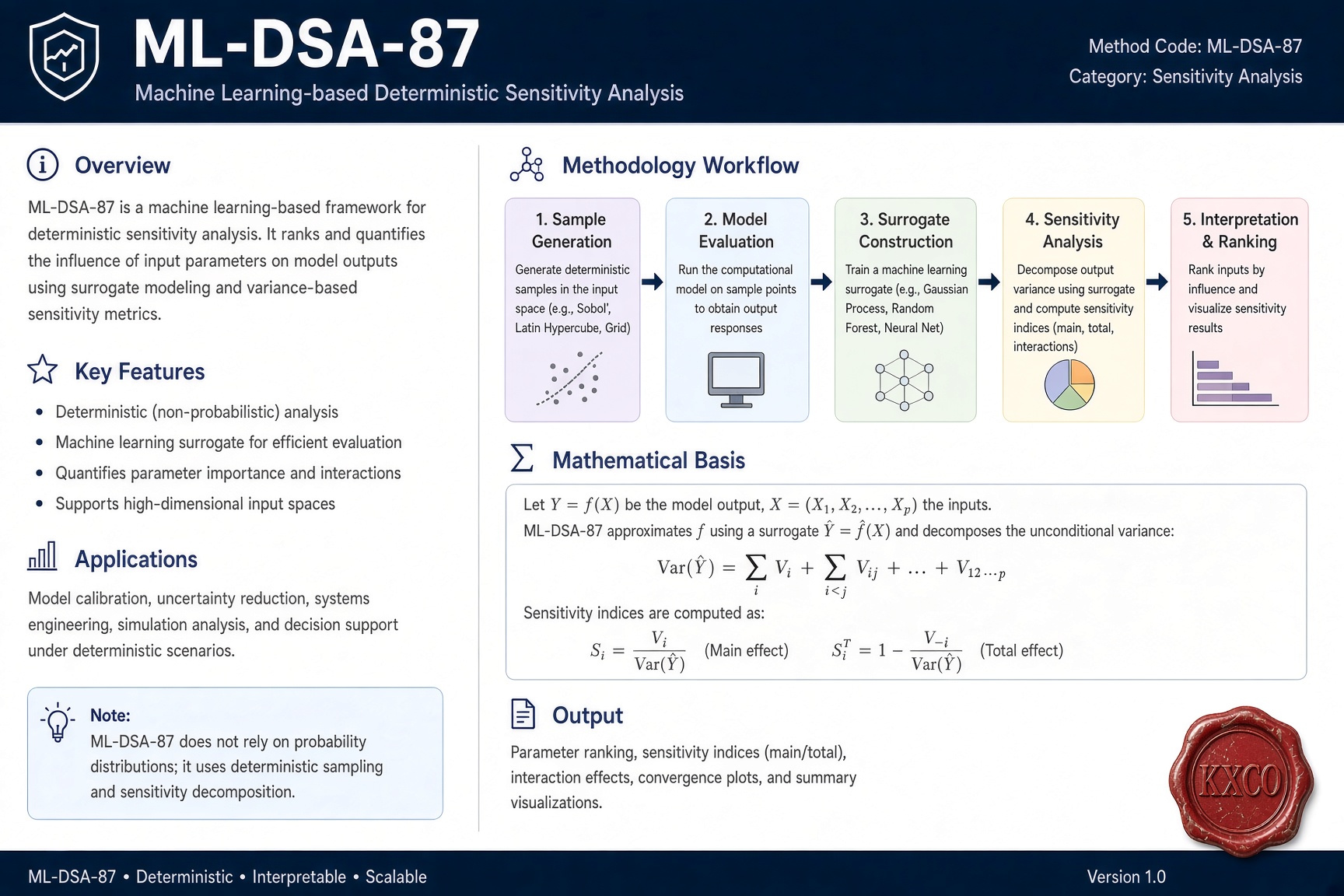
KXCO Now Verifies ML-DSA-87 in Consensus, the Signature Level Named by the NSA
On 6 October 2026 KXCO's chain began verifying ML-DSA-87 signatures as a rule of consensus, and the first ML-DSA-87 identity registered 28 seconds later. ML-DSA-87 is the category 5 level of NIST's FIPS 204, specified by the NSA for US national security systems and preferred by Australia's Information Security Manual. KXCO ships it for signing and for keys held in hardware, accepts it across its network and verifies it on chain, and anyone can check a verdict.

Weekly Market Outlook: Fed Minutes, Anthropic and OpenAI IPOs, Gold, Bitcoin, FX
The Fed raised rates in September and payrolls rose 29,000, per the Labor Department. This week the FOMC minutes, three Treasury auctions and a 10-year near 5.3 percent test that gap. Anthropic's IPO clock runs toward a 14 October investor day while OpenAI's chief executive says not 2026. Gold sits 26 percent below its record, bitcoin near $85,500, the dollar up three weeks running. Two knowledge graphs from KXCO's records map the IPO backers and the FDA board.

Post-Quantum Has a Deadline: 2030 for Keys, 2031 for Signatures
Executive Order 14412 gives federal high-value systems until 31 December 2030 for post-quantum key establishment and until 31 December 2031 for signatures. Six of the seven official calendars put a milestone in 2030. The Order reaches vendors through the contract, the purchase, the build, the data and the inventory. The runtimes already moved: a stock Node.js client negotiates X25519MLKEM768 by default. What is left is in the application.
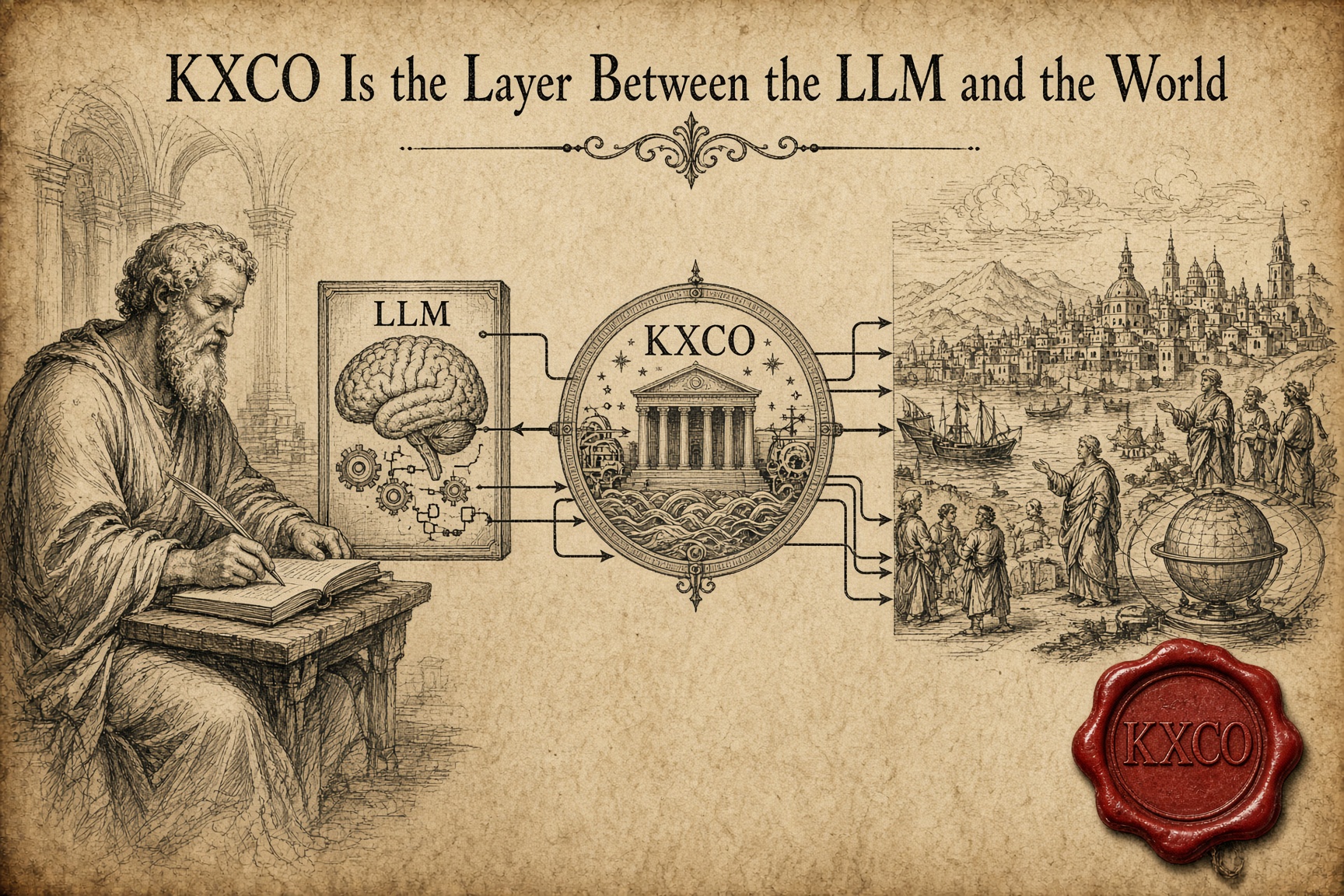
KXCO Is the Layer Between the LLM and the World
Give a hundred people the same book and very few will act on it. AI is that book: it distributes access, not understanding, and an institution cannot act on a paragraph. KXCO does not build another model or another agent. It builds the layer between the model and the world: who is speaking, what they are allowed to do, what they committed, and a post-quantum signature a stranger can check without asking us.
Every story, signed and delivered.
Subscribe to the kxco channel and get the headline, the AI-written key takeaways, and the chain-anchor link the moment we publish. Audio versions and per-ticker subscriptions arrive in the next iteration.