
Star Wars $AMZN Vs $TSLA
Amazon is set to launch two satellites on Friday, in its first test mission as part of its plan to deliver the internet from space and compete with Elon Musk’s Starlink service.
The launch window for the Atlas V rocket from the United Launch Alliance (ULA) hub at Kennedy Space Center in Florida is scheduled to open for two hours at 2:00 pm local time (1800 GMT).
Once up and running, the company founded by Jeff Bezos says its Project Kuiper will provide "fast, affordable broadband to unserved and underserved communities around the world," with a constellation of more than 3,200 satellites in low Earth orbit (LEO).
"This is Amazon's first time putting satellites into space, and we're going to learn an incredible amount regardless of how the mission unfolds," said Rajeev Badyal, Project Kuiper's vice president of technology.
The first operational satellites of the Kuiper project are due to be launched in early 2024, according to Amazon, which hopes for initial tests with customers at the end of next year.
The test on Friday will attempt to make contact with probes from Earth, deploy their solar panels, and confirm that all instruments are operating correctly and at the desired temperatures.
The two prototypes will be removed from orbit and disintegrated in the Earth's atmosphere at the end of the test mission.
Musk's SpaceX launched the first batch of its more than 3,700 operational Starlink satellites in 2019 and is by far the biggest player. London-headquartered OneWeb is another early entrant in the emerging sector.
These services are designed to provide internet access to even the most remote and underserved areas around the world, including war zones or disaster-struck areas.
Musk's ownership of Starlink caused uproar in Ukraine last month when it was revealed that he refused to turn on the service for a planned attack by Kyiv forces on Russia's Black Sea navy fleet last year.
Given the technology's strategic importance, governments are also keen to join the rush into the sector.
China plans to launch 13,000 satellites as part of its GuoWang constellation, while Canada's Telesat will add 300 and German start-up Rivada is eyeing 600.
That will be in addition to the European Union's Iris project -- 170 satellites -- and the 300-500 satellites planned to be launched by the US military's Space Development Agency.
Star Wars
The global satellite market is valued at USD 77.08 billion in 2022 and is expected to grow at a compound annual growth rate (CAGR) of 9.7% from 2023 to 2030 to reach USD 159.60 billion by 2030.
The growth of the satellite market is being driven by a number of factors, including:
Increasing demand for satellite communication services for government and enterprise applications.
Growing demand for satellite-based broadband services.
Rising demand for satellite-based Earth observation services.
Increasing investments in new satellite technologies, such as high-throughput satellites and low-Earth orbit (LEO) satellite constellations.
The satellite market is segmented by application, type, and region. The application segment includes government, enterprise, and consumer. The type segment includes communication satellites, Earth observation satellites, and navigation satellites. The region segment includes North America, Europe, Asia Pacific, Latin America, and the Middle East and Africa.
North America is the largest market for satellites, followed by Europe and Asia Pacific. The North American market is expected to remain the largest market throughout the forecast period. The Asia Pacific market is expected to grow at the fastest CAGR during the forecast period, due to increasing investments in satellite technologies and growing demand for satellite-based services.
The key players in the satellite market include Boeing, Airbus, Lockheed Martin, Thales Alenia Space, and Northrop Grumman. These companies are involved in the development, manufacturing, and launch of satellites.
Overall, the global satellite market is expected to grow significantly in the coming years, driven by increasing demand for satellite-based services and investments in new satellite technologies.
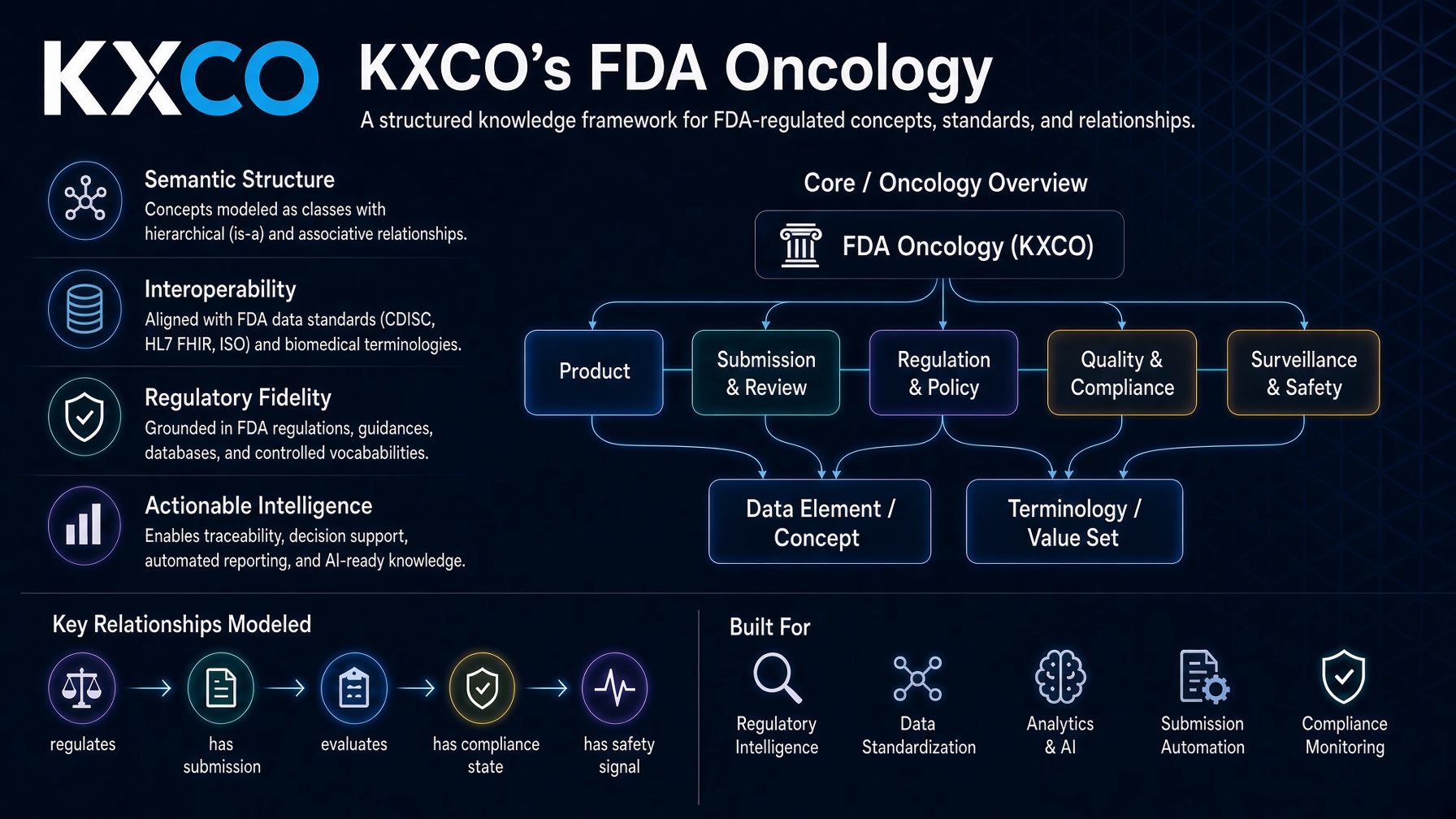
KXCO's FDA Ontology Is Two for Two on FDA Decisions
The FDA has decided two filings on KXCO's FDA board since the board began ranking them, and on my scorecard the board got both right. It ranked Inovio's INO-3107 first and the FDA approved it on 30 October; Inovio moved +149.1% net of the sector. It gave Summit's ivonescimab no call, and Summit announced the FDA's refusal on 15 November; Summit fell 16.5%. KXCO's record held the FDA's survival warning before the refusal was announced.

Quantum Computing in November 2026: The Cost of Breaking Your Keys Keeps Falling
No quantum computer can break today's public keys yet, but three new estimates and a peer-reviewed Google paper put a break at between 19,397 and 500,000 physical qubits. Quantinuum's Helios has 98 qubits and IBM's Nighthawk r2 has 120. NIST will deprecate RSA and elliptic-curve cryptography after 2030, and only about 15% of the origin servers behind Cloudflare use post-quantum key exchange. KXCO's core library, kxco-post-quantum, scores 9.8 on the OpenSSF Scorecard.

The Week Ahead on Wall Street, 16 November 2026: Look for the Bounce
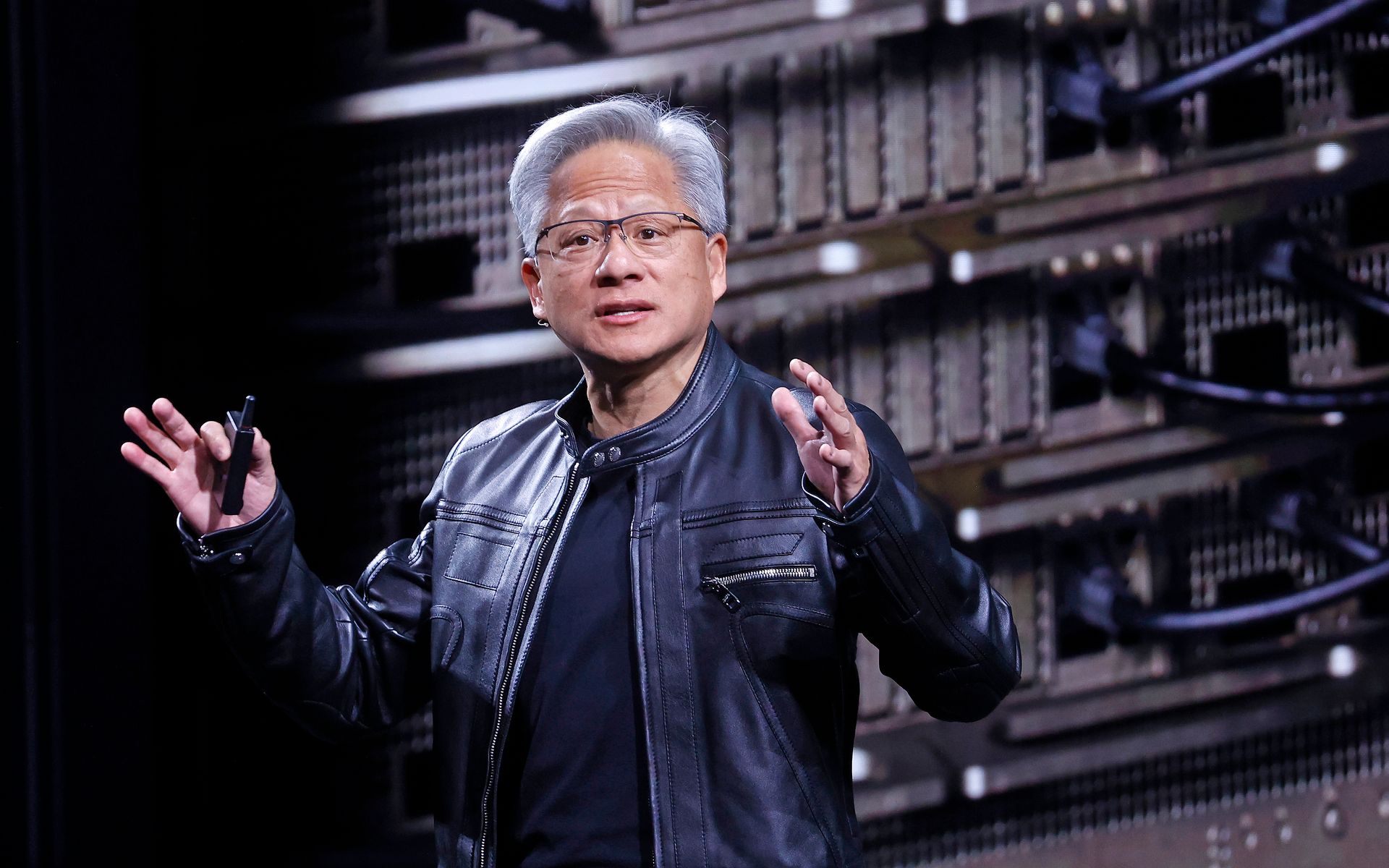
NVIDIA reports on Tuesday 17 November 2026, its first results since Jensen Huang resigned, and I expect the stock and the AI market to bounce. NVIDIA closed at $162.85 on 13 November 2026, 31.93% below its record, while the semiconductor index rose 8.05% on the week. The calendar leans to currencies, with the yen near 160 after briefly crossing it, and the US publishes retail sales, housing starts, jobless claims and the Fed's minutes. Follow them on the Live Trading News trading page.
AI Is Still a Buy: The Noise Will Not Stop the Build-Out
In my view AI is still a buy. NVIDIA announced on 12 November 2026 that Jensen Huang had resigned as chief executive, and the push against data centres widened, yet four of the largest cloud sellers carry about $2.48 trillion of signed backlog and the build kept moving. NVIDIA closed at $162.85 on 13 November 2026 with an average analyst target 71.71% above the price. KXCO's AI ontology shows the same US companies have announced capacity in the UAE, Saudi Arabia, Japan, Malaysia and India.
Every story, signed and delivered.
Subscribe to the kxco channel and get the headline, the AI-written key takeaways, and the chain-anchor link the moment we publish. Audio versions and per-ticker subscriptions arrive in the next iteration.