
Spain Enters the Space Race with PLD Space
A Spanish company launched the country's first private rocket on Saturday in a step towards bringing Spain into the exclusive club of space-faring nations.
The launch of the small MIURA1 rocket took place at 02:19 am (0019 GMT) from a military base in the southern region of Andalusia, according to the company, PLD Space.
The company hailed the launch as "successful" and said it had achieved all its "technical objectives".
The rocket rose to 46 kilometres (29 miles) above the Gulf of Cadiz.
After five minutes of flight, the spacecraft landed in the Atlantic Ocean, where the company said it would send a team to recover it.
The launch of the 12-metre (39-foot) rocket was first suspended in May because of strong wind, and then a second time in June because some of its umbilical cables -- which provide power and fuel to the rocket -- did not release in time.
The rocket is the first step in the development of MIURA5, a 35-metre-high, two-stage mini-launch vehicle designed to place satellites weighing less than 500 kilograms (1,100 pounds) into orbit from 2025.
According to PLD Space, 70 percent of the components developed for MIURA1 will be used for MIURA5.
Under a deal signed with the French National Centre for Space Studies, the mini-launcher will take off from the Kourou Space Centre in French Guiana.
Founded in 2011 by two Spanish academics, PLD Space is one of several European start-ups to have embarked on the development of a mini-satellite launcher in response to the fast-growing market for launching micro-satellites into orbit.
Compared with large launchers such as SpaceX's Falcon 9 or Ariane Group's Ariane 6, small rockets offer a number of uses, including the ability to carry a single satellite, and they can be launched more quickly.

AI is the Neat Handwriting of the Illiterate
A model in the hands of someone who has read the filing and walked the plant is a clerk. The same model, speaking for someone who has done neither, is a disguise. On AI slop, phantom citations and factslop, why finish stopped being evidence of work, and the containment layer KXCO built so a machine cannot speak as the institution until a source is attached.
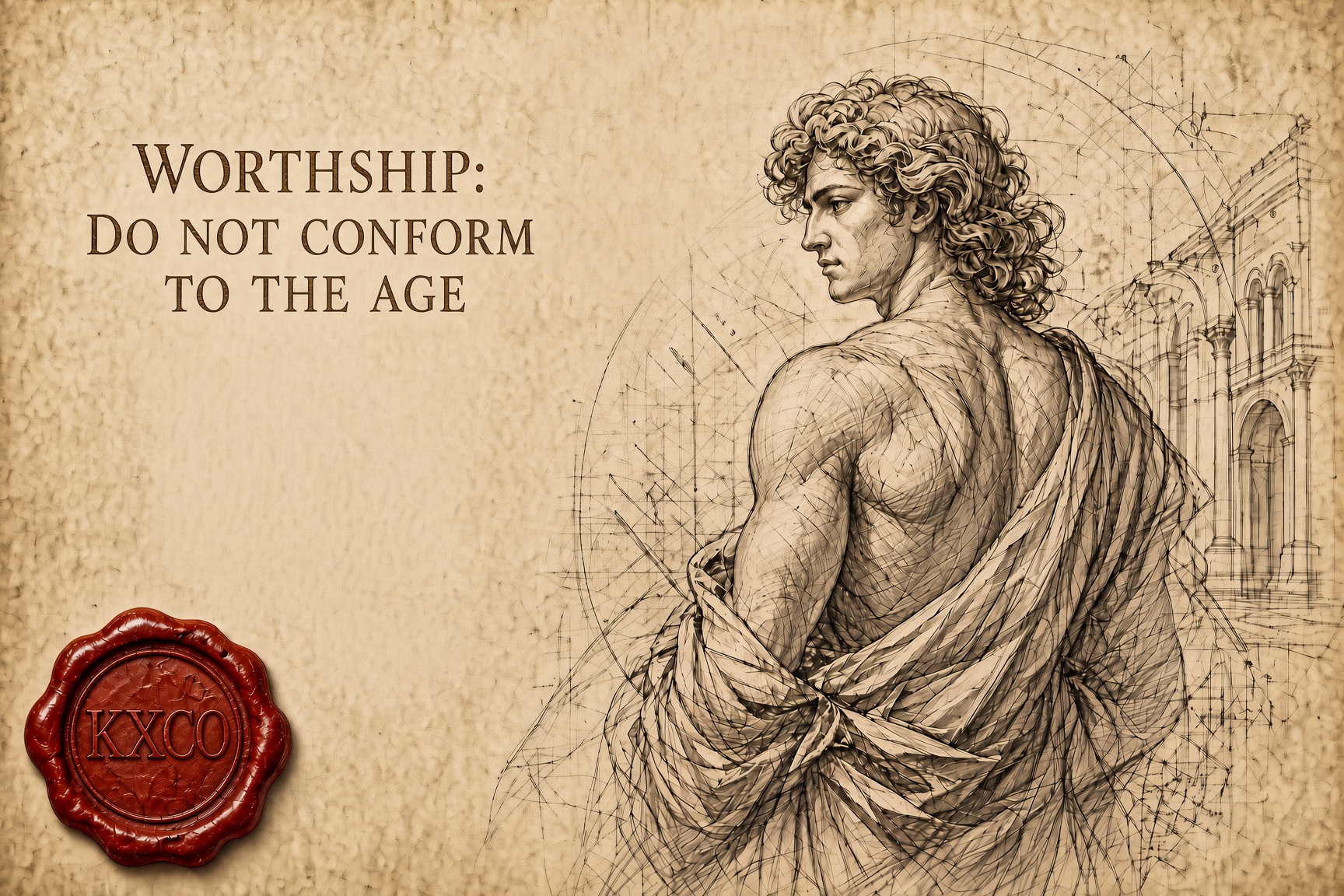
Worthship: Do Not Conform to the Age
Worthship is the older English word for worship, and it means to ascribe worth. Bishop Robert Barron preached Romans 12 on 30 August. This essay follows the text into the prison letters, and puts two questions to a graph: do the four readings of that Sunday agree, and was Paul free or in chains when he wrote about despair?
The Truth in All Its Ugliness Must Survive
A majority vote does not determine the truth. Consensus is a mood, gossip is a sport, and a model will write the pretty version for free. Why the ugly number has to survive, why a record beats a dashboard, and what KXCO was built to keep standing when the room changes its mind.

Don't Be the Best, Be the Only: Winning in an AI World
AI is repricing competence downward. What it cannot reproduce is a life. The case for remaining non-fungible, why friction still produces the best ideas, and what it means to build AI systems that keep the human intellect in them.
Every story, signed and delivered.
Subscribe to the kxco channel and get the headline, the AI-written key takeaways, and the chain-anchor link the moment we publish. Audio versions and per-ticker subscriptions arrive in the next iteration.