
SpaceX Dragon Crew Head to ISS
A SpaceX Falcon 9 rocket is scheduled to blast off early Monday for the International Space Station carrying two NASA astronauts, a Russian cosmonaut and the second Emirati to voyage to space.
The SpaceX Dragon Crew-6 mission is set to lift off from the Kennedy Space Center in Florida at 1:45 am (0645 GMT). Weather conditions are expected to be near perfect.
The Crew Dragon capsule, dubbed Endeavour, is scheduled to dock with the ISS at 2:38 am (0738 GMT) on Tuesday.
As the sun set on Sunday, the US space agency expressed confidence that the launch was a go.
"Countdown to liftoff!" NASA tweeted, as it promoted its livestream of the launch.
NASA's Stephen Bowen and Warren Hoburg, Russia's Andrey Fedyaev and Sultan al-Neyadi of the United Arab Emirates are to spend six months on the orbiting space station.
Neyadi, 41, will be the fourth astronaut from an Arab country and the second from the oil-rich UAE to journey to space; his compatriot Hazzaa al-Mansoori flew an eight-day mission in 2019.
Neyadi described the upcoming mission as a "great honor."

Hoburg, the Endeavour pilot, and Fedyaev, the Russian mission specialist, will also be making their first space flights.
Fedyaev is the second Russian cosmonaut to fly to the ISS aboard a SpaceX rocket. NASA astronauts fly regularly to the station on Russian Soyuz capsules.
Space has remained a rare venue of cooperation between Moscow and Washington since the Russian offensive in Ukraine placed the two in sharp opposition.
Such exchanges have continued despite those tensions.
Bowen, a veteran of three space shuttle missions, said politics rarely come up while in space.
"We're all professionals. We keep focused on the mission itself," the mission commander said. "It's always been a great relationship we've had with cosmonauts once we get to space."
While aboard the ISS, the Crew-6 members will conduct dozens of experiments including studying how materials burn in microgravity and researching heart, brain and cartilage functions.
The current crew is the sixth to be transported by a SpaceX rocket to the ISS. The Endeavour capsule has flown into space three times.
NASA pays the private SpaceX company to ferry astronauts to the flying laboratory roughly every six months.
The space agency expects Crew-6 to have a handover of several days with the four members of the SpaceX Dragon Crew-5, who have been stationed on the ISS since October. Crew-5 will then return to Earth.
Rescue capsule
Also aboard the ISS are cosmonauts Dmitry Petelin and Sergei Prokopyev, as well as NASA astronaut Frank Rubio.
They had been scheduled to return home on March 28 but the cooling system of their Soyuz MS-22 capsule was damaged by a tiny meteoroid in mid-December while docked with the ISS.
An uncrewed Russian Soyuz capsule, MS-23, took off on Friday from Kazakhstan to bring the three astronauts home. They are now scheduled to return to Earth in September.
The ISS was launched in 1998 at a time of increased US-Russia cooperation following the Cold War space race.
Russia has been using the aging but reliable Soyuz capsules to ferry astronauts into space since the 1960s.
But in recent years, Russia's space program has been beset by a litany of problems that have led to the loss of satellites and vehicles.
cl-la/bbk/mlm/dva
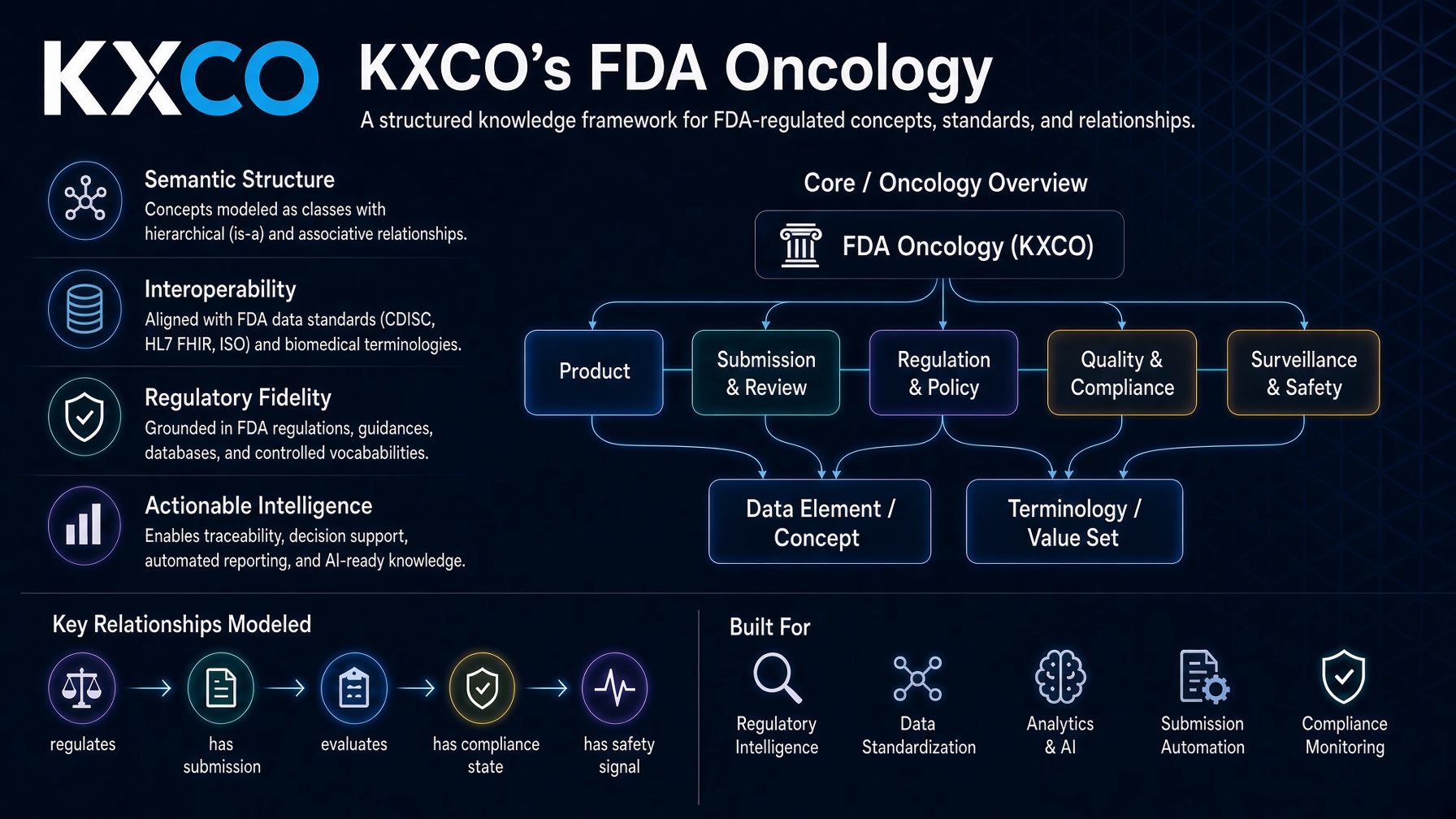
KXCO's FDA Ontology Is Two for Two on FDA Decisions
The FDA has decided two filings on KXCO's FDA board since the board began ranking them, and on my scorecard the board got both right. It ranked Inovio's INO-3107 first and the FDA approved it on 30 October; Inovio moved +149.1% net of the sector. It gave Summit's ivonescimab no call, and Summit announced the FDA's refusal on 15 November; Summit fell 16.5%. KXCO's record held the FDA's survival warning before the refusal was announced.
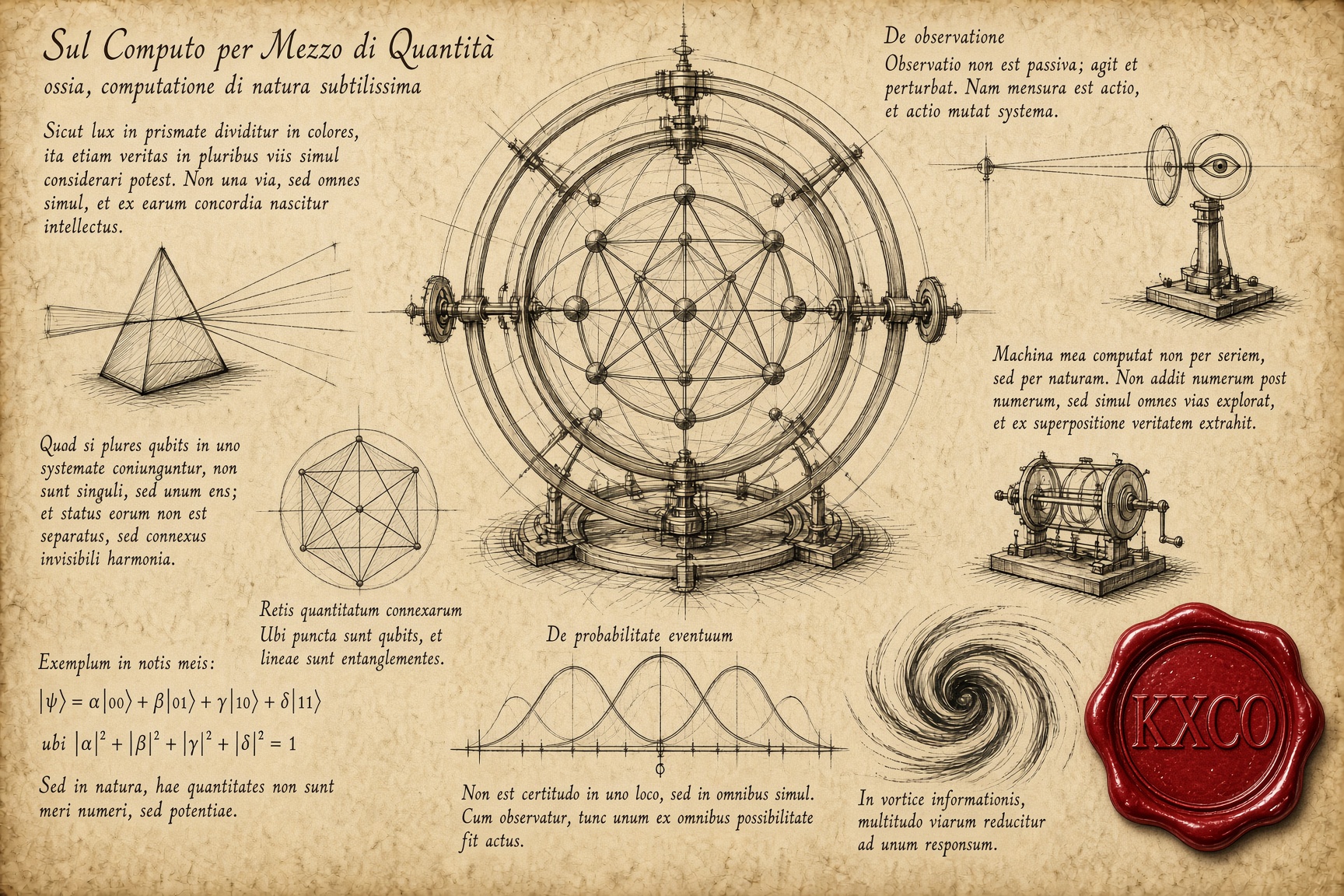
Quantum Computing in November 2026: The Cost of Breaking Your Keys Keeps Falling
No quantum computer can break today's public keys yet, but three new estimates and a peer-reviewed Google paper put a break at between 19,397 and 500,000 physical qubits. Quantinuum's Helios has 98 qubits and IBM's Nighthawk r2 has 120. NIST will deprecate RSA and elliptic-curve cryptography after 2030, and only about 15% of the origin servers behind Cloudflare use post-quantum key exchange. KXCO's core library, kxco-post-quantum, scores 9.8 on the OpenSSF Scorecard.
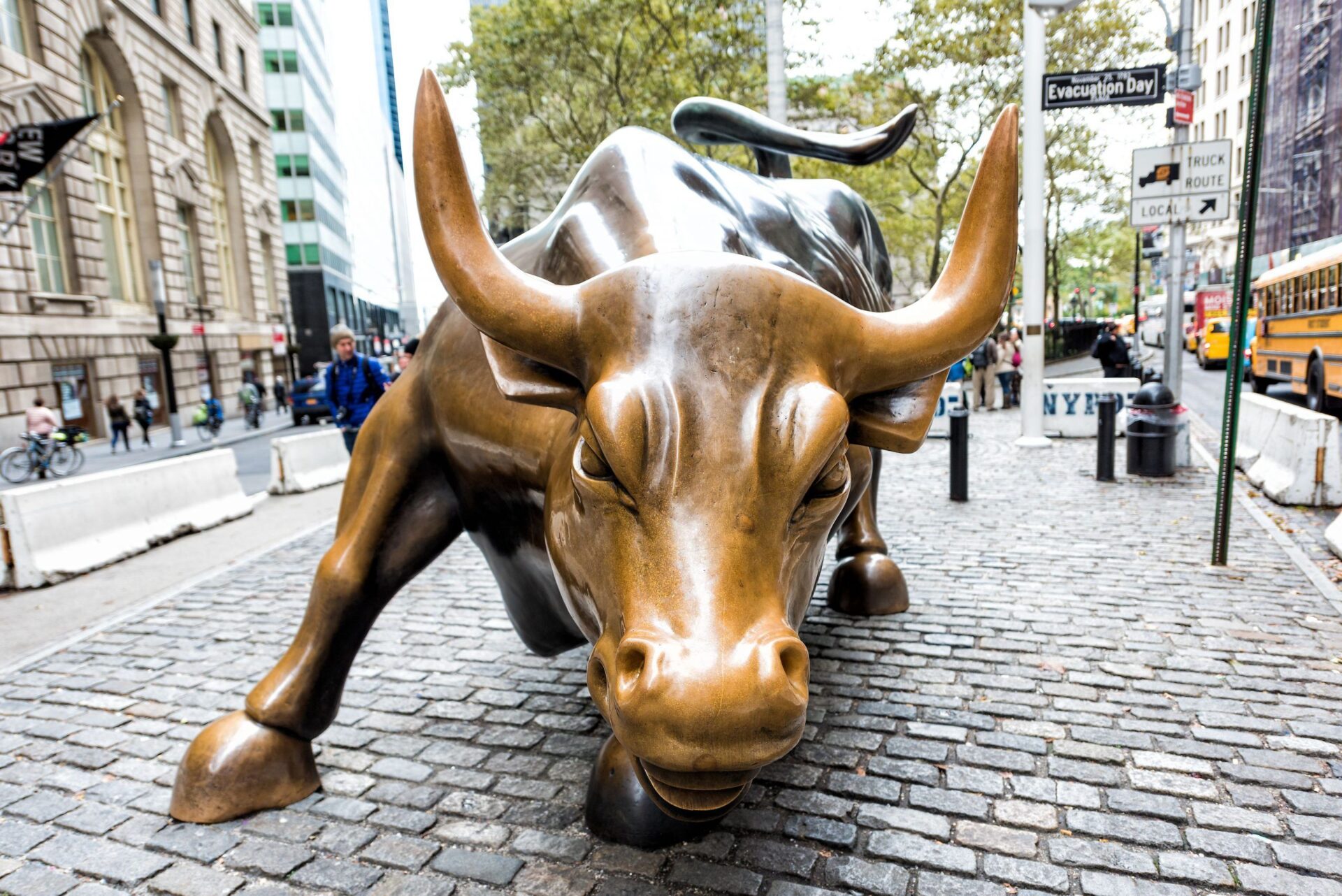
The Week Ahead on Wall Street, 16 November 2026: Look for the Bounce
NVIDIA reports on Tuesday 17 November 2026, its first results since Jensen Huang resigned, and I expect the stock and the AI market to bounce. NVIDIA closed at $162.85 on 13 November 2026, 31.93% below its record, while the semiconductor index rose 8.05% on the week. The calendar leans to currencies, with the yen near 160 after briefly crossing it, and the US publishes retail sales, housing starts, jobless claims and the Fed's minutes. Follow them on the Live Trading News trading page.
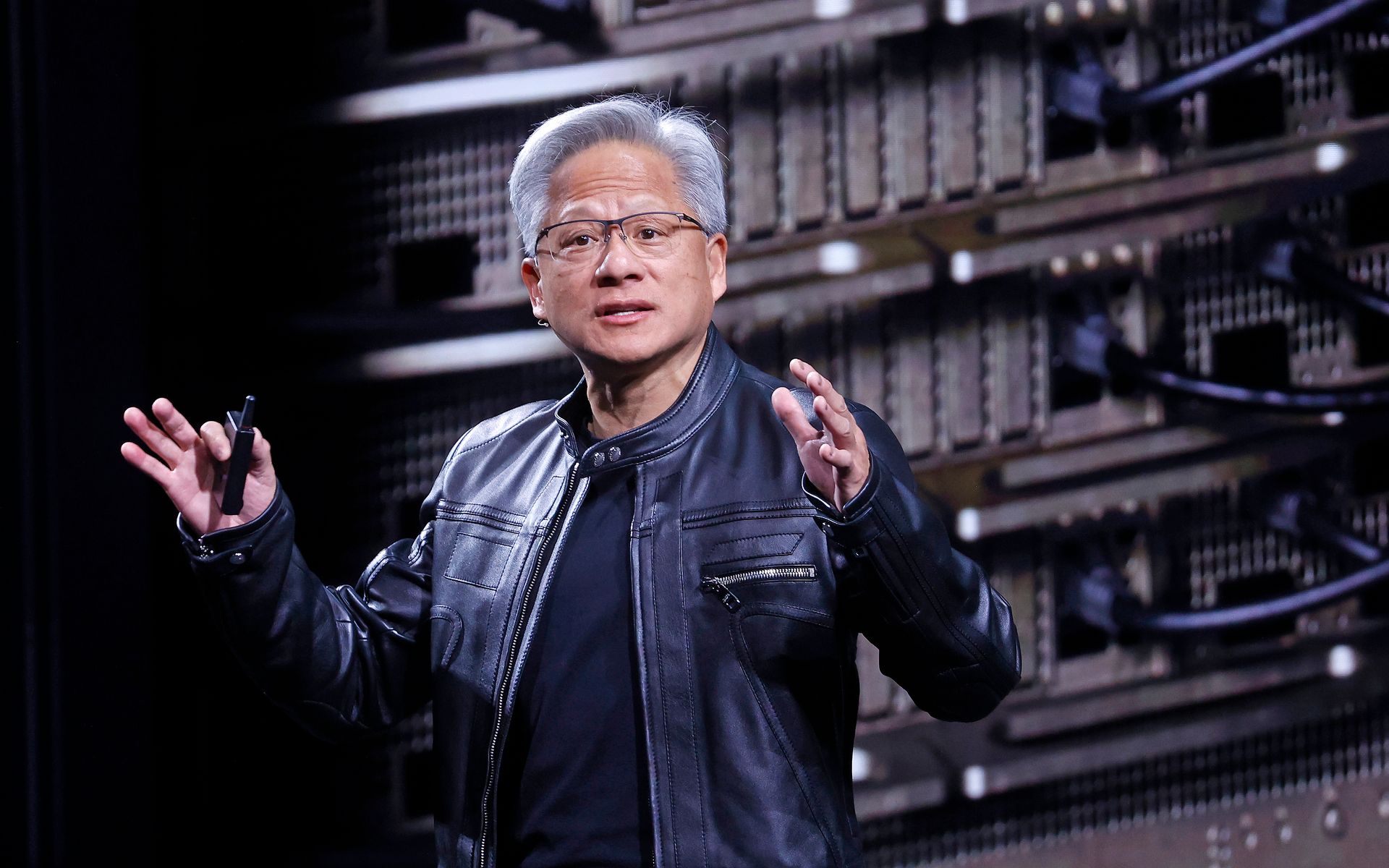
AI Is Still a Buy: The Noise Will Not Stop the Build-Out
In my view AI is still a buy. NVIDIA announced on 12 November 2026 that Jensen Huang had resigned as chief executive, and the push against data centres widened, yet four of the largest cloud sellers carry about $2.48 trillion of signed backlog and the build kept moving. NVIDIA closed at $162.85 on 13 November 2026 with an average analyst target 71.71% above the price. KXCO's AI ontology shows the same US companies have announced capacity in the UAE, Saudi Arabia, Japan, Malaysia and India.
Every story, signed and delivered.
Subscribe to the kxco channel and get the headline, the AI-written key takeaways, and the chain-anchor link the moment we publish. Audio versions and per-ticker subscriptions arrive in the next iteration.