
So, What Is Your Strategic Reserve?
Why Countries Hold Reserves—and What You Should Own
By Shayne Heffernan, Founder, Knightsbridge Group
March 1, 2025
If you’ve ever wondered why countries stockpile resources, you’re not alone. Governments around the world maintain strategic reserves to safeguard their economies and populations during crises—think wars, natural disasters, or economic downturns. But here’s the question I’m asking today at the Knightsbridge Group: what’s your personal strategic reserve? As someone who’s spent decades navigating global markets, I’m convinced individuals need their own safety net, and I’m here to lay out why and how to build one.
First, let’s look at what countries hold in their strategic reserves. These stockpiles are designed to ensure stability, and they’re packed with a mix of tangible and financial assets. Here’s the breakdown:
Energy Reserves: Oil and gas are the big ones. Major economies like the U.S., China, and Japan maintain massive reserves of crude oil—think millions of barrels stored in underground caverns or tanks. The U.S. Strategic Petroleum Reserve, for instance, holds over 600 million barrels, per market chatter, to buffer against supply disruptions. Natural gas is another key, with countries like Russia and Qatar keeping reserves to secure energy markets, especially during geopolitical tensions.
Food Supplies: Grains like wheat, rice, and corn are critical for food security. Countries like India, China, and the U.S. store millions of tons in silos and warehouses, ensuring they can feed their populations during droughts, famines, or trade shocks. Some nations also stockpile specialized crops, like soybeans or pulses, to support agriculture and exports, per global economic reports.
Precious Metals: Gold tops the list here. Central banks, especially in emerging markets like China, India, and Russia, have been buying gold at record rates—over 1,000 tons in 2024 alone, from what I’ve seen in the markets. It’s a hedge against inflation, currency devaluation, and economic uncertainty, often stored in vaults or exchanged for liquidity. Silver and, to a lesser extent, platinum are also held, but gold’s the king, per financial trends.
Strategic Minerals: Rare earth elements, lithium, and cobalt are increasingly vital for technology and defense. Countries like the U.S., Australia, and China stockpile these to secure supply chains for batteries, electronics, and military applications, especially as demand for EVs and renewables spikes, per industry insights.
Financial Assets: Foreign currencies, like U.S. dollars or euros, and government bonds are part of many reserves, held to stabilize exchange rates and fund emergencies. Sovereign wealth funds, like those in Norway or Saudi Arabia, also invest in stocks, real estate, and derivatives, but these are less tangible than physical reserves, per market reports.
These reserves aren’t just about survival—they’re about power and stability in a volatile world. But as an individual, you can’t exactly build an oil cavern or hoard rare earths in your backyard. So, what should you own to create your own strategic reserve? Based on my years in the financial trenches, I’m recommending three core assets—rural farmland, Bitcoin, and physical gold—to start, with additional scarce items like old art as you build wealth.
Rural Farmland: I suggest owning enough rural farmland to support you and your family through tough times—say, 5 to 10 acres, depending on your needs and location. That amount can sustain a family of four with basic crops like potatoes, wheat, corn, or vegetables, plus livestock like chickens or goats for eggs and meat, per agricultural insights. Five acres can yield 2,000–5,000 pounds of produce annually with good management, enough for self-sufficiency, while 10 acres allow for surplus to sell or trade, per farming data. Look for fertile land in regions with reliable water and minimal urban interference, where you can grow crops or raise animals year-round. It’s a tangible, productive asset that shields you from food shortages, economic downturns, or supply chain disruptions, and it’s something you control, not a bank or government.
Bitcoin: I’m talking actual Bitcoin, held in your own wallet—because if you don’t hold the keys, it’s not really yours. Right now, Bitcoin’s trading around $84,000 on platforms like XT.com, up 2.48% in the last 24 hours as of yesterday, and it’s a digital store of value like no other. Store it in a secure hardware wallet, not an exchange, and diversify with a small holding, say 0.1–1 BTC, depending on your budget. It’s decentralized, inflation-proof, and a hedge against traditional financial risks, per market trends I’ve tracked for decades.
Physical Gold: Gold’s the ultimate safe haven, I recommend owning physical gold bars or coins—say, 5–10 ounces per family member—to guard against inflation, currency devaluation, and geopolitical shifts. Store it securely at home or in a private vault, not a bank, for full control. With central banks buying over 1,000 tons in 2024 and political - economic confidence shaky, gold’s a rock-solid anchor for your reserve, per financial insights I’ve seen over the years.
Once you’ve got those basics locked in, you can expand your reserve with truly scarce items like old art—think Renaissance paintings, classical sculptures, or antiques from the 18th or 19th centuries, not modern pieces. These assets are rare, hold intrinsic value, and appreciate over time, offering diversification and cultural richness. Start with one or two pieces, valued at $10,000–$50,000 each, from reputable dealers, and store them securely to protect against theft or damage. They’re not just investments—they’re a legacy for your family, per market trends in collectibles I’ve followed.
Building your strategic reserve isn’t about fear—it’s about freedom and opportunity. Countries stockpile resources to weather storms, and you should too. At Knightsbridge, we’re using our blockchain innovations, like the Proof of Authority EVM, and partnerships with global players to help clients secure their futures, we are creating DeFi Asset Classes like Strategic Reserves, and I’m urging you to do the same. Don’t wait for the next crisis—start small, think big, and protect what matters most. This is your chance to take control, and I’m confident you’ll see the value in it for years to come.
Shayne Heffernan
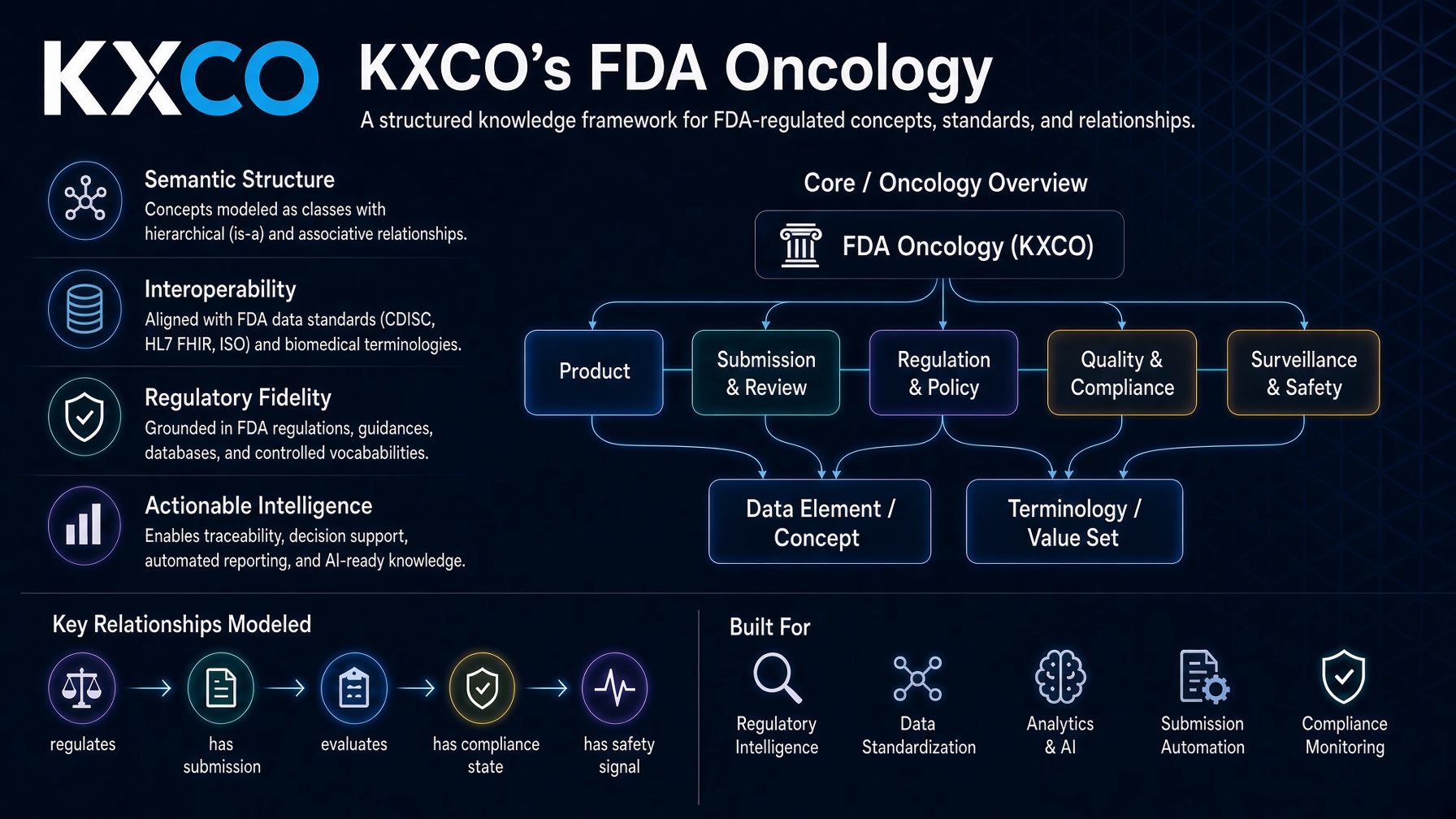
KXCO's FDA Ontology Is Two for Two on FDA Decisions
The FDA has decided two filings on KXCO's FDA board since the board began ranking them, and on my scorecard the board got both right. It ranked Inovio's INO-3107 first and the FDA approved it on 30 October; Inovio moved +149.1% net of the sector. It gave Summit's ivonescimab no call, and Summit announced the FDA's refusal on 15 November; Summit fell 16.5%. KXCO's record held the FDA's survival warning before the refusal was announced.

Quantum Computing in November 2026: The Cost of Breaking Your Keys Keeps Falling
No quantum computer can break today's public keys yet, but three new estimates and a peer-reviewed Google paper put a break at between 19,397 and 500,000 physical qubits. Quantinuum's Helios has 98 qubits and IBM's Nighthawk r2 has 120. NIST will deprecate RSA and elliptic-curve cryptography after 2030, and only about 15% of the origin servers behind Cloudflare use post-quantum key exchange. KXCO's core library, kxco-post-quantum, scores 9.8 on the OpenSSF Scorecard.
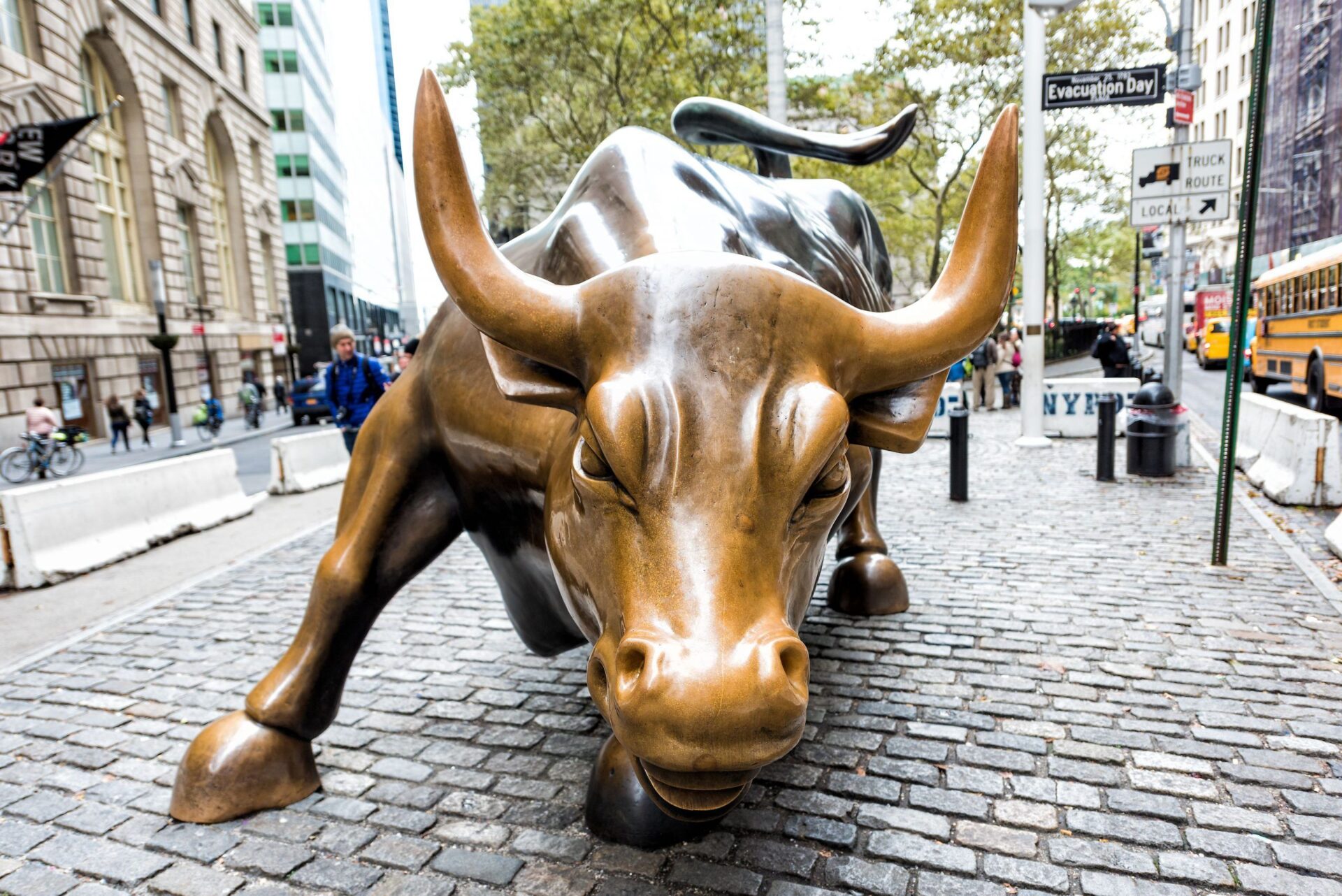
The Week Ahead on Wall Street, 16 November 2026: Look for the Bounce
NVIDIA reports on Tuesday 17 November 2026, its first results since Jensen Huang resigned, and I expect the stock and the AI market to bounce. NVIDIA closed at $162.85 on 13 November 2026, 31.93% below its record, while the semiconductor index rose 8.05% on the week. The calendar leans to currencies, with the yen near 160 after briefly crossing it, and the US publishes retail sales, housing starts, jobless claims and the Fed's minutes. Follow them on the Live Trading News trading page.
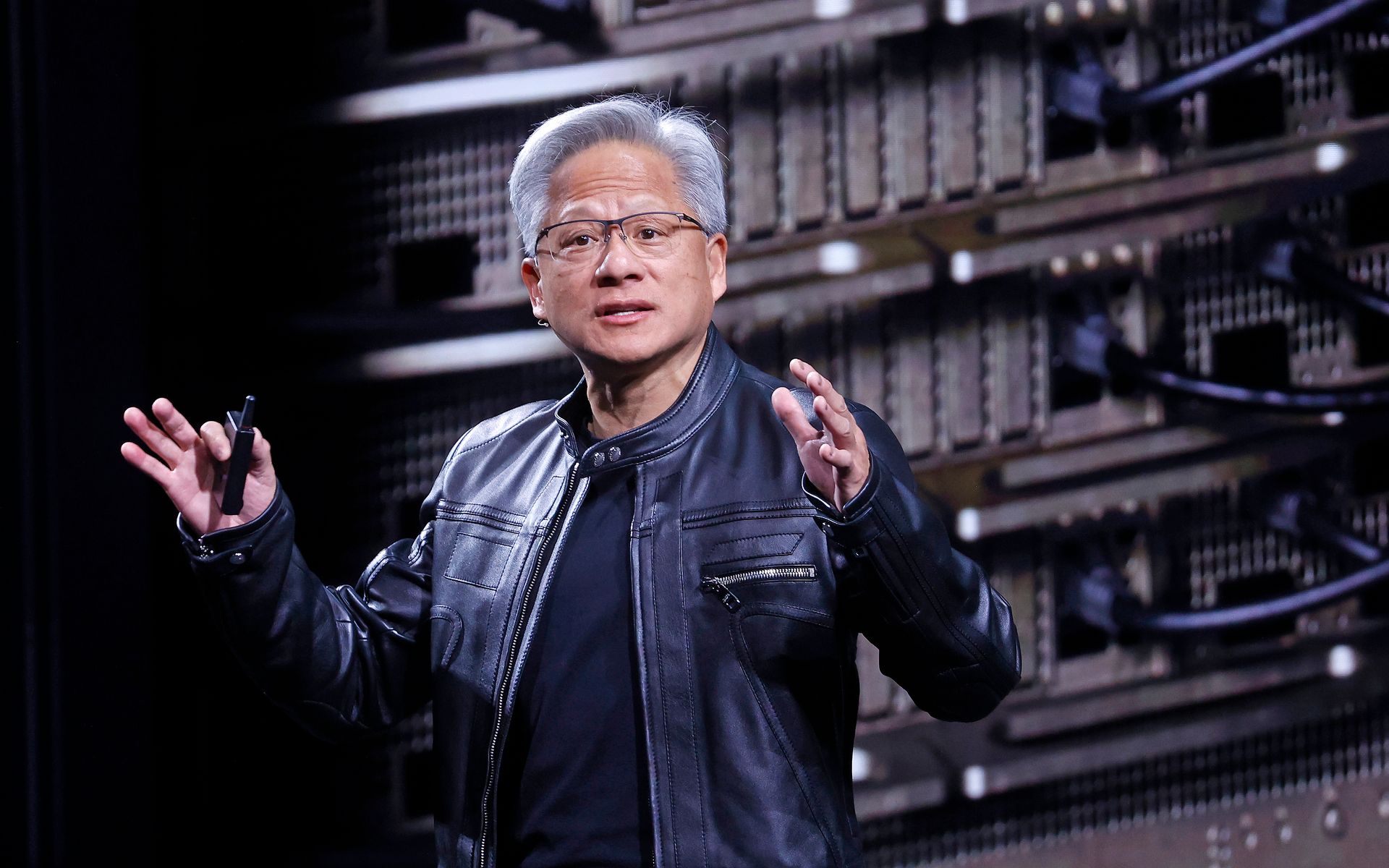
AI Is Still a Buy: The Noise Will Not Stop the Build-Out
In my view AI is still a buy. NVIDIA announced on 12 November 2026 that Jensen Huang had resigned as chief executive, and the push against data centres widened, yet four of the largest cloud sellers carry about $2.48 trillion of signed backlog and the build kept moving. NVIDIA closed at $162.85 on 13 November 2026 with an average analyst target 71.71% above the price. KXCO's AI ontology shows the same US companies have announced capacity in the UAE, Saudi Arabia, Japan, Malaysia and India.
Every story, signed and delivered.
Subscribe to the kxco channel and get the headline, the AI-written key takeaways, and the chain-anchor link the moment we publish. Audio versions and per-ticker subscriptions arrive in the next iteration.