
Saudi Arabia’s Economic Surge
Saudi Arabia’s Economic Surge: Growth and Opportunity
By Shayne Heffernan
Saudi Arabia’s economy is on a remarkable upward trajectory, and I’ve been closely following its evolution as it reshapes the Middle East and North Africa (MENA) region. Valued at roughly $1.1 trillion USD as of mid-2025, the Kingdom boasts the largest economy in the MENA region, driven by Vision 2030’s bold push to diversify away from oil dependency. The non-oil sector has taken center stage, contributing 51% to GDP in 2024, with a growth rate of 4.4% in the first half of this year, according to the Saudi General Authority for Statistics (GASTAT). Oil still plays a significant role—around 40% of GDP—but its share of revenue is shrinking as new industries take root, signaling a sustainable shift in the Kingdom’s economic foundation.
One of the most exciting areas of growth is the digital economy, now worth over SR495 billion ($132 billion USD) as of late 2024, making Saudi Arabia the MENA region’s undisputed digital leader. E-commerce is a major driver, with online sales expected to hit $32 billion this year, propelled by a young population—over 60% of Saudis are under 30—and an internet penetration rate of 98%, among the highest in the world. The fintech sector is also flourishing, with 62% of transactions now digital, thanks to the Saudi Central Bank’s (SAMA) efforts, like its sandbox for financial innovation. Investments in 5G networks and smart city projects, such as NEOM, are laying the groundwork for Saudi Arabia to become a global tech hub, and I can see why businesses worldwide are eager to get a foothold here.
Tourism is another sector that’s capturing global attention, aligning with Vision 2030’s target of 150 million annual visitors by 2030. Last year, the Kingdom welcomed 109 million tourists, generating $36 billion in revenue—a 10% jump from 2023, as reported by the Ministry of Tourism. Projects like the Red Sea Project and AlUla are putting Saudi Arabia on the map for international travelers, while domestic tourism is thriving, with Saudis spending $22 billion within the country in 2024. This sector is projected to contribute 10% to GDP by 2030, up from 6.5% now, and it’s creating millions of jobs in hospitality, entertainment, and cultural heritage—an area where the Kingdom has so much to offer.
Renewable energy is yet another pillar of growth, as Saudi Arabia aims to lead in sustainability. The goal is to source 50% of its energy from renewables by 2030, and projects like the $8.1 billion Sudair Solar PV plant and the $5 billion green hydrogen facility in NEOM are making that vision a reality. In 2024, renewable energy capacity reached 3.5 GW, up 25% from the previous year, and the Public Investment Fund (PIF) has pledged $50 billion to clean energy initiatives through 2030. This not only meets global demand for green energy but also frees up more oil for export by reducing domestic consumption—a smart move for long-term economic stability.
The Kingdom’s economic resilience is impressive, even amid global uncertainties. Inflation has been kept in check at 2.1% in 2025, down from 2.8% in 2024, thanks to SAMA’s careful monetary policies and subsidies on essentials. Foreign direct investment (FDI) reached $26 billion in 2024, a 12% increase year-over-year, spurred by reforms like the 2023 Civil Transactions Law that bolsters investor confidence through legal transparency. Unemployment among Saudis has fallen to 7.8% in early 2025, a 10-year low, driven by Vision 2030’s Saudization policies, which are opening up private sector jobs, especially for women, whose workforce participation has climbed to 36% from 20% in 2016.
But it’s not all smooth sailing. The economy still leans heavily on government spending, which is tied to oil revenues, making it vulnerable to global price swings. Brent crude averaged $78 per barrel in early 2025, below the $83 needed to balance the budget, according to the IMF, though non-oil revenues are helping offset the shortfall. Sectors like manufacturing, which contribute just 12% to GDP, also need more investment to compete globally. Still, the Kingdom’s trajectory is clear: Saudi Arabia is diversifying at an unprecedented pace, and its potential for growth is immense.
At Knightsbridge we are focused on Joint Ventures and collaborations with local partners to capitalize on Saudi Arabia’s economic momentum. We’re working hand-in-hand with regional players to align with the Kingdom’s vision, particularly in the digital and fintech arenas. A key part of our strategy is introducing Knightsbridge Digital Asset (KDA), a utility token designed to facilitate seamless transactions within the Knightsbridge ecosystem. KDA offers low-cost, efficient transactions and robust security, making it an ideal fit for the global push toward a cashless economy. It’s already available for trading at https://www.xt.com/en/trade/kda_usdt, and we’re thrilled to bring the Knightsbridge benefits to Saudi businesses and investors. Through these collaborations, Knightsbridge aims to both contribute to and benefit from the Kingdom’s extraordinary growth, playing a meaningful role in its economic future.
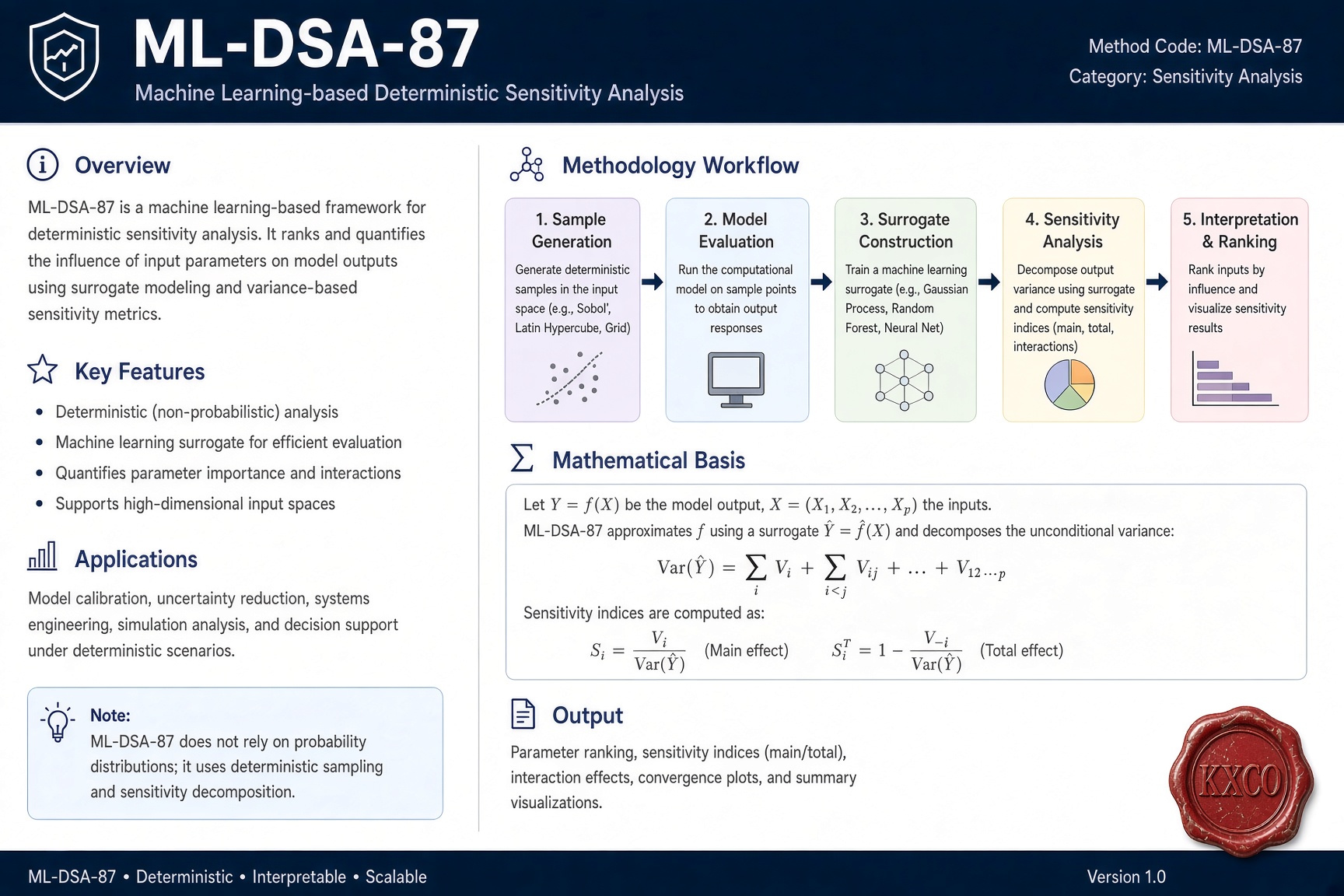
KXCO Now Verifies ML-DSA-87 in Consensus, the Signature Level Named by the NSA
On 6 October 2026 KXCO's chain began verifying ML-DSA-87 signatures as a rule of consensus, and the first ML-DSA-87 identity registered 28 seconds later. ML-DSA-87 is the category 5 level of NIST's FIPS 204, specified by the NSA for US national security systems and preferred by Australia's Information Security Manual. KXCO ships it for signing and for keys held in hardware, accepts it across its network and verifies it on chain, and anyone can check a verdict.
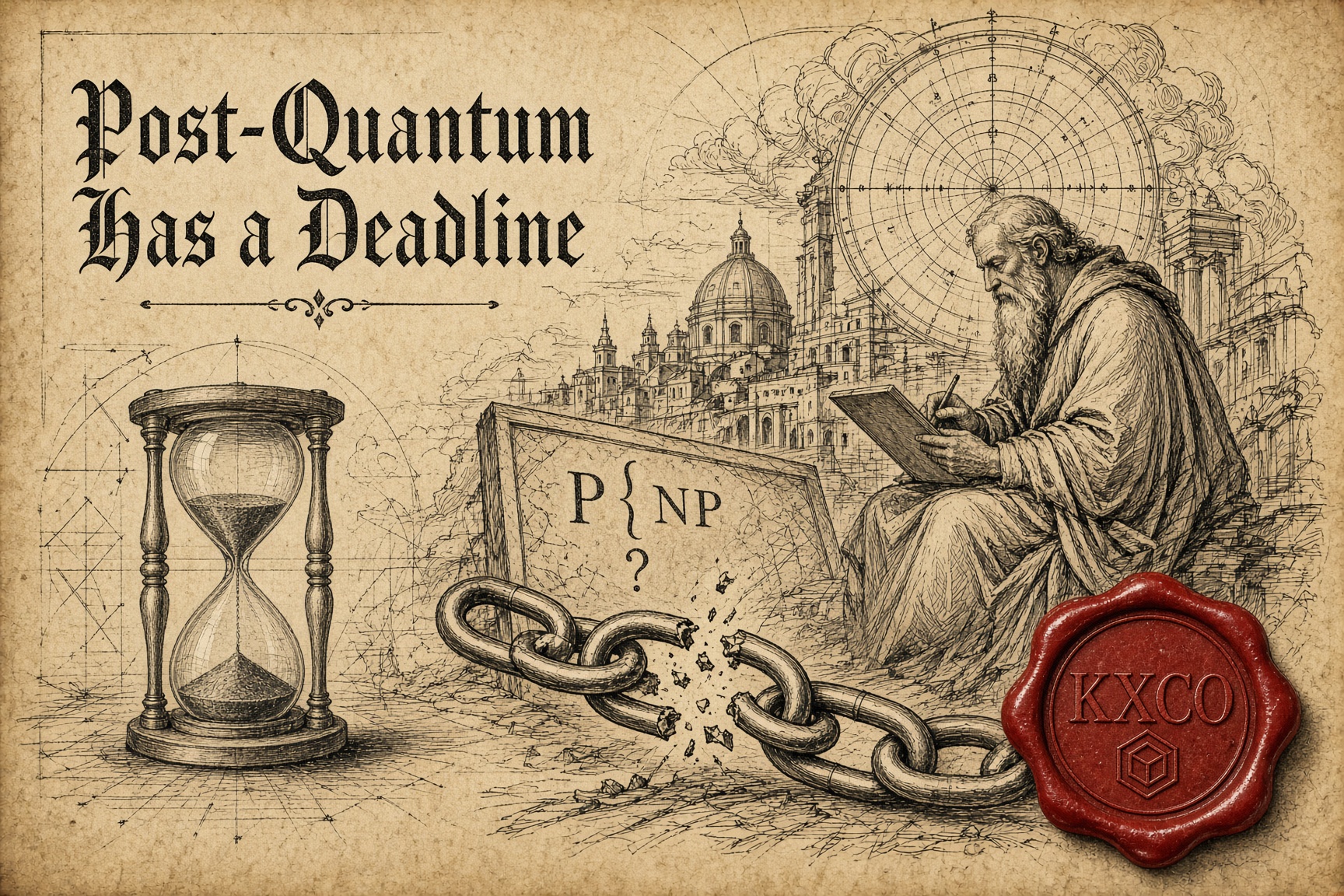
Post-Quantum Has a Deadline: 2030 for Keys, 2031 for Signatures
Executive Order 14412 gives federal high-value systems until 31 December 2030 for post-quantum key establishment and until 31 December 2031 for signatures. Six of the seven official calendars put a milestone in 2030. The Order reaches vendors through the contract, the purchase, the build, the data and the inventory. The runtimes already moved: a stock Node.js client negotiates X25519MLKEM768 by default. What is left is in the application.
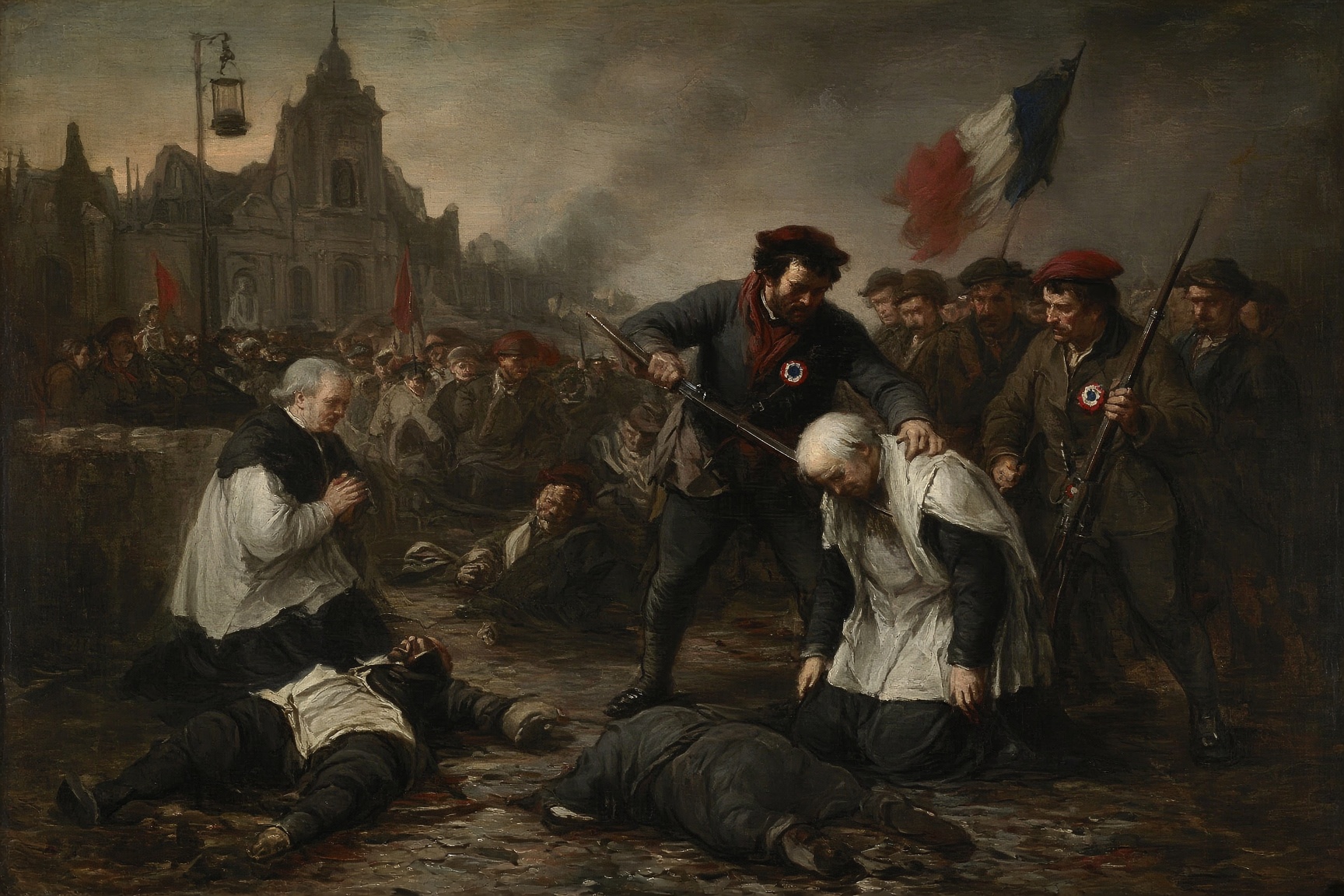
The Evil Legacy of the French Revolution
The French Revolution is still sold as the birthday of the modern world. The ledger does not match the posters. It seized the Church's land and floated its paper money on the seizure, hunted the priests who would not swear, defined the nobility as a moral enemy, and put in their place a political class accountable chiefly to itself. Four knowledge-graph exhibits trace who put the king and queen on the scaffold, and how the template left France.
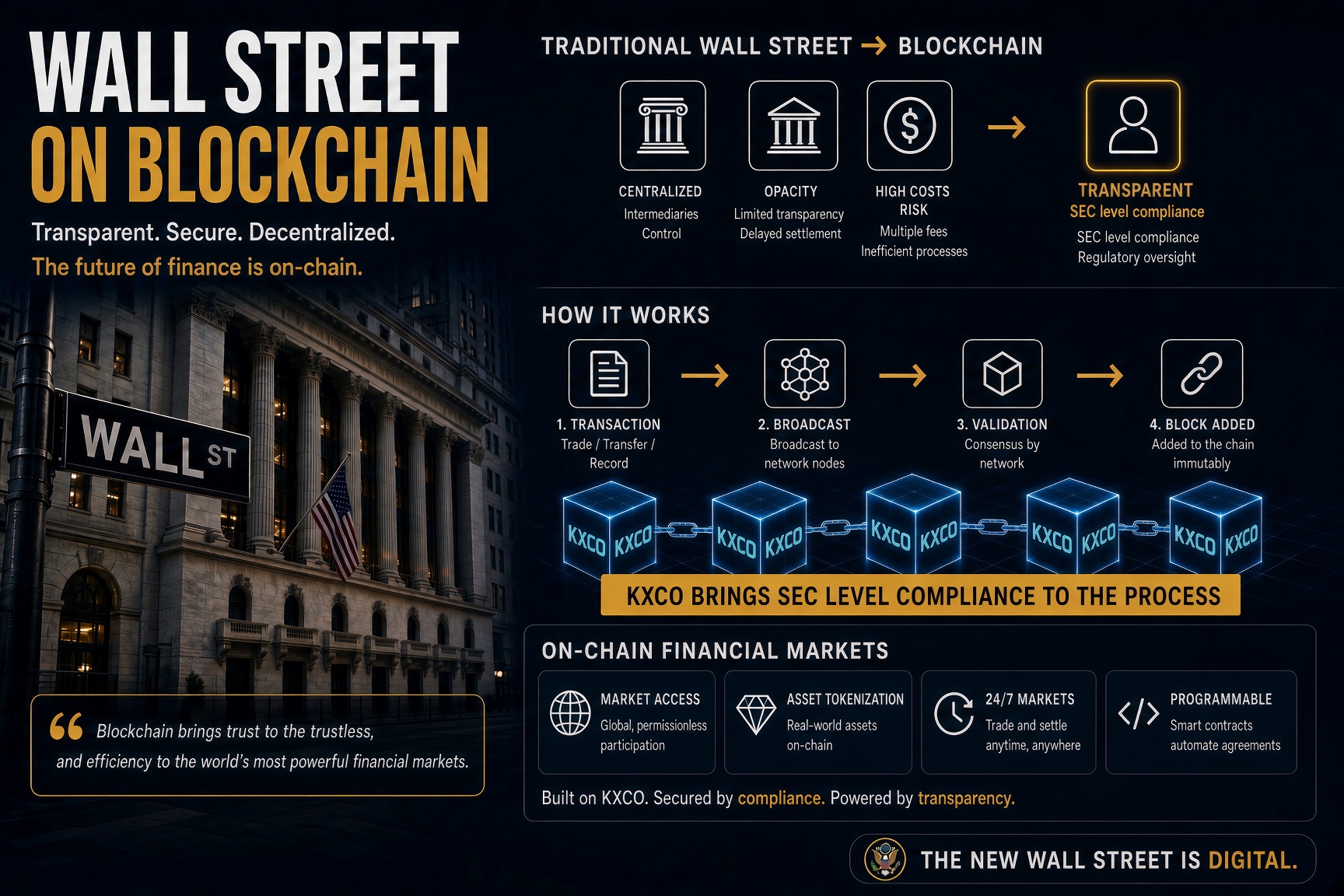
Tokenising a Share in Code: the Register Entry, the Credential and 4 Checks
The SEC has said what a tokenised share's record must hold: wallet, quantity and issue date on chain, the holder's name off chain, permissioned participants, and the same dividends as the share. This developer note builds it in JavaScript: an ML-DSA-65 signed register entry, a stranger's check, the same check at Armature's 0x0b precompile, a credential gate and an exact dividend at a record date.
Every story, signed and delivered.
Subscribe to the kxco channel and get the headline, the AI-written key takeaways, and the chain-anchor link the moment we publish. Audio versions and per-ticker subscriptions arrive in the next iteration.