
Physical Representation of Arithmetic Operations for Enhanced Understanding
The proposed Arithmetic math model introduces a novel approach using circles, dots, and lines to enhance students’ understanding of fundamental arithmetic operations: addition, subtraction, multiplication, division, exponentiation, and square rooting. By employing visual representations that utilize these elements, the model aims to bridge the gap between abstract mathematical concepts and practical applications. This approach is designed to make learning more intuitive and engaging, particularly for young learners who may struggle with traditional abstract methods. By fostering conceptual understanding through hands-on experiences, the model seeks to improve retention and comprehension of arithmetic principles.
Traditional approaches to teaching arithmetic often rely on abstract symbols and algorithms, which can be challenging for students to grasp without a deeper understanding of underlying principles. Many students memorize rules without fully comprehending the reasons behind them, leading to gaps in their mathematical knowledge. The introduction of a visual and tactile representation using circles, dots, and lines in arithmetic education seeks to address this issue by providing concrete examples that students can interact with and manipulate.

The primary goal of our proposed Arithmetic math model is to make arithmetic operations more accessible and understandable for students. By incorporating visual representations such as circles for numbers, dots for quantities, and lines for operations, we aim to create a learning environment that aligns with children’s natural curiosity and ability to learn through sensory experiences.
Existing educational methods often struggle to connect abstract mathematical concepts with real-world applications, particularly in early childhood education. Students may find it difficult to relate arithmetic operations to their daily lives, leading to disengagement and lower retention rates. This disconnect highlights the need for innovative approaches that bridge the gap between theoretical mathematics and practical understanding.
Our model acknowledges the importance of integrating visual representations into math education to enhance comprehension and engagement. By presenting arithmetic operations using circles, dots, and lines, we provide students with a clearer understanding of how these operations work and their relevance in everyday scenarios. This approach not only addresses the current challenges in arithmetic education but also lays the groundwork for a more inclusive and effective learning environment.
Read More
Physical-Representation-of-Arithmetic-Operations
Download
The Truth in All Its Ugliness Must Survive
A majority vote does not determine the truth. Consensus is a mood, gossip is a sport, and a model will write the pretty version for free. Why the ugly number has to survive, why a record beats a dashboard, and what KXCO was built to keep standing when the room changes its mind.
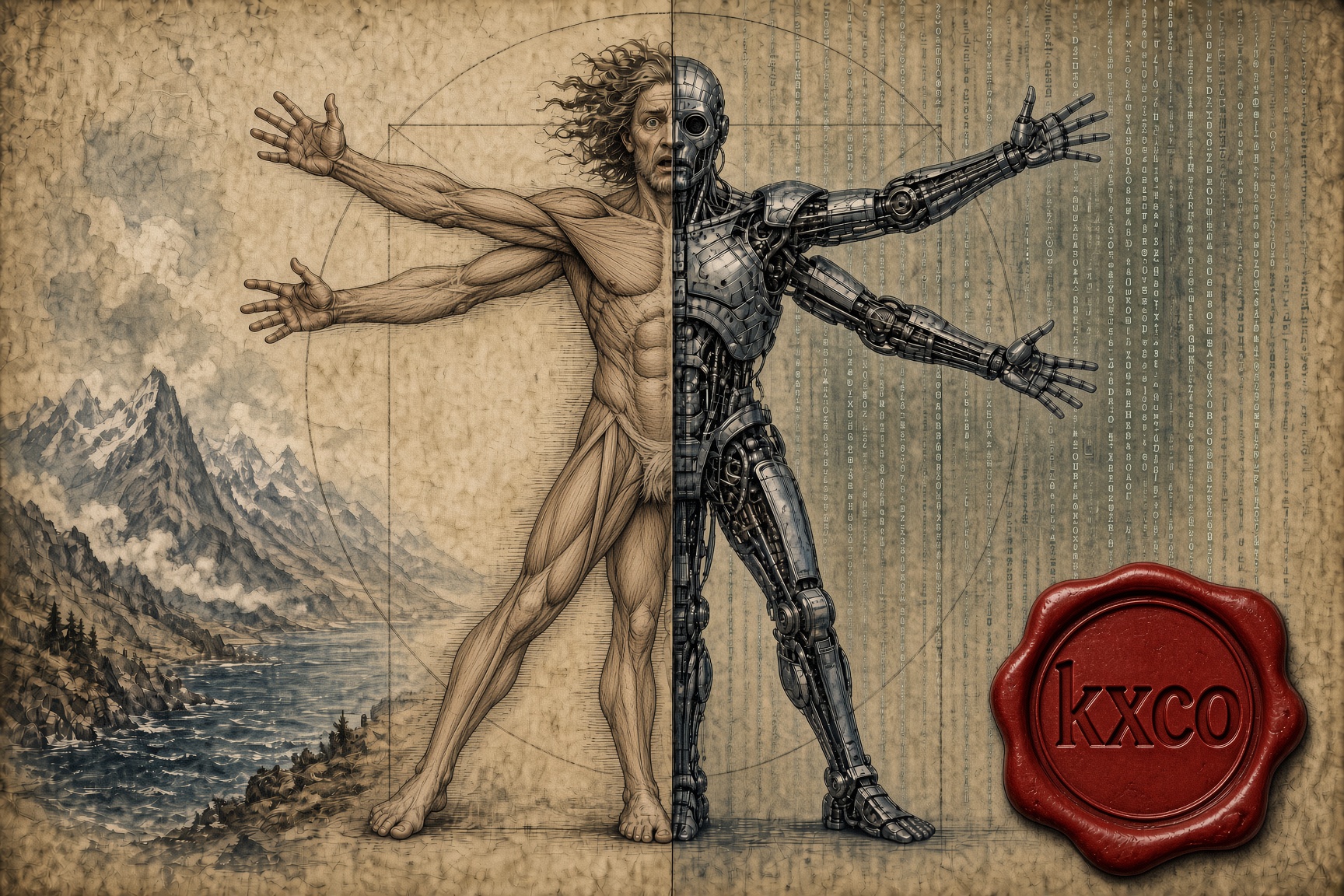
Don't Be the Best, Be the Only: Winning in an AI World
AI is repricing competence downward. What it cannot reproduce is a life. The case for remaining non-fungible, why friction still produces the best ideas, and what it means to build AI systems that keep the human intellect in them.
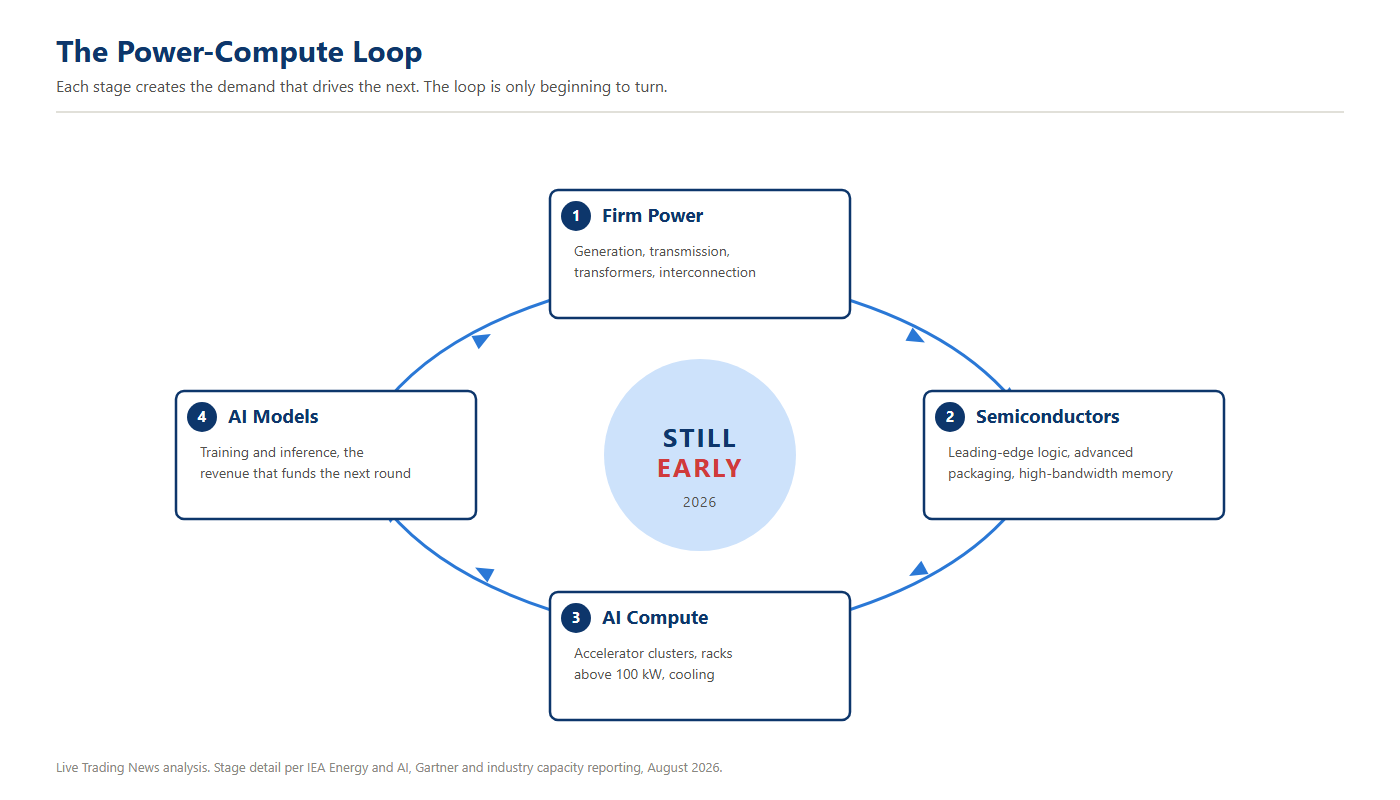
Energy IS the New Currency
Elon Musk said energy would become the de facto currency. He was describing a physical constraint, not a metaphor. Firm power delivered to the rack is now the limiting reagent in the AI build-out, and roughly 158 GW of data-centre capacity still has to be energised by 2030.
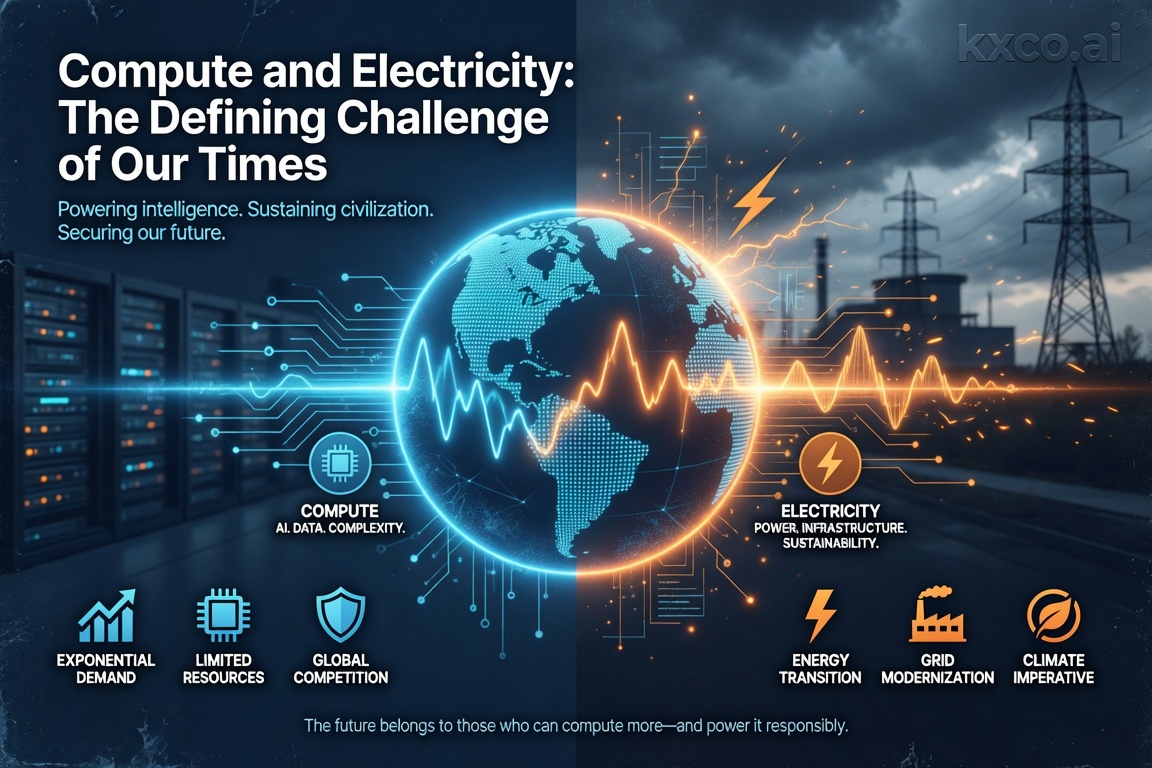
Compute and Electricity: The Defining Challenge of Our Times
Compute is no longer limited by silicon. It is limited by firm power. Shayne Heffernan on the AI electricity shock, the nuclear resurgence, the top ten electricity producing countries today and in 2036, who is building for the future, and the equity map of winners across nuclear, gas, fuel and grid.
Every story, signed and delivered.
Subscribe to the kxco channel and get the headline, the AI-written key takeaways, and the chain-anchor link the moment we publish. Audio versions and per-ticker subscriptions arrive in the next iteration.