
Oil Prices, Donald Trump and Iran
Oil Prices, Donald Trump and Iran What It Means for Energy Stocks
Part of theMacro Center
Oil markets have taken a sharp turn in recent weeks. After spiking aggressively in late May and early June on fears that conflict involving Iran could choke the Strait of Hormuz, prices have given up much of those gains. Brent crude has fallen from levels near $100 a barrel to the low $80s, with WTI trading in a similar range as of mid-June. The move reflects both rapid inventory draws earlier in the crisis and growing hopes that President Donald Trump can broker a de-escalation.
The volatility has been extreme even by oil’s standards. Geopolitical premiums came in fast when tanker traffic through Hormuz looked threatened. They have come out almost as quickly as Trump has publicly discussed negotiations advancing and the possibility of a deal that could reopen normal flows. For traders, the lesson is familiar: in oil, politics can move prices faster than fundamentals in the short run, but fundamentals usually reassert themselves once the immediate fear fades.
The Geopolitical Backdrop and Trump’s Role
President Trump has been unusually active on the Iran file in recent months. He has alternated between tough rhetoric — including threats against Iranian oil infrastructure such as Kharg Island — and more optimistic comments that a deal could come together quickly. In early June he indicated that negotiations were in advanced stages and that oil prices would “come plummeting down” once an agreement is reached.
This messaging has mattered. Markets reacted sharply to the more dovish signals, with Brent dropping several dollars in single sessions. Trump has also claimed that U.S. actions have already helped move significant volumes of oil through the Strait, contributing to the price moderation. Whether that claim holds up in full detail is secondary to the market’s reaction: the geopolitical risk premium is being unwound.
At the same time, the Trump administration continues to advance its domestic “drill, baby, drill” agenda. Federal lands have been opened more aggressively, permitting timelines shortened, and the Bureau of Land Management has reported a sharp increase in drilling approvals. These steps are real and will eventually add to U.S. supply. However, new shale production takes time to ramp — typically six to eighteen months from permit to meaningful barrels. In the near term, Trump’s diplomatic efforts on Iran are having a larger and faster impact on prices than his domestic drilling push.
Supply, Demand, and the Structural Picture
Beneath the geopolitical noise, the market still faces a fundamental tension between rising supply and relatively soft demand growth. OPEC+ has been managing output, but non-OPEC producers, especially the United States, have kept global balances loose. The International Energy Agency and several banks have pointed to a surplus building through 2026 if disruptions do not persist.
U.S. inventories have been volatile. Earlier draws during the Hormuz scare supported prices. More recent data has shown builds in some categories, which aligns with the price pullback. Refinery utilization remains solid heading into summer driving season, but gasoline and distillate demand has not been strong enough to absorb all available barrels without price support from geopolitics.
On the demand side, China’s recovery has been uneven. Industrial activity and travel have improved in spots, but not enough to create the kind of sustained crude demand surge that would clear a surplus quickly. Europe and other OECD economies are growing modestly at best. The result is a market that can spike on supply fears but struggles to hold those gains when the fears ease.
What the Big Banks Are Saying for the Rest of 2026
Wall Street forecasts have shifted with the news flow, but the broad direction from most major banks remains relatively cautious for the full year.
J.P. Morgan has been among the more bearish, maintaining a view that Brent could average around $60 per barrel for 2026 as a whole. The bank sees persistent surpluses and argues that voluntary or involuntary production cuts will be needed later in the year to prevent excessive inventory builds.
Goldman Sachs adjusted its forecasts upward during the height of the Hormuz concerns, particularly for the second and third quarters, but has continued to see normalization toward the mid-$60s by year-end in its base case. The bank has noted that a prolonged closure of the Strait would change the math dramatically, but it is not using that as the central scenario.
Barclays has stood out on the more bullish side, keeping a $100 Brent target for 2026 and warning that risks are skewed higher because of the speed at which global inventories have drawn down. The bank views the current pullback as potentially temporary if any new disruption emerges.
Citi and others have published ranges mostly in the low-to-mid $60s for the annual average, with quarterly forecasts that rise and fall depending on how they model the Iran situation. The consensus across major banks, before the latest de-escalation signals, was clustering in the high $50s to low $60s for the full year. Recent events have added volatility to those numbers rather than fundamentally changing the structural surplus narrative for most houses.
The dispersion in forecasts is wider than usual because the Iran variable is binary in the short term. A quick deal that fully reopens Hormuz supports the lower forecasts. Any renewed escalation or extended disruption would push prices well above most bank base cases and could force rapid upward revisions again.
How Oil Stocks Are Likely to Trade
Energy equities have their own dynamics layered on top of the crude price. Integrated majors tend to do well when prices are rising or stable at higher levels because of their upstream exposure and integrated downstream margins. Pure exploration and production names are more leveraged to the spot price and can swing harder in both directions.
Here are the key cashtags worth watching and how they have historically reacted, along with a view on tonight’s U.S. open:
$XOM (ExxonMobil) and $CVX (Chevron) — The two largest integrateds. They benefit from higher realized prices but also have downstream and chemical businesses that can offset some upstream weakness. Both have been active on the M&A and buyback front. With oil pulling back from the recent spike, these names are likely to open softer tonight unless broader risk sentiment improves significantly.
$COP (ConocoPhillips) and $EOG (EOG Resources) — High-quality shale operators with strong balance sheets. They tend to outperform when oil is rising because of operational leverage. A lower oil print tonight would likely pressure both, though EOG’s efficiency focus gives it some relative resilience.
$OXY (Occidental Petroleum) — More leveraged to the oil price than the majors. It has been a favored name among investors looking for pure upstream exposure. Expect wider swings than $XOM or $CVX on any oil move.
$FANG (Diamondback Energy) and $MRO (Marathon Oil) — Another pair of shale-focused names. Diamondback has scale advantages in the Permian. Both are sensitive to near-term price action and will likely track oil futures closely into the U.S. open.
$SLB (Schlumberger) and $HAL (Halliburton) — Oilfield services. These names often lead or lag the producers depending on whether the market is pricing higher activity (more rigs, more frac spreads) or just higher prices on existing production. A sustained move lower in oil would eventually weigh on their outlooks.
$VLO (Valero) and $MPC (Marathon Petroleum) — Refiners. They can benefit from strong crack spreads even when crude is volatile, but very high crude prices can squeeze margins if product demand does not keep up. The recent pullback in crude is generally constructive for refiners on a relative basis.
$XLE (Energy Select Sector SPDR Fund) — The broadest energy ETF. It will likely set the tone for the sector tonight. Given the move lower in oil over the past week-plus, $XLE is more likely to open flat to slightly lower unless there is a broader market risk-on move that overrides the commodity signal.
Tonight’s expected U.S. open bias: With Brent and WTI futures trading lower in recent sessions and Trump’s comments supporting de-escalation hopes, energy stocks are likely to open mixed to modestly lower. The majors ($XOM, $CVX) should hold up better than the more leveraged E&P names. Any positive surprise on broader risk sentiment or a strong equity futures open could limit the downside, but the direct oil price action points to a cautious start for the sector.
Risks and What to Watch Next
Several variables could shift the picture quickly. The most obvious is any new development on the Iran negotiations. A concrete agreement that credibly reopens Hormuz would likely push prices lower and keep pressure on energy equities in the near term. Renewed escalation or a breakdown in talks would reverse that fast.
OPEC+ decisions remain important. The group has room to adjust output if inventories build too aggressively. U.S. production growth under the current policy environment will also matter, though the lag means it is more of a 2027 story than an immediate 2026 driver.
On the demand side, any signs of stronger Chinese industrial activity or a clearer global growth rebound would provide a floor. Conversely, disappointing data or a stronger dollar could add to downside pressure.
Inventory reports from the EIA will be watched closely in coming weeks. Large builds would reinforce the bearish fundamental narrative. Draws would support prices even if geopolitics stays calm.
Bottom Line
Oil has moved from a geopolitically driven spike back toward levels that are more consistent with the structural surplus most major banks have been forecasting for 2026. President Trump’s diplomatic signals on Iran have accelerated that adjustment, while his domestic energy policies continue to lay groundwork for higher long-term U.S. supply.
For investors, the environment favors selectivity. The integrated majors offer some downside protection through diversification and capital return programs. More leveraged upstream names will continue to track the crude price closely and could underperform if the current pullback extends. Refiners may find relative support from the lower crude input costs.
The path from here depends heavily on whether the Iran situation stabilizes or flares again. In the absence of new supply shocks, the market appears to be reverting to the lower price environment that most Wall Street forecasts have outlined for the balance of the year. Energy stocks will reflect that reality tonight and in the sessions ahead, with the more defensive names likely to fare better than the pure upstream plays if oil remains under pressure.

Wall Street Week Ahead: Rates, Oil, AI, Quantum, Defense, Metals and Bitcoin
The trading week opens after a Federal Reserve that chose to hike, a White House that chose not to strike Yemen, and an oil market still pricing a war now in its seventh month. The useful work this week is not a list of tickers. It is a map of what depends on what: the funds rate, the Magnificent Seven, a quantum cohort just handed a specification and a deadline, the missile primes selling into a restock, and gold, silver, crude and Bitcoin, all held against the live AI sector ontology.
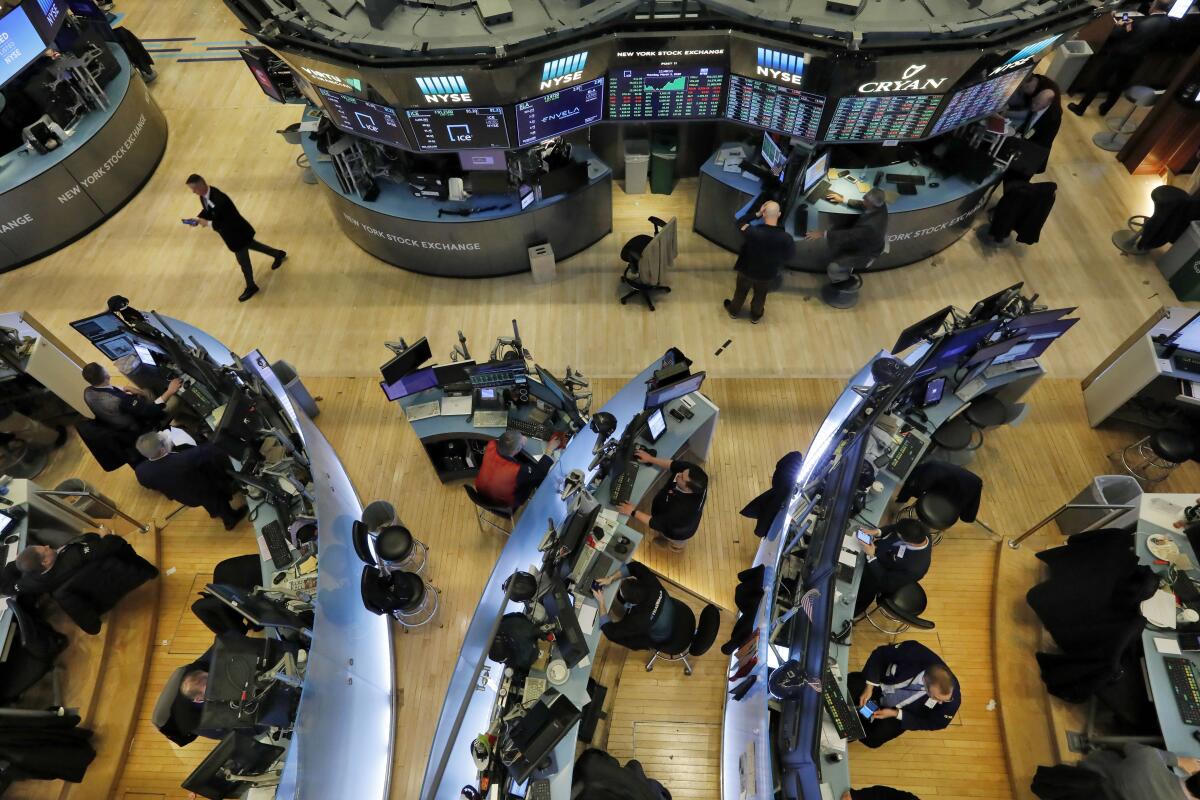
Earnings, the Economic Calendar and Trading Strategies: September 8 to 12, 2026
A four-session week decides more than a print. Oracle reports after the close on Thursday 10 September, PPI lands that morning and CPI on Friday, with the ECB in between and the FOMC eight days out. Oracle is the last hyperscaler of the cycle and the widest value gap on the KXCO Ontology Live Analyst Outlook layer: a $457bn market value under a $638bn contracted backlog. Here is the calendar, the graph behind it, the levels and the book.

Weekly Market Outlook: Gold, Bitcoin, Oil, Silver and the AI Quantum Cycle
A Sunday strike on Larak Island put the Hormuz premium back on, Warsh put a September hike back on the table, and Friday NFP decides both. Full daily-chart levels for stocks, gold, silver, oil and Bitcoin, plus three figures from the KXCO ontology showing what actually breaks the AI trade.
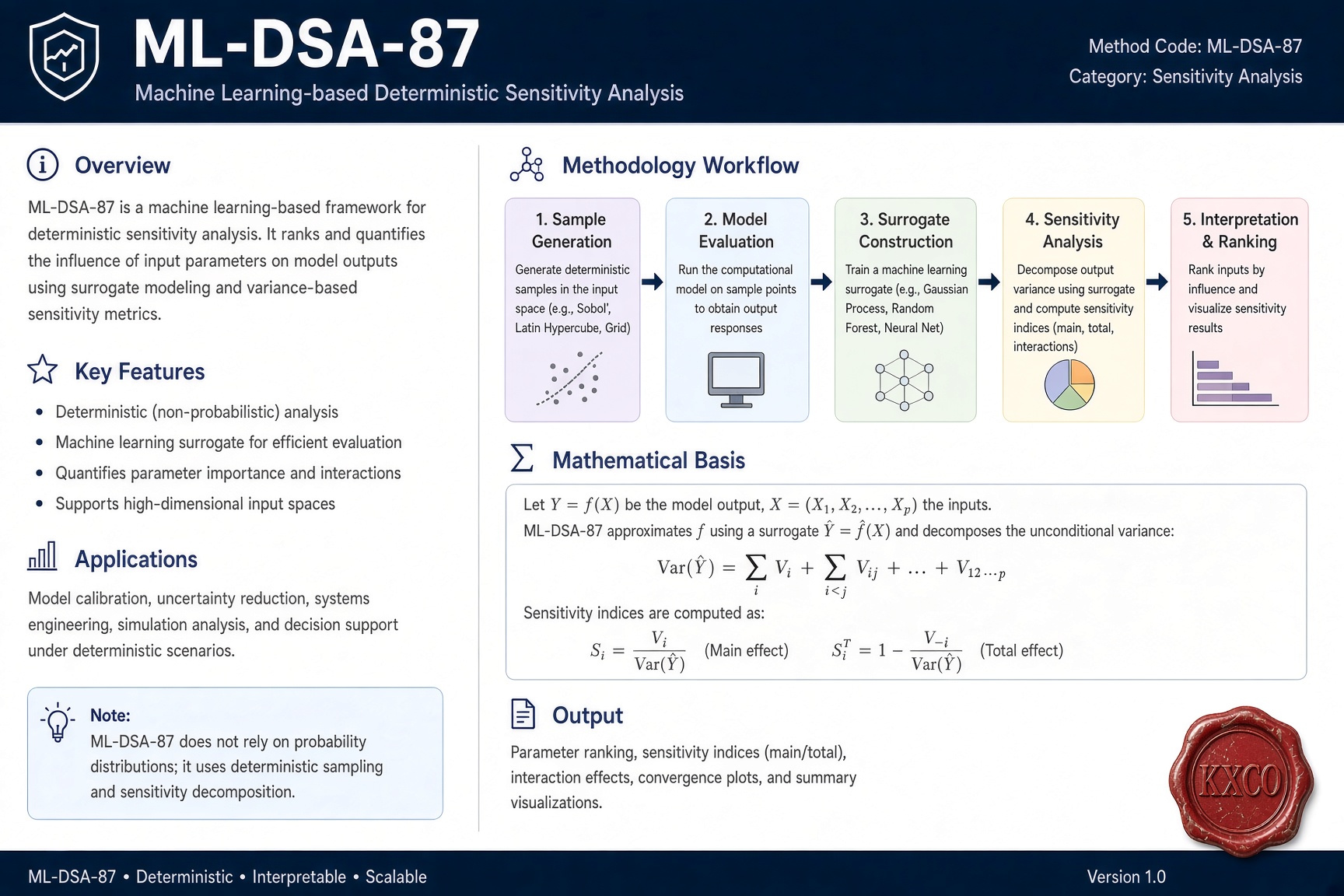
KXCO Now Verifies ML-DSA-87 in Consensus, the Signature Level Named by the NSA
On 6 October 2026 KXCO's chain began verifying ML-DSA-87 signatures as a rule of consensus, and the first ML-DSA-87 identity registered 28 seconds later. ML-DSA-87 is the category 5 level of NIST's FIPS 204, specified by the NSA for US national security systems and preferred by Australia's Information Security Manual. KXCO ships it for signing and for keys held in hardware, accepts it across its network and verifies it on chain, and anyone can check a verdict.
Every story, signed and delivered.
Subscribe to the kxco channel and get the headline, the AI-written key takeaways, and the chain-anchor link the moment we publish. Audio versions and per-ticker subscriptions arrive in the next iteration.