
Nvidia to Challenge Intel with Arm-Based PC Chips
Nvidia, the world's leading maker of graphics processing units (GPUs), is planning to make Arm-based PC chips, according to a report by Reuters. This would be a major new challenge to Intel, which has long dominated the PC chip market.
Arm-based chips are known for their low power consumption and high performance, making them ideal for mobile devices such as smartphones and tablets. However, they have not yet made a significant impact in the PC market.
Nvidia's entry into the Arm-based PC chip market could be a game-changer. The company has a strong track record of innovation and its GPUs are used in some of the world's most powerful computers.
What are Arm-Based PC Chips?
Arm-based PC chips use a different architecture than the x86 chips that are currently used in most PCs. Arm-based chips are designed to be more energy-efficient and smaller than x86 chips.
This makes them ideal for devices such as laptops and tablets, which need to be thin and light. Arm-based chips are also more affordable to manufacture than x86 chips.
Why is Nvidia's Entry into the Arm-Based PC Chip Market a Big Deal?
Nvidia's entry into the Arm-based PC chip market is a significant development for the industry. It could lead to more competition and innovation in the PC market. It could also benefit consumers by giving them more choices and lower prices.
Nvidia is a major player in the semiconductor industry and its entry into the Arm-based PC chip market could shake up the status quo. The company has a strong track record of innovation and its GPUs are used in some of the world's most powerful computers.
What Does This Mean for Consumers?
Consumers could benefit from Nvidia's entry into the Arm-based PC chip market in a number of ways. First, it could lead to more competition and innovation in the PC market. This could lead to better products and lower prices for consumers.
Second, Arm-based PC chips are known for their low power consumption and high performance. This means that consumers could get laptops and other PCs that are thinner, lighter, and have longer battery lives.
Third, Arm-based PC chips are more affordable to manufacture than x86 chips, which are the type of chips that Intel and AMD currently use in their PC processors. This could lead to lower prices for PCs for consumers.
However, it is important to note that Nvidia's Arm-based PC chips are not yet available. It is also unclear how well they will perform compared to Intel and AMD's x86 chips. Consumers should wait for more information before making a decision about whether or not to buy an Arm-based PC.

AI Demand in 2026: The Revenue Is Finally Catching Up to the Capex
The Q2 2026 numbers show AI capital spending finally converting into revenue. AWS up 37 percent, Google Cloud up 82 percent, Azure in the low-to-mid 40s and Nvidia data center near $75 billion, with combined hyperscaler capex tracking toward $740 billion and demand still outstripping capacity. Shayne Heffernan on what carries into 2027.
Cerebras Systems Buy the Dip
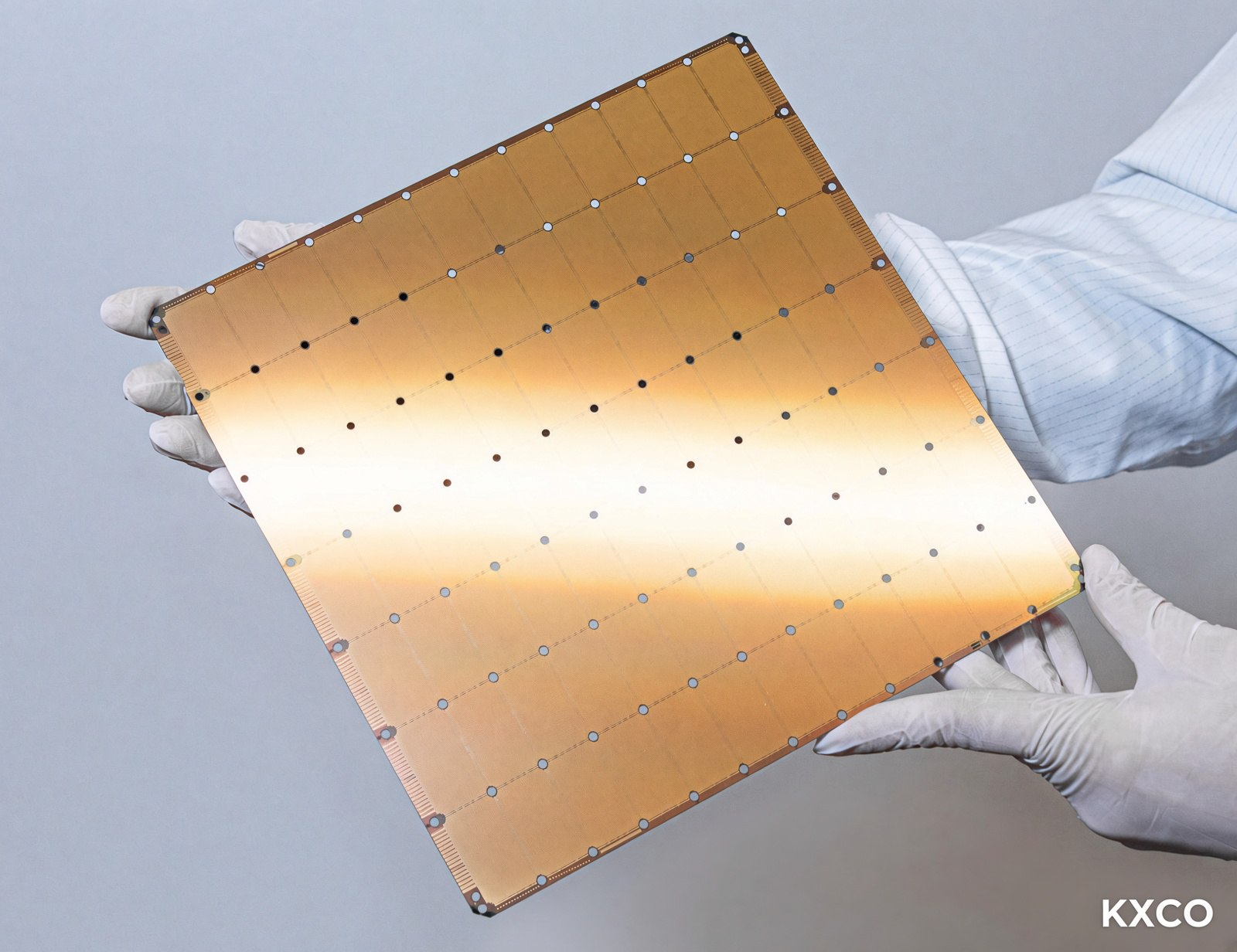
Cerebras core revenue doubled and its fast inference cloud nearly quadrupled in Q2 2026, with more than 600 MW of data-centre capacity under contract. A deep dive into the wafer-scale silicon, the software stack, the 25 kW thermal problem, and the prefill-on-GPU, decode-on-wafer split now entering production.
The AI Compute Arms Race: United States vs. China
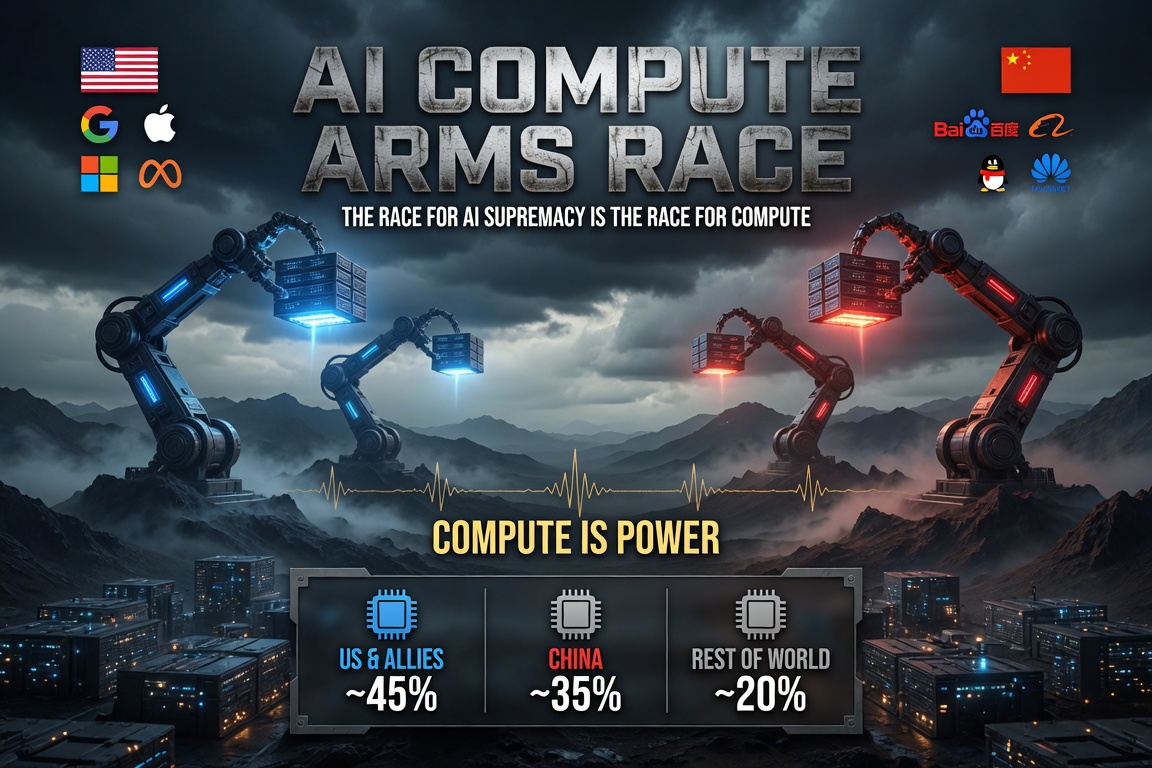
Compute is the currency of AI supremacy, and the whole race resolves to a handful of companies and a single foundry. The full board, mapped as a live ontology so you can see where value concentrates and where fragility hides.

Understanding the US China AI and Quantum Landscape
AI and quantum are usually reported as a US–China race. The more useful story is two different systems — frontier capital versus open-source scale — entangled through shared chokepoints. Shayne Heffernan maps the landscape with the KXCO AI Sector Ontology, with comparison graphics and the investable names.
Every story, signed and delivered.
Subscribe to the kxco channel and get the headline, the AI-written key takeaways, and the chain-anchor link the moment we publish. Audio versions and per-ticker subscriptions arrive in the next iteration.