
NVIDIA Still King of AI
By Shayne Heffernan

As of May 2026, NVIDIA stands unchallenged as the dominant force in artificial intelligence infrastructure. The company’s most recent quarterly results leave little room for debate. In the first quarter of fiscal 2027, NVIDIA generated $81.6 billion in revenue, an 85 percent increase year-over-year. The Data Center segment alone delivered $75.2 billion, up 92 percent. These figures are not the product of temporary hype. They reflect a structural shift in global computing that has turned accelerated infrastructure into one of the most valuable commodities on earth.
The scale of NVIDIA’s performance is difficult to overstate. For context, its quarterly AI-related revenue now exceeds the full-year AI revenue of every major cloud provider and model developer combined. While hyperscalers and large language model companies capture headlines for their applications and services, NVIDIA supplies the foundational hardware and software platform that makes those advances possible. In the current cycle, that position has translated into unmatched financial results.
Larry Fink captured the moment accurately at the Milken Institute Global Conference earlier this month. Speaking as Chairman and CEO of BlackRock, he described computing power as an emerging asset class and stated plainly that the world does not have enough of it. The shortages he highlighted — in GPUs, chips, memory, and electricity — have created the conditions for sustained demand that favors the incumbent leader. NVIDIA is not merely riding this wave; it is shaping the wave itself.
Revenue Dominance That Widens the Gap
NVIDIA’s fiscal 2026 full-year revenue reached $215.9 billion, with Data Center contributing approximately $193.7 billion. Growth of this magnitude is rare in any sector, let alone one as capital-intensive as semiconductors. Hyperscalers continue to place enormous orders for Blackwell systems, and those systems remain sold out well into 2027. Data center vacancy rates in North America have dropped to a record low of 1.6 percent, underscoring the acute supply-demand imbalance.
Blackwell represents more than a faster GPU. It is a complete platform that integrates new networking, storage, and software layers optimized for large-scale agentic AI workloads. Enterprises, research institutions, and sovereign governments are deploying these systems at unprecedented speed. The result is a self-reinforcing cycle: more compute creates better models, which drive demand for even more compute.
The CUDA Moat Remains Formidable
Much of the discussion around NVIDIA’s future centers on potential challengers. AMD’s MI300 and MI450 series, Google’s TPUs, Amazon’s Trainium chips, and Microsoft’s Maia processors all represent credible technical efforts. Yet when measured against real-world deployment, none have narrowed the gap in any meaningful way.
The reason is CUDA. Over the past two decades NVIDIA has built an ecosystem of more than four million developers trained on its software platform. Porting large-scale AI workloads to alternative architectures requires significant time, cost, and performance trade-offs. Enterprise buyers consistently report that even when alternative silicon offers a lower theoretical price per FLOP, the total cost of ownership — including developer productivity, ecosystem maturity, and model performance — still favors NVIDIA by a substantial margin.
AMD has achieved notable design wins and its data-center revenue is growing rapidly. However, projections for 2026 place AMD’s AI GPU revenue in the $10–15 billion range. That is meaningful progress, but it remains a fraction of NVIDIA’s quarterly output. Custom ASICs from the hyperscalers serve narrow internal workloads efficiently, yet they do not address the broader market of startups, research labs, or enterprises that require flexible, immediately available platforms. NVIDIA continues to serve that broader market at scale.
Geopolitics and Sovereign AI Add Tailwinds
Export restrictions on China have created headwinds, but NVIDIA has responded by developing compliant products and expanding focus on other regions. Sovereign AI initiatives across the Middle East, Southeast Asia, and Europe have emerged as a new and powerful source of demand. Governments in these regions are determined to build domestic AI infrastructure rather than rely on foreign cloud providers. In every case examined, they have turned to the proven leader for their foundational clusters.
Energy constraints represent another binding limit on growth. Power availability has become the primary bottleneck for new data center projects in many markets. Paradoxically, this reality strengthens NVIDIA’s position. When every watt is precious, customers prioritize the most efficient and highest-performance solutions available. NVIDIA’s full-stack optimizations — from GPU architecture to networking and software — deliver measurable advantages in power efficiency and throughput.
The Path Forward
The next phase of NVIDIA’s leadership is already visible. Rubin, the architecture that follows Blackwell, is on track for 2027. The company continues to invest heavily in networking, storage, and enterprise software that extends its reach beyond raw silicon. Agentic AI systems, which require massive inference clusters and real-time orchestration, play directly to NVIDIA’s strengths.
Meanwhile, the broader compute futures market that Larry Fink described is beginning to take shape. CME Group’s announcement of GPU futures contracts, developed in partnership with Silicon Data, signals that institutional finance now recognizes compute as a tradable commodity. NVIDIA’s hardware and software benchmarks will inevitably serve as the reference points for those contracts. The company benefits whether the market prices classical GPUs or, eventually, quantum compute units.
Why the Crown Remains Secure
NVIDIA’s advantage rests on three durable pillars. First, the company possesses the only proven, general-purpose accelerated computing platform that operates at global scale. Second, its ecosystem lock-in through CUDA creates switching costs that competitors have yet to overcome. Third, the structural shortages in power, chips, and data center capacity favor the supplier that can deliver the highest performance per watt and per dollar in real deployments.
Challenges will continue. New silicon from AMD, custom chips from hyperscalers, and long-term advances in quantum computing could erode portions of the market over time. Yet the current trajectory shows NVIDIA widening its lead rather than defending a shrinking one. Revenue, margins, and forward orders all point in the same direction.
The AI revolution is still in its early chapters. The companies that control the underlying infrastructure will capture the greatest share of value. At present, that position belongs decisively to NVIDIA. The data, the deployments, and the capital flows confirm what the market has already priced in: NVIDIA remains the undisputed king of AI.
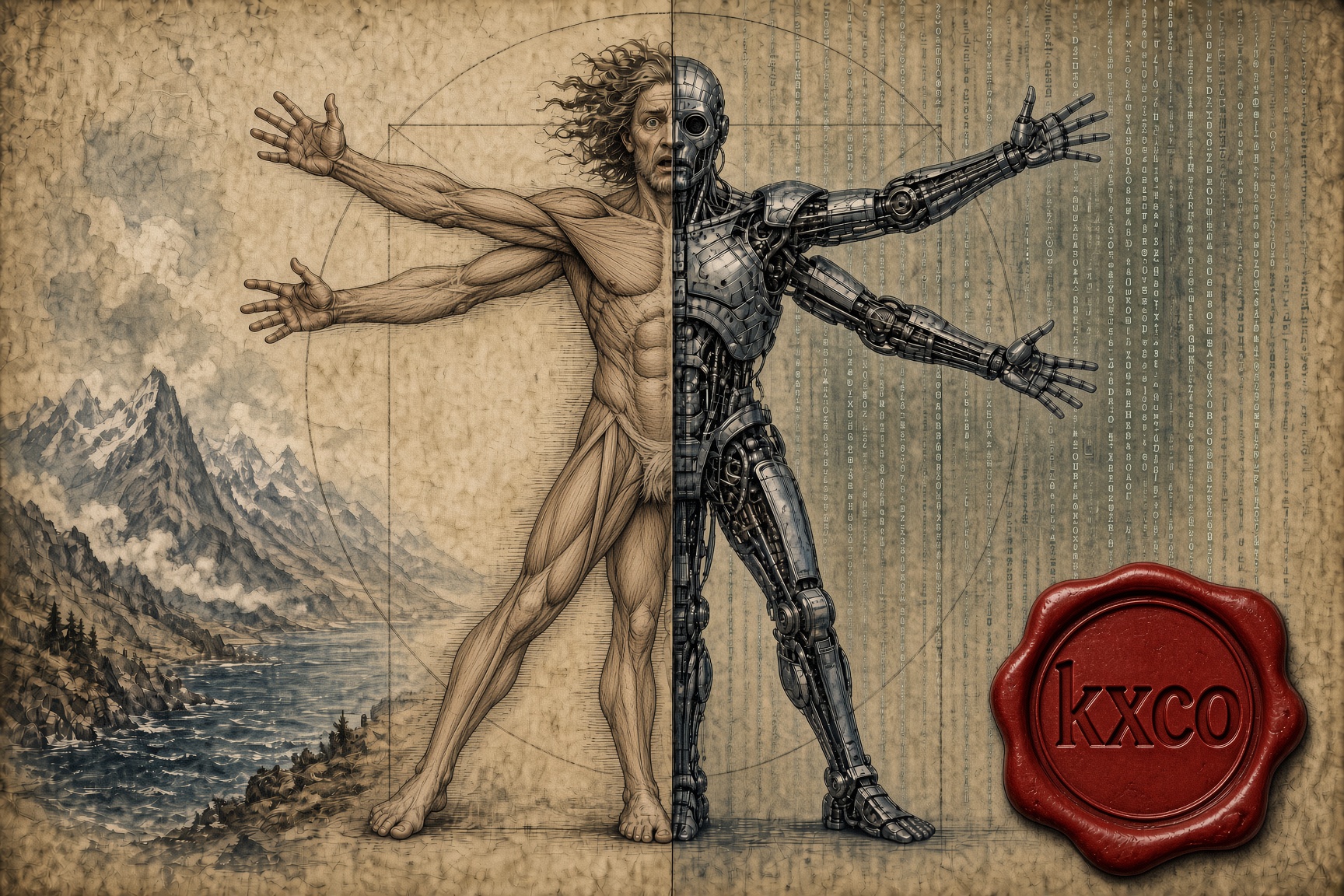
Don't Be the Best, Be the Only: Winning in an AI World
AI is repricing competence downward. What it cannot reproduce is a life. The case for remaining non-fungible, why friction still produces the best ideas, and what it means to build AI systems that keep the human intellect in them.
Grading the AI Trade in Public: 30 Days of the KXCO Ontology
KXCO scored its public AI-sector ontology against 30 days of record. 13 of 15 findings held, the dual-IPO call broke and was rewritten in public, and the 24 July buy screen returned +14.2% against +7.1% for the full table. The scorecard is anchored on-chain.
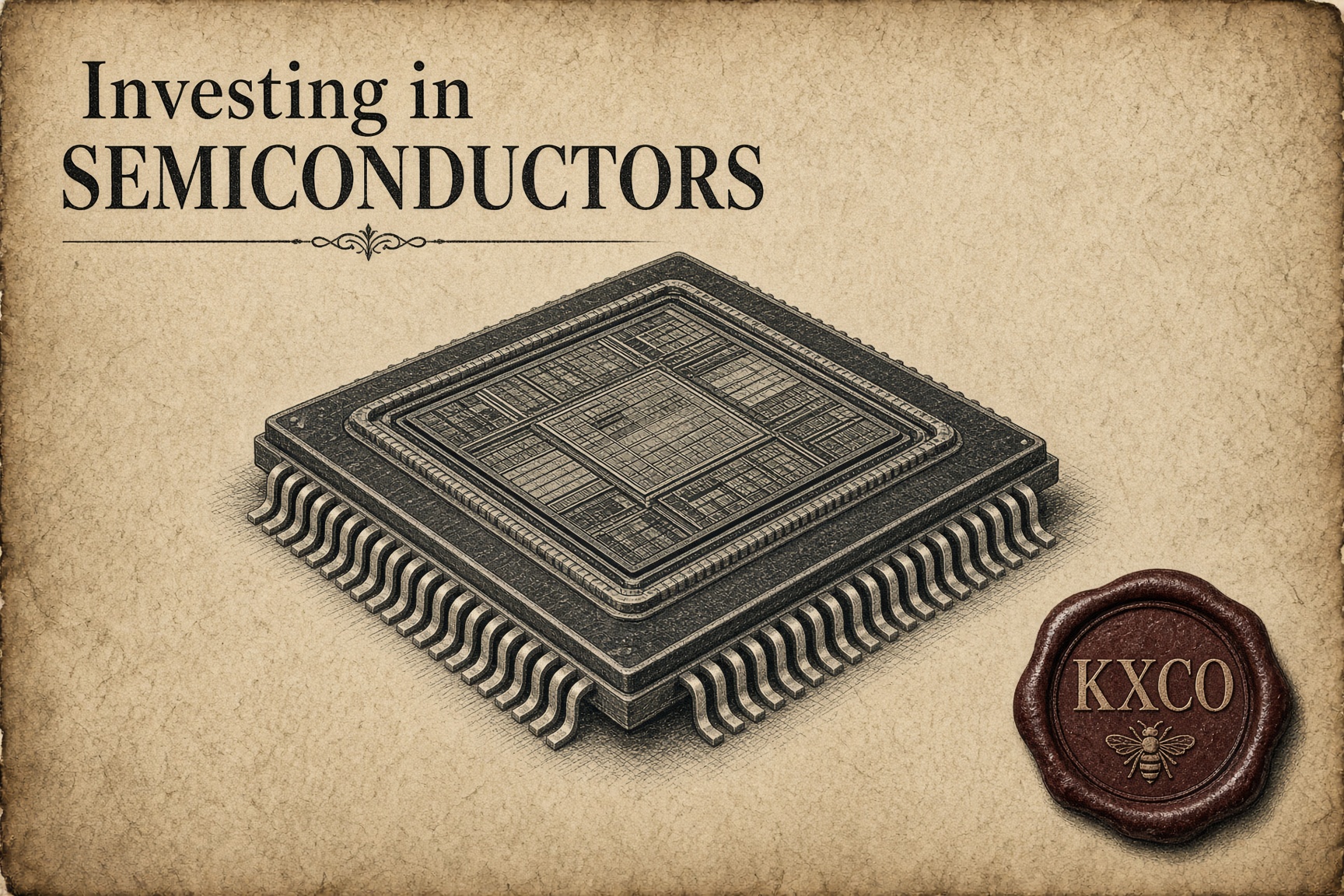
Investing in Semiconductors
Global chip revenues hit US$796 billion in 2025 and the trillion-dollar mark is in sight, but the value sits at a handful of chokepoints: NVIDIA, TSMC, ASML, the HBM leaders, and the rare-earth supply lines beneath them all. A structural guide for investors.
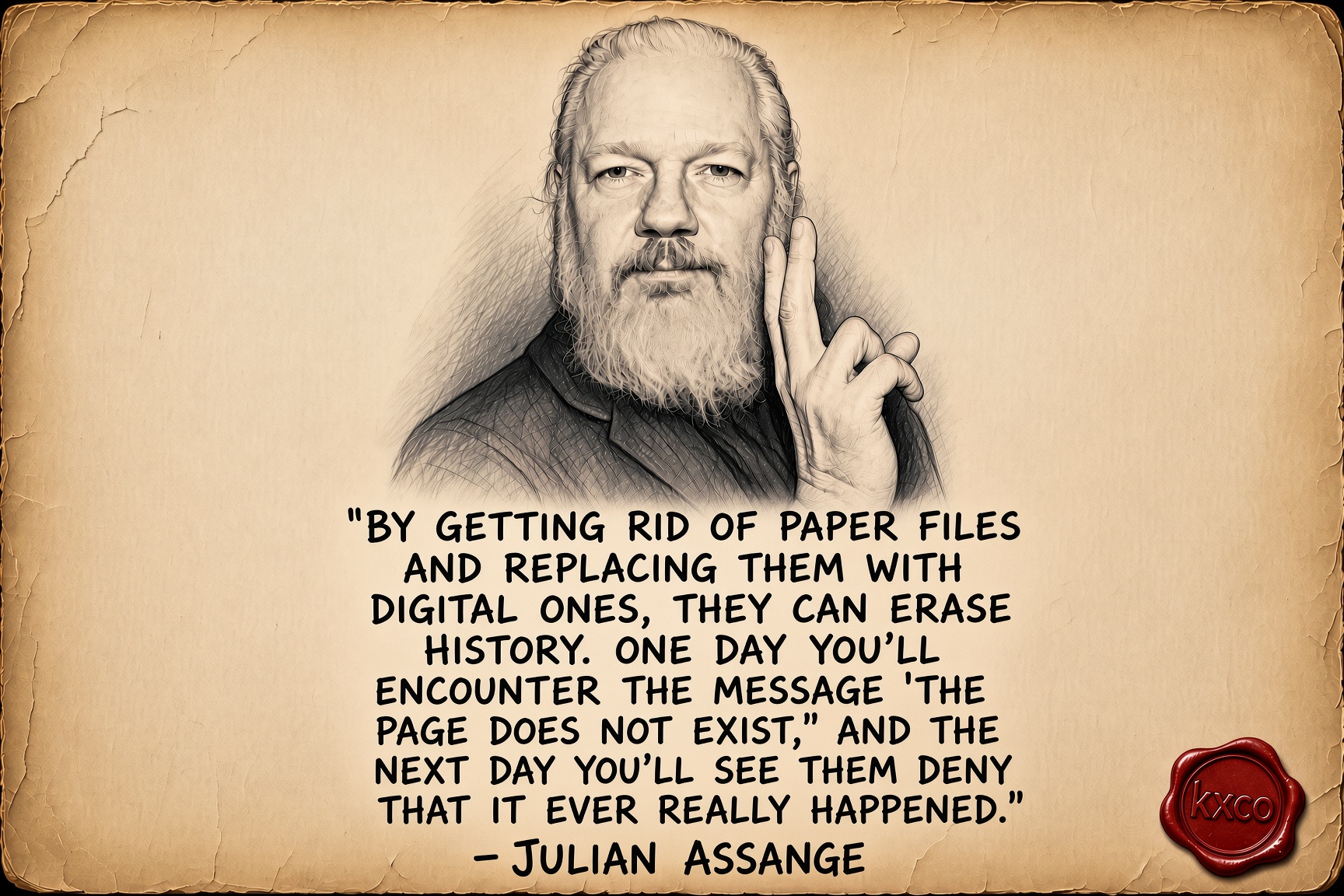
Digital Erasure, and Why KXCO Matters
Pew found 38 percent of 2013's web pages gone a decade later, and quantum computing will eventually let attackers forge the signatures that prove records authentic. Why durable history now depends on post-quantum cryptography, on-chain anchoring and verification that needs nobody's permission.
Every story, signed and delivered.
Subscribe to the kxco channel and get the headline, the AI-written key takeaways, and the chain-anchor link the moment we publish. Audio versions and per-ticker subscriptions arrive in the next iteration.