
No Art Thief Left Behind With Better DeviantArt Protect Protocol
The Protect Protocol is an open, cross-chain standard for decentralized communication of trust-related concerns around NFTs
DeviantArt has successfully developed their own Web3/NFT Protect Protocol to prevent any stolen art being illegal sold within Web3 sites and protect artist worldwide. DeviantArt marked this achievement as leap ahead from standard Web2 protocol, giving artist allow to send and file and DMCA against any NFT Thief online.
In August 2021, DeviantArt launched DeviantArt Protect, which safeguards artists from art theft in Web3. It has indexed over 400M NFTs from across 9 blockchains, and communicated over 329,000 NFT infringement claims. The Protect Protocol is an extension of DeviantArt Protect, designed to be an open, cross-chain standard for decentralized communication of trust-related concerns around NFTs. As a permissionless standard, the Protect Protocol will allow all participants in the Web3 NFT ecosystem to share information about NFT issues, such as art infringements, market manipulations, rigged wallets and malicious smart contracts.
The Protect Protocol upgraded beyond legacy Web2 standards and systems for ensuring verification and trust online, like KYC (Know Your Customer) for Web2 marketplaces and DMCA (Digital Millennium Copyright Act) for digital rights management. In the context of the decentralized web, these mechanisms are often not enough due to the anonymity of user wallets and the permanence of minting tokens to blockchain, leaving creators and consumers vulnerable to bad players, fraud and theft in Web3.
The Protect Protocol introduces a new layer of checks and balances for Web3, allowing players and platforms to communicate claims about particular NFT contracts with one another. For example, participants can share claims regarding NFT infringements, washtrading or rugpulls, as well as claims regarding verification of NFT creators and smart contracts. Each claim can be responded to via the Protect Protocol by other players in the space, acknowledging or refuting those claims. This enables the Web3 ecosystem to share their knowledge about legitimate or malicious NFTs, creating a safer and more trusted web for all.
"At DeviantArt, we've seen our users suffer at the hands of bad actors in Web3 through art infringement and theft, instead of enjoying the promise and opportunity that Web3 holds for creators," said Moti Levy, CEO of DeviantArt. "Artists are doubly punished, first through the theft of their work, and then again by having to file endless DMCA reports to multiple NFT marketplaces. A decentralized web does not mean a defenseless web. The onus of dealing with bad players and thieves should not be put on creators alone - the creator platforms and ecosystem have a responsibility to make Web3 safe and secure. That is why we are establishing the Protect Protocol. Critical information about NFT trust issues should be open and available to all."
To streamline integration process for marketplaces and other DApp developers, DeviantArt is also developing a public HTTP API to expose Protect Protocol functionality. The Protect Protocol website will publishes all the NFT claims and responses communicated via the protocol and provides open access to all the claims' data which can be downloaded. The website also provides API documentation for the Protect Protocol.
To understand about Protect Protocol and How DeviantArt Protect work, visit https://www.protectprotocol.io/ and https://www.deviantartprotect.com/
#Crypto #Cryptocurrency #Blockchain #Metaverse #DeFi #Web3 #Bitcoin #Ethereum #DeviantArt #Protect #Protocol #NFT
SOURCE DeviantArt
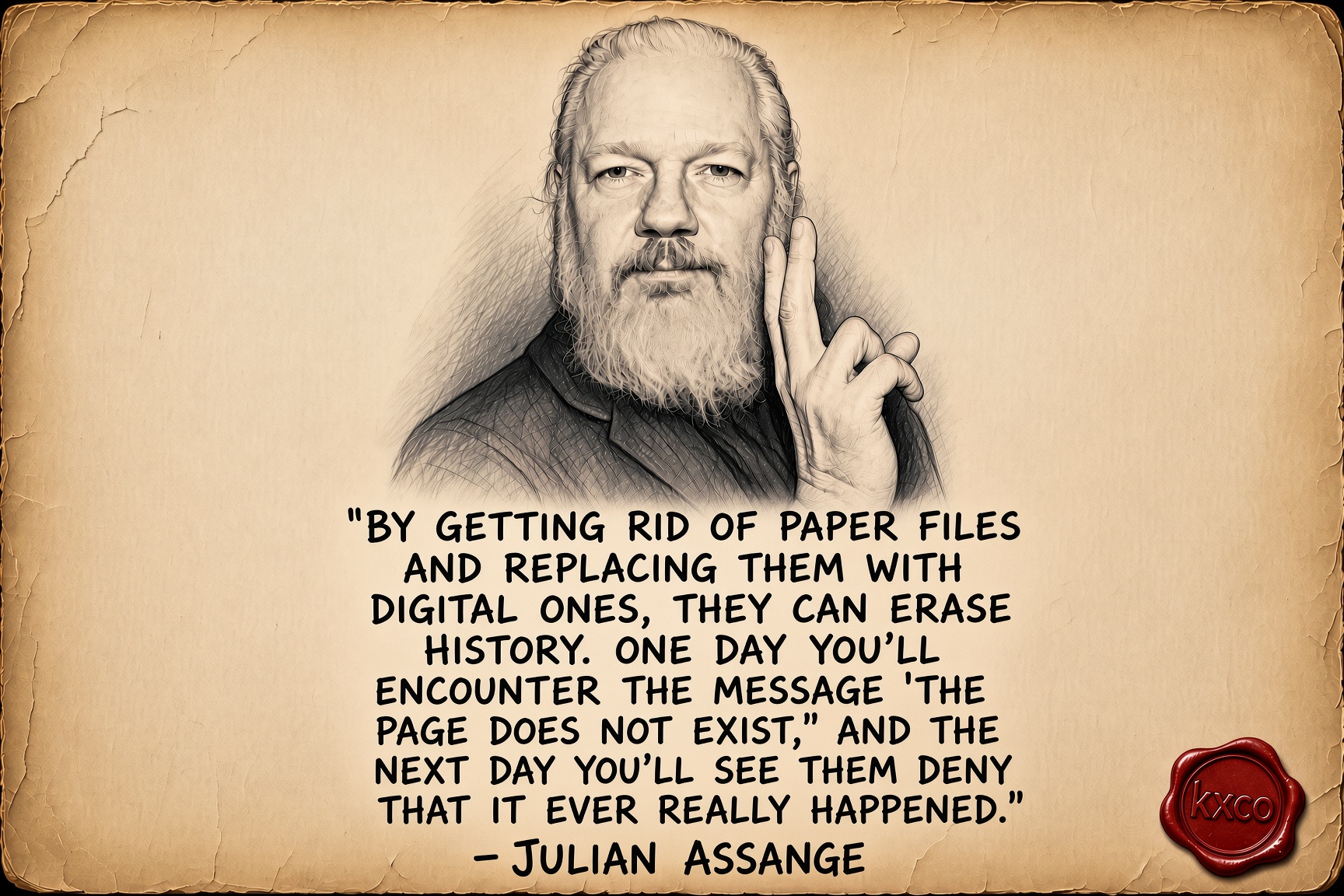
Digital Erasure, and Why KXCO Matters
Pew found 38 percent of 2013's web pages gone a decade later, and quantum computing will eventually let attackers forge the signatures that prove records authentic. Why durable history now depends on post-quantum cryptography, on-chain anchoring and verification that needs nobody's permission.
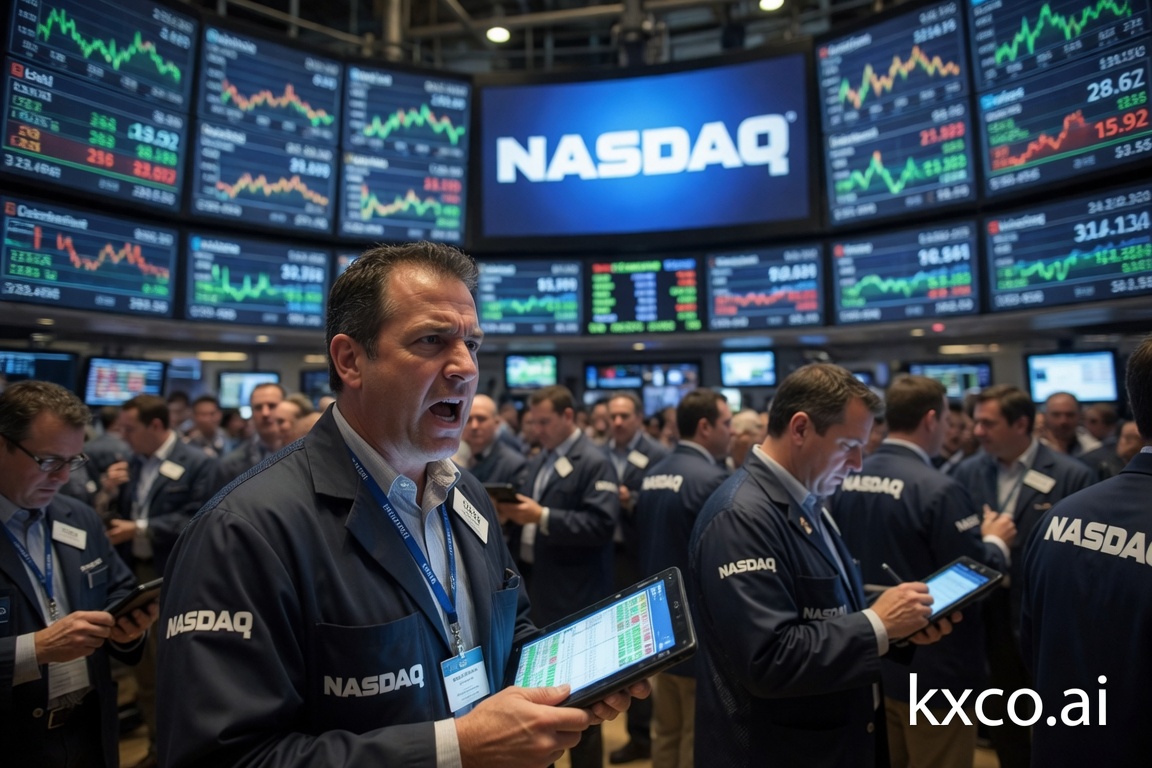
Economic Calendar and Trading Strategies for the Week Ahead: July 20–24, 2026
A pivotal week for markets: Iran's closure of the Strait of Hormuz sends crude above $86 and gasoline over $5, while Alphabet, Tesla and Intel earnings test the AI trade. Full economic calendar plus trading strategies across oil, gold, Bitcoin, FX and AI chip stocks.
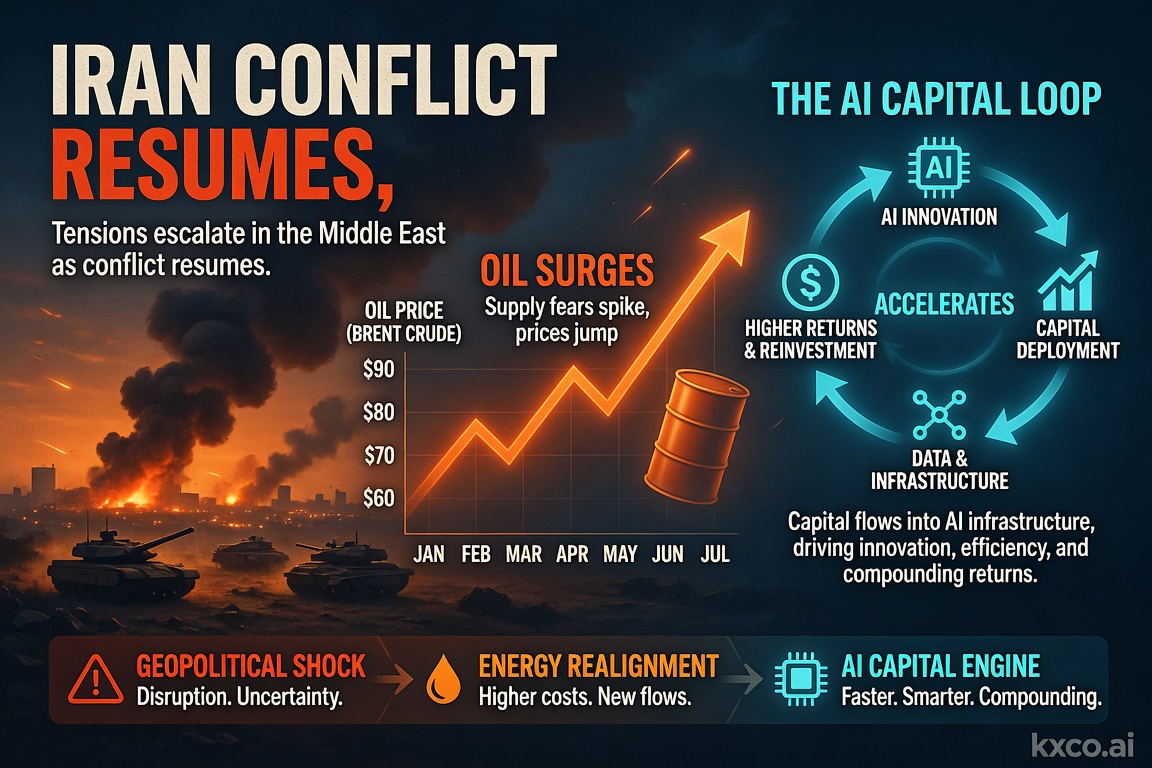
Economic Calendar and Trading Strategies for the Week Ahead: July 14–18, 2026
A pivotal week for markets: US strikes on Iran reignite the oil risk premium, June CPI and retail sales test the Fed's rate-cut path, and the $1 trillion AI capital loop keeps driving the tech trade. Full economic calendar plus trading strategies across oil, gold, Bitcoin, FX and AI stocks.
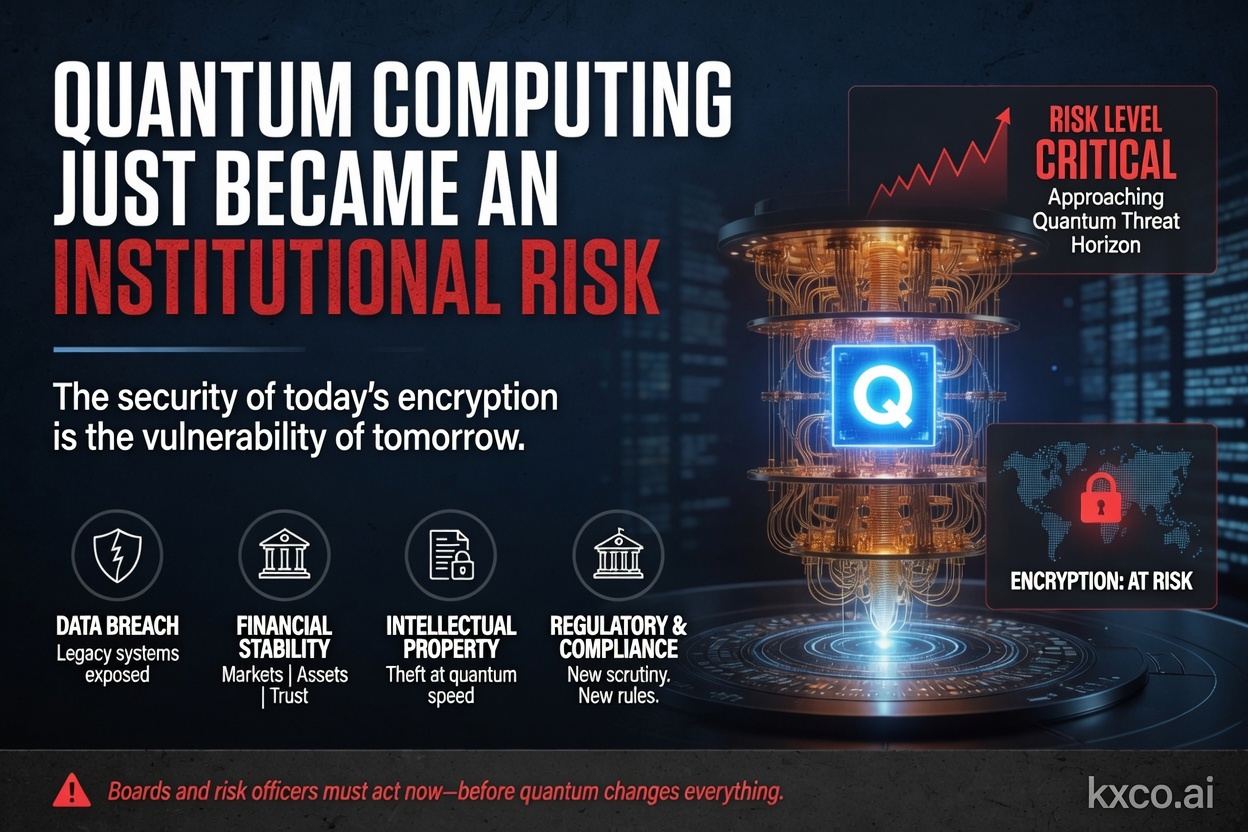
Quantum Computing Just Became an Institutional Risk
Shayne Heffernan on BlackRock's quantum-computing warning for Bitcoin and Ethereum, Google's cryptanalysis research, the two on-chain risk vectors, and how KXCO's Armature L1 — post-quantum from genesis, coordinated by its ontology — answers a threat that just went institutional.
Every story, signed and delivered.
Subscribe to the kxco channel and get the headline, the AI-written key takeaways, and the chain-anchor link the moment we publish. Audio versions and per-ticker subscriptions arrive in the next iteration.