
Mining Cryptocurrency
#cryptocurrency #mining #bitcoin #blockchain #network
"Crypto mining is the process by which a new digital asset is being injected into circulation. Also, crypto mining could also mean the process by which new crypto transactions are validated within a blockchain by the network nodes or validators"--Paul Ebeling
Technically, the 2nd definition above implies that miners are tasked with the responsibility of stopping double-spending of digital currency within a blockchain network.
Meanwhile, the new coins generated during the mining process are often used as an incentive to reward miners for the effort put in to ensuring the security of the network. So, simply said the mining process is primarily for validating crypto transactions.
Mining can be performed using different approaches including cloud mining, CPU mining, GPU mining and ASIC mining. However, while these approaches employ different mechanisms and facilities, they all achieve the same purpose.
Notably, a miner deploys different computational machines to solve complex mathematical equations using cryptographic hashes.
In other words, for every transaction on a blockchain, there is a need to input a signature. This signature is referred to as hash and they primarily secure each record of the transaction on a blockchain’s public ledger.
A miner who is able to lock in a transaction is rewarded with a new token generated in the process, which is technically injected back into circulation.
Mining is not rocket science, and it’s not only reserved for developers or people with software development skills alone. Anyone can become a miner, provided he/she are willing to acquire basic crypto knowledge.
In addition crypto mining requires the use of sophisticated devices which may not be cost-effective for someone who is just starting out.
Generally, the ease of mining cryptocurrency depends solely on the approach that is being used. A person can either mine crypto as an individual or join a crypto mining pool.
The time it takes to mine cryptocurrencies differs. For instance, it may take a single miner several yrs to mine a single Bitcoin. On the other hand, it might take less than a min to mine a novel token.
The time it takes to mine a crypto asset depends on various factors including market value, utility purpose, and the number of network nodes.
There are lots of miners who contribute towards a mining process, implying that the more the miners there are, the faster the mining process.
The best way for an entry-level miner to get started with cryptocurrency mining is through the mobile alternative. Meaning anyone can mine cryptocurrency using a mobile phone and even though it is not as efficient as using the traditional software and hardware, it offers great insight into how crypto mining works.
The US is now the crypto mining capital of the world.
Have a prosperous week, Keep the Faith!

The Week Ahead on Wall Street, 16 November 2026: Look for the Bounce
NVIDIA reports on Tuesday 17 November 2026, its first results since Jensen Huang resigned, and I expect the stock and the AI market to bounce. NVIDIA closed at $162.85 on 13 November 2026, 31.93% below its record, while the semiconductor index rose 8.05% on the week. The calendar leans to currencies, with the yen near 160 after briefly crossing it, and the US publishes retail sales, housing starts, jobless claims and the Fed's minutes. Follow them on the Live Trading News trading page.
KXCO Pay Is Live: WooCommerce Crypto Payments Straight to Your Own Wallet
KXCO Pay 1.0.0 went live on WordPress.org on 7 October 2026. It adds Bitcoin, Ether, USDT and USDC to WooCommerce, and the customer pays the merchant's own address. The plugin holds no funds and no keys: it reads the chain through public services, prices each order from CoinGecko, locks the rate and settles the order once the payment confirms. A shortcode, a block and a REST API take payment on any page. Free under the GPL, with no commission on any payment.
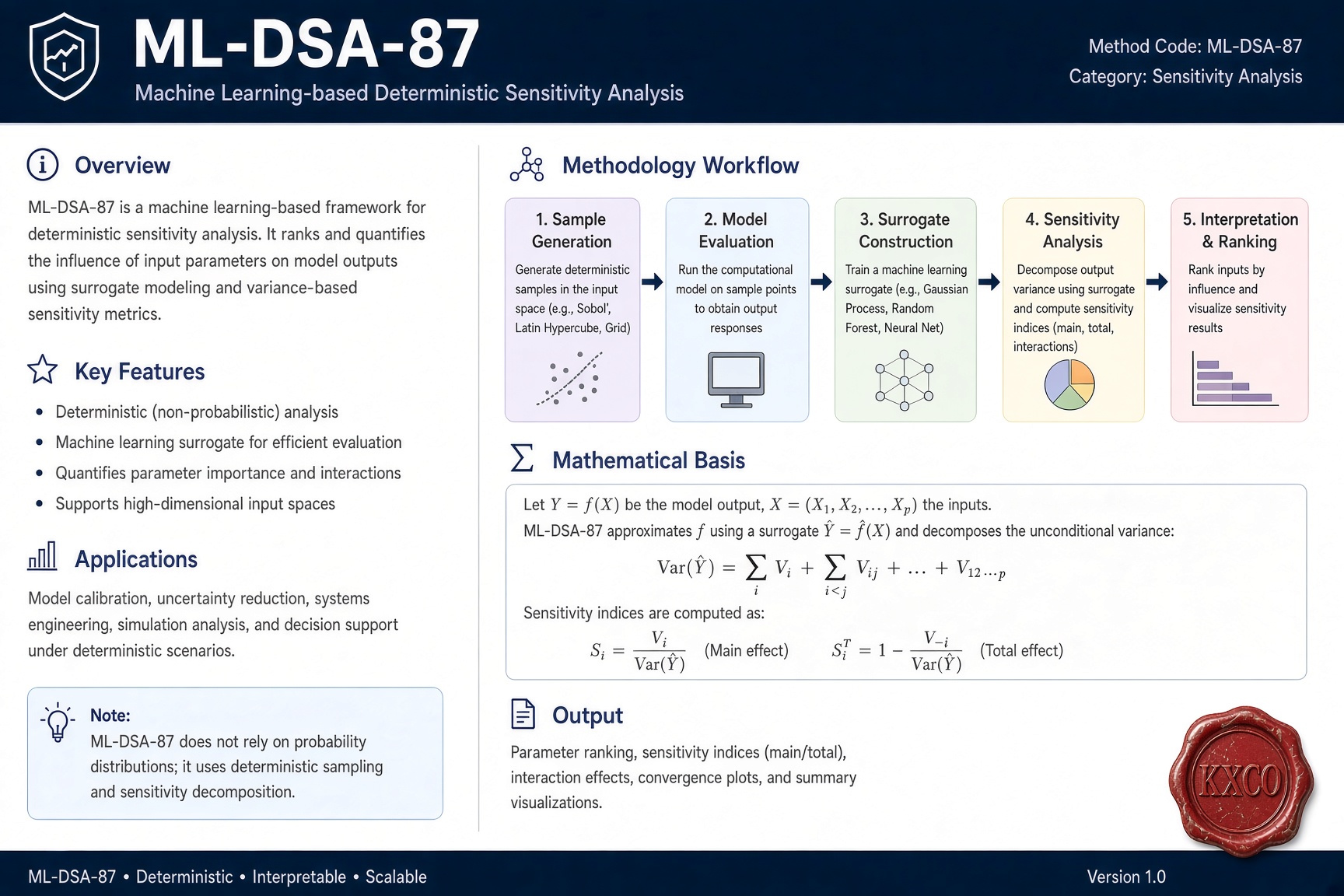
KXCO Now Verifies ML-DSA-87 in Consensus, the Signature Level Named by the NSA
On 6 October 2026 KXCO's chain began verifying ML-DSA-87 signatures as a rule of consensus, and the first ML-DSA-87 identity registered 28 seconds later. ML-DSA-87 is the category 5 level of NIST's FIPS 204, specified by the NSA for US national security systems and preferred by Australia's Information Security Manual. KXCO ships it for signing and for keys held in hardware, accepts it across its network and verifies it on chain, and anyone can check a verdict.

KXCO is Enhanced Intelligence, Not Artificial
I never wanted artificial intelligence. I wanted enhanced intelligence, and they are not the same product. Artificial means the machine does the thinking and hands you the answer. Enhanced means I do the thinking, with more of my own mind in the room than I have ever had at one time. Forty years of reading, recallable in the second I need it. Patterns across law, credit, physics and markets that no specialist sees, because the useful ones sit between the fields rather than inside them.
Every story, signed and delivered.
Subscribe to the kxco channel and get the headline, the AI-written key takeaways, and the chain-anchor link the moment we publish. Audio versions and per-ticker subscriptions arrive in the next iteration.