
Metaverse: Fashion Welcomed in Web 3.0
#crypto #metaverse #luxury #fashion #brands #web3.0 #intenet #NFTs #blockchain
"As the physical world integrates with the virtual world, the future of fashion will reside in the metaverse" --Paul Ebeling
The term metaverse has been making several rounds in the video game world as more and more video gaming platforms adopt virtual reality environments that allow simultaneous interactions from multiple users. In some ways, this is considered the next step in how we interact on various platforms.
In the fashion industry, the metaverse has become a costly playground, with the world's largest, most profitable luxury brands rushing to quickly seize ground in the metaverse.
In a metaverse situation, however, NFTs can completely change how people interact with fashion brands and bring about the true ownership of digital fashion items.
Thanks to NFTs, fashion brands will be able to display clothes in a metaverse that can be bought from within the metaverse or traded with other users on a decentralized virtual marketplace. Given that NFTs are traceable and unique on the blockchain, the issue of fake fashion items will be a thing of the past as every digital wearable item will be verifiable on the blockchain.
As Gen Zers become more conscious of the environment, the traceability inherent in NFTs will enable fashion brands to give their conscious customers confirmation of environmentally friendly products.
The evolution of the internet
From Web 1.0 consists of static websites and personal sites with very little user interaction or content generation. Then came Web 2.0, commonly called the “Social Web”. User generated content surged, and a community of netizens was born.
Social media reigned as King during this Internet era, things are changing fast.
Our society is at the edge of a new beginning, Web 3.0, where an entirely new world is being created. People in tech calls this the metaverse, and its emergence even prompted Facebook to change its name to Meta. There are good points for brands to join the web, for it can connect with a giant pool of people. Fashion brands have not been receptive to this idea of selling their goods online as it may be seen as cheapening its brand.
While it is in the brand’s interest to protect its prestige, what these brands are losing is another path for profits.
During the height of the VirusCasedemic, luxury brands shuttered physical stores, which cuts off any brand’s stream of profit. For brands that have dedicated resources to building up a user-friendly website where customers can easily make their purchase, it definitely helped cushion the impact of closed stores.
Fashion brands are investing in the virtual world, realising the importance of staying ahead of the curve and not wanting to lose out on the 1st-mover advantage.
According to a report by Nasdaq, it quotes sources from Morgan Stanley estimating that the virtual fashion market to be valued at $55-B by Y 2030. This proves to be a lucrative venture that can reap benefits in the long run as society becomes more entrenched in the metaverse.
The metaverse is a new universe that awaits exploration; the potential it holds is tremendous. Just like how in the real world we would need clothing, our lifelike avatars also require clothes while they traverse the cyberspace.
Digital fashion is not a novel concept as it has already appeared in the gaming world as “skins”. But taking the idea to the next step are luxury fashion brands, which Balenciaga epitomizes. The Paris-based fashion house partnered with gaming giant Fortnight to create dresses for users’ online personas.
Besides creating online clothing that users can don virtually, fashion brands build up their world within the metaverse. Luxury fashion brands like Gucci and Louis Vuitton have already started to extend its reach to the online world. The former hosted a virtual exhibition in the online game Roblox to mark its centenary. Gamers can explore the universe conceived by Gucci’s Alessandro Michele, like his Key designs for the brand and also buy rare collectables.
At Louis Vuitton, the brand celebrated its 200th anni with a mobile game that allows users to hunt for hidden NFTs by artist Beeple.
Creating a branded universe will support creative branding strategies, enable immersive consumer experiences and generate excitement among highly sought-after consumer groups.
Another critical point to note is the creative freedom that brands' designers can obtain is the erasure of constraints of the physical world. It is said to be less disruptive to the environment and helps to conserve our finite natural resources. Furthermore, brands do not have to deal with problems associated with the supply chain.
For now, we see the sky is the limit for fashion brands interested in the metaverse, and as mentioned earlier, the world will only get more integrated with the online universe meaning demand for virtual fashion is here to stay.
Have a happy, prosperous day, Keep the Faith!
KXCO Pay Is Live: WooCommerce Crypto Payments Straight to Your Own Wallet
KXCO Pay 1.0.0 went live on WordPress.org on 7 October 2026. It adds Bitcoin, Ether, USDT and USDC to WooCommerce, and the customer pays the merchant's own address. The plugin holds no funds and no keys: it reads the chain through public services, prices each order from CoinGecko, locks the rate and settles the order once the payment confirms. A shortcode, a block and a REST API take payment on any page. Free under the GPL, with no commission on any payment.
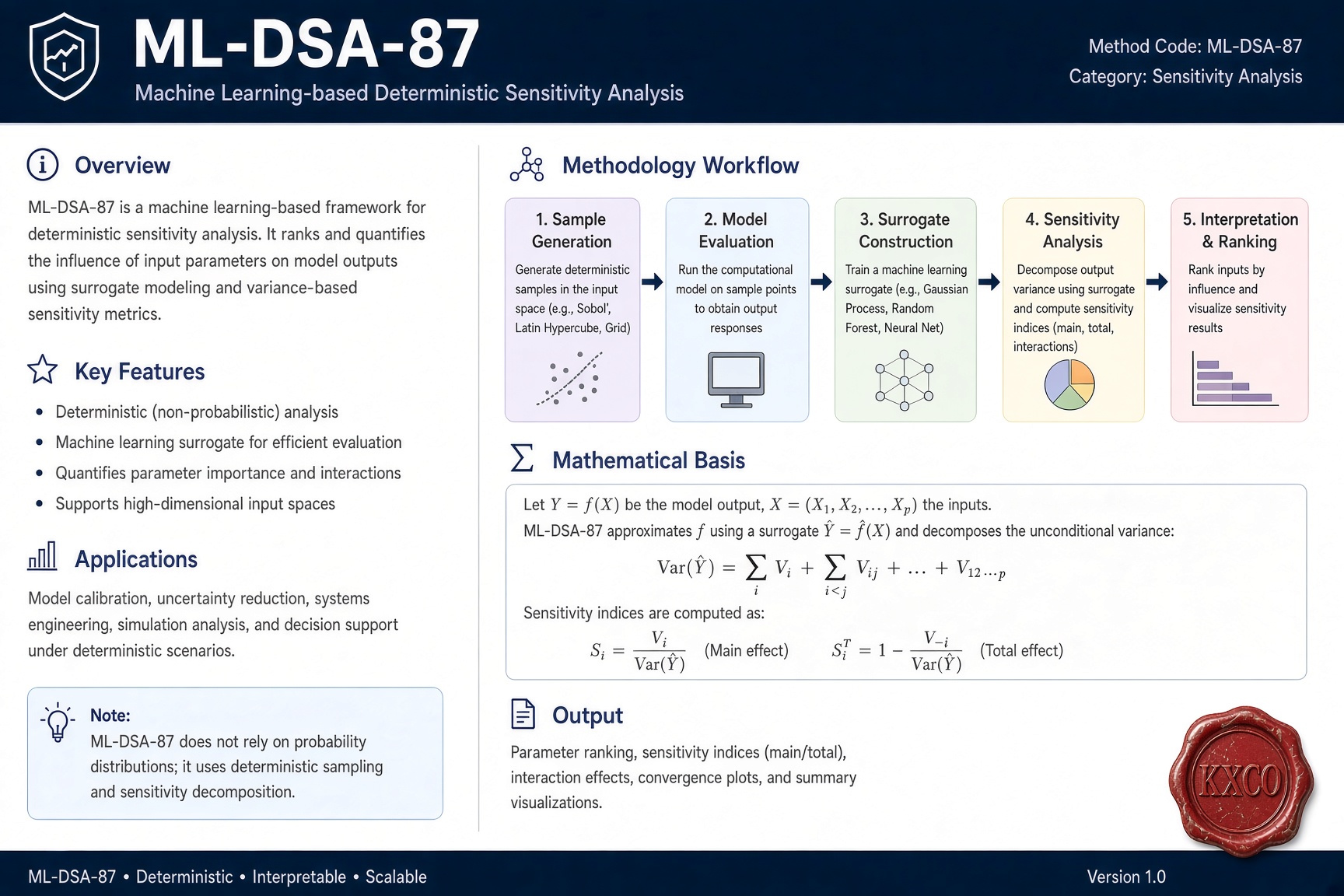
KXCO Now Verifies ML-DSA-87 in Consensus, the Signature Level Named by the NSA
On 6 October 2026 KXCO's chain began verifying ML-DSA-87 signatures as a rule of consensus, and the first ML-DSA-87 identity registered 28 seconds later. ML-DSA-87 is the category 5 level of NIST's FIPS 204, specified by the NSA for US national security systems and preferred by Australia's Information Security Manual. KXCO ships it for signing and for keys held in hardware, accepts it across its network and verifies it on chain, and anyone can check a verdict.
KXCO is Enhanced Intelligence, Not Artificial
I never wanted artificial intelligence. I wanted enhanced intelligence, and they are not the same product. Artificial means the machine does the thinking and hands you the answer. Enhanced means I do the thinking, with more of my own mind in the room than I have ever had at one time. Forty years of reading, recallable in the second I need it. Patterns across law, credit, physics and markets that no specialist sees, because the useful ones sit between the fields rather than inside them.
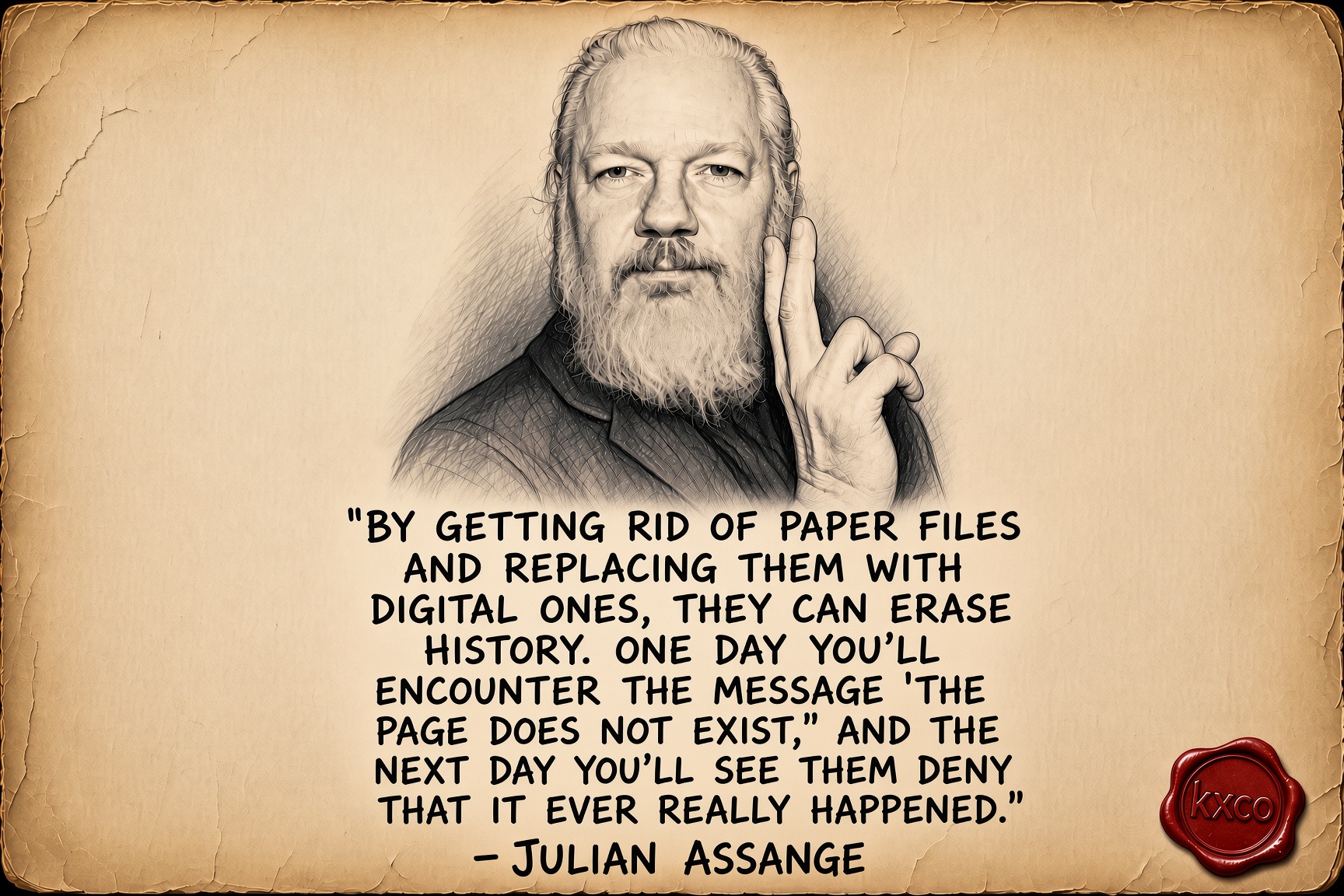
Digital Erasure, and Why KXCO Matters
Pew found 38 percent of 2013's web pages gone a decade later, and quantum computing will eventually let attackers forge the signatures that prove records authentic. Why durable history now depends on post-quantum cryptography, on-chain anchoring and verification that needs nobody's permission.
Every story, signed and delivered.
Subscribe to the kxco channel and get the headline, the AI-written key takeaways, and the chain-anchor link the moment we publish. Audio versions and per-ticker subscriptions arrive in the next iteration.