
Major Trends in Luxury Fashion in 2023
The luxury fashion industry is constantly evolving, and there are always new trends to keep up with. In 2023, some of the major trends to look out for include:
Sustainability. Luxury brands are increasingly focused on sustainability, and this is reflected in the clothes they are designing. Look for clothes made from recycled materials, organic cotton, and other sustainable fabrics.
Personalization. Luxury shoppers are looking for clothes that are unique and personal, and brands are responding by offering more customization options. You can now have your initials embroidered on your clothes, or even have a custom-made piece designed just for you.
Genderless fashion. Genderless fashion is becoming increasingly popular, and luxury brands are starting to offer more gender-neutral clothing options. This includes everything from suits to dresses to accessories.
Vintage and pre-loved fashion. Vintage and pre-loved fashion is having a moment, and luxury brands are starting to embrace this trend. You can now find vintage pieces from luxury brands at a fraction of the price of new.
Athleisure. Athleisure is still going strong in 2023, and luxury brands are getting in on the trend. Look for luxe tracksuits, cozy sweatshirts, and sneakers that you can wear from the gym to the office.
These are just a few of the major trends to look out for in luxury fashion in 2023. The industry is constantly evolving, so it's important to stay up-to-date on the latest trends. If you're looking for unique, personal, and sustainable clothes, luxury fashion is the place to be.
The global luxury fashion market size was valued at USD 302.8 billion in 2021 and is projected to reach USD 414.5 billion by 2027, registering a CAGR of 5.2% from 2022 to 2027.

The size of the luxury fashion market is expected to grow in the coming years due to a number of factors, including:
Increasing disposable income of consumers in developing countries
Growing urbanization
Rise of e-commerce
Influence of social media
The luxury fashion market is segmented by product type, distribution channel, and region. By product type, the market is segmented into apparel, footwear, accessories, and others. Apparel is the largest segment of the luxury fashion market, followed by footwear and accessories.
By distribution channel, the market is segmented into offline and online. The offline segment is the largest segment of the luxury fashion market, followed by the online segment. However, the online segment is growing at a faster pace than the offline segment.
By region, the market is segmented into North America, Europe, Asia Pacific, Latin America, and Middle East & Africa. Europe is the largest market for luxury fashion, followed by North America and Asia Pacific. However, Asia Pacific is the fastest-growing region in the luxury fashion market.
The key players in the luxury fashion market include LVMH Moët Hennessy - Louis Vuitton SE, Kering SA, Richemont, The Estée Lauder Companies Inc., and Coty Inc. These players are focusing on expanding their product portfolio, increasing their distribution channels, and entering new markets to gain a competitive edge in the market.
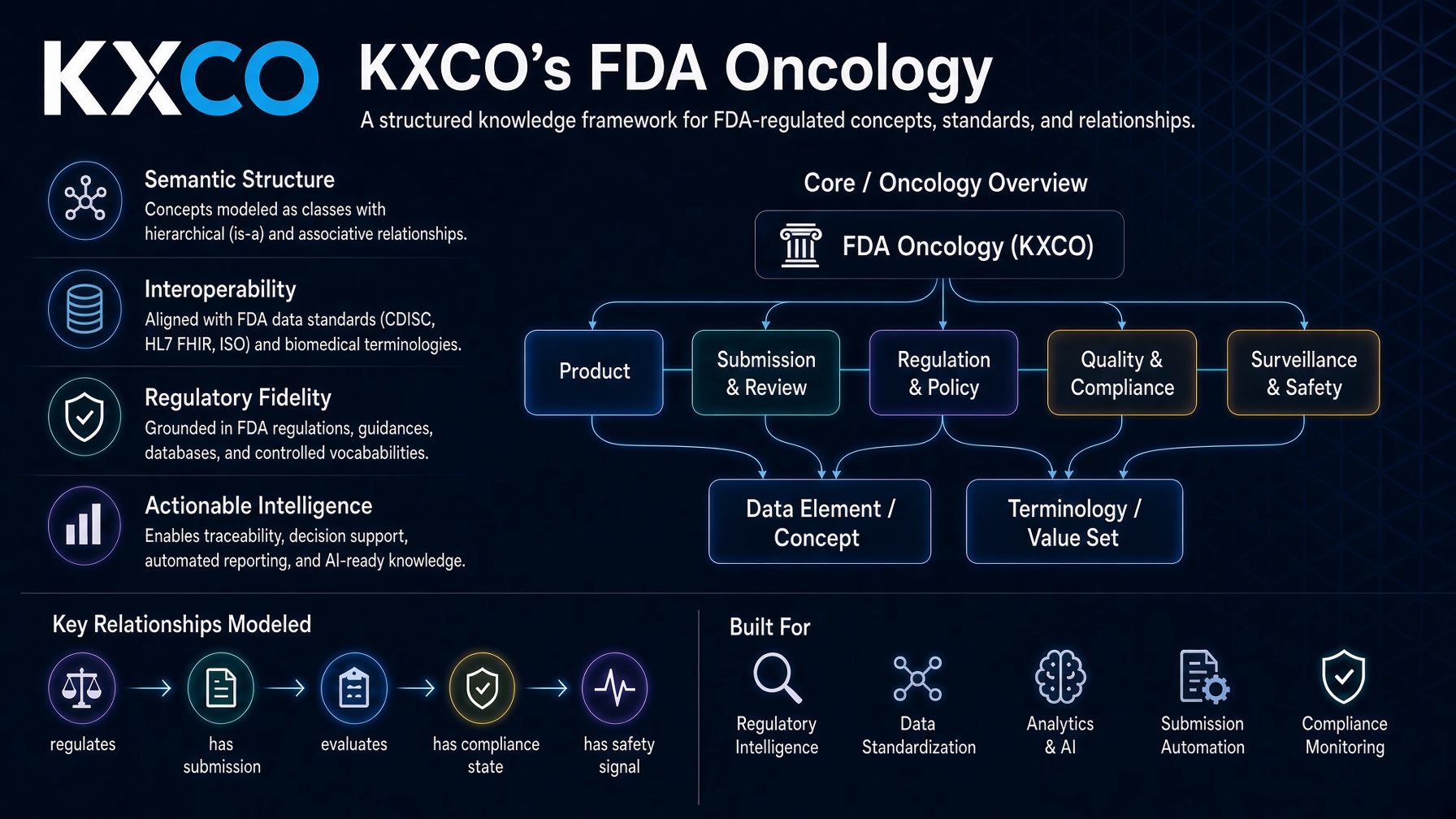
KXCO's FDA Ontology Is Two for Two on FDA Decisions
The FDA has decided two filings on KXCO's FDA board since the board began ranking them, and on my scorecard the board got both right. It ranked Inovio's INO-3107 first and the FDA approved it on 30 October; Inovio moved +149.1% net of the sector. It gave Summit's ivonescimab no call, and Summit announced the FDA's refusal on 15 November; Summit fell 16.5%. KXCO's record held the FDA's survival warning before the refusal was announced.

Quantum Computing in November 2026: The Cost of Breaking Your Keys Keeps Falling
No quantum computer can break today's public keys yet, but three new estimates and a peer-reviewed Google paper put a break at between 19,397 and 500,000 physical qubits. Quantinuum's Helios has 98 qubits and IBM's Nighthawk r2 has 120. NIST will deprecate RSA and elliptic-curve cryptography after 2030, and only about 15% of the origin servers behind Cloudflare use post-quantum key exchange. KXCO's core library, kxco-post-quantum, scores 9.8 on the OpenSSF Scorecard.
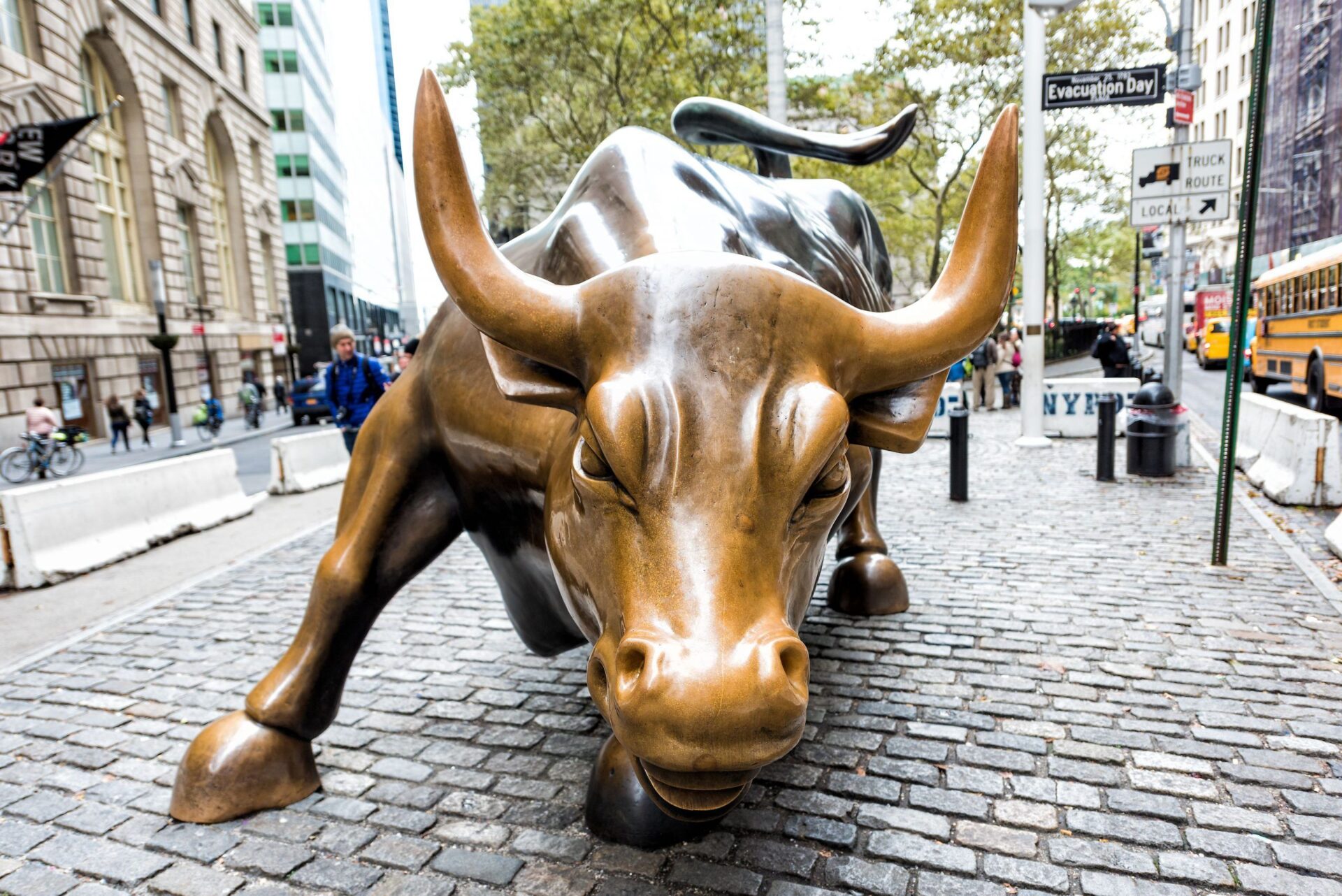
The Week Ahead on Wall Street, 16 November 2026: Look for the Bounce
NVIDIA reports on Tuesday 17 November 2026, its first results since Jensen Huang resigned, and I expect the stock and the AI market to bounce. NVIDIA closed at $162.85 on 13 November 2026, 31.93% below its record, while the semiconductor index rose 8.05% on the week. The calendar leans to currencies, with the yen near 160 after briefly crossing it, and the US publishes retail sales, housing starts, jobless claims and the Fed's minutes. Follow them on the Live Trading News trading page.
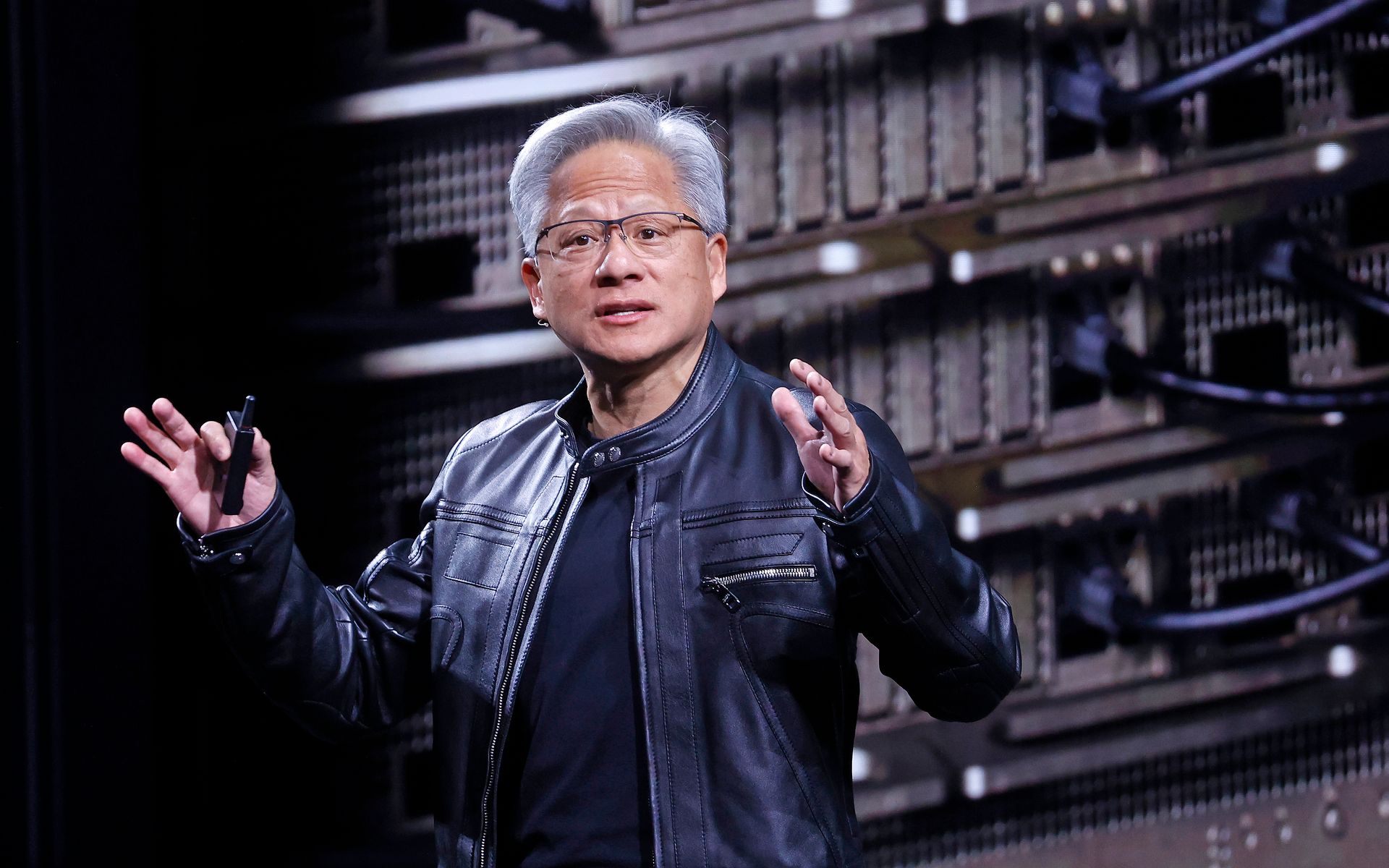
AI Is Still a Buy: The Noise Will Not Stop the Build-Out
In my view AI is still a buy. NVIDIA announced on 12 November 2026 that Jensen Huang had resigned as chief executive, and the push against data centres widened, yet four of the largest cloud sellers carry about $2.48 trillion of signed backlog and the build kept moving. NVIDIA closed at $162.85 on 13 November 2026 with an average analyst target 71.71% above the price. KXCO's AI ontology shows the same US companies have announced capacity in the UAE, Saudi Arabia, Japan, Malaysia and India.
Every story, signed and delivered.
Subscribe to the kxco channel and get the headline, the AI-written key takeaways, and the chain-anchor link the moment we publish. Audio versions and per-ticker subscriptions arrive in the next iteration.