
Lockdowns have Turned Russians into Stock Traders
#Russians #stock #traders
"Russians have been moving money out of their long preferred store of wealth e.g. high interest deposit accounts with domestic banks after a series of interest rate cuts have reduced the returns to insignificant amounts, and have been making risk investments with a bigger returns"-- Paul Ebeling
During the past year Russians turned increasingly to stock market trading during the VirusCasedemic as the Central Bank of Russia (CBR) cut its Key interest rate to a record low, making it less attractive to just keep money in banks.
Russian retail investment into stocks and bonds has taken off. In Y 2020 retail investors put RUB638bn ($8.6-B) into foreign stocks and bonds, according to CBR, Tass reported last month
Alexey Timofeev, head of NAUFOR, said in a recent interview that he expected the growth in the number of people trading to continue and that the number of new retail investors in Russia is likely to best the record rise of Y 2020.
In Y 2020, Russia’s largest bourse, the Moscow Exchange, saw a boom with nearly 5-M new retail investors, taking the number of accounts registered to 10-M+.
The Saint-Petersburg Exchange, Russia’s 2nd-largest bourse and the main platform for trading foreign stocks, also saw trading volumes of foreign securities reach a record high after CBR cut rates to an all-time low last July.
Our analysis says that influx of investors will continue this yr.
The Big Q: Will the number of accounts double?
The Big A: We believe that the overall amount of money in retail investors’ accounts will increase substantially.
NAUFOR says its main purpose is the creation of a favorable atmosphere for investments in Russian financial markets for what may be a strong recovery of the Russian economy.
Russians have some 6 trillion roubles ($79-B) invested in financial market instruments, according to RCB. But around 75% of all open brokerage accounts have less then 10,000 roubles ($131.64) in them, according to the data.
The rouble-denominated MOEX index gained 8% in Y 2020, touching all-time highs, making it an attractive investment as the rouble depreciated 16% Vs USD and with deposit rates near 5%.
The growth in demand for retail trading reflected a global trend as interest rates dove, and the VirusCasedemic prompted people to spend more time at home and online. Retail investors accounted for 5.6% of the Russian population in late Y 2020 Vs 10.6% in China, there a a lot of room to grow.
The Central Bank of Russia could raise interest rates this year to try to rein in inflation after increasing its Key interest rate this month to 4.5% from a record low of 4.25%, the 1st rate change since last July.
We do not see a pull back or healthy correction stopping the money inflow. In such cases we see very pragmatic behavior by retail investors who step into the market and increase their investment.
($1 = 75.9650 roubles)
Have a healthy day, Keep the Faith!

Understanding the US China AI and Quantum Landscape
AI and quantum are usually reported as a US–China race. The more useful story is two different systems — frontier capital versus open-source scale — entangled through shared chokepoints. Shayne Heffernan maps the landscape with the KXCO AI Sector Ontology, with comparison graphics and the investable names.
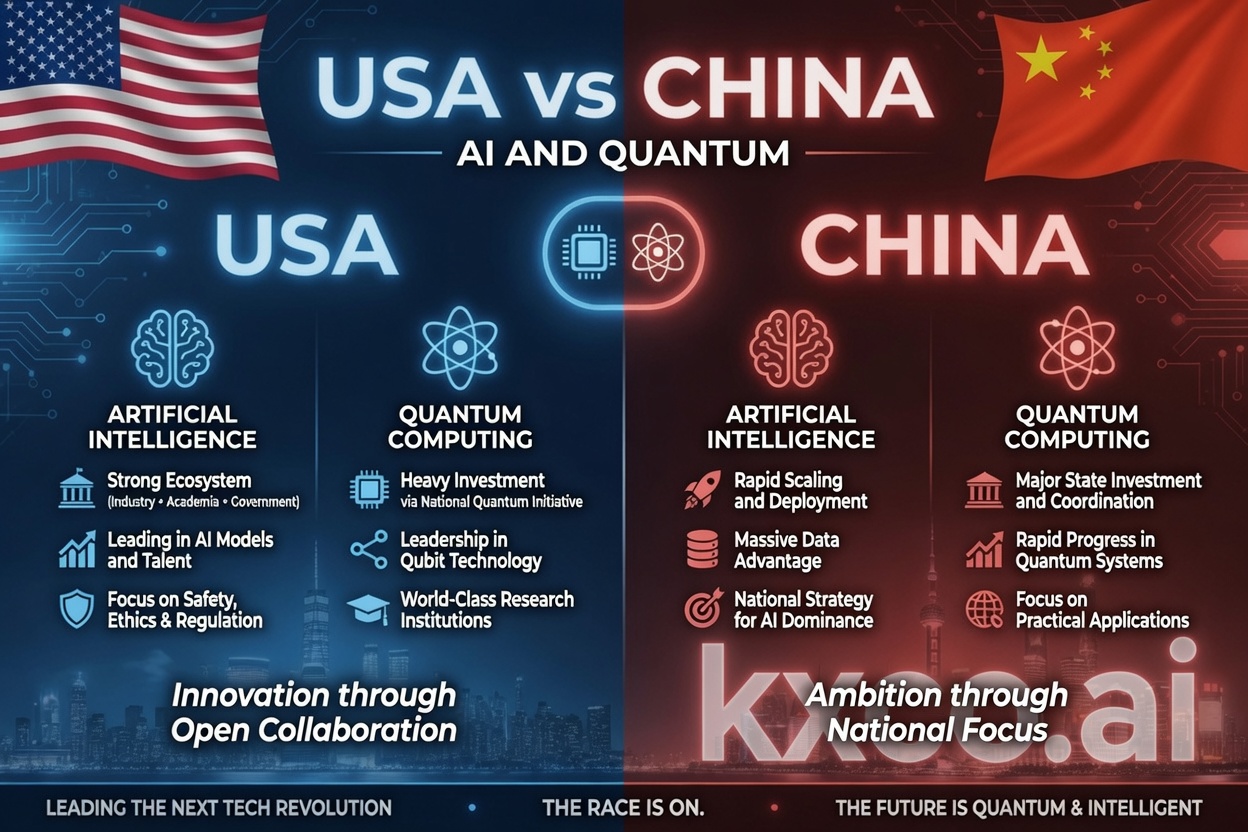
USA vs China: The AI and Quantum Scorecard
The US still leads AI models and chips by a whisker; China leads power and open-weight models outright. Shayne Heffernan scores the four races that will decide the decade.
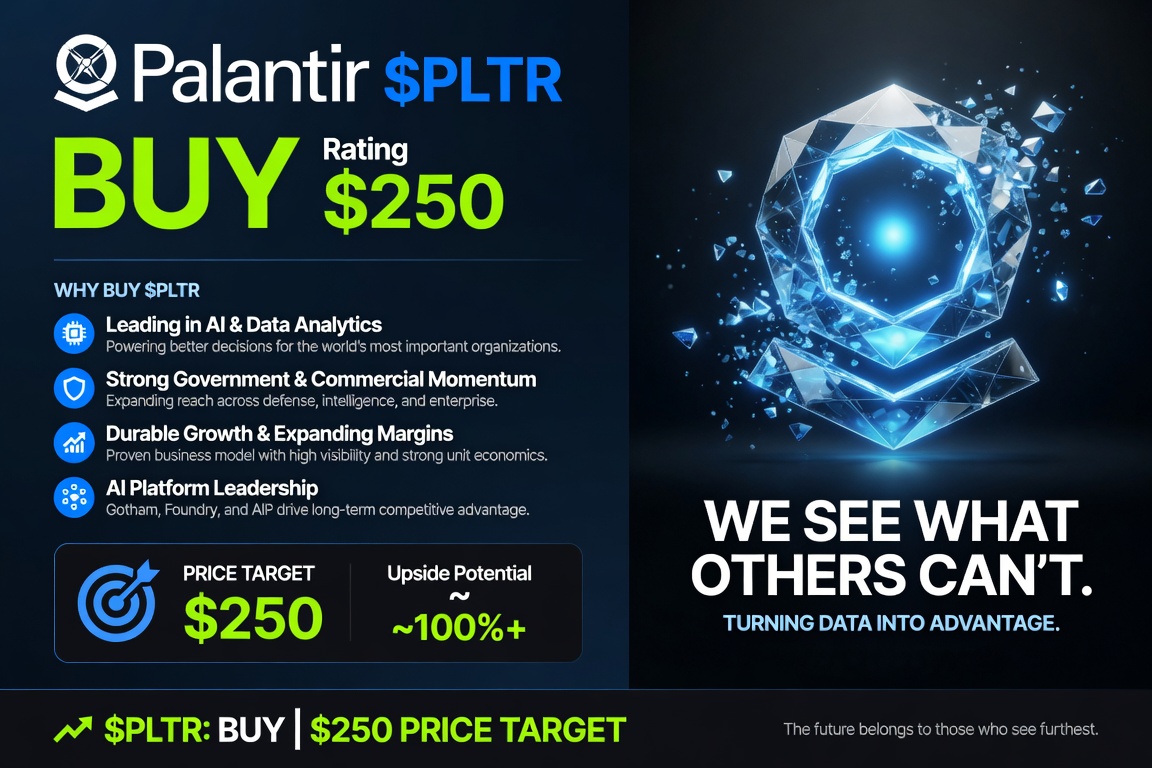
Palantir Stock (PLTR): BUY Rating, $250 Price Target — The 40% Dislocation
Palantir is down ~40% in 2026 even as Q1 revenue grew 85% and management guided FY2026 to $7.66B. Shayne Heffernan issues a BUY on PLTR with a $250 price target — full breakdown of the business, customers, five-year revenue, every major Wall Street bank target and the corporate outlook.
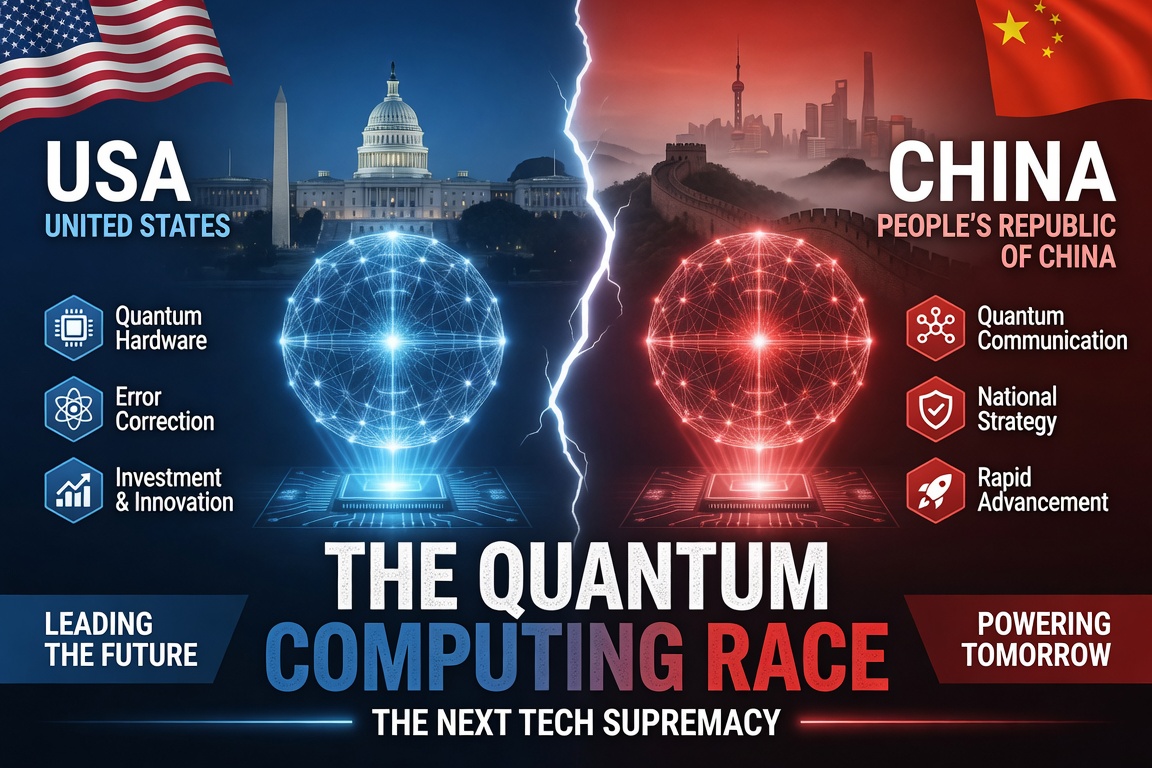
USA vs China: The Quantum Computing Race
The U.S. still leads quantum computing, but China has closed the gap fast — on hardware scale, supply-chain self-reliance and quantum networking. A category-by-category scorecard as of June 2026.
Every story, signed and delivered.
Subscribe to the kxco channel and get the headline, the AI-written key takeaways, and the chain-anchor link the moment we publish. Audio versions and per-ticker subscriptions arrive in the next iteration.