
KXCO Guide to Carbon Credits
What are carbon credits?
Carbon credits are a type of environmental credit that represents the right to emit one ton of carbon dioxide (CO2) or the equivalent amount of another greenhouse gas. Carbon credits are created when a company or organization reduces its greenhouse gas emissions below a certain level. The company or organization can then sell the carbon credits to other companies or organizations that need to offset their own emissions.
How do carbon credits work?
Carbon credits work by creating a market for greenhouse gas emissions. Companies that emit greenhouse gases can buy carbon credits from companies that have reduced their emissions. This allows companies to reduce their emissions without having to make changes to their operations.
What are the benefits of carbon credits?
There are a number of benefits to using carbon credits. Carbon credits can help to reduce greenhouse gas emissions, which can help to mitigate climate change. Carbon credits can also help to create jobs in the clean energy sector. Additionally, carbon credits can help to raise awareness about climate change and the need for action.
What are the challenges of carbon credits?
There are a number of challenges associated with carbon credits. One challenge is that it can be difficult to verify the amount of greenhouse gas emissions that have been reduced. Additionally, there is a risk that carbon credits could be used to offset emissions that would have been avoided anyway.
What is the future of carbon credits?
The future of carbon credits is uncertain. Some experts believe that carbon credits will play an increasingly important role in the fight against climate change. Others believe that carbon credits are not a viable solution to climate change.
Only time will tell what the future holds for carbon credits. However, they are a promising tool that could help to reduce greenhouse gas emissions and mitigate climate change.
Here are some of the ways that carbon credits can be used:
To offset the emissions of a company or organization.
To fund projects that reduce greenhouse gas emissions, such as renewable energy projects or energy efficiency projects.
To create a market for greenhouse gas emissions, which can help to drive down the cost of reducing emissions.
Here are some of the organizations that are involved in the carbon credit market:
The Chicago Climate Exchange (CCX)
The Climate Action Reserve (CAR)
The Voluntary Carbon Standard (VCS)
The Gold Standard
Here are some of the challenges that the carbon credit market faces:
The lack of a global standard for carbon credits.
The difficulty of verifying the emissions reductions that are associated with carbon credits.
The risk of fraud and abuse in the carbon credit market.
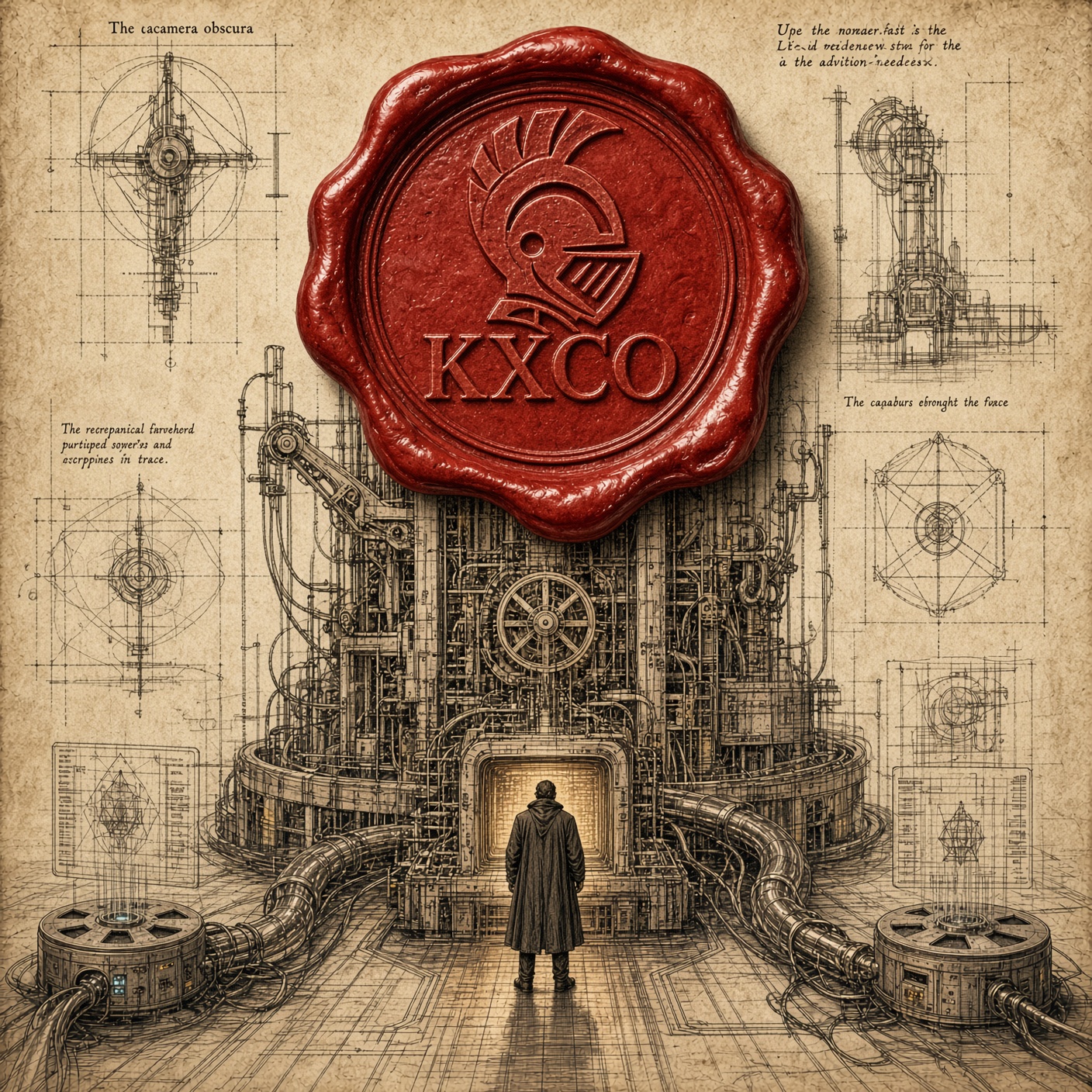
Industrialising Intelligence: Demand, Scarcity and the Boundary of Sovereignty
AI agents generate 80% of OpenRouter's tokens, about seven times human use, and Google's monthly tokens rose about 330 times in two years to over 3.2 quadrillion. In my view the limit on AI demand has moved from people to power: the International Energy Agency expects data-centre electricity to reach around 945 terawatt-hours by 2030. Execution is becoming a utility. Selection is not. KXCO builds the boundary that keeps the decision with a named person and lets another party check the record.
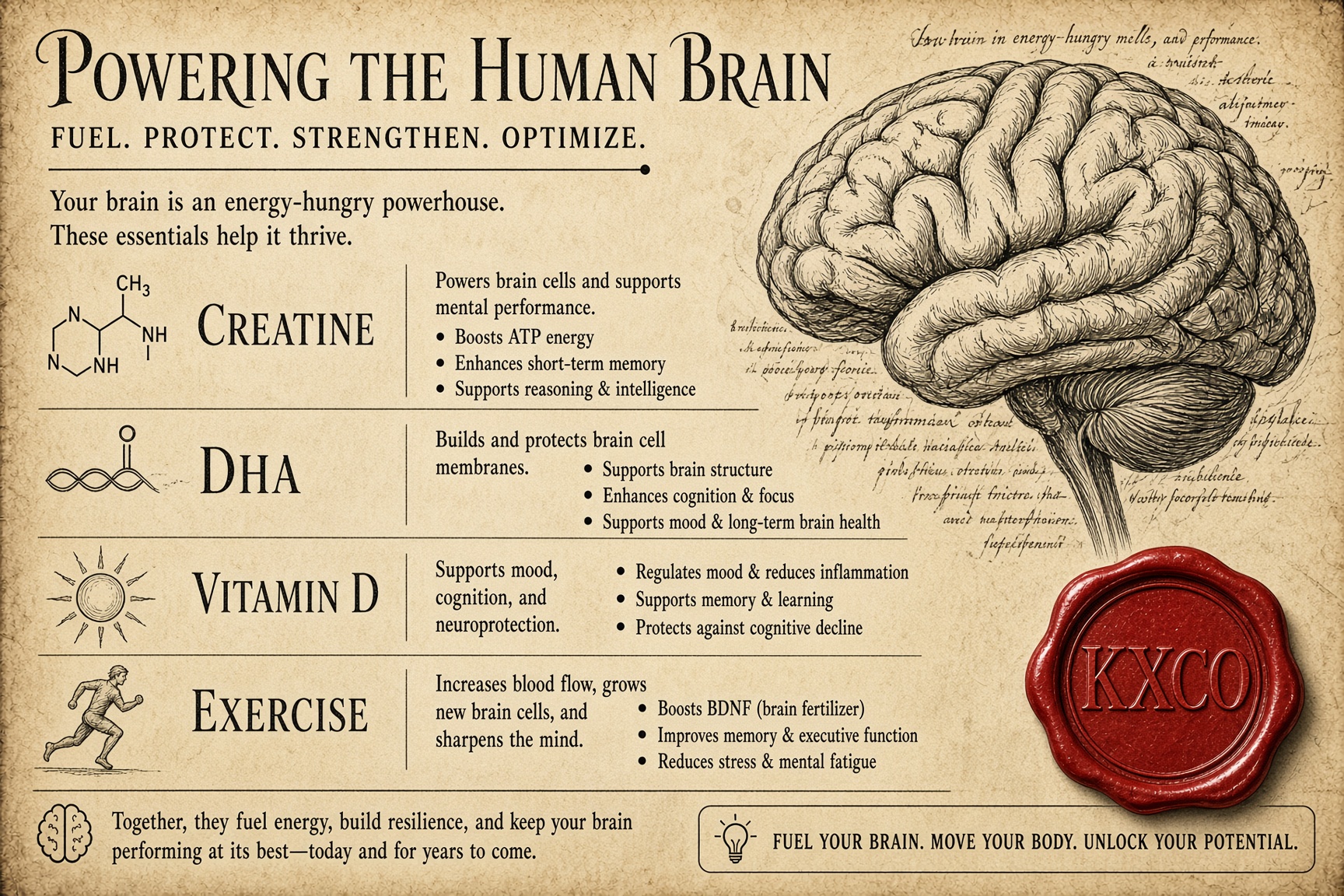
Thoughts on Thinking: Brain Essentials
Your brain runs on about 20 watts. The fastest supercomputer outruns it, but at the central published estimate the brain is about 680 times as efficient per watt as the best machine on the November 2026 Green500. It runs on four inputs most people overlook. Creatine buffers its energy, DHA builds its membranes, exercise raises its growth factors and, in older adults, enlarges the hippocampus, and low vitamin D goes with slower processing and more dementia.
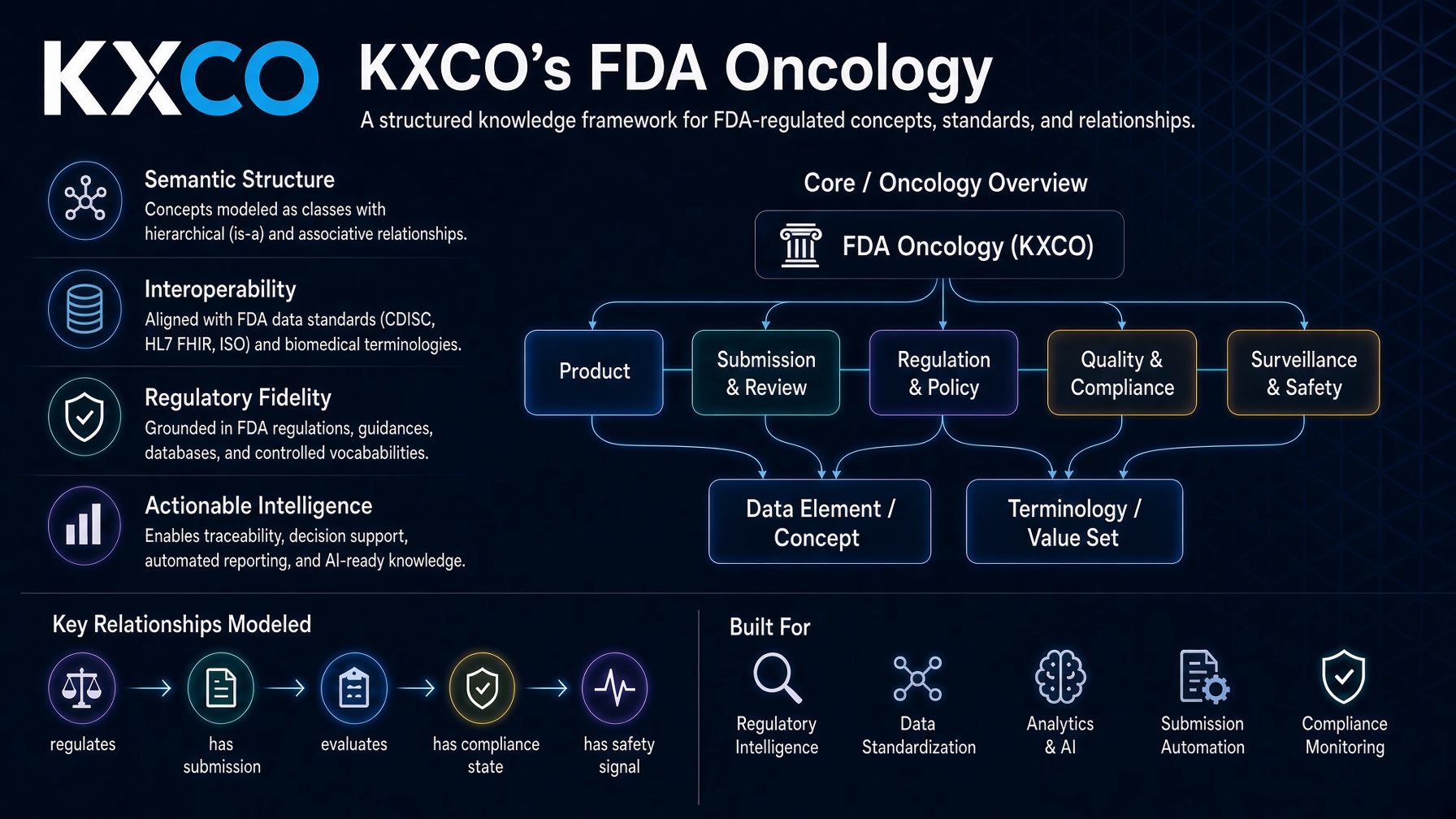
KXCO's FDA Ontology Is Two for Two on FDA Decisions
The FDA has decided two filings on KXCO's FDA board since the board began ranking them, and on my scorecard the board got both right. It ranked Inovio's INO-3107 first and the FDA approved it on 30 October; Inovio moved +149.1% net of the sector. It gave Summit's ivonescimab no call, and Summit announced the FDA's refusal on 15 November; Summit fell 16.5%. KXCO's record held the FDA's survival warning before the refusal was announced.

Quantum Computing in November 2026: The Cost of Breaking Your Keys Keeps Falling
No quantum computer can break today's public keys yet, but three new estimates and a peer-reviewed Google paper put a break at between 19,397 and 500,000 physical qubits. Quantinuum's Helios has 98 qubits and IBM's Nighthawk r2 has 120. NIST will deprecate RSA and elliptic-curve cryptography after 2030, and only about 15% of the origin servers behind Cloudflare use post-quantum key exchange. KXCO's core library, kxco-post-quantum, scores 9.8 on the OpenSSF Scorecard.
Every story, signed and delivered.
Subscribe to the kxco channel and get the headline, the AI-written key takeaways, and the chain-anchor link the moment we publish. Audio versions and per-ticker subscriptions arrive in the next iteration.