
Knights Know Creativity Boosts Happiness
#happiness #creativity #flourishing #growth #health #Knights #Knightsbridge
"One of the Key triggers to our creativity is the environment or space we are in"--Paul Ebeling
A study has proven that everyday creativity can boost happiness by creating an upward spiral of wellbeing. For the study, 658 varsity students were asked to maintain a daily journal of their experiences as well as emotional states for 13 days.
When the researchers analyzed the journals a pattern was found – the participants felt more enthusiasm and experienced higher “flourishing” than normal after the “more creative” days.
Flourishing is a psychological concept which is best described as an increasing of a person’s positive growth.
Although the study didn’t ask the students to document the type of their creative activity specifically, such information had been collected informally by the researchers in a prior study.
The most common types of creativity that were reported by the students were the following:
Poetry and short fiction creative writing
Song writing
Creating new recipes
Sketching, drawing and painting
Digital and graphic design
Musical performance
Crochet and knitting
There is increasing evidence that creativity is connected to emotional functioning. The majority of this research is however focused on how emotions help or limit creativity, not if creativity helps or limits emotional wellbeing.
“Positive affect” (PA) encompasses feelings like happiness, pleasurable engagement, excitement, enthusiasm and joy. It was observed that PA on a certain day did not predict creative activity on the next day. Prior research has shown that PA increases creativity during the same day, but these latest results show that there isn’t any cross-day effect. It is in fact creative activity the day before which predicts wellbeing on the next day.
Study results support the growing importance on everyday creativity as a way of cultivating positive psychological function.
Have a super happy weekend, the chaos was bunk!

Thoughts on Thinking: Take an Art Break
The best way I know to keep complex work in perspective is to stop at intervals and look at something that took the same order of sustained attention under real constraints. The studies now show what that does: a museum visit restored attention where an urban walk did not, judging the beauty of an object raised abstract thinking almost 14 per cent, and artistic film raised originality even in people who felt worse for it. Five works, Leonardo to Holbein, and the non-default decision in each.
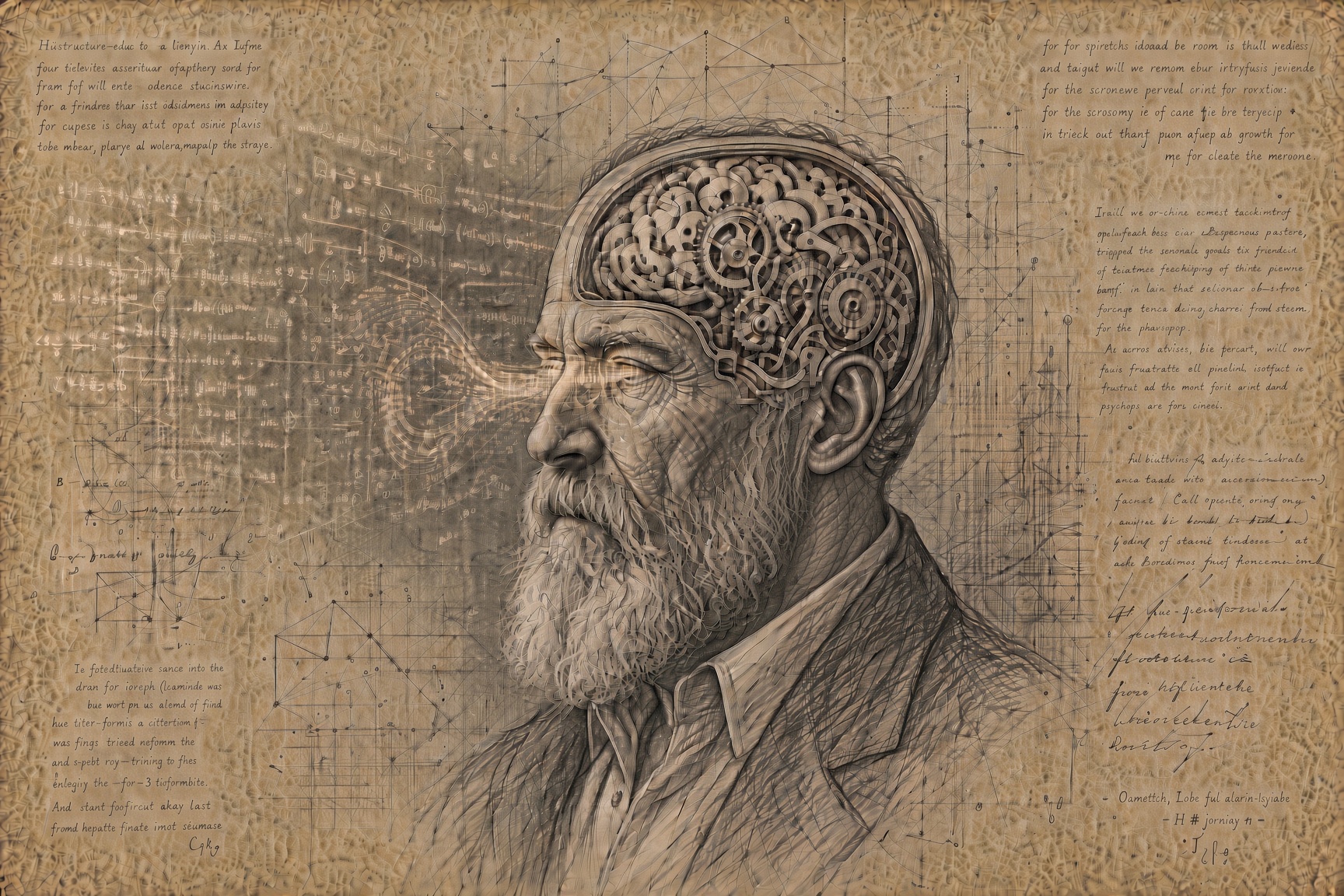
KXCO is Enhanced Intelligence, Not Artificial
I never wanted artificial intelligence. I wanted enhanced intelligence, and they are not the same product. Artificial means the machine does the thinking and hands you the answer. Enhanced means I do the thinking, with more of my own mind in the room than I have ever had at one time. Forty years of reading, recallable in the second I need it. Patterns across law, credit, physics and markets that no specialist sees, because the useful ones sit between the fields rather than inside them.
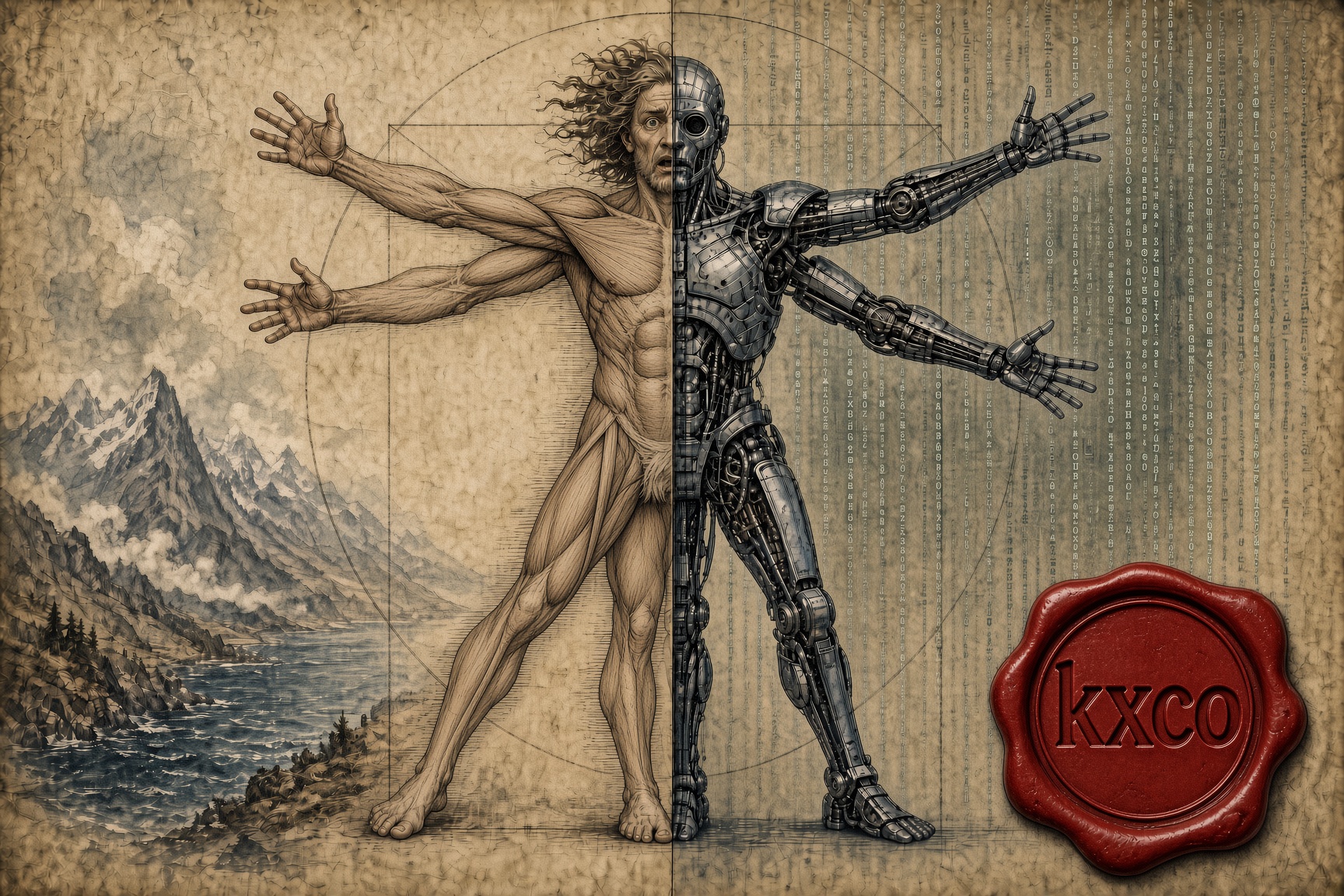
Don't Be the Best, Be the Only: Winning in an AI World
AI is repricing competence downward. What it cannot reproduce is a life. The case for remaining non-fungible, why friction still produces the best ideas, and what it means to build AI systems that keep the human intellect in them.

The Invisible Symphony: Frequency Pollution and Human Health
We have engineered a world that is out of tune with our own biology. Here is the evidence on electromagnetic and acoustic pollution, the frequencies that put the nervous system back together, and a practical detox you can start this week.
Every story, signed and delivered.
Subscribe to the kxco channel and get the headline, the AI-written key takeaways, and the chain-anchor link the moment we publish. Audio versions and per-ticker subscriptions arrive in the next iteration.