
JPMorgan Perceives Hope in Bank-Issued 'Deposit Tokens.'
A JPMorgan Chase & Co. study discovered that deposit tokens issued by banks on blockchain may become more widely used than stablecoins.
According to a study co-published with consulting firm Oliver Wyman, commercial banks can play an important role in digital money by issuing tokens. Tokens represent the same deposit claims as bank balances, but they are recorded on a blockchain and can be used for cross-border payments or on decentralized finance platforms.
"We see this as a potential evolution of the product line," said Naveen Mallela, global head of coin systems for JPMorgan's Onyx blockchain unit, in an interview. "Deposit tokens are a way for well-regulated, well-supervised banks to provide a safe form of money for DeFi innovations including decentralized exchanges and lending protocols."
For years, JPMorgan has been researching the use of blockchain. JPM Coin was launched in 2019 to move money within the bank on a private blockchain. It collaborated with Singapore's Temasek Holdings Pte and DBS Group Holdings in 2021 to create Partior, which enabled payments between financial institutions.
Mallela stated that the bank is considering a next step that would involve deposit tokens, which are still in the conceptual stage. Asked which public blockchain may be used, he said JPMorgan would "want to stay close to Ethereum as possible, given that's the chain of choice. We are open to different blockchains if we decide to launch this."
Deposit tokens do not face the same constraints as stablecoins such as Tether and USD Coins, which must be backed 1:1 by high-quality, liquid assets, according to the study. Gokce Ozcan, a partner at Oliver Wyman, believes commercial and institutional banks will be interested in pushing for deposit tokens.
Source: Bloomberg
To speak to a professional on Cryptocurrency, contact KXCO.IO.
More News
What is $FBX Private Currency?
KXCO Pay Is Live: WooCommerce Crypto Payments Straight to Your Own Wallet
KXCO Pay 1.0.0 went live on WordPress.org on 7 October 2026. It adds Bitcoin, Ether, USDT and USDC to WooCommerce, and the customer pays the merchant's own address. The plugin holds no funds and no keys: it reads the chain through public services, prices each order from CoinGecko, locks the rate and settles the order once the payment confirms. A shortcode, a block and a REST API take payment on any page. Free under the GPL, with no commission on any payment.
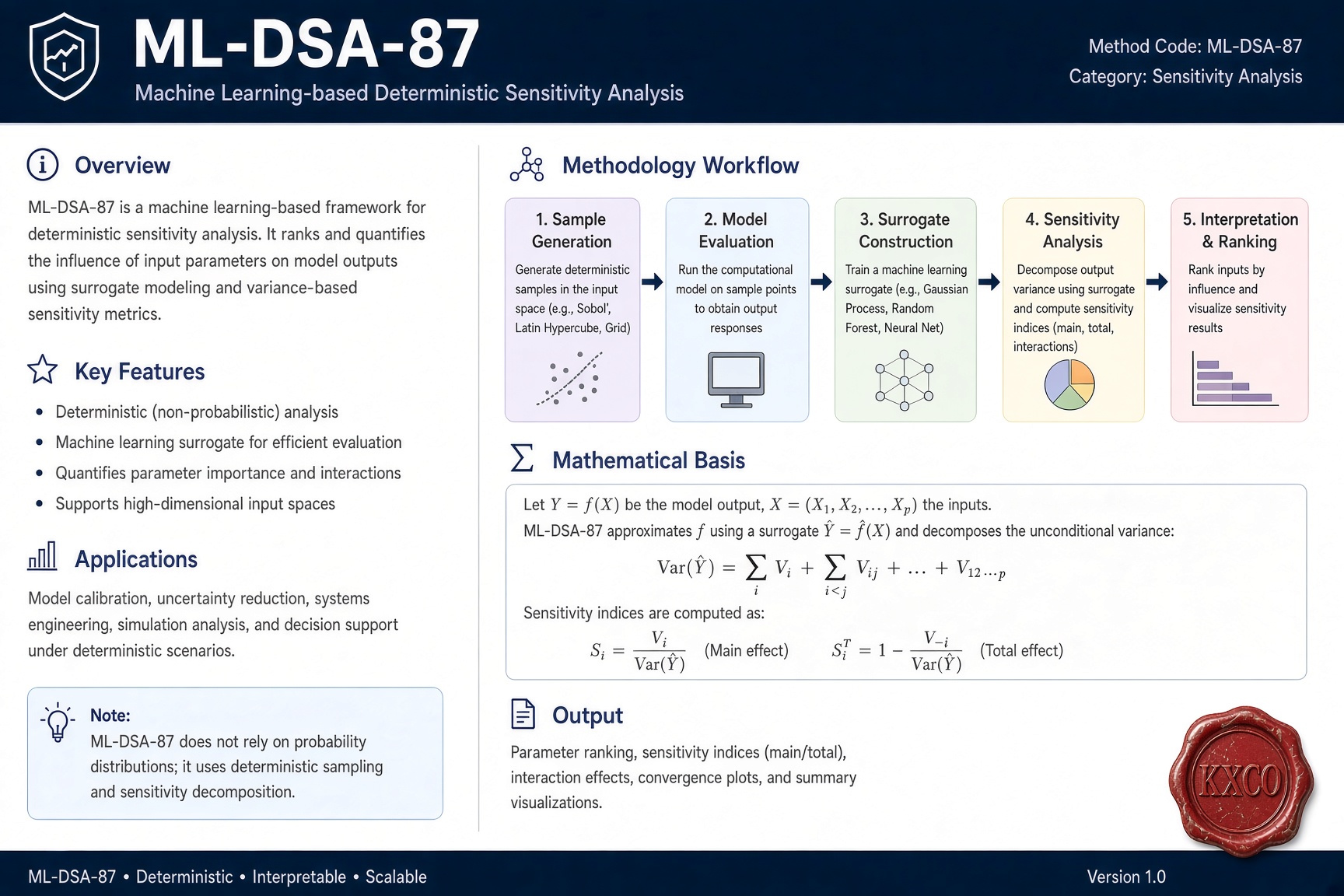
KXCO Now Verifies ML-DSA-87 in Consensus, the Signature Level Named by the NSA
On 6 October 2026 KXCO's chain began verifying ML-DSA-87 signatures as a rule of consensus, and the first ML-DSA-87 identity registered 28 seconds later. ML-DSA-87 is the category 5 level of NIST's FIPS 204, specified by the NSA for US national security systems and preferred by Australia's Information Security Manual. KXCO ships it for signing and for keys held in hardware, accepts it across its network and verifies it on chain, and anyone can check a verdict.

Digital Erasure, and Why KXCO Matters
Pew found 38 percent of 2013's web pages gone a decade later, and quantum computing will eventually let attackers forge the signatures that prove records authentic. Why durable history now depends on post-quantum cryptography, on-chain anchoring and verification that needs nobody's permission.

Your AI Agent Can Now Own a Wallet — and Keep It
The wallet has always assumed a person is holding the phone. Autonomous AI agents break that assumption. Shayne Heffernan on the self-custodial, quantum-secure wallet built so a machine can own value — and the one line where regulation begins.
Every story, signed and delivered.
Subscribe to the kxco channel and get the headline, the AI-written key takeaways, and the chain-anchor link the moment we publish. Audio versions and per-ticker subscriptions arrive in the next iteration.