
It is Just the Beginning for Electric vehicles
Electric vehicles, or EVs, are no longer a novelty. In fact, they are becoming increasingly dominant in the automotive industry. The rise of EVs is fueled by a number of factors, including advances in battery technology, increased environmental awareness, and government regulations that incentivize their use.
One of the main advantages of EVs is their reduced environmental impact. Traditional gas-powered vehicles emit harmful pollutants into the atmosphere, contributing to climate change and poor air quality. In contrast, EVs produce no tailpipe emissions, making them a much cleaner option for transportation. This has led to many countries, including the United States, to set ambitious goals for reducing carbon emissions from transportation, which has further encouraged the adoption of EVs.
Another factor driving the dominance of EVs is the rapid advancement in battery technology. As battery technology has improved, EVs have become more practical and reliable, with longer driving ranges and shorter charging times. This has made them a more attractive option for consumers who may have been hesitant to switch to electric in the past.
Additionally, government regulations and incentives have played a significant role in promoting the growth of EVs. Many countries have implemented policies to encourage the use of EVs, such as tax credits and subsidies, dedicated charging infrastructure, and the establishment of low-emissions zones in urban areas. These policies have helped to reduce the cost of EVs and make them more accessible to consumers.
As a result of these factors, the market share of EVs has been steadily increasing. In 2020, global sales of EVs reached a record high of 3.24 million units, despite the challenges posed by the COVID-19 pandemic. This represents a 43% increase from 2019 and shows that the trend towards electrification is continuing to gain momentum.
However, there are still challenges that need to be addressed before EVs can fully dominate the automotive industry. One major challenge is the availability of charging infrastructure, particularly in rural areas where charging stations are less common. Additionally, the high upfront cost of EVs can be a barrier for some consumers, although this is likely to decrease as battery technology continues to improve and economies of scale are achieved.
In conclusion, the dominance of EVs is an inevitable trend that is driven by a combination of technological advancements, environmental awareness, and government policies. While there are still obstacles to overcome, the growth of the EV market is expected to continue, with significant implications for the automotive industry and the environment as a whole.

AI is the Neat Handwriting of the Illiterate
A model in the hands of someone who has read the filing and walked the plant is a clerk. The same model, speaking for someone who has done neither, is a disguise. On AI slop, phantom citations and factslop, why finish stopped being evidence of work, and the containment layer KXCO built so a machine cannot speak as the institution until a source is attached.
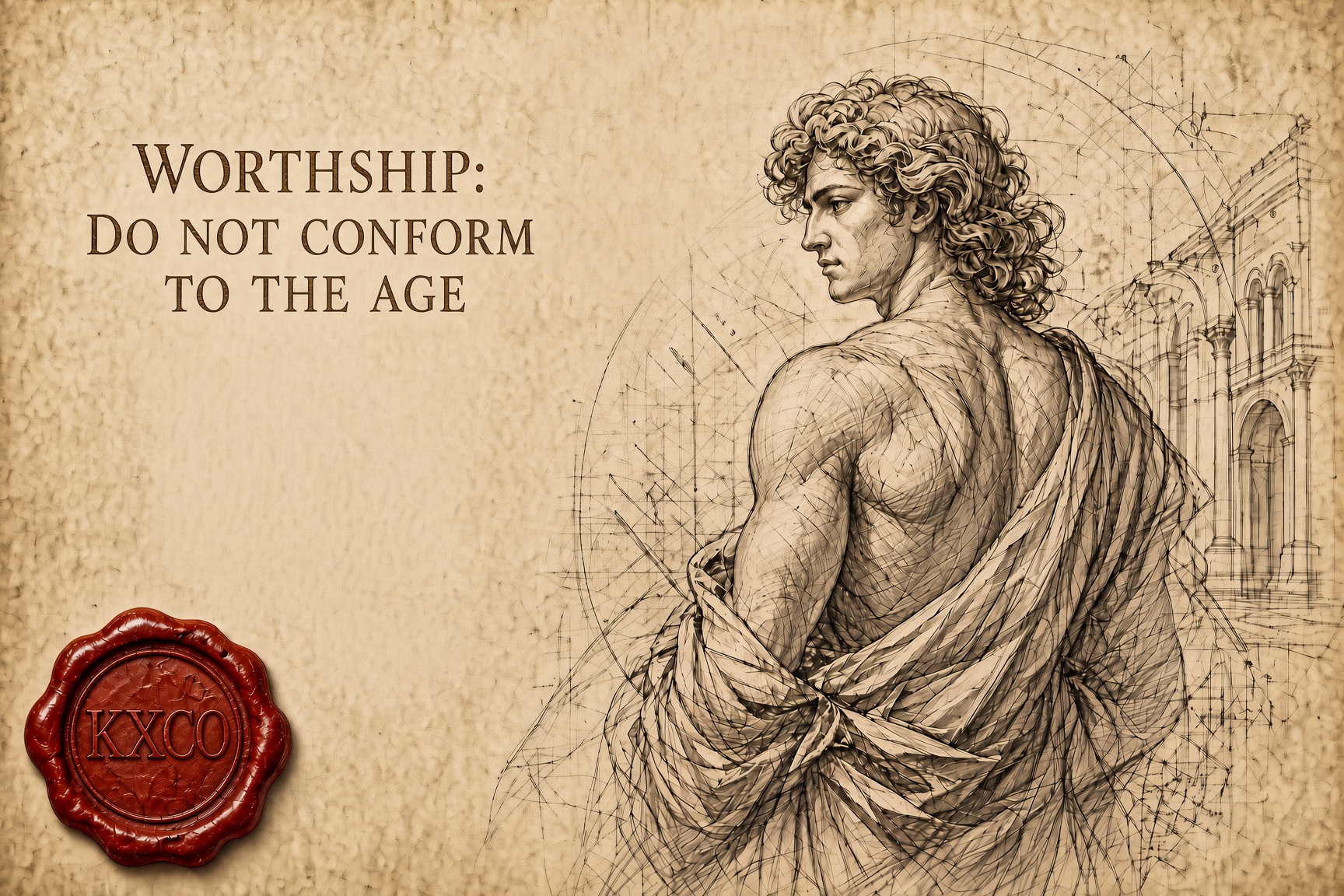
Worthship: Do Not Conform to the Age
Worthship is the older English word for worship, and it means to ascribe worth. Bishop Robert Barron preached Romans 12 on 30 August. This essay follows the text into the prison letters, and puts two questions to a graph: do the four readings of that Sunday agree, and was Paul free or in chains when he wrote about despair?
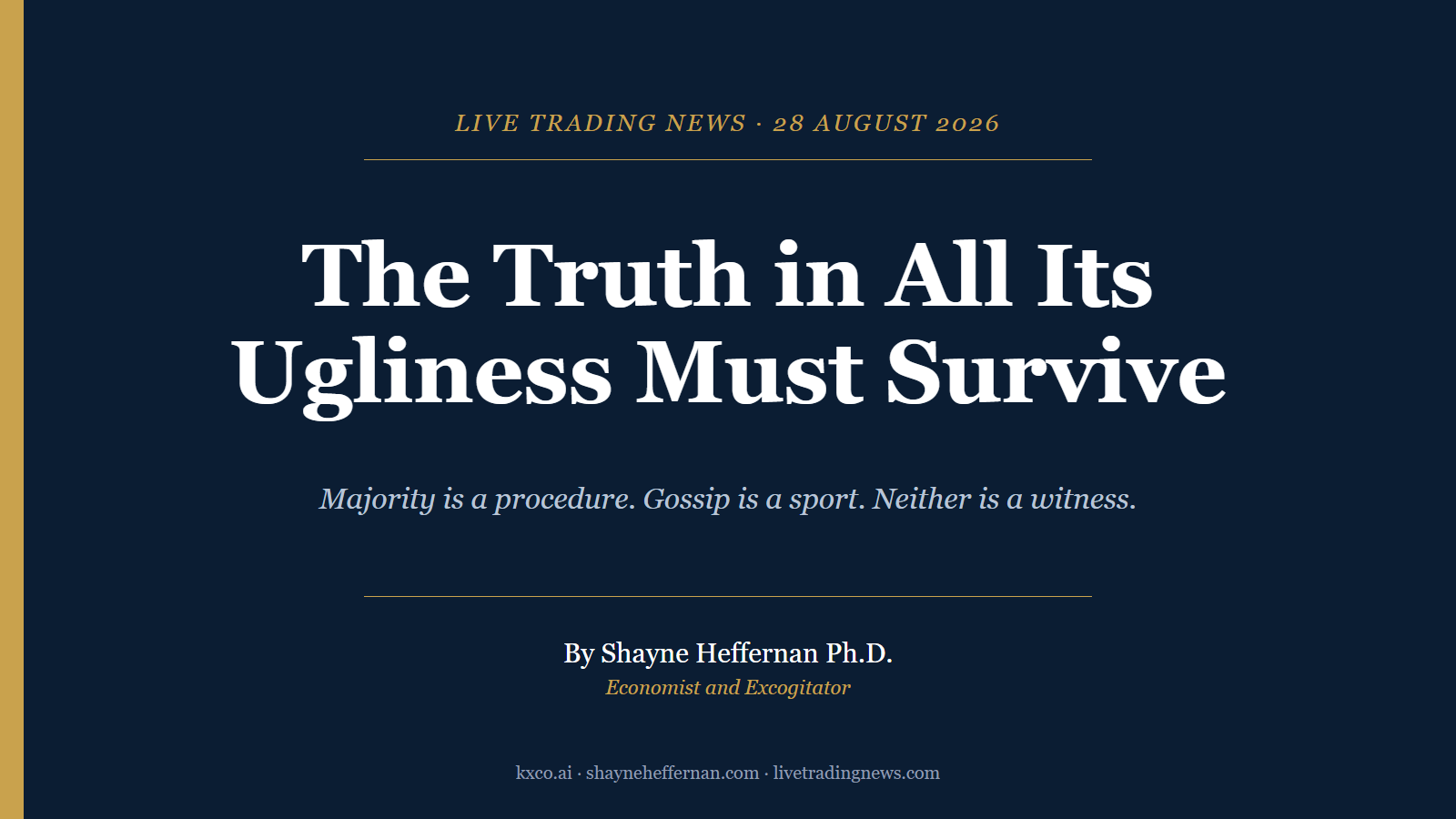
The Truth in All Its Ugliness Must Survive
A majority vote does not determine the truth. Consensus is a mood, gossip is a sport, and a model will write the pretty version for free. Why the ugly number has to survive, why a record beats a dashboard, and what KXCO was built to keep standing when the room changes its mind.

Don't Be the Best, Be the Only: Winning in an AI World
AI is repricing competence downward. What it cannot reproduce is a life. The case for remaining non-fungible, why friction still produces the best ideas, and what it means to build AI systems that keep the human intellect in them.
Every story, signed and delivered.
Subscribe to the kxco channel and get the headline, the AI-written key takeaways, and the chain-anchor link the moment we publish. Audio versions and per-ticker subscriptions arrive in the next iteration.