
Investing in the Inflation Scenario
#inflation #investors #portfolio #money
"For consumers, inflation can mean stretching a static paycheck further, but for investors, inflation can mean continued profit as they add to their retirement portfolio"-- Paul Ebeling
Inflation is defined as a sustained increase in the price of goods and services. In an inflationary environment, a gallon of milk that once cost $3 may now cost $4.
Over time, inflation erodes the value of a nation’s currency. There are lots of factors that influence inflation and arguments about its root cause.
About 58% of investors surveyed by UBS said inflation has personally impacted them in the past 6 months. A total of 61% believed inflation would somewhat impact their portfolios if they did not take action.
Several asset classes perform well in inflationary environments.
Tangible assets, like real estate and commodities, have historically been seen as inflation hedges.
Some specialized securities can maintain a portfolio's buying power including certain sector stocks, inflation-indexed bonds, and securitized debt.
Inflation-sensitive investments are accessed in a variety of ways as both direct and indirect investments.
Stocks have a reasonable chance of keeping pace with inflation but not all equities are created equal. For example, high-dividend-paying stocks tend to get hammered like fixed-rate bonds in inflationary times. Investors should focus on companies that can pass their rising product costs to customers, such as those in the consumer staples sector.
Commodities include items like gold, Crude Oil, cotton, soybeans, and orange juice. Like gold, the price of Crude Oil moves with inflation. This cost increase flows through to the price of gasoline and then to the price of every consumer good transported by or produced. Agricultural produce and raw materials are affected as well as automobiles. Since modern society cannot function without fuel to move vehicles, Crude Oil has a strong appeal to investors when prices are rising.
When a currency is having problems, as it does when inflation climbs and decreases its buying power investors turn to tangible assets.
For centuries, the leading haven has been gold and, to a lesser extent, other precious metals. Investors tend to go for the gold during inflationary times, causing its price to rise on global markets.
Gold can also be purchased directly or indirectly. You can put a box of bullion or coins under your bed if a direct purchase suits your fancy, or you can invest in the stock of a company involved in the gold mining business. You can also opt to invest in a mutual fund or exchange traded fund (ETF) that specializes in gold.
Bonds: Investing in bonds may seem counterintuitive as inflation is deadly to any fixed-income instrument because it often causes interest rates to rise. However, to overcome this obstacle, investors can purchase inflation-indexed bonds. In the United States, Treasury Inflation-Protected Securities (TIPS) are a popular option. pegged to the Consumer Price Index.
Real estate is a popular choice because rising prices increase the resale value of the property over time, and because real estate can also be used to generate rental income. Just as the value of the property rises with inflation, the amount tenants pay in rent can increase over time.
These increases let the owner generate income through an investment property and helps them keep pace with the general rise in prices across the economy. Real estate investment includes direct ownership of property and indirect investment in securities, like a real estate investment trust (REIT).
The Big Q: Is crypto good in inflation?
The Big A: Bitcoin backers praise the leading cryptocurrency as an inflation-proof "store of value." They contend that because the number of coins that can ever be issued is fixed, Bitcoin is not subject to the kind of manipulation practiced by the Fed.
The primary benefit of investing during inflation, of course, is to preserve your portfolio's buying power. The 2nd reason is that you want to keep your nest egg growing. It can also lead you to diversify, which is always worth considering. Spreading the risk across a variety of holdings is a time-honored method of portfolio construction that is as applicable to inflation-fighting strategies as it is to asset-growth strategies.
Have a healthy weekend, Keep the Faith!

KXCO is Enhanced Intelligence, Not Artificial
I never wanted artificial intelligence. I wanted enhanced intelligence, and they are not the same product. Artificial means the machine does the thinking and hands you the answer. Enhanced means I do the thinking, with more of my own mind in the room than I have ever had at one time. Forty years of reading, recallable in the second I need it. Patterns across law, credit, physics and markets that no specialist sees, because the useful ones sit between the fields rather than inside them.
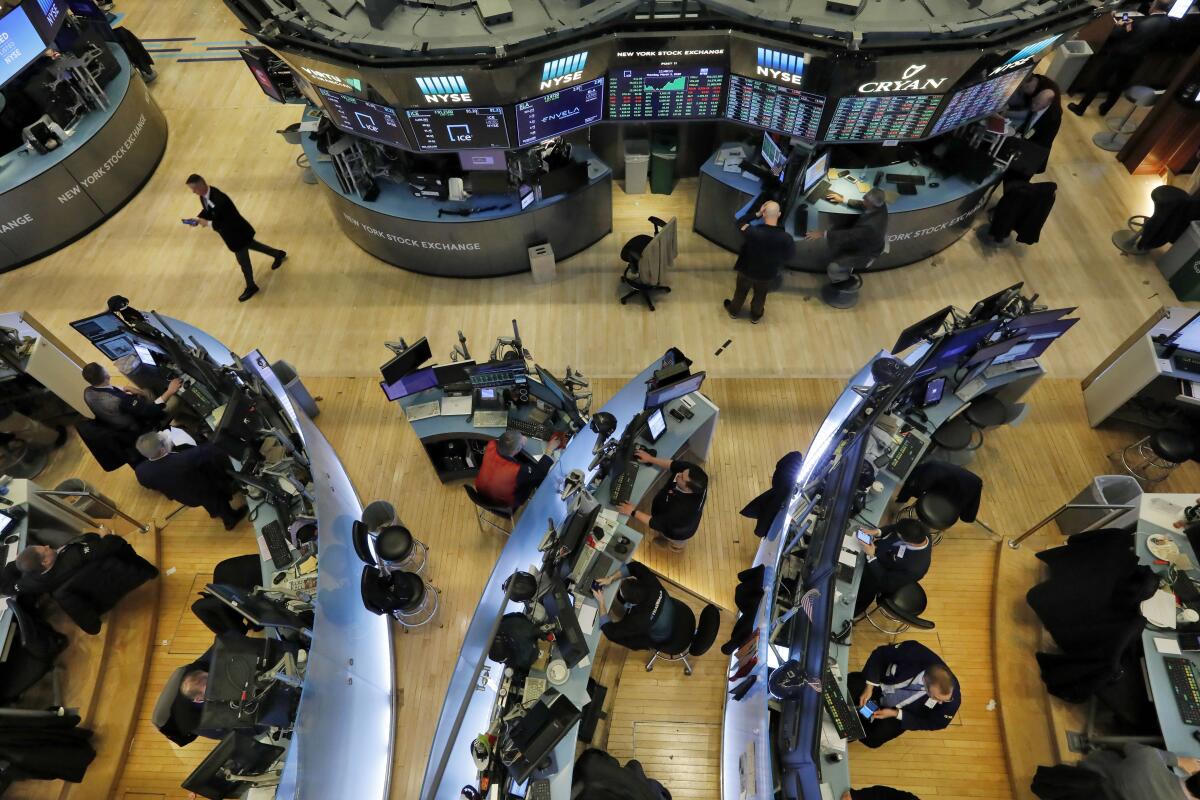
Earnings, the Economic Calendar and Trading Strategies: September 8 to 12, 2026
A four-session week decides more than a print. Oracle reports after the close on Thursday 10 September, PPI lands that morning and CPI on Friday, with the ECB in between and the FOMC eight days out. Oracle is the last hyperscaler of the cycle and the widest value gap on the KXCO Ontology Live Analyst Outlook layer: a $457bn market value under a $638bn contracted backlog. Here is the calendar, the graph behind it, the levels and the book.

Kampot White Pepper: The Health Benefits
Kampot white pepper is the world's most expensive white pepper, and the health case behind it is better documented than most. A cited look at the piperine evidence on nutrient absorption, digestion, inflammation and metabolism, plus the protected origin economics that set the price.
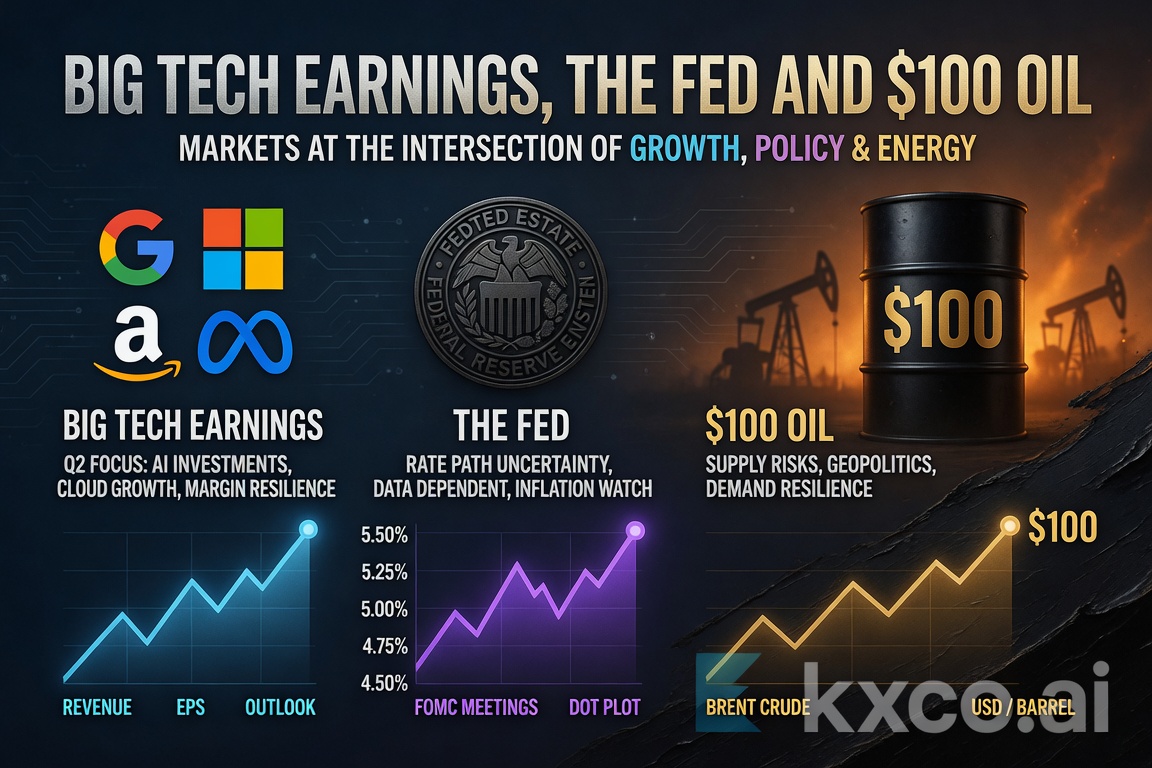
Big Tech Earnings, the Fed and $100 Oil. Trading Strategies for Every Sector
Microsoft, Meta, Apple and Amazon report, the Fed decides, and oil sits above $100. Shayne Heffernan on the week ahead, with the full economic calendar and a trading strategy for big tech, AI, quantum, gold, silver, FX and Bitcoin.
Every story, signed and delivered.
Subscribe to the kxco channel and get the headline, the AI-written key takeaways, and the chain-anchor link the moment we publish. Audio versions and per-ticker subscriptions arrive in the next iteration.