
Inside the Bitcoin Rally
Invented 12 years ago by an unknown person or group of people under the name Satoshi Nakamoto, bitcoin started trading in 2009 as a crypto asset based on a decentralized blockchain-based network.
The system is aimed at providing secure peer-to-peer transactions that are not subject to central-bank policies or regulations.
In 2017, bitcoin’s first notable surge to $20,000 brought the cryptocurrency worldwide fame. Shortly after that, it collapsed, losing nearly 80 percent of its value over the following months, before enjoying its current resurgence.
Bitcoin’s impressive rally has been fueled by signs it is gaining acceptance among mainstream investors and companies.
Earlier this month, Tesla revealed that it had made a $1.5 billion investment into the cryptocurrency.
According to December’s report from the World Economic Forum, Germany’s biggest bank has already created a Deutsche Bank Digital Asset Custody prototype.
The model is reportedly aimed at developing “a fully integrated custody platform for institutional clients and their digital assets, providing seamless connectivity to the broader cryptocurrency ecosystem.”
The report, which remained off the media radar until it was highlighted by CoinDesk on Saturday, reveals that Deutsche Bank is preparing a trading and token issuance platform.
The step will reportedly combine digital assets with traditional banking services, and will help to manage an array of digital assets and fiat holdings in one simple-to-use platform.
The proposed platform will be launched on a step-by-step basis. First, the world’s 21st largest bank will provide custody to “institutional investors, such as asset managers, wealth managers/family offices, corporates and digital funds.”
Then, the lender will add an opportunity for holding crypto to allow buying and selling via brokers and exchanges.
After that, Deutsche Bank is planning to add such services as tax accounting and staking tokens on blockchain platforms. At the final stage, the bank’s clientele will be introduced to services for trading and token issuance.
According to the report, Deutsche “has completed its proof of concept and is aiming for a minimum viable product in 2021 while exploring global client interest for a pilot initiative.”
Bank of New York Mellon, the world’s largest custodian bank and the US’ oldest, said it would be providing its clientele with an opportunity to store bitcoin and other cryptocurrencies.
US asset manager BlackRock and payments company Square have also announced plans to back digital currencies, with credit card major Mastercard announcing it would support the use of some cryptocurrencies on its network as earlier as this year.
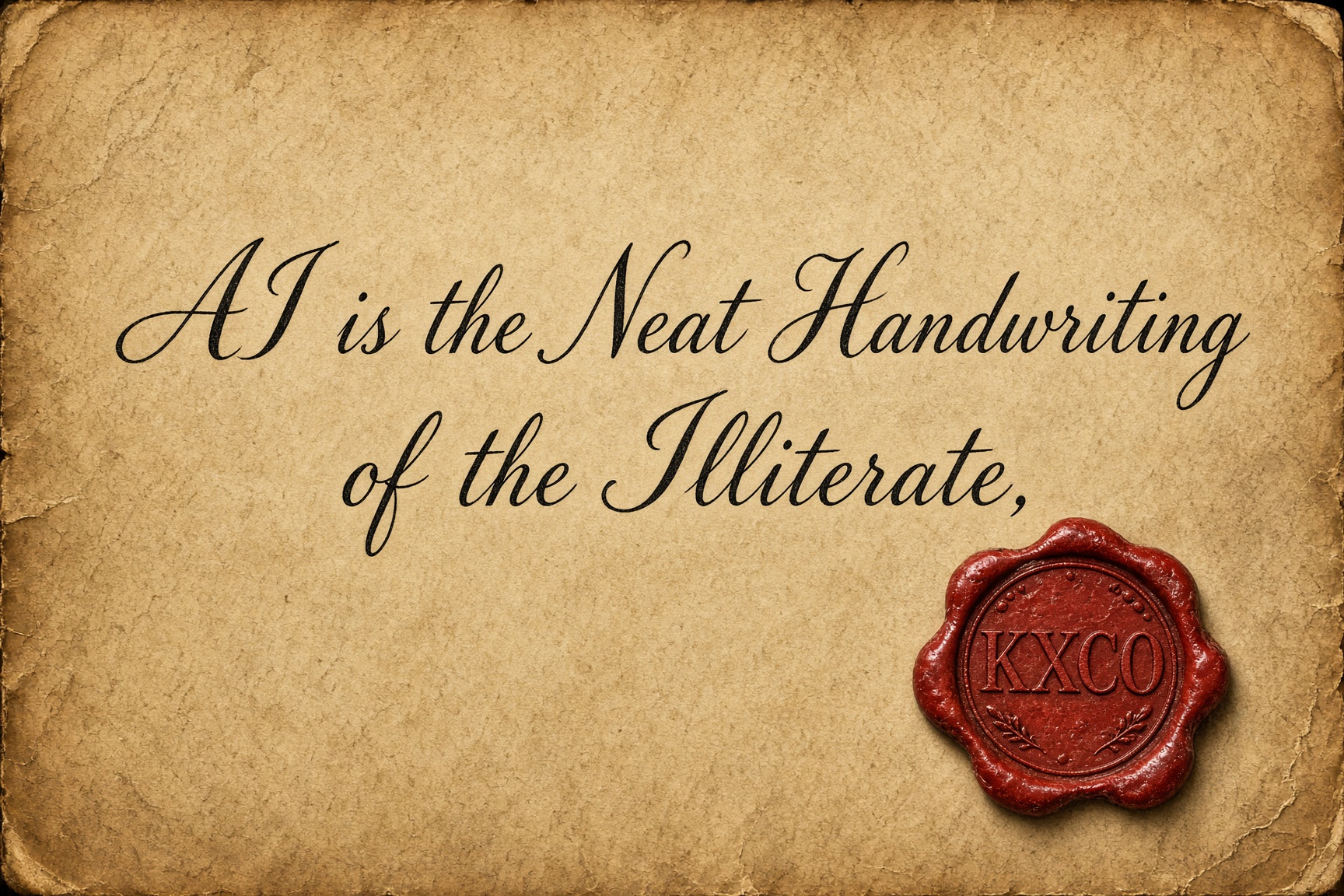
AI is the Neat Handwriting of the Illiterate
A model in the hands of someone who has read the filing and walked the plant is a clerk. The same model, speaking for someone who has done neither, is a disguise. On AI slop, phantom citations and factslop, why finish stopped being evidence of work, and the containment layer KXCO built so a machine cannot speak as the institution until a source is attached.
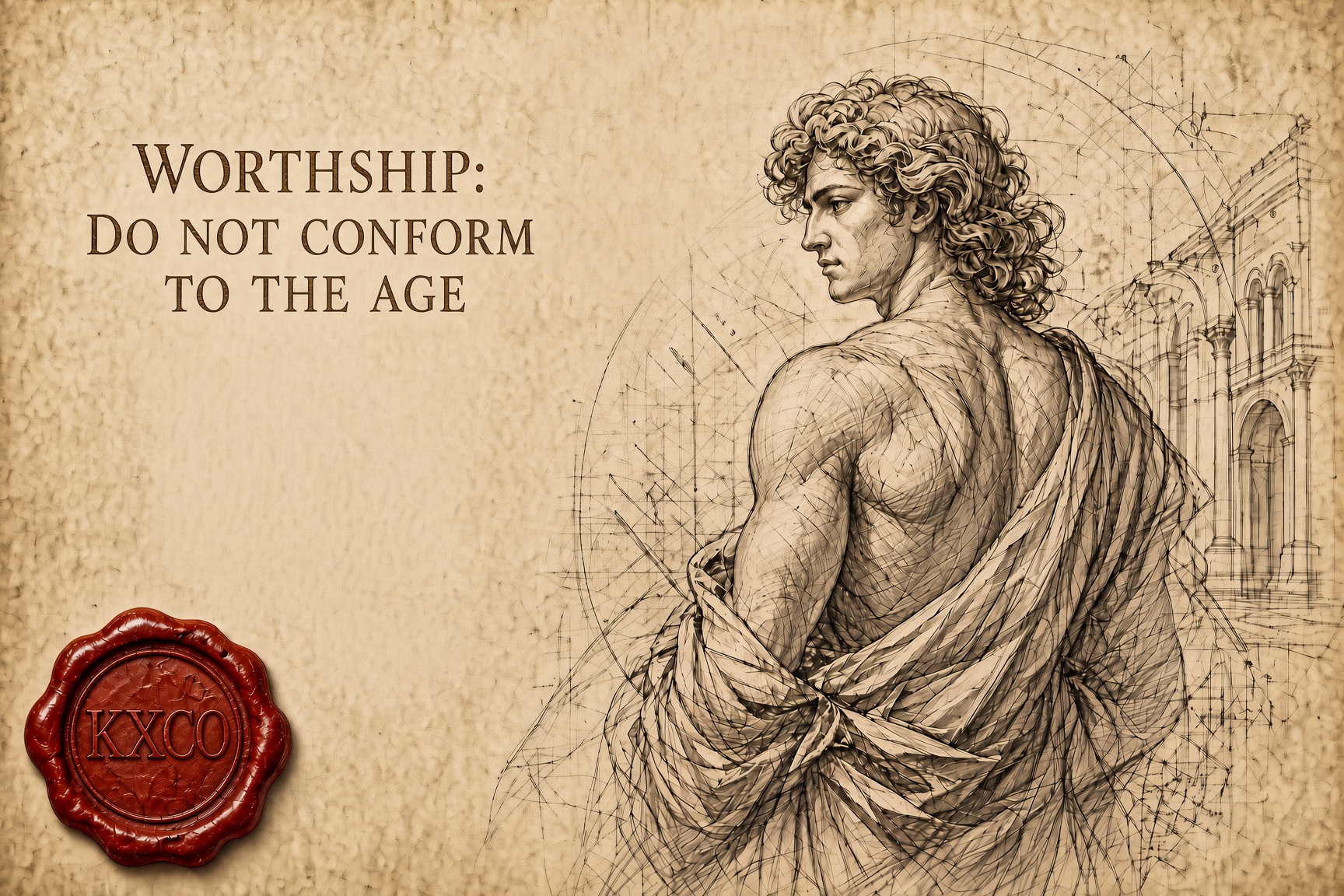
Worthship: Do Not Conform to the Age
Worthship is the older English word for worship, and it means to ascribe worth. Bishop Robert Barron preached Romans 12 on 30 August. This essay follows the text into the prison letters, and puts two questions to a graph: do the four readings of that Sunday agree, and was Paul free or in chains when he wrote about despair?
The Truth in All Its Ugliness Must Survive
A majority vote does not determine the truth. Consensus is a mood, gossip is a sport, and a model will write the pretty version for free. Why the ugly number has to survive, why a record beats a dashboard, and what KXCO was built to keep standing when the room changes its mind.
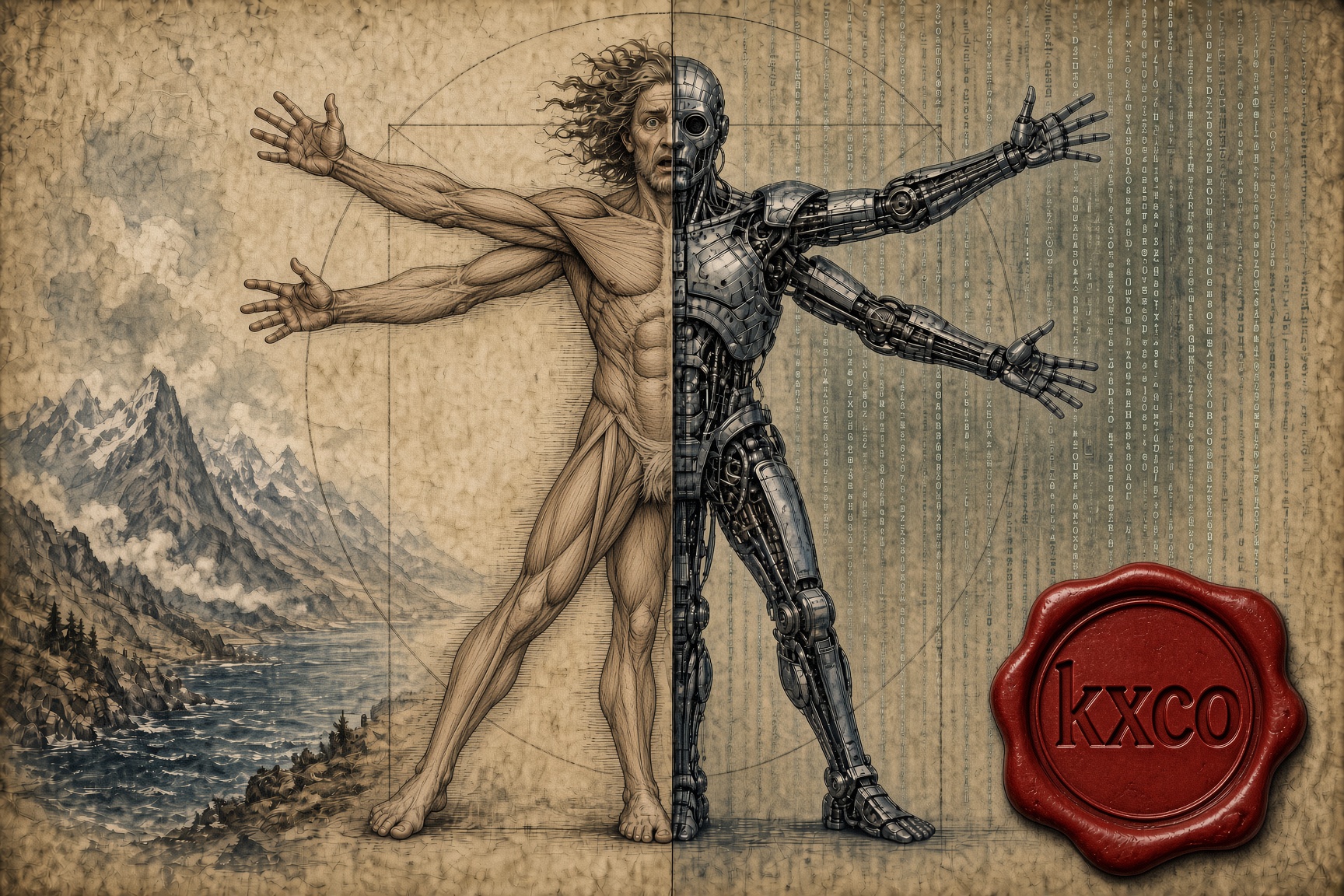
Don't Be the Best, Be the Only: Winning in an AI World
AI is repricing competence downward. What it cannot reproduce is a life. The case for remaining non-fungible, why friction still produces the best ideas, and what it means to build AI systems that keep the human intellect in them.
Every story, signed and delivered.
Subscribe to the kxco channel and get the headline, the AI-written key takeaways, and the chain-anchor link the moment we publish. Audio versions and per-ticker subscriptions arrive in the next iteration.