
Health: Sunshine Boosts Our Immune System
#sun #sunshine #immune #health #stress
"Vitamin D is Key for our immune system, and with consistent exposure to sunlight, we help strengthen it. A healthy immune system can help reduce the risk of illness, infections, some cancers, and mortality after surgery"-- Paul Ebeling
A study that followed 30,000 Swedish women revealed that those who spent more time in the Sun lived 6 months to 2rs longer than those with less Sun exposure. More research needs to be done in this area, but it’s something scientists are continuing to study.
But, a little Sunshine can go a long way and too much is harmful for our skin. Depending on the shade of your skin, scientists estimate your body can produce vitamin D in about 5 to 30 mins in the Sun. Melatonin lowers stress reactivity and being outside will help your body naturally regulate melatonin, which can help reduce your stress level.
Wearing sunscreen (most is toxic you know, yes?), you may not produce as much vitamin D. If you are outside for some much-needed vitamin D, careful not to expose bare skin longer than 5 to 30 mins.
https://youtu.be/z7JOK_RZrnk
Have a healthy, happy weekend, Keep the Faith!
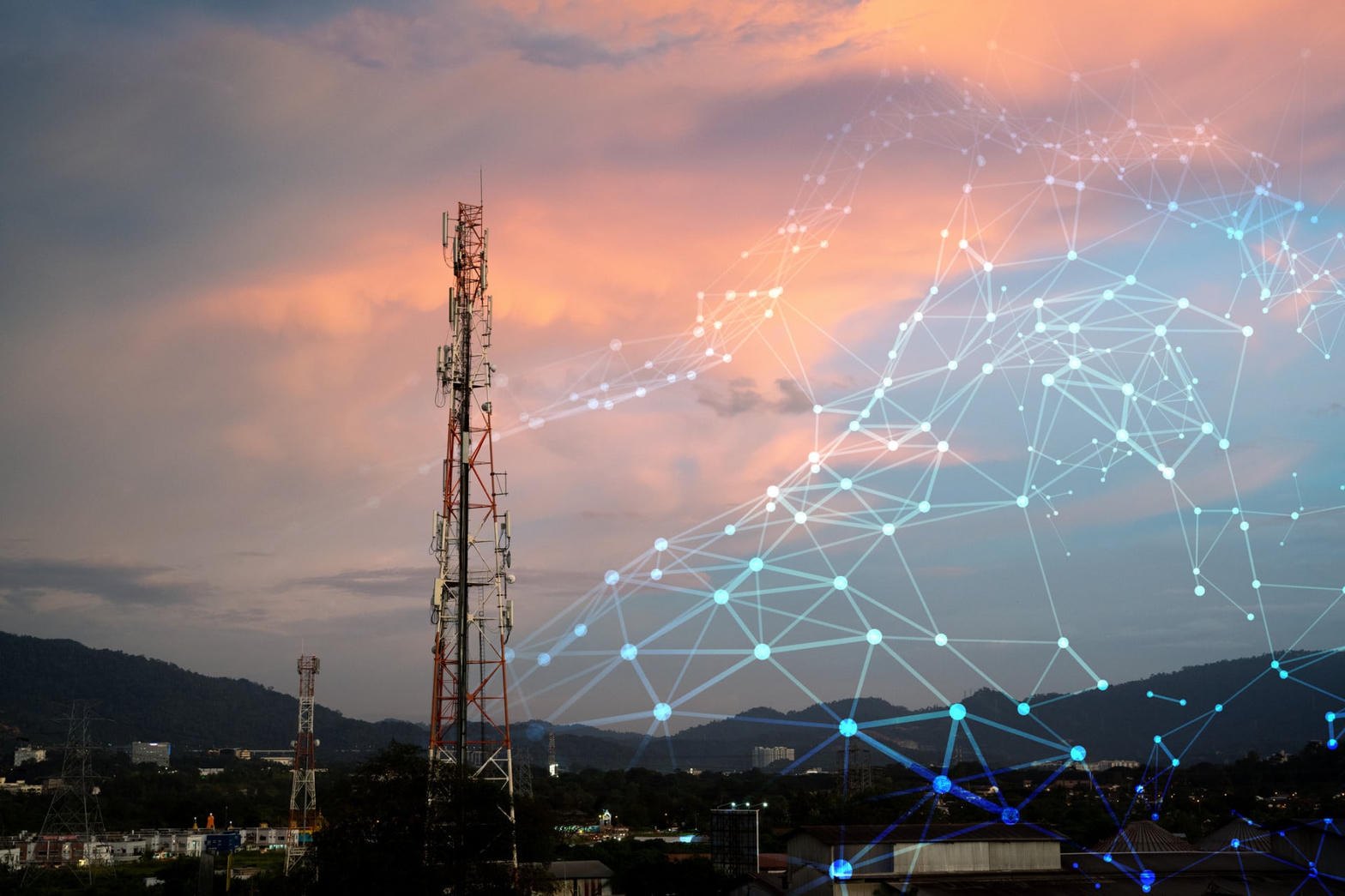
The Invisible Symphony: Frequency Pollution and Human Health
We have engineered a world that is out of tune with our own biology. Here is the evidence on electromagnetic and acoustic pollution, the frequencies that put the nervous system back together, and a practical detox you can start this week.
Biohacking: The Science of Optimizing Longevity
An evidence-led, optimistic tour of biohacking: what it is, why the science is sound, and how the movement is converging with clinical longevity medicine of the kind practised at Bangkok's Target150.
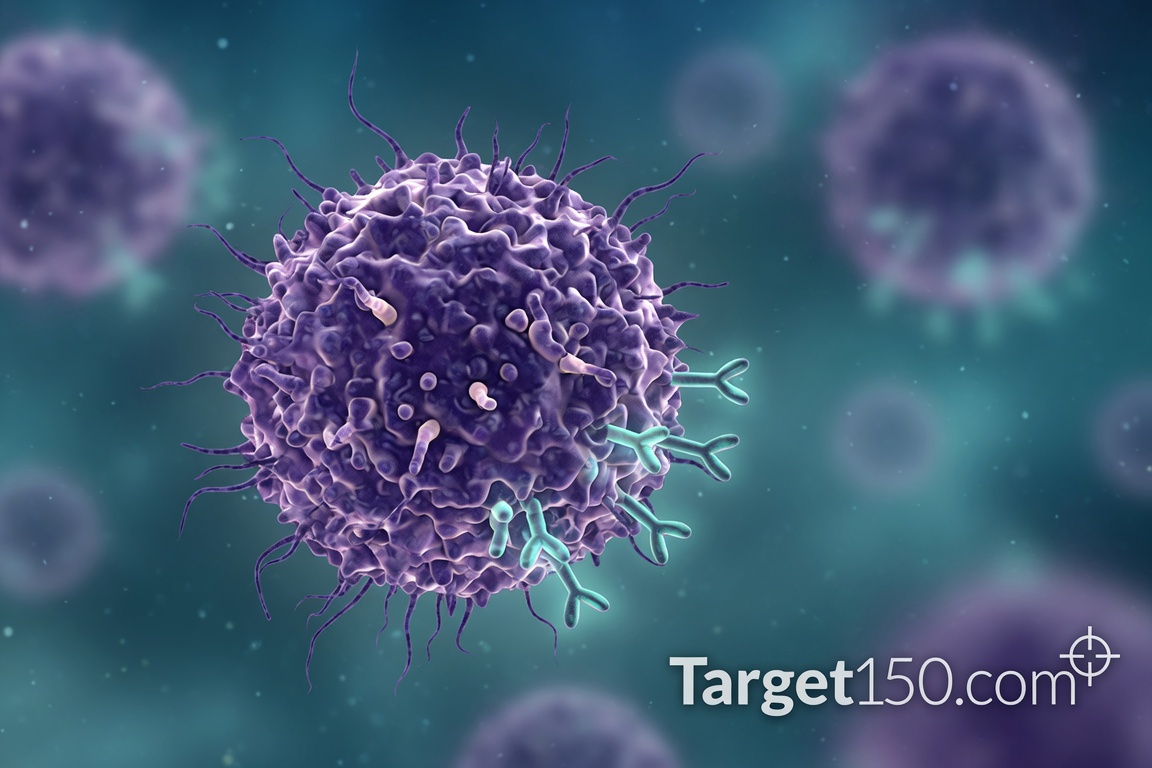
NK Cells: Powerful Cancer Fighters
Natural killer (NK) cells are the immune system’s first line of defense against cancer. This 2026 guide covers NK cell biology, how they destroy tumors, the latest CAR-NK and memory-like breakthroughs from Dana-Farber, MIT, Yale and McGill, and how to support your own NK cell function.
Bombardier’s Global 8000
Every story, signed and delivered.
Subscribe to the kxco channel and get the headline, the AI-written key takeaways, and the chain-anchor link the moment we publish. Audio versions and per-ticker subscriptions arrive in the next iteration.