
Health: Preservatives in Food Degrade Our Immune System
#health #FDA #food #packaging #perservatives #chemicals #immune #system
"A super eating plan consisting of a range of vitamins and minerals, combined with healthy lifestyle factors like adequate sleep and exercise and low stress, most effectively primes our body to fight infection and disease"--Paul Ebeling
Research has found that a food preservative made use of for prolonging the shelf life of more than 1,000 well known processed foods can be harmful to our immune system.
Researchers made use of data from ToxCast, the EPA’s Toxicity Forecaster to evaluate the health hazards of some of the most common food additive chemicals, and also PFAS, the “forever chemicals”, which have the ability to migrate from product packaging to food.
An analysis of data from ToxCast revealed that the preservative TBHQ (tert-butylhydroquinone) has been found in animal tests as well as in vitro tests to be harmful to the immune system. TBHQ is a pervasive preservative in processed foods and has been used for many years serving no purpose besides increasing the shelf life of a product.
Making use of the ToxCast data, all available research was analyzed that showed how PFAS migrate from processing equipment or packaging materials to food. Tests carried out in Y 2017 revealed that fast-food chains made use of food wrappers, boxes and bags with highly fluorinated chemical coatings.
Epidemiological studies have found that PFAS suppress immune function and decrease vaccine efficacy. Recent studies have also found an association between high PFAS blood levels and Covid-19 disease severity.
Harmful chemicals are often legally included in packaged foods since the FDA regularly permits food manufacturers to decide which chemicals are safe. The latest science on the health harms of additives are not taken into consideration by the FDA and their approach to the regulation of food additives that are legally allowed in processed foods made in the US is outdated. The FDA approved additives such as TBHQ many yrs ago, and they don’t consider new research to reevaluate food chemical safety.
Ingredient labels should be carefully read as processed foods can be produced without including these potentially harmful ingredients. The ingredient label sometimes lists TBHQ, but not always. If it has been added to the product during the manufacturing process, it will be listed, but not if it’s been used in the packaging process, in which case it may migrate to food.
Eat healthy, Be healthy, Live lively longer

KXCO Three for Three on FDA Decisions
The FDA has ruled on three drugs on KXCO's FDA board since we set our model books in October 2026, and all three are wins for the books. They held INO-3107, and the FDA approved it on 30 October. They held neither ivonescimab nor deramiocel, and the FDA refused both. Per the books' public ledger and Yahoo Finance closes, from 14 October to 20 November 2026, Book 1 rose 0.9% and Book 2 rose 2.1%, while the S&P 500 fell 10.5%, the Nasdaq 15.3%, the Dow 6.7% and XBI 4.5%.
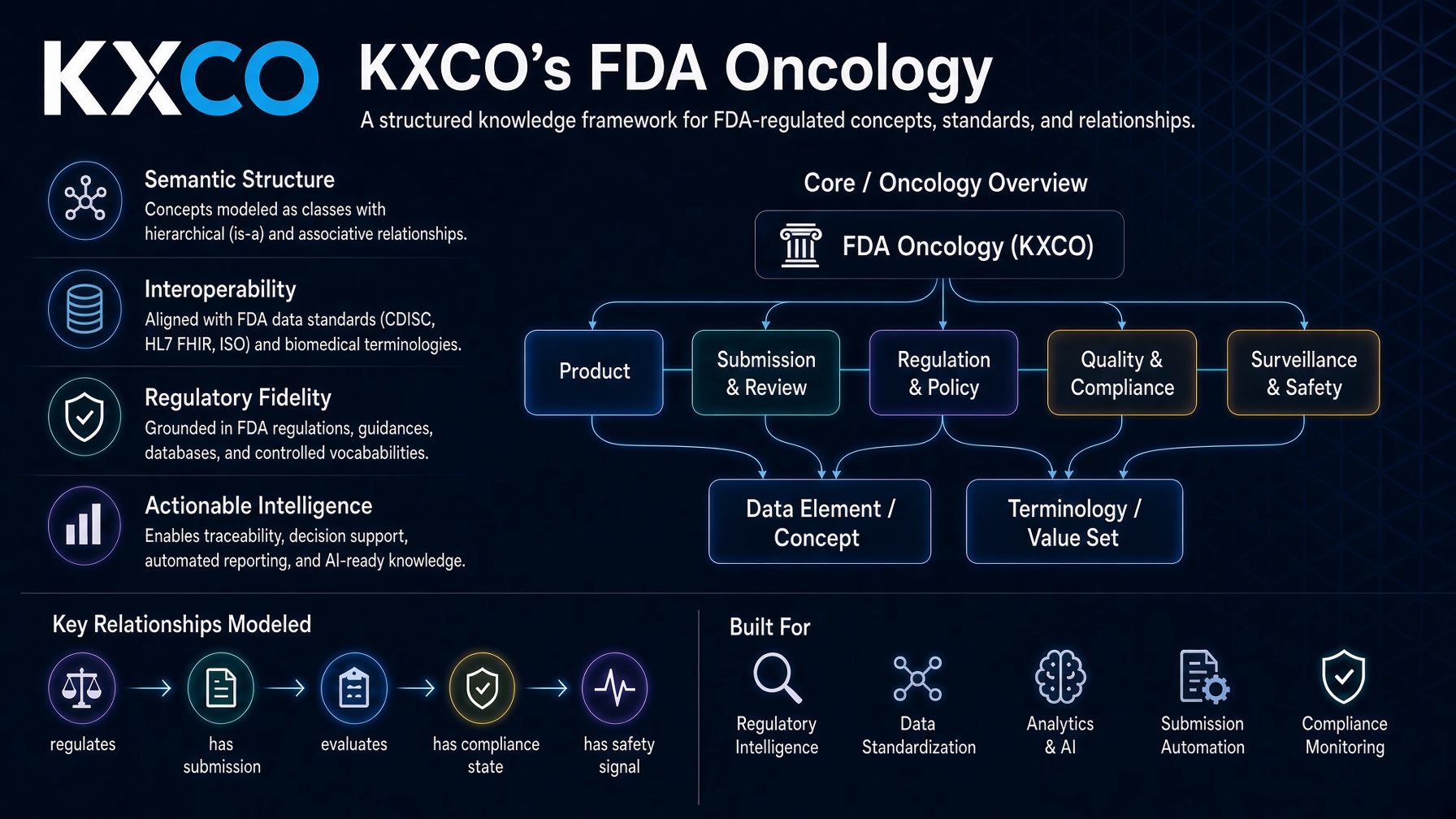
KXCO's FDA Ontology Is Two for Two on FDA Decisions
The FDA has decided two filings on KXCO's FDA board since the board began ranking them, and on my scorecard the board got both right. It ranked Inovio's INO-3107 first and the FDA approved it on 30 October; Inovio moved +149.1% net of the sector. It gave Summit's ivonescimab no call, and Summit announced the FDA's refusal on 15 November; Summit fell 16.5%. KXCO's record held the FDA's survival warning before the refusal was announced.
KXCO's FDA Ontology Ranked INO-3107 First. Its Two Published Books Beat XBI.
KXCO's FDA ontology ranked INO-3107 first before the FDA approved it on 30 October 2026; Inovio (INO) then hit $2.71 after hours from a $0.60 close. KXCO's two published research books on the ontology stood at 109.31 and 110.28 at the close of 13 November, from 100 at the close of 14 October, against 102.58 for XBI. Nine more decisions on the board fall due before 31 December, starting with molgramostim (SVRA) and deramiocel (CAPR) on 22 November.

The Week Ahead on Wall Street, 9 November 2026: AI Is Still a Buy
We still think AI is a buy. After the midterms the semiconductor index fell 11.4% while the S&P 500 lost 2.5%, in our view an overreaction that fell on the chip names. October payrolls rose 165,000, oil stays high with the Iran war unresolved, Alibaba and Tencent gained, NVIDIA trades at 15.4 times forward earnings, and both SpaceX and Tesla have special committees studying a combination. KXCO's AI ontology shows the relationships behind the NVIDIA, China and SpaceX calls.
Every story, signed and delivered.
Subscribe to the kxco channel and get the headline, the AI-written key takeaways, and the chain-anchor link the moment we publish. Audio versions and per-ticker subscriptions arrive in the next iteration.