
Foxconn and Nvidia Team Up to Build 'AI Factories'
Foxconn, the world's largest electronics manufacturer, and Nvidia, a leading chipmaker, have teamed up to build "AI factories." These factories will use Nvidia's chips and software to develop and produce AI-powered products, such as self-driving cars and smart robots.
The AI factories will be located in multiple countries around the world, including the United States, China, and Taiwan. Foxconn and Nvidia say that they plan to invest billions of dollars in the project.
The construction of the AI factories is a sign of the growing importance of AI in the global economy. AI is already being used in a wide range of industries, from healthcare to manufacturing to transportation. As AI becomes more sophisticated and widely adopted, the demand for AI-powered products is expected to grow significantly.
The AI factories will also create new jobs and opportunities in the countries where they are located. Foxconn and Nvidia say that they plan to hire thousands of employees to work in the factories.
Why are Foxconn and Nvidia building AI factories?
Foxconn and Nvidia are building AI factories for a number of reasons, including:
To meet the growing demand for AI-powered products
To accelerate the development of AI technologies
To create new jobs and opportunities
The AI factories are a sign of the growing importance of AI in the global economy. Various industries, from healthcare to manufacturing to transportation, are already actively using AI. As AI becomes more sophisticated and widely adopted, the demand for AI-powered products is expected to grow significantly.
What does this mean for the future of AI?
The construction of the AI factories is a positive development for the future of AI. It shows that there is a strong commitment to investing in AI technologies. The AI factories will also help to accelerate the development of AI and make AI-powered products more affordable and accessible.
Conclusion
The partnership between Foxconn and Nvidia to build AI factories is a significant development for the global AI industry. The AI factories will help to meet the growing demand for AI-powered products, accelerate the development of AI technologies, and create new jobs and opportunities.
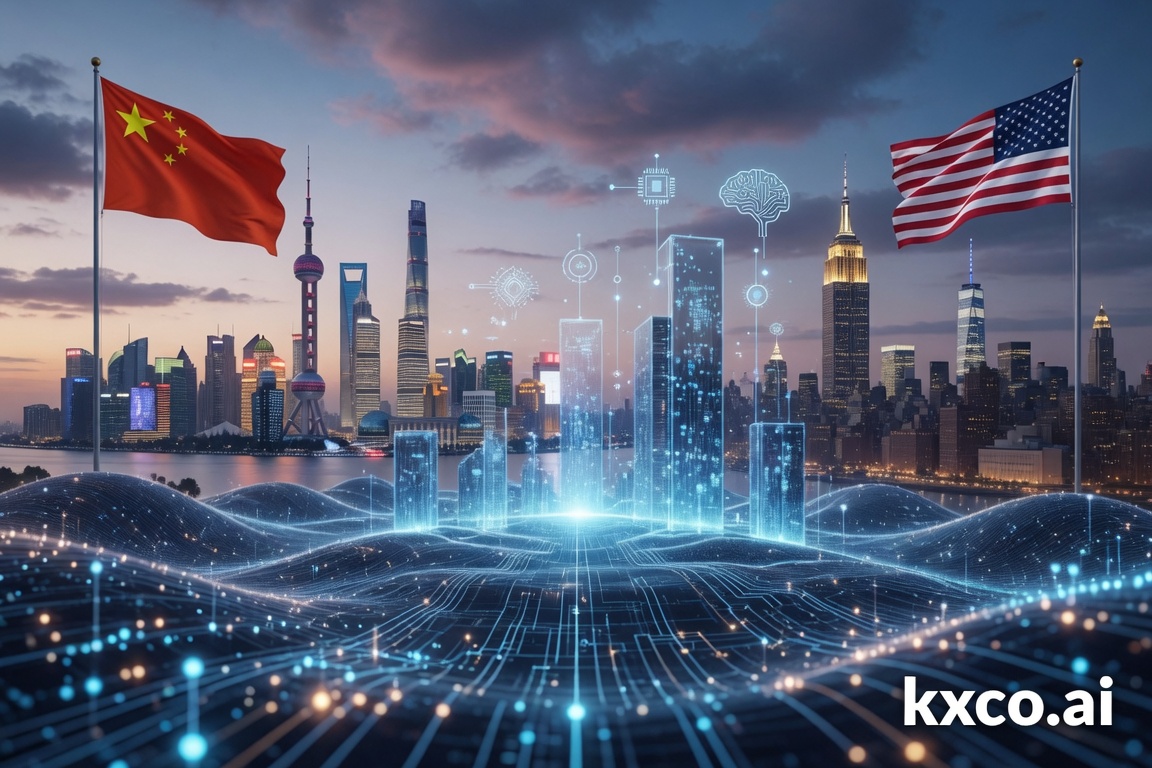
Understanding the US China AI and Quantum Landscape
AI and quantum are usually reported as a US–China race. The more useful story is two different systems — frontier capital versus open-source scale — entangled through shared chokepoints. Shayne Heffernan maps the landscape with the KXCO AI Sector Ontology, with comparison graphics and the investable names.
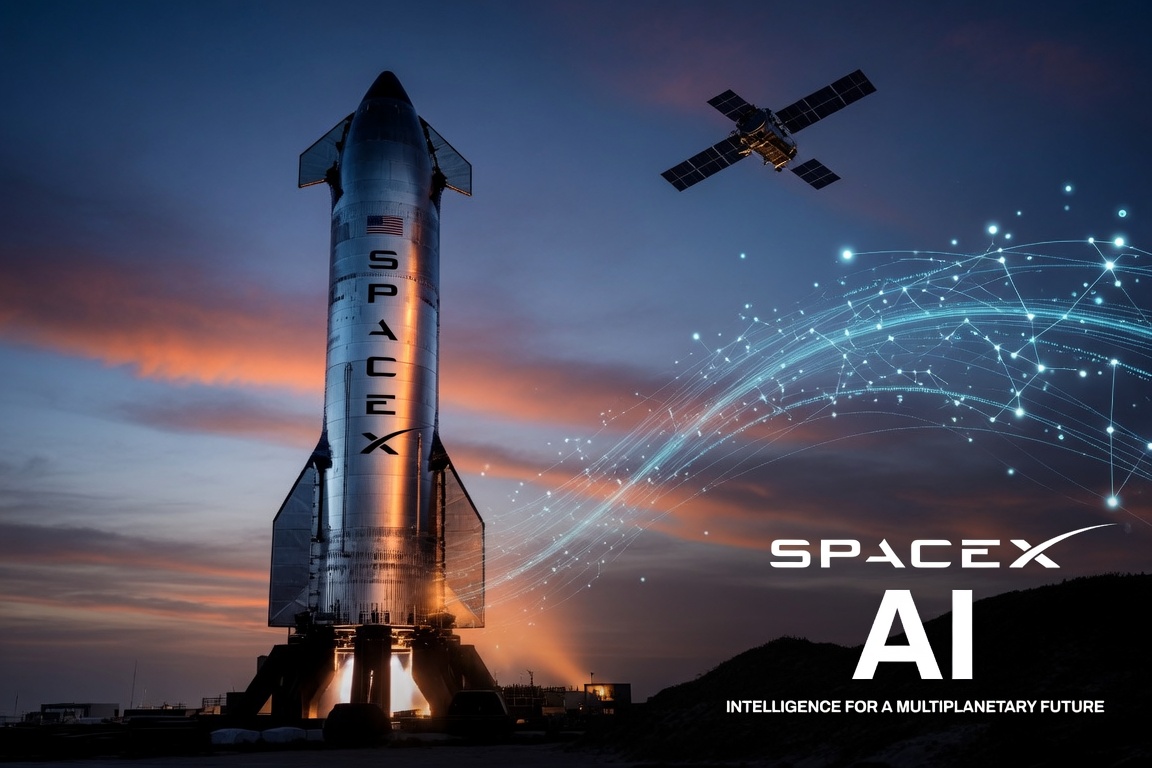
SpaceX: The AI Company You Might Be Missing
The market watches Falcon 9 and Starlink; it is missing the AI company SpaceX has quietly built — xAI, Colossus, the $55bn Terafab chip fab and orbital data centres. Shayne Heffernan maps SpaceX's position against the KXCO AI Sector Ontology ahead of its IPO.
KXCO Quantum Security 13 Packages, Published for Anyone to Inspect
Most tech companies ask you to trust them; KXCO did the opposite and published its post-quantum security code in the open. Shayne Heffernan on why third-party-verifiable software is the real signal — and what KXCO deliberately kept private.
The AI–Quantum Convergence Is One Problem, Not Two — and It Needs One Environment
AI and quantum are arriving together, and the BIS says the cost falls on defenders. Shayne Heffernan on treating them as one trust problem — and the fact-based, post-quantum environment built to answer it.
Every story, signed and delivered.
Subscribe to the kxco channel and get the headline, the AI-written key takeaways, and the chain-anchor link the moment we publish. Audio versions and per-ticker subscriptions arrive in the next iteration.